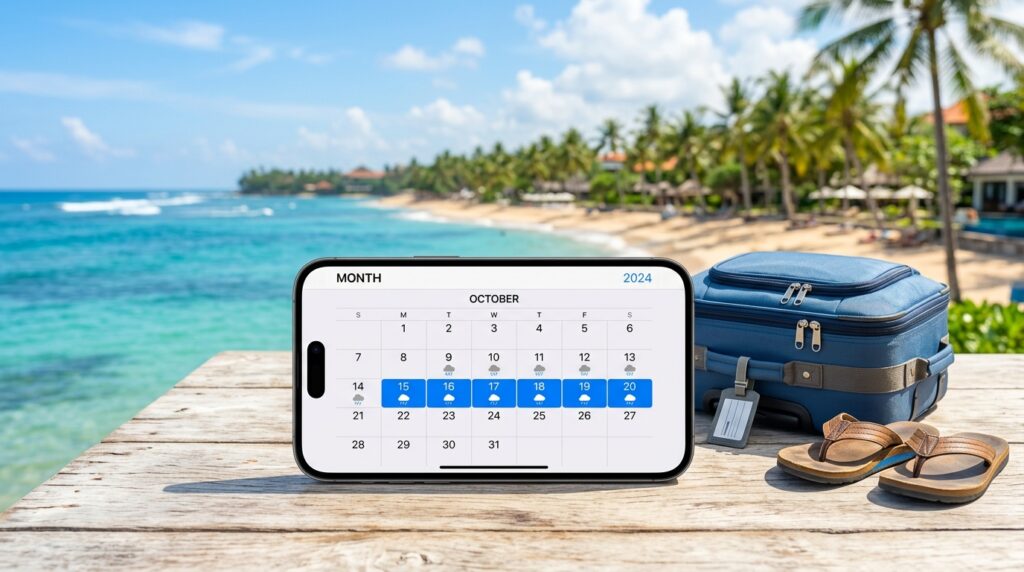
Imagine you’ve locked in a Bali trip and you’re staring at the calendar, trying to decide whether to go to Amed in the sunnier months or during the quieter rainy period. It feels like a simple question, but for Amed it really comes down to what you want the day-to-day experience to feel like.
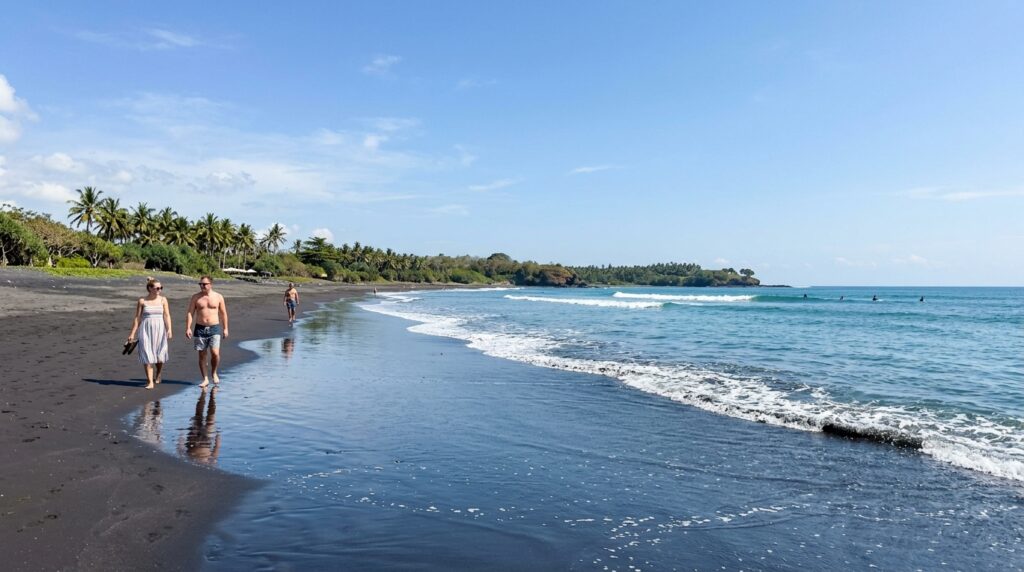
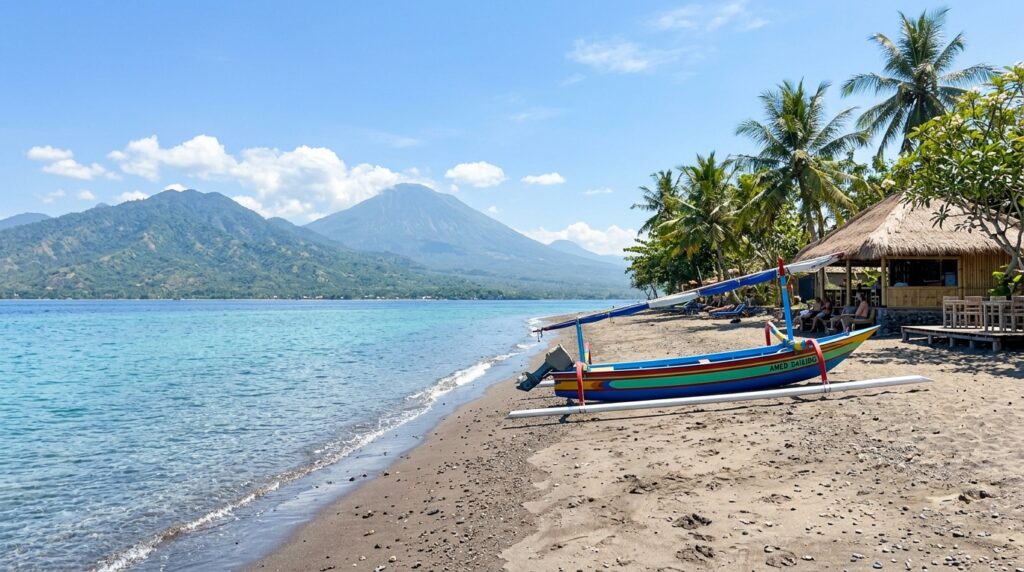
Amed is a calm, northeast coastal stretch made up of several villages along the shoreline. It’s especially known for shore-based snorkeling and diving, plus that slower, more relaxed style of travel where you’re not constantly rushing from one “must-see” stop to another. Because the main things you’ll do are happening in and around the ocean, the “best time” isn’t one universal top month. It’s the best match for your priorities, like clearer water for snorkeling, comfortable weather for wandering around, or fewer crowds for a genuinely peaceful vibe.
In this article, we’ll break down the trade-offs that matter most. You’ll learn why the dry season tends to be the easiest pick for clearer, calmer sea conditions, what you gain (and what you should expect differently) during the rainy season, and how shoulder months can land you in the middle ground. After that, you’ll know exactly how to think about timing before you choose your dates.
Next, let’s clarify what factors drive timing decisions in Amed so you can choose confidently.
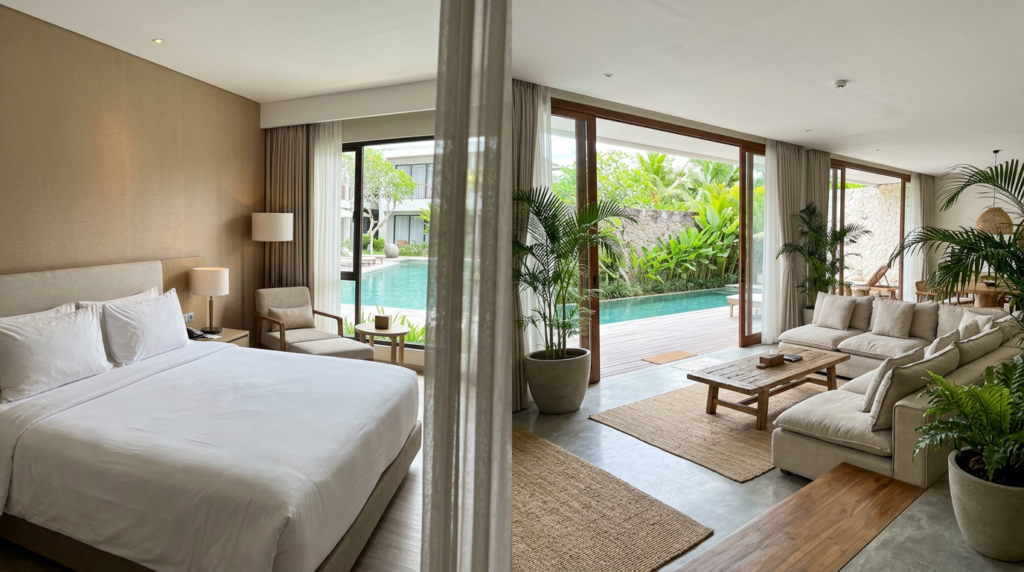
If you want a quick way to match the season you pick with where you’ll stay, explore options with Amed villa stays and areas so your timing decision actually fits your daily plans
Dry season
Dry season is the period when conditions are usually easiest for getting outdoors, with the most consistently pleasant weather and overall comfort. In Amed, that matters because your best experiences often happen in and around the water.
Rainy season
Rainy season runs roughly from November to March and brings more frequent rain, higher humidity, and a bit more day-to-day variability. The trip can still be great, but the weather and sea mood may not feel as predictable.
Shore snorkeling and diving conditions
This is the big one for Amed. Because many sites are accessed directly from the shore, clearer water and calmer seas can make snorkeling and diving feel smoother and more enjoyable.
Quiet vibe and crowds
Amed’s relaxed atmosphere is part of the draw, not just a bonus. Season can influence how calm things feel, with rainy periods often offering fewer people and a quieter rhythm.
Amed logistics and comfort
Timing doesn’t stop at weather. Amed has limited public transport and no ride-hailing coverage, and many places are more cash-friendly than card-friendly. When logistics are smooth, any season feels easier to enjoy.
For most travelers who want the best water experience with the least hassle, dry season is usually the simplest choice, which is why we’ll dig into it next.
Dry season timing window
Dry season is the easiest time to plan for clear water. In Amed, that usually means roughly April or May through October. You can expect sunnier days, less rain, and more overall “steady” conditions, which makes outdoor plans feel simpler.
What you typically experience
This is also when sea conditions tend to be calmer, and that matters a lot for Amed because many of the best moments happen right from the shore. When the water is calmer and visibility is better, snorkeling and diving feel smoother, and you spend less time worrying about whether today’s conditions will cooperate.
Who should pick dry season
If you’re coming mainly for snorkeling and diving, dry season is the go-to choice. It’s also a good fit for travelers who want reliable day trips, since consistent conditions help keep plans from shifting around too much.
Dry season isn’t the only smart option though. If you’re curious what you gain by visiting during the rainy period, the trade-offs may actually fit your trip style better.
Rainy season means the trip is ruined all day
That sounds scary, but it’s rarely how it plays out in Amed. November to March often means more frequent showers and higher humidity, yet those showers are commonly short bursts rather than all-day washouts.
The practical shift is mindset. Plan a flexible day with water time when conditions look good, and keep a backup activity for when the sky turns.
Is rainy season only bad for water activities?
No, snorkeling and diving are still part of the experience. The main difference is that sea and underwater conditions may be less consistent, so visibility or calmness can vary more than in the dry months.
Adjust your plan instead of canceling it. Book guided dives or snorkeling with operators who can adapt your schedule to what the water is doing today.
Rainy season automatically means crowds and high prices
In Amed, the opposite often happens. The rainy season tends to be quieter, so the relaxed “coastal village” vibe feels even calmer, and you may find better value compared to peak periods.
Go into it expecting solitude. If you care more about calm beaches and a slower rhythm than about perfect conditions every hour, rainy season can actually fit you really well.
For many travelers, there’s a middle option too, and that’s where shoulder months come in, balancing decent conditions with a quieter atmosphere.
April for a smoother transition
By the numbers of trip comfort, shoulder season is where you can often feel the shift without fully committing to the rain. April sits near the end of the rainy start and the beginning of the drier stretch, so many travelers find it a nice “middle” month.
Still, don’t expect everything to be perfectly consistent. If you want the least stress, keep your schedule light and stay ready to adjust a snorkeling or day trip plan if conditions change.
November for quiet without going too wild
November is similar in spirit, just from the other side of the calendar. It lines up with the end of dry season and the start of the rainy period, which can mean fewer crowds while conditions are often still workable.
Be a little more flexible than you would in the core dry months. The best mindset here is simple: plan with optimism, then confirm close to departure so you can spend your time where the conditions look best.
How to decide between them
If you’re choosing between April and November, start with your tolerance for variability. Pick April if you prefer to lean toward steadier conditions, and choose November if you’re aiming for more quiet vibes while accepting that weather may be less predictable.
Either way, shoulder months reward a “ready to adapt” travel style. Amed is calmer than most of Bali, so when you build some flexibility into your days, the compromise usually feels worth it.
Now that you’ve picked a season window, it’s time to make sure your logistics match your expectations, because the “best month” can feel hard if getting around is the wrong fit for you.
Transfer and getting there
Imagine you picked November because it looked quiet on paper. You land, then realize Amed does not have the same easy public transport feel you might expect in other parts of Bali.
Since ride-hailing is not really a thing here, most people rely on a pre-arranged private car or a scooter rental plan. When conditions are more changeable, arriving smoothly matters more because you want your first day to support snorkeling and diving, not logistics stress.
Getting around day to day
Now picture your plan: you want a morning snorkel, an afternoon beach session, and a day trip to nearby spots. Amed is a long stretch of coastline, so getting from one section to another isn’t always quick on foot.
In practical terms, scooters make day-to-day exploring easier, while a private driver can save you time when you’re trying to fit multiple activities. In a more variable rainy period, this flexibility helps you adapt without losing the best parts of the day.
Cash and payments
Here’s where a “best time” decision can quietly fall apart: money access. ATMs in Amed can be limited and may run out of cash, so depending on card payments can be risky.
For a rainy or shoulder stay where you might need to shift plans, having enough cash on hand gives you fewer surprises. That way, a change in conditions does not turn into a payment problem mid-trip.
How long to stay
You also need to match your timing choice with your trip length. Amed is best enjoyed over multiple nights, so you’re not forced to cram everything into a single “weather-dependent” day.
The rule of thumb is 3 to 5 nights ideal, with about 2 nights as a minimum. That extra cushion is especially helpful during a more changeable season, because you get more chances for calmer seas and better underwater moments.
Once logistics and time length are aligned, the season trade-offs feel manageable. Next, let’s tackle the common mistakes that lead people to choose the wrong time for their priorities.
Is rainy season a bad idea for snorkeling?
It doesn’t have to be. Rainy season in Amed can mean more rain and higher humidity, and it can also bring more day-to-day variability in sea conditions.
The practical reality is simple: snorkeling and diving are still possible, but you should expect visibility or calmness to be less consistent. Plan a flexible schedule so you can spend water time when conditions look best.
Do I need a car or can I rely on apps?
Don’t count on ride-hailing apps in Amed. Public transport is limited, and getting around is usually easier when you plan ahead.
In practice, many people use a scooter rental for exploring, or pre-arrange a private driver for longer or multi-stop days. Matching your transport plan to your dates makes the season trade-offs feel much less stressful.
Will I run into cash problems?
Cash can matter more than you expect. ATMs in Amed can be limited and may run out, so relying only on cards is risky.
Bring enough cash to cover your planned activities and buffer for schedule changes, especially during wetter periods when plans might need to shift faster.
How many nights should I plan?
If you want the experience to feel relaxed, plan for more than a quick stop. Amed is best enjoyed over multiple nights.
A good rule of thumb is 3 to 5 nights, with around 2 nights as the minimum. That extra time helps absorb any variability in conditions so you don’t feel rushed.
Is Amed easy to explore on foot?
Some parts are walkable, but Amed is a long coastal stretch made of multiple villages. It’s not one compact area where everything is nearby.
If you want to move between beaches and spots, having scooter access or using a driver for day trips makes everything smoother, especially when weather is less predictable.
With the common date mistakes out of the way, the next step is to choose based on your priorities, so the right season feels obvious.
Choose dry season if you want clear water reliability
Dry season is the most dependable choice for water lovers. Aim for roughly April/May through October, when conditions tend to feel calmer and more consistent.
If you want snorkeling and diving to feel easy and predictable, pick dry season. The trade-off is that it can be busier than the quieter periods.
Choose rainy season if you want quieter days and better value
Rainy season, roughly November to March, often brings more frequent showers and higher humidity, but the vibe can be wonderfully calm. Fewer people means Amed can feel even more like that slow, relaxed escape.
If you want fewer crowds and are okay with more day-to-day variability, pick rainy season. Just plan with flexibility so you can work around changing sea conditions.
Choose shoulder months if you want the middle ground
Shoulder months, like April and November, are the compromise option. You often get decent conditions without committing fully to either the driest or rainiest stretch.
If you want a balanced trip, pick shoulder months, but expect a bit more uncertainty. Staying flexible and confirming conditions close to departure helps a lot.
No matter which you choose, let your priorities decide, and keep your plans adaptable. Best time is personal, and it should match the way you want Amed to feel.
“The best time is the one that matches how you want Amed to feel.”
Dry season is usually your safest bet for clearer, calmer water and more predictable snorkeling and diving. If you’d rather trade a bit of consistency for fewer crowds and a quieter, slower atmosphere, rainy season can be a surprisingly good fit. And if you want the middle, shoulder months like April and November often balance comfort with good enough conditions.
Timing matters, but so does the practical side of getting there and getting around. Plan for Amed’s logistics, including transport planning and having enough cash, and the “best time” choice becomes part of a smoother trip rather than a gamble. If you match the season to your priorities, you can settle in, enjoy the coast, and let Amed do what it does best.
Ready to translate your chosen timing into a practical stay plan, so you’re not scrambling when conditions change, with help finding the right Amed accommodation match
If you want help aligning your dates, logistics, and stay setup for Amed, Baliexpertvillas.com can help you plan smarter and enjoy your best-time choice with confidence