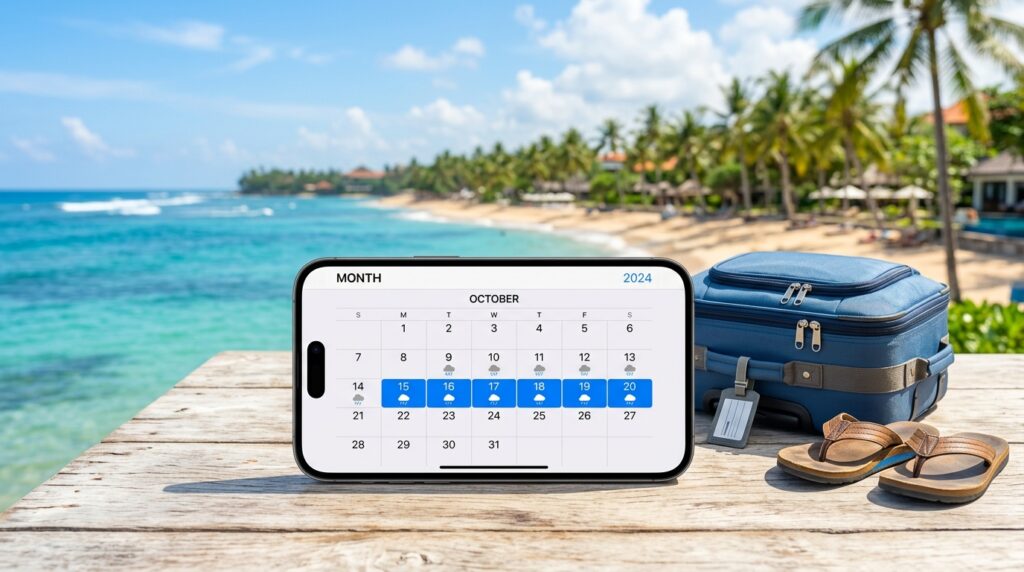
Imagine you’re packing your bags and staring at a calendar that feels packed with choices. You can practically taste the beach, but you’re also wondering if picking the “wrong” month will turn your trip into a soggy, stressful mess. In Denpasar, the answer isn’t as simple as chasing one perfect weather window.
That’s because the best time to visit Denpasar is really a match between what you want most and what the season naturally delivers. Denpasar is warm year-round, with temperatures generally sitting in the 26-29°C range, so the bigger differences come from rainfall and humidity. Those two things shape how comfortable it feels, how busy places get, and even what kinds of plans work best once you arrive.
In this article, you’ll get a clear way to choose your month by connecting three things: the weather comfort side (hot, humid, sunny, or rainy), the visitor side (crowds and pricing pressure), and the activity side (beach time versus cultural visits, plus how outdoor plans feel across seasons). We’ll walk through the dry season versus the wet season, then narrow it down into practical guidance on what to pick, what to expect, and what to avoid.
One expectation to reset right away: no month is perfect all the time. The goal is simply to choose the month that fits you best, so your Denpasar trip feels like it was planned for your priorities, not someone else’s.
Next, we’ll make that idea concrete by defining what “best time” actually means for Denpasar planning.
What “best time” means for Denpasar
The “best time” is the month that fits your priorities, not the month with the prettiest weather. In Denpasar, the temperature stays warm most of the year, so you rarely win or lose everything on a single number. Instead, what changes is how comfortable you feel, how busy places get, and whether your planned activities are easy or annoying.
Weather comfort isn’t just temperature
Denpasar stays around 26-29°C year-round, so the headline temperature doesn’t tell the whole story. During the dry season (April to October), conditions generally feel brighter and more comfortable because rainfall is lower. In the wet season (November to March), it’s still warm, but humidity and more frequent tropical downpours make the same heat feel heavier.
So when you think about “best,” think comfort in practical terms, like how often you’ll need a rain plan, how sticky the air feels, and whether outdoor time stays enjoyable.
Season affects crowds and prices too
Weather and tourism demand move together. The dry season is also when more people travel for sunshine, which means higher demand and busier hotspots. July and August are especially busy, so expect more crowded beaches and more pressure on bookings and pricing.
Meanwhile, the wet season usually brings fewer visitors and better value, even if the rainier months can be less predictable for outdoor plans.
Your activities decide what “best” is
If your trip is all about beach time and outdoor exploring, the dry season tends to make those plans smoother. If you’re more flexible and happy to swap some outdoor hours for indoor downtime, the wet season can be surprisingly rewarding thanks to fewer crowds and a greener, more scenic atmosphere.
That’s why “best time” isn’t one universal answer. It’s about matching the season to your activities and your comfort tolerance.
With that in mind, the next step is a month-focused look at the dry season and why many travelers favor it for Denpasar.
“Dry or wet, the temperature barely changes. What changes is how the day feels.”
Dry season runs April to October
Dry season is the period from April to October. It generally means more sunny days and less rainfall overall, so Denpasar feels more comfortable for daytime plans.
Wet season runs November to March
Wet season is the period from November to March. Expect higher humidity and more frequent tropical downpours, but it is not always a nonstop washout for every hour of every day.
Humidity is the comfort driver
Humidity as comfort driver means you experience the heat differently depending on how much moisture is in the air. Since Denpasar stays warm around 26-29°C, the “feel” often shifts more because of humidity and rain than because the temperature swings dramatically.
Once you understand these seasonal modes, the next step is seeing how the same periods also shift crowds and pricing across Denpasar.
Dry season can feel busier
When the weather is drier and sunnier, more people want to be outdoors. That means beaches, popular neighborhoods, and even simple errands start feeling more crowded in Denpasar during this period.
July and August are especially busy, so expect higher demand and tighter availability for the things you want to do quickly.
Peak months create demand spikes
Dry-season peak months don’t just bring more visitors, they often push pricing up too. Hotels, tours, and in-demand spots tend to get booked first, so last-minute plans can feel more expensive and less flexible.
Holiday timing can also amplify the spike, so two trips in “good weather months” can still feel very different depending on the dates.
Low and shoulder periods bring better value
Outside the busiest windows, demand usually drops. That typically makes it easier to find availability and can reduce costs, especially for accommodations and popular experiences.
Shoulder periods often deliver a calmer vibe, but watch for major holiday dates because those can override the usual low-crowd pattern.
With crowds and pricing explained, the next step is choosing which months fit your preferred balance of comfort, value, and activities during the dry season.
If you’re comparing dry versus wet season for your itinerary, Baliexpertvillas.com can help you line up the most practical stay timing around weather and crowds.
When is Denpasar dry season (April-October)
June, July, August: great weather, heavy demand
Ready to plan around sunshine instead of rain? In Denpasar, that usually means the dry-season stretch running through April to October, with June, July, and August feeling especially rewarding for outdoor time.
Expect strong conditions for beach days and sightseeing, but also expect demand to climb fast. July and August are the busiest windows, so bookings can sell out earlier and prices often rise as visitor numbers peak.
If you’re traveling as a family or you already know you want to stay near popular beach areas, this is a great time to go. Just plan ahead for reservations and be ready for more people around the places you’ll want to visit quickly.
Shoulder moments: May and September for balance
If you want the dry-season benefits without the “everything is packed” feeling, aim for May or September. These shoulder months often deliver a calmer vibe while still keeping rainfall lower than the wet season.
For practical planning, that typically means better odds of finding availability at decent prices and a more relaxed pace at beaches and temples. Still, don’t assume the weather will match perfectly year to year, because conditions shift as the seasons change.
This is a smart fit for travelers who want outdoor time but prefer flexibility over racing to lock in every booking months in advance.
Dry season is popular for a reason: more sunshine and less rainfall overall make daily plans easier. Just remember, even in the dry months, occasional showers can happen, and the exact feel can vary a bit from year to year.
Now let’s flip the calendar and look at how the wet season works, and what visitors should realistically expect from November to March.
Picture this: you land in Denpasar in July, and the beachwalk feels like a weekend in peak season. Even your hotel check-in line looks longer than the photos made it seem.
That’s the dry-season peak effect. In Denpasar, the dry season runs from April to October, and July and August are the busiest windows because the weather is ideal and European summer holidays drive extra demand.
So plan like a peak-season traveler. Lock in your accommodation and key activities earlier, expect busier beaches and temples, and give extra time for traffic and transfers since popular areas can feel more packed day to day.
The trade-off is real: the outdoor conditions are great for long days in the sun, but the vibe is less “quiet escape.” If you’re chasing comfort and reliable beach time, it’s worth it, but don’t expect it to feel serene every minute.
Next, if you want something closer to the sweet spot, May and September are where many travelers aim for a better balance.
“Peak” is the only good dry season
Most travelers assume the only “best” dry-season window is the peak one, because it lines up with great conditions. The twist is that peak months also pull the biggest demand, so crowds and costs can steal some of the joy.
That’s where May and September come in. They often feel like a sweet balance, with fewer people around the most popular spots while still keeping the dry-season outdoor comfort close enough for easy beach days and sightseeing.
May and September trade some certainty for more breathing room
Compared with July and August, shoulder months are usually less busy, which can mean better availability and better value. Just don’t expect identical weather every year, because seasonal shifts can make conditions feel more or less dry from week to week.
In plain terms, you’re choosing convenience and value over the absolute highest “peak” vibe. If your goal is outdoor time without the packed feeling, these are often the months people target for a calmer Denpasar stay.
With dry-season choices covered, it’s easier to compare them to what the wet season feels like from November to March.
When is Denpasar wet season (November-March)
“Rainy season never lets up”
If the wet season makes you picture nonstop all-day rain, you’ll be setting yourself up for disappointment. In Denpasar, the rainy season is November to March, and it often comes as intense bursts rather than permanent gray skies.
That still means you should plan with flexibility, like having a couple of indoor options ready. The upside is fewer crowds and a more relaxed atmosphere when you do venture out, especially for temple visits and slower days.
Will wet weather ruin every water activity
You might worry that diving and snorkeling are automatically off the table. Rainier periods can affect conditions, including water visibility and rougher seas at times, so certain plans may not feel as smooth as they do in the dry season.
Instead of canceling everything, treat it as a “choose wisely” season. Pick days based on your schedule, and you can still enjoy plenty of experiences while benefiting from the greener scenery and dramatic tropical mood the wet months bring.
“Low crowds always mean your trip gets easy”
Fewer visitors in the wet season usually is a real advantage, but it doesn’t automatically make the trip friction-free. Expect more humidity, more frequent tropical downpours, and sometimes outdoor plans that need to shift around the weather.
Plan for that trade-off. With a flexible itinerary, you can get the best of both worlds: calmer crowds and lower demand pressure, while accepting that some outdoor timing will be less predictable.
Now that you understand wet-season expectations, the next step is choosing the month window that matches your goals best.
“It looks sunny for hours, then suddenly it pours.” That’s a pretty typical January or February rhythm in Denpasar.
Usually, you’ll get some warm, bright stretches before a strong shower later in the day. That pattern is exactly why planning works best when you schedule outdoor time earlier and save flexible blocks for the afternoon, when rain is more likely.
Keep a simple backup plan too. Think of it as your indoor buffer, like a spa visit, a relaxed meal, or any indoor activity you can enjoy without rushing. When plans can bend a little, the rain stops feeling like a disaster.
Marine days may feel different during wet months. Rougher seas and reduced water visibility can make diving and snorkeling less predictable, so it helps to treat those activities as “choose based on conditions” rather than “guaranteed all day.”
At the same time, wet-season days have their own payoff. Temples often feel calmer, and the landscape turns greener and more dramatic, so you still get plenty of memorable experiences, even if the sky changes more often.
With that in mind, the next step is choosing the exact month window that matches how you want your trip to feel.
How to pick the right month for you
Match your priorities: weather, budget, crowds
Which matters more to you when you choose dates. Before anything else, ask yourself: ✅ Do I want more sunshine and less rainfall? ✅ Am I trying to avoid peak demand and higher prices? ✅ Will I handle a bit of humidity if it means fewer crowds? ✅ Are my dates flexible around holidays?
Those checks keep you from treating Denpasar like one single “best” month. Since the dry season (April to October) usually brings more comfort but higher demand, and the wet season (November to March) often brings fewer visitors but more rain risk, your priority should decide your pick.
Plan for activities with seasonal conditions in mind
Start by matching your plans to how the season behaves. Ask yourself: ✅ Are my main activities beach time and outdoor exploring? ✅ Do I want marine days where water visibility can matter? ✅ Am I planning hiking or trekking where drier timing helps? ✅ Will I enjoy temple and cultural hours even if the weather shifts?
This is where “best time” becomes personal. Dry-season timing generally supports outdoor routines better, while wet-season days can disrupt some marine activities due to rougher seas and reduced water visibility, even though the island can feel greener and less crowded.
Remember Bali isn’t one climate
Don’t assume every plan will feel the same across the whole island. Check this in your head: ✅ Am I staying near the coast for beach access? ✅ Will I spend time inland where it can feel cooler and different? ✅ Am I planning day trips, so I’ll need flexibility? ✅ Have I built in backup options for sudden downpours?
Denpasar is warm year-round, but conditions can vary across Bali’s regions, and your exact itinerary changes how you feel about “rain” or “comfort.” That’s also why holiday dates can flip expectations, with demand spikes happening regardless of whether the season is normally considered busy or quiet.
With the month choice clear, the next step is understanding the mistakes that can derail even a good plan.
Pros: dry comfort and low-season value
Trying to balance weather with your wallet can feel tricky when you land on the “wrong” dates. If you’re chasing good outdoor comfort, the dry season is usually the easiest bet because it brings more sunshine and less rainfall. That generally makes beach time and sightseeing feel smoother, especially in the popular dry-season stretch.
On the other hand, if you care most about value and fewer crowds, the low or wet season often delivers it. Demand typically drops, so you’re more likely to find better pricing and more breathing room around attractions, even though the weather can be less predictable.
Cons: peak crowds, rain risk, and holiday surprises
The trade-off is straightforward. Peak dry-season demand can push costs up and bring more people into the places you want to enjoy, which can reduce the “relaxed escape” feeling even when the weather is great. In wet months, humidity rises and showers are more frequent, so outdoor plans may need to bend.
Also, holidays can override the usual pattern. Big holiday periods can create demand spikes even when it’s not normally the busiest time, so don’t assume “low season” always means cheap and quiet.
Now that you’ve weighed the weather and crowd trade-offs, it’s time to map those months to the activities you actually want to do.
Beach time and everyday outdoor plans
If you want reliable “day after day” beach time, you’ll usually like the dry season more. In Denpasar, the dry months generally bring more sunshine and less rainfall, so outdoor plans tend to feel easier and more consistent.
That said, July and August are also the busiest. If you’re going for convenience and comfort, the dry season is great, but you should expect more people around popular beaches and temples.
Diving and snorkeling visibility
Looking at the ocean during wet months can be a gamble, especially for water clarity. In the wet season, conditions can lead to reduced water visibility and sometimes rougher seas, so dives or snorkeling may feel less predictable.
Dry-season timing typically works better for marine visibility. If your itinerary depends on water activities, plan those days more tightly around the clearer-season window.
Hiking and trekking comfort
Muddy trails are the kind of problem you only notice once you’re already outside. During the wetter months, hiking and trekking are more likely to involve slippery ground and more “wet” conditions that can slow you down.
That’s why May through October is often the more comfortable timing for outdoor walking. After rain, caves and other low spots can also feel extra damp, so plan routes with the weather in mind.
Temples and cultural pacing
There’s a different kind of enjoyment in low-crowd seasons. In the wet season, temples and towns often feel calmer, so you can move at a slower pace and take in details without constantly weaving through crowds.
Plus, inland areas like Ubud can feel cooler, giving you a nice change of rhythm when the humidity is higher on the coast. When the day shifts from outdoor to cultural, wet season can be surprisingly rewarding.
Next, let’s switch gears and look at the common mistakes that can derail expectations before you even book.
What to watch out for before booking
“Rainy season” means nonstop all-day storms
Thinking the wet season is always a full-day washout is the classic mistake. The wet season is November to March, and rain can be intense, but it’s often more like bursts than nonstop gray skies all day.
Pack with reality in mind. Bring light rain gear and keep simple indoor backup plans so a shower becomes a pause, not a ruined day.
Peak season equals perfect weather
If you book only for “perfect” conditions, you’ll still feel the downside when the crowds hit. The dry-season peak, especially July and August, brings higher demand, which can mean busier beaches and more pressure on prices and availability.
Plan for the logistics reality. Book key stays and popular activities earlier, and expect the trip to feel less serene than it looks in photos.
Bali is the same everywhere
Another easy trap is choosing based on the island-wide stereotype and forgetting that conditions vary by area. Coastal areas can feel warmer and more humid, while higher inland regions can feel cooler, which can change how “rain” and comfort feel day to day.
Choose areas thoughtfully. If your itinerary mixes coast and inland time, plan each segment to match the conditions you’re likely to experience.
Wet beaches always look terrible
Wet-season beaches don’t automatically look bad, but they can be affected in a specific way. During wetter months, ocean conditions and currents can bring more debris onto southern beaches, so cleanliness and beach vibe can shift compared to the dry season.
Keep a plan B for beach days. Pick beach timing and locations with flexibility so you still enjoy the scenery even when the shoreline isn’t at its most postcard-perfect.
With the booking stage protected from surprises, the next step is locking in your dates with a simple framework and some smart flexibility.
Expectation gaps that turn into regrets
Want the trip to feel effortless? Don’t make these common expectation mistakes. ✅ Assume the beaches will look and feel the same all year; ✅ pack as if rain won’t matter; ✅ forget that weather can change fast; ✅ ignore that crowds affect timing and logistics.
If you’re traveling in wetter months, be ready for the possibility of ocean-related debris on southern beaches. Flexibility is the real safety net, so you can shift plans instead of forcing them.
Keep your schedule adaptable and your packing sensible, and you’ll handle surprise showers and busier days without stress.
A simple way to lock in your travel dates
Imagine you and your partner are picking between “beach weather” and “staying within budget,” and you only have a short window of time. You decide beach time matters most, so you lean toward the dry season and narrow it to July or August.
Once you choose those dates, you plan around the reality of peak demand. You book key stays and popular activities earlier, and you build in more transport time because busy weeks can mean slower day-to-day logistics. If you want a calmer feel, you also consider a split stay, mixing coastal time with a slightly inland base like Ubud for a different pace.
By the time you arrive, the cause-and-effect is clear: the weather supports outdoor plans, your bookings line up with the crowd level, and you’re less surprised by rain chances or rush hours. That’s how you end up with smoother logistics, better expectations, and a trip that matches your priorities instead of fighting the calendar.
Start early to beat crowds
“Beat the rush by being out before everyone else thinks to go.” That early-morning rhythm works especially well when July and August make popular spots feel packed.
Try planning temple visits or key sightseeing hours early so you spend less time in crowds and more time enjoying the moment.
Consider a split stay for microclimates
Instead of forcing one area to cover everything, split your time. Spend part of your trip on the coast and part in the central highlands like Ubud, where the feel can be cooler and different.
This small change helps you match the microclimate to your day, so rain, heat, and humidity feel less like surprises.
Keep plans flexible for showers
Weather in Bali can shift quickly, even in the dry season, so build in flexibility. Have at least one indoor-friendly activity ready for “rain could happen” hours.
When you adapt instead of pushing, the trip stays smooth, and you get to enjoy the wet-season greenery without stress.
Next, wrap everything up with a simple reminder so you can choose the month that fits your priorities.
Your “best time” is the one that fits your priorities
The best time to visit Denpasar is the one that matches your priorities, not the one with the “most perfect” label. If you want easier outdoor days, the dry season (April to October) is usually the smoother choice. If you prefer fewer crowds and a more lush, green atmosphere, the wet season (November to March) often delivers that vibe.
Neither season is a “win everything” situation. Peak dry-season months can bring more demand, higher costs, and busier hotspots, while wet-season travel can require more flexibility because rain patterns can be intense and changing. But that trade-off is the whole point, and adaptability is what turns it into a better experience rather than a problem.
Pick the month that best fits your top priority, whether that’s beach time, cultural pacing, hiking comfort, or calm crowds. Then plan around the season you chose, with a bit of buffer for weather and logistics, and your trip will feel like it was planned for you.
When you’re ready to refine your plan, Baliexpertvillas.com is here to help you align your dates with your priorities.