Imagine this: you land in Kerobokan after a long flight, your group is tired, and you’re staring at two options that both look tempting on paper. One is a hotel room. The other is a private villa with its own space. You can already feel the decision will shape your whole trip, not just your bed for the night.
A villa, in this context, is a private rented residence where you get exclusive access to the property. That often means a private pool, a garden area, and a kitchen. A hotel, meanwhile, is lodging inside a larger property, with shared amenities and a standardized service setup. In simple terms, one feels like you’re moving into your own home for the stay, and the other feels like you’re checking into a service business.
Here’s why the question “better or not” doesn’t have one universal answer. The better choice depends on what kind of trip you’re having. Couples often care most about privacy and quiet. Families and groups usually need space to move, relax, and avoid turning every meal into a logistical project. Trip length matters too. A quick stay can make hotel convenience feel efficient, while longer stays often highlight villa benefits like flexibility and self-sufficiency.
That’s also what this article will help you do. You’ll learn the real differences quickly, so you can spot when villas win and when hotels win. Then you can choose more safely with a practical selection checklist and a myth check for the common assumptions that lead to disappointment.
If you want a smoother booking experience, start by matching your priorities to the right villa or hotel setup, and let Baliexpertvillas.com help you narrow down options that fit your group
Next, we’ll make it concrete with the day-to-day reality in Kerobokan, so you can visualize what you actually get once you arrive.
What’s the real difference in Kerobokan
Picture this: you want your Bali stay to feel relaxing, not stressful, but you keep hearing mixed advice about villas and hotels. In Kerobokan, the choice matters even more because the area often feels calmer than other Bali hubs. That calmer vibe makes villa privacy and space stand out, while hotels still win on simple convenience.
Villas: exclusive space you actually control
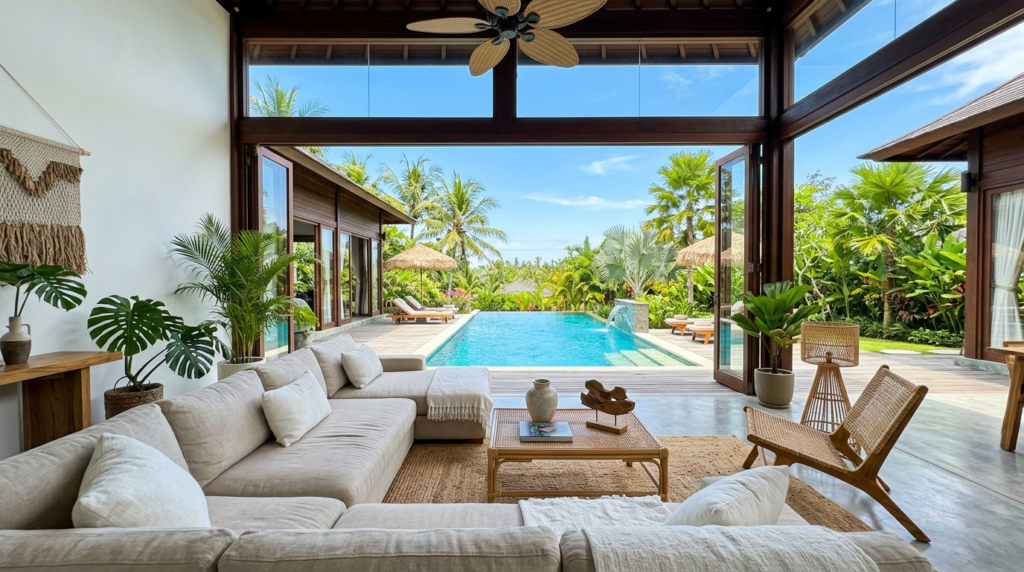
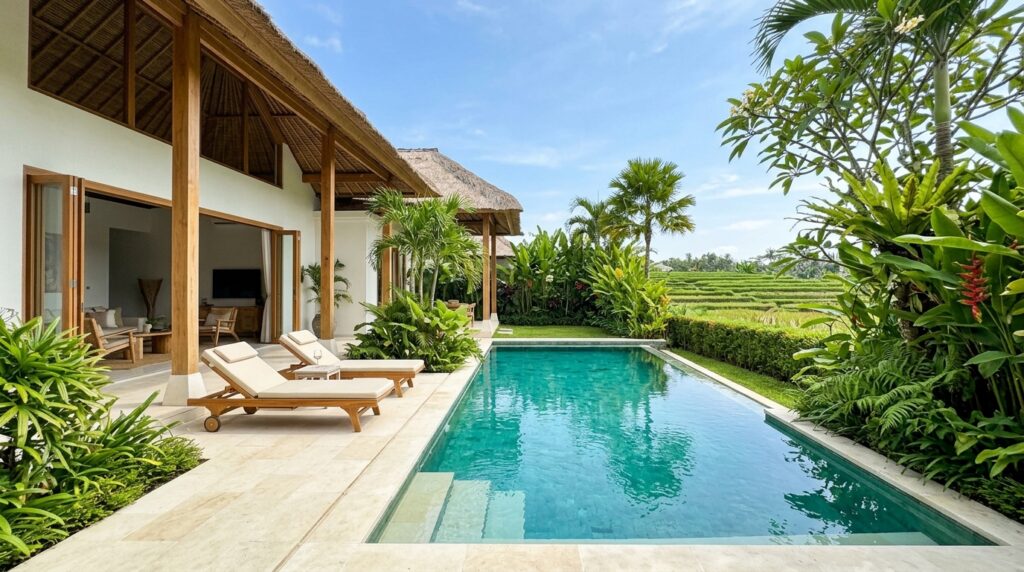
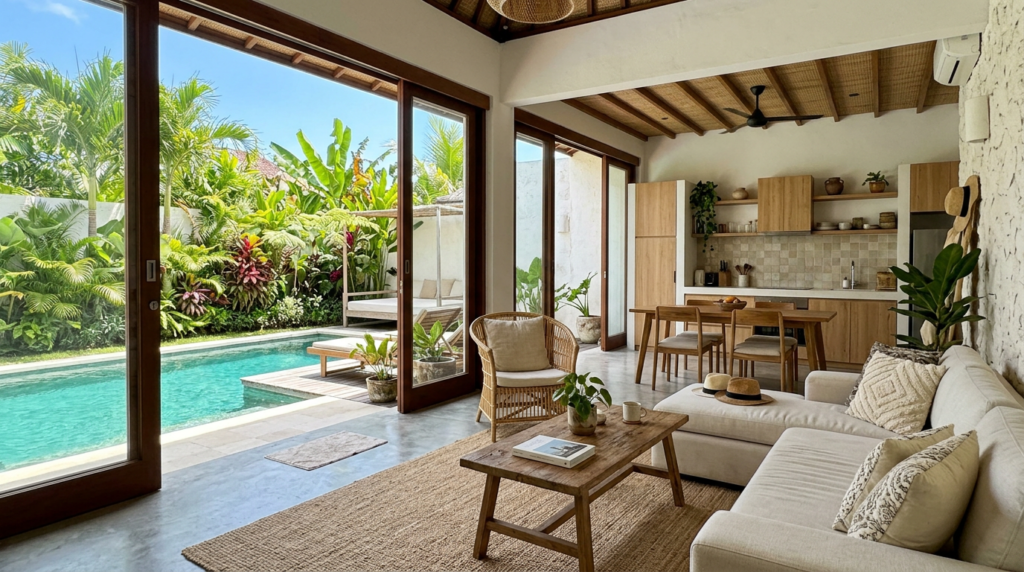
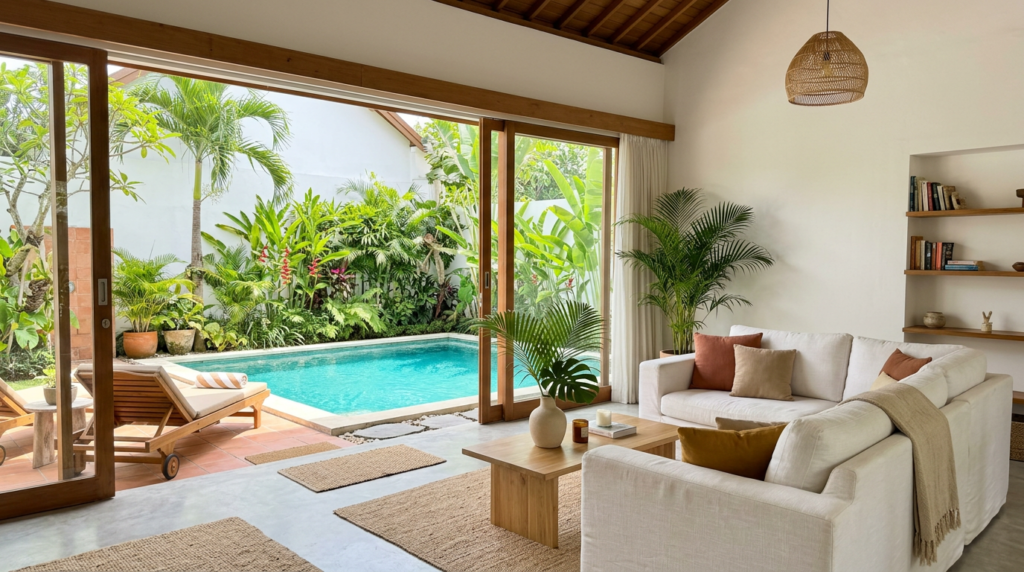
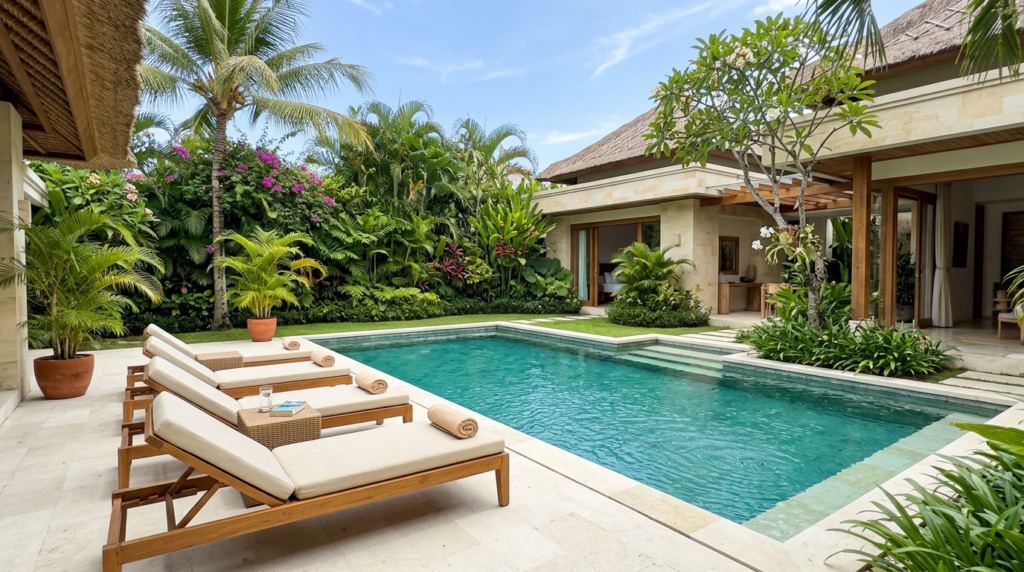
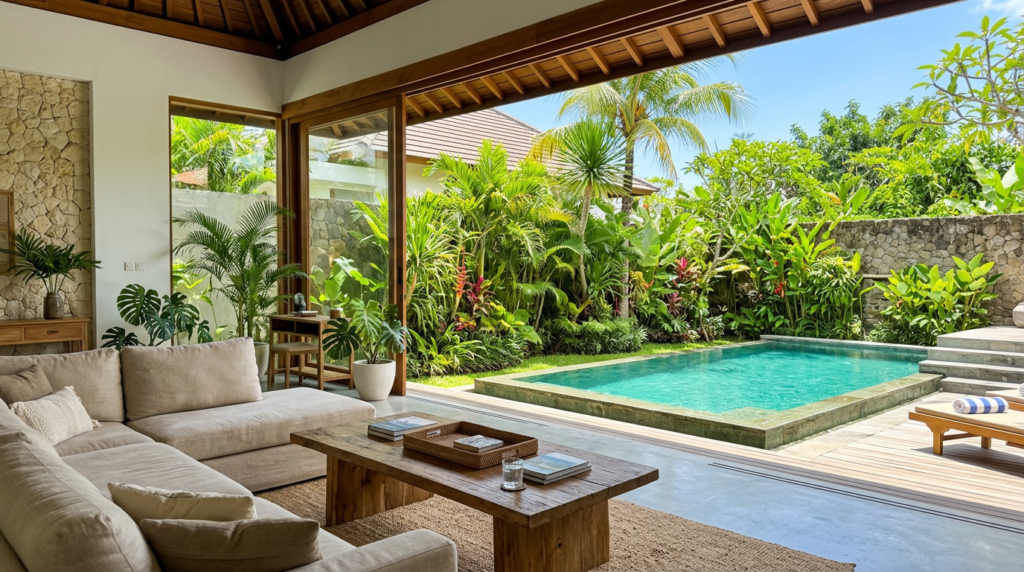
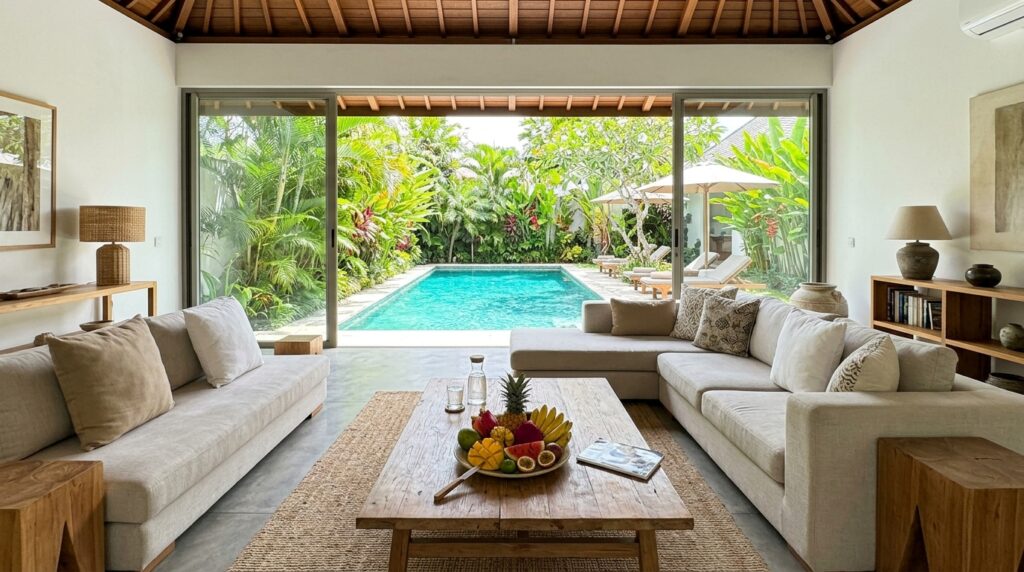
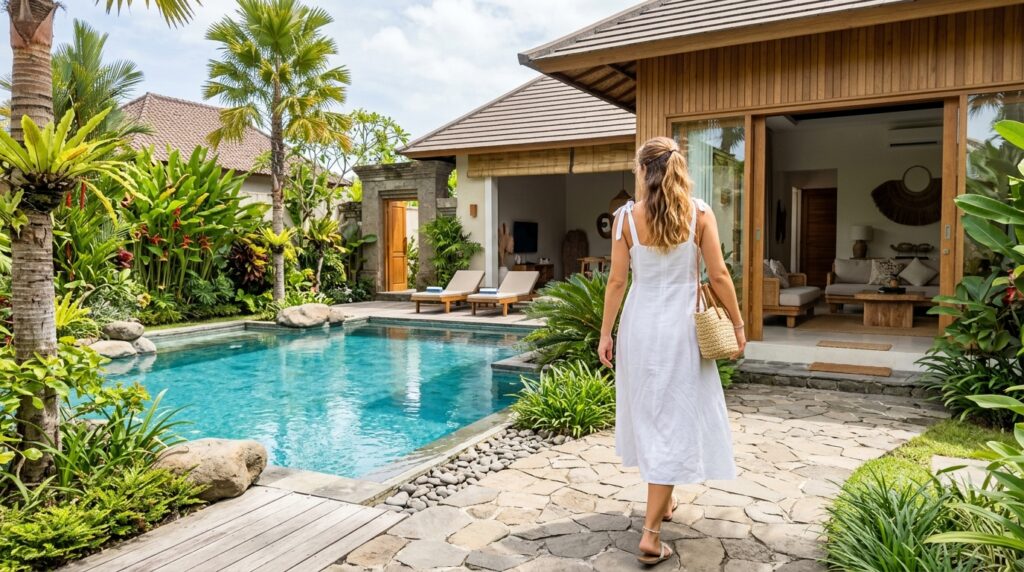
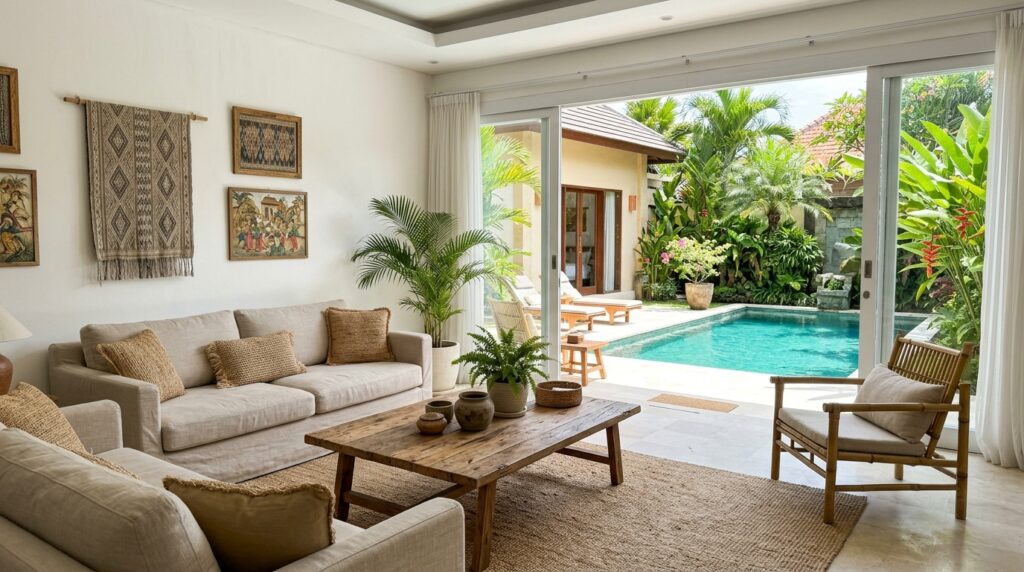
With a villa, you rent a private residence, not just a room. You typically get exclusive access to the facilities, like your own private pool and garden, plus a home-like layout with living and sleeping areas that don’t feel cramped. Many villas also include a full kitchen, so you can handle meals your way, and they usually come with dedicated staff such as housekeeping, a gardener, and pool support. Sometimes you can arrange extra services too, like having a private chef.
In day-to-day life, that exclusive setup changes the rhythm of your trip. You can swim whenever you want, keep the outdoor area for your group, and maintain a schedule that fits real life, not hotel timetables. For example, if you have kids, a family can eat snacks at home and use the space to reset between activities without worrying about noise or sharing common areas with other guests.
Hotels: shared amenities and a standard routine
A hotel stay is more standardized. You book a lodging unit inside a larger property, and most amenities are shared across guests. You also usually get front-desk style support, plus on-site convenience like restaurants, bars, and sometimes gyms. That structure can feel comfortable because you know what to expect, and many basic needs are available right there.
The trade-off shows up in how your day runs. Hotels tend to operate around opening hours, shared spaces, and a more public flow of guests. A practical example is a short stay where you only need breakfast, a place to sleep, and easy access to dining, so hopping between hotel facilities feels efficient rather than complicated.
Once you understand what each model delivers on a normal day, the next step is matching those differences to your travel situation. The “best” choice becomes clear when you connect privacy, space, flexibility, and kitchen convenience to your specific group and timeline.
If you’re unsure where to start, you can also browse options and compare setups with villas in Kerobokan before you finalize your decision
Villa basics: private space, private pool, full home feel
A villa feels like having your own home in Kerobokan. In travel terms, it is a private rented residence where you get exclusive access to the property during your stay, instead of sharing space with other guests.
Exclusive access that boosts your privacy
Exclusive use means your space is not a communal walkway or a shared lobby. You can move around, spend time outdoors, and relax without feeling like you’re borrowing the place from strangers. That privacy usually leads to lower stress and a calmer holiday mood.
Private pool and garden for real downtime
A private plunge pool or pool area, paired with a garden-like outdoor space, is what most people imagine when they picture villa life. You can swim or just hang out when you want, without waiting for crowded schedules or sharing the pool with others.
Full kitchen for snacks and proper meals
A full kitchen changes how you eat on vacation. Instead of relying on hotel meals every time, you can prepare breakfast, snacks, or full meals at home. For many travelers, that simple option helps with cost control and keeps routines from getting too rigid.
Dedicated staff and personalized service
Most villas come with staff support such as housekeeping, a gardener, and pool help. Because the team focuses on fewer guests, service often feels more attentive, and small issues get handled without you chasing across a busy property.
Flexibility of schedule without rigid timetables
In a villa, your day can follow your own rhythm. You decide when to eat, when to rest, and when to use the outdoor space, rather than working around hotel opening hours. That flexibility often makes the stay feel quieter and easier to manage, especially for families or groups.
Once you understand these villa basics, it becomes easier to see why hotels feel different, because hotels are built around convenience and shared services.
Hotel basics: convenience, standard service, shared amenities
“A hotel stay is built around shared facilities and predictable routines.”
Shared amenities that change how you relax
Shared amenities mean you’re using facilities that other guests also use, like common pools, restaurants, or gyms. That can feel upbeat and convenient, but it also reduces the exclusive, quiet feeling you get in a villa.
Standardized service that feels consistent
The standardized service model is designed to be repeatable for many guests, with support coming through front-desk style staff. The upside is easy coordination, especially for short needs, but it’s usually less tailored to your private schedule than villa staff tends to be.
On-site convenience for quick, simple days
On-site convenience is about having key options right there, such as restaurants, bars, and typical hotel services. If your plan is mostly outside the property, this can make a hotel feel efficient because you can grab what you need without planning too much.
Schedule and timetables that run the day
Hotel hours and timetables shape the day-to-day flow, from breakfast timing to when staff services are available. For some travelers, that structure is exactly what they want, and for others, it can feel less flexible than a private villa setup.
Once you see these hotel basics clearly, you can decide whether predictability and shared convenience matter more for your trip than privacy and flexible living.
When villas win—and when hotels do
Imagine planning your Kerobokan days around how your group actually behaves, not around a property schedule. In some trips, villa life simply fits better. In others, a hotel feels smarter. The trick is spotting which scenario you’re really in.
Families and groups: space plus cost sharing
Picture a family with kids who need room to breathe between outings. A villa helps because you get more space to spread out across bedrooms and living areas, plus private outdoor time where kids can be active without feeling like you’re sharing everything with strangers. When everyone has room, the trip feels less chaotic and more relaxing.
Now add meals into the mix. A villa’s full kitchen makes it easier to handle snacks and simple meals at home, which can reduce how often you need to eat out. And when groups split the villa cost, the cost-per-person can improve compared with booking multiple hotel rooms. If your stay is short and you mainly need predictable convenience, a hotel can still be the better fit.
Couples and romance: privacy you can actually use
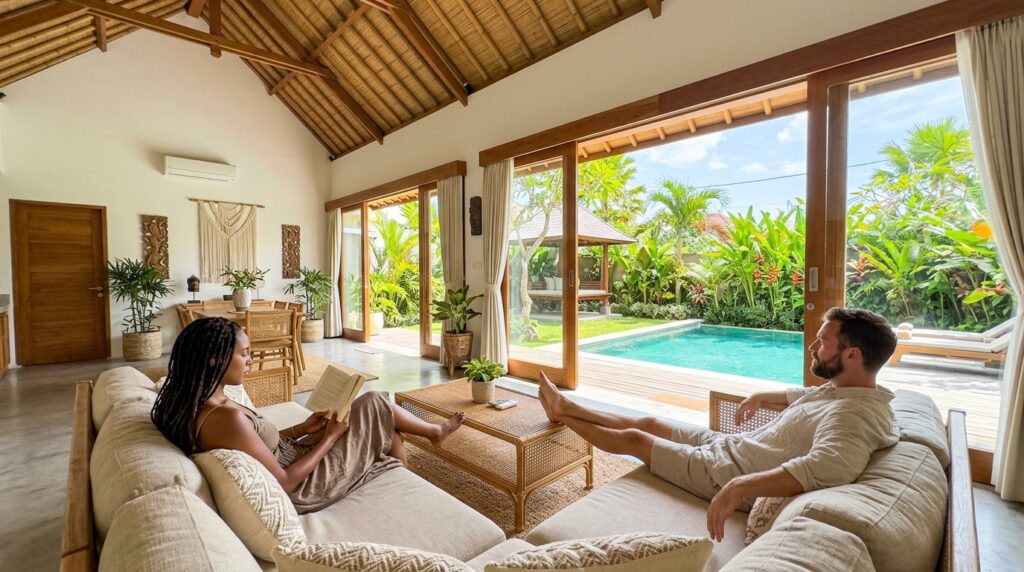
Think of two people who want downtime that isn’t constantly interrupted. A villa often wins here because the privacy is built into the setup, not just “promised” in marketing. You have your own private pool or garden space, so quiet moments and relaxed evenings feel natural instead of awkwardly shared.
That privacy pairs well with flexibility. With a villa, you can follow your own rhythm for meals and rest, and the schedule doesn’t have to revolve around hotel timetables. Hotels can still make sense if you only need one or two nights and you want an easy, standardized base with on-site amenities and a more social atmosphere.
These scenarios are the common “wins,” but the best choice for you depends on what you’ll actually use each day. Next, we’ll talk about how to choose safely, so you avoid surprises.
Families and groups: space plus cost sharing
Coordinating multiple people in a few small rooms can turn a holiday into logistics. Kids get restless, everyone shares the same limited space, and even simple downtime feels complicated when you’re constantly working around shared hotel areas.
In a villa, the cause-and-effect is clearer: more space leads to less stress. Multiple bedrooms and living areas give everyone a place to regroup, and private outdoor time lets kids burn energy without worrying about crowds. When there’s a kitchen, you can also handle snacks or meals at home more easily, so you’re not forced to eat out for every single meal. Plus, for groups splitting the villa cost, the cost-per-person can look more competitive than booking separate hotel rooms, and the reduced dining-out spending adds up. Hotels may still be a better fit for very short stays when on-site services and a standardized setup are all you really need.
Next, let’s look at why couples often feel the biggest difference from a villa’s privacy.
Couples and romance: privacy you can actually use
If you want quiet together time, a villa is usually the easiest win. The mechanism is simple: private pool and garden access lets you create your own bubble. There’s less noise and fewer interruptions because you are not sharing a hallway or communal pool space with other guests.
You feel that difference in the small moments. Maybe you start the day slowly, or you end it with a calm swim and some peace and quiet, then enjoy the night sky without light and crowd distractions. Many villas also make it easier to stay in your preferred rhythm, since personalized staff support and flexibility can let meals happen when you want them, not only when a hotel schedule allows. For couples who want a lively social vibe or only need one or two nights, a hotel can still be a smart choice, but a villa tends to matter most when you’ll actually use the space.
Up next is the part where you choose with confidence, by knowing what to watch for and what to verify before you book.
How to choose without getting burned
A simple decision workflow for Kerobokan
Wondering why you’re stuck between a villa and a hotel despite all the reviews? Start by making your decision process match your trip, not someone else’s.
Step 1, set your group size and purpose, then factor in your trip length. A family trip or group getaway often benefits from space and privacy more than a quick stop.
Step 2, assess your budget using total reality, not just the nightly headline price. Compare per-person cost and think about meal plans, because a villa’s kitchen can change how much you spend on dining out.
Step 3, prioritize what actually matters to you: privacy, space, kitchen access, flexibility, or on-site convenience. If you’ll use the outdoor area and want a flexible rhythm, a villa tends to fit better.
Step 4, check how the Kerobokan location affects your day, especially how calm you want your environment. Then Step 5, if you choose a villa, verify the essentials like WiFi, air conditioning, kitchen readiness, what staff support is included, and the security approach, plus how fast maintenance and management respond.
Questions to ask before you book
Before you commit, ask what’s truly included, like housekeeping and pool or garden support, and whether key services are add-ons such as a chef or driver. This matters because assumptions about “included” often create the biggest disappointment.
Next, ask how issues get handled if something breaks, and whether there’s a quick way to reach management during your stay. You also want to confirm core functionality like kitchen equipment, WiFi, and air conditioning, and understand the practical security measures for the property. Once those basics are clear, you can avoid being misled by common beliefs that steer people toward the wrong option.
With that groundwork, the next section tackles the myths that commonly cause mistakes in the villa-versus-hotel decision.
1. Step-by-step decision for Kerobokan
Still unsure after scrolling listings? Good news, you don’t need to be an expert. Follow a simple workflow that matches your trip to the right setup.
Step 1: define your group size and purpose, then map it to your trip length. If you’re traveling with family or a group, space and privacy usually matter more than for a quick stop.
Step 2: assess budget using the total reality of the stay, not only the nightly headline. Include per-person thinking and how your food plan changes, because a villa kitchen can reduce dining-out frequency.
Step 3: prioritize what you need day to day, like privacy, space, kitchen access, flexibility, or convenience. If you want a flexible rhythm, the villa model often fits better.
Step 4: decide how important the Kerobokan location is to you, weighing quiet versus proximity to where you’ll spend time. Then Step 5: if you pick a villa, verify the essentials like WiFi, air conditioning, kitchen equipment, staff inclusions, security, and how fast help is reachable for maintenance issues.
This workflow makes sense, but you’ll still want exact questions to ask before you book.
Questions to ask before you book
Are you sure the villa works the way the listing says it does? Start by confirming what’s included, like housekeeping and pool or garden support, and what falls outside the package. This one step prevents the classic “we expected that to be included” disappointment.
What exactly is included in your stay?
Ask for clear answers on day-to-day services, such as who cleans, who manages the pool, and how often staff visits. The practical impact is simple: you avoid stress during your trip and you know what your money is paying for.
Which services are add-ons?
Find out whether a private chef, driver, or other help is included or if it’s an extra charge. Knowing the difference helps you plan your budget early instead of guessing after you arrive.
How fast do issues get handled?
Ask who you contact when something goes wrong and what the expected response time looks like. This matters because maintenance responsiveness is part of what makes villa living feel smooth rather than risky.
Does the core setup actually work?
Confirm the essentials like WiFi, air conditioning, and kitchen equipment readiness. If these are unreliable, the villa’s main comfort benefits like flexibility and self-catering won’t feel as good.
What security measures are in place?
Ask how security is handled in practical terms, such as gated access or any on-site protection approach. It’s not about fear, it’s about knowing the reality of your environment.
Is management easy to reach?
You also want an emergency contact and a clear way to reach management quickly during your stay. When communication is straightforward, small problems don’t turn into big headaches.
Even with these questions, a few common beliefs can still steer people toward the wrong choice. Next, we’ll bust those myths.
Common myths to ignore before deciding
Villas always cost more
It’s easy to compare a hotel’s per-room price with a villa’s total nightly rate and assume the villa is automatically overpriced. Hotels sell “by the room,” while villas often cover a whole private property and can include benefits like a kitchen that reduces dining-out frequency.
If you’re traveling as a family or group, splitting the villa cost can make the cost-per-person competitive, and meal savings add up. The mistake is choosing multiple hotel rooms by default and paying more than you need for the same comfort level.
Hotels have better security
Some people assume the presence of a front desk automatically means better safety than a private villa. That feels logical, but security depends on the actual measures used, not the branding of the building.
Reputable villas can include practical security like gated access and other safeguards, and the real key is verifying what’s in place for your specific property. The consequence is skipping a strong villa option without checking its security details.
Hotels are always more convenient
When you’re tired, hotel convenience sounds like an obvious win. Hotels do offer on-site options and a more standardized routine, but villas deliver a different kind of convenience through flexibility and self-sufficiency.
A villa’s full kitchen and personalized service can make daily life easier because you control meal timing and your schedule. If you buy into this myth, you may end up paying for rigid routines when a villa would have felt smoother day to day.
Villas are isolated and lack social interaction
Privacy can make a villa feel “far away,” but privacy is not the same as loneliness. Many villas are still well-positioned for everyday activities, and group stays create their own natural social space.
The mistake is assuming a villa automatically means less connection, so you pick a hotel thinking it will feel more local when it may actually feel more enclosed.
Villas don’t offer the same level of service
Because villas don’t always look like a big hospitality building, some guests expect the service level to be minimal. In reality, many villas provide dedicated staff focused on a smaller number of guests, which can make help feel more attentive and responsive.
When you follow this misconception, you might underestimate what a villa can offer and choose a hotel for “service” that you end up not valuing much.
All villas are the same
The word “villa” can hide a huge range of quality. Two villas can differ drastically in amenities, staffing support, maintenance, and even how well-run the operation is.
If you assume they’re interchangeable, you can book based only on photos or price and end up disappointed. The smarter move is using the workflow and questions you learned, so your decision matches the reality of the specific property.
Next comes the conclusion, where we bring it all together by matching your priorities to the right option and choosing safely.
Villas always cost more
Price comparisons can trick you into thinking villas are always overpriced. Hotels are typically priced per room, while villas are priced for the whole property, so the fair comparison is total reality: per-person cost after splitting, plus how your food plan works. A villa’s full kitchen can reduce dining-out frequency, which changes the real cost of the stay.
For groups, splitting the villa cost can make it competitive with booking multiple hotel rooms, and for longer stays, villa packages often improve value. Follow this “villa costs more” myth and you may overpay or miss a better comfort-value option by defaulting to multiple hotel rooms.
Front desk does not equal safety
The “front desk = safety” assumption is tempting because hotels are staffed and visible. It feels reassuring, especially when you’re tired and you want simple answers.
For villas, the reality is that security depends on the specific property setup. A reputable villa may include practical measures like gated access and possibly CCTV, but you should verify what’s actually in place. If you follow the myth, you may dismiss a good villa without checking security details, or book a poorly vetted property without understanding the real setup.
Hotels are always more convenient
After a long day, you just want meals handled and decisions made for you, so hotels feel easier. They group restaurant options and services on-site and follow timetables, which is convenient when you like a predictable routine.
A villa’s convenience is different. The full kitchen and flexible, personalized support let you eat, rest, and plan your day around your needs instead of fixed hotel schedules. If you buy into this myth, you may keep paying hotel markups and feeling boxed in by rigid routines when a villa would have felt smoother day to day.
Privacy doesn’t automatically mean isolation
Seclusion is one of the big reasons people choose villas, so it’s easy to assume you’ll feel cut off from everything. The misunderstanding is mixing up privacy with isolation. Privacy is about avoiding noise and shared traffic. Isolation is about having no access to everyday life.
In practice, many villas are located near residential neighborhoods, so you can still reach local food spots and everyday shops without feeling like you’re trapped inside a resort bubble. Plus, when you’re staying as a group, social interaction often feels easier because you share living spaces that are all yours. If you cling to this myth, you might pick a hotel expecting “more local life,” but end up with a less immersive living setup.
Next, let’s tackle the service misconception that trips people up when they compare villas to hotels.
Smaller setups still get real service
The misconception is that fewer visible staff means less help. People assume villa stays must be “hands-off” because there isn’t a big front desk to greet you on arrival.
In reality, many villas rely on dedicated staff focused on a single group, such as housekeeping, gardening, and pool support, and sometimes extra help like a private chef or driver. That focused model can feel more attentive and flexible when you have a problem. If you skip that reality, you may pay for hotel convenience you don’t need, and miss the more personalized villa experience.
All villas are the same
“Villa” doesn’t mean the same experience every time. Villas can vary a lot in quality and details that matter in real life, like amenities, staffing levels, maintenance standards, and how the operation is managed.
This myth is tempting because photos can look similar and the word villa gets used for everything from simple setups to more polished, fully serviced stays. If you book based only on photos or price, you can end up disappointed or dealing with avoidable issues. The safer approach is exactly what you practiced earlier: verify the key details like WiFi, air conditioning, kitchen readiness, staff support, security, and legitimacy, then choose based on what you actually need.
Next, we’ll wrap up the decision logic so you can pick the option that fits your priorities and stay plan.
So, is a Kerobokan villa better for you?
Are you the kind of traveler who wants your mornings to feel effortless and your evenings to feel private? Imagine a family renting a villa: kids can spread out in the bedrooms and living areas, snacks and simple meals happen in the kitchen, and everyone gets private outdoor time without crowds or hallway noise. That combination is the real villa advantage, because privacy, space, flexibility, and kitchen control reduce daily stress and keep the trip running on your rhythm.
Now picture a couple planning a quiet getaway. They wake up, take their time, and spend a calm afternoon by the private pool and garden, then enjoy the “peace and quiet” without sharing communal spaces. A hotel can still be great for quick stays or when you want standardized convenience and a more social atmosphere, but the villa tends to shine when you’ll actually use the space every day.
The safest way to decide is to follow the logic you’ve built: define your needs, compare total reality (not just headline price), verify what’s included and how core functionality works, then ignore the myths that lead to wrong assumptions. When your choice matches your trip style, you can relax into your stay and feel confident about what comes next.
If you want help matching your priorities to the right Kerobokan stay, the team at Baliexpertvillas.com is ready to guide you through the details so you can book with confidence