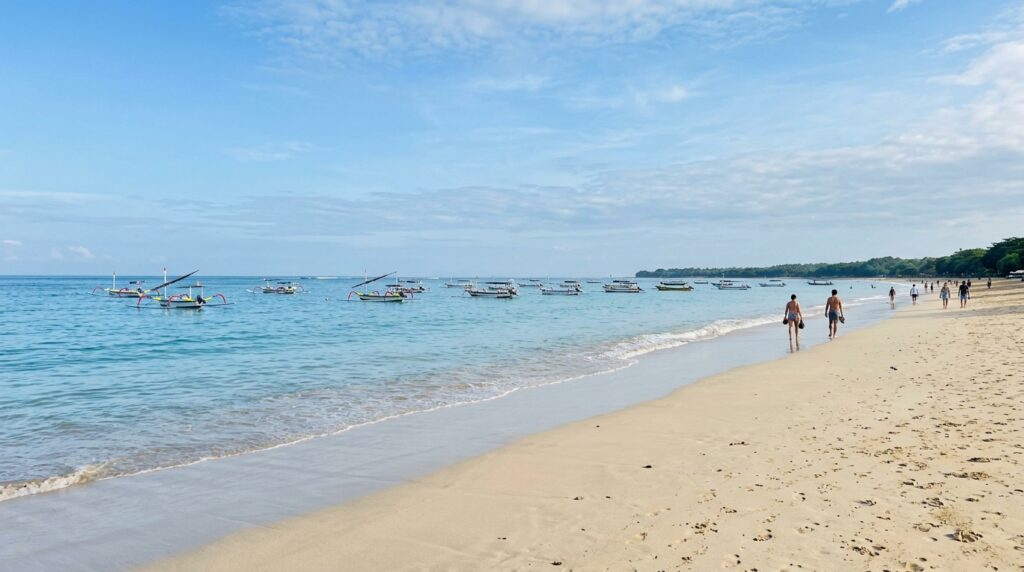
Picture this: you are seated near Jimbaran Bay as the sun dips toward the horizon, and you are halfway through choosing your seafood dinner location. The only thing you are really wondering is whether the weather will cooperate and whether the beach will still feel calm at that hour.
That is why the best time to visit Jimbaran is not one single “magic month.” It depends on your priorities, because the experience changes with the seasons. If your top goal is beach reliability, calmer swimming, and easy outdoor plans, the dry season is the straightforward pick, running from April to October, with the strongest stretch usually May to September[1][2][3]. For many travelers, June to September is the sweet spot for sunsets and outdoor sunset dining, including those famous beachfront seafood evenings[1][2].
If you care more about a quieter atmosphere and better value than perfectly sunny skies, consider the wet, greener season from November to March. It is typically calmer, and the rain often shows up as short, intense showers rather than nonstop all-day storms, so you can still enjoy plenty of time outdoors when the breaks appear[1][3]. Just be aware that peak periods tend to bring more people and higher prices, even when the weather is at its best.
For a balance, many people land on the shoulder months of April to May and September to October, when conditions are usually pleasant without the full peak crowd pressure[1][6]. Next, we will zoom in on what specifically makes Jimbaran’s weather and crowd rhythm feel different, so you can choose your dates with confidence.
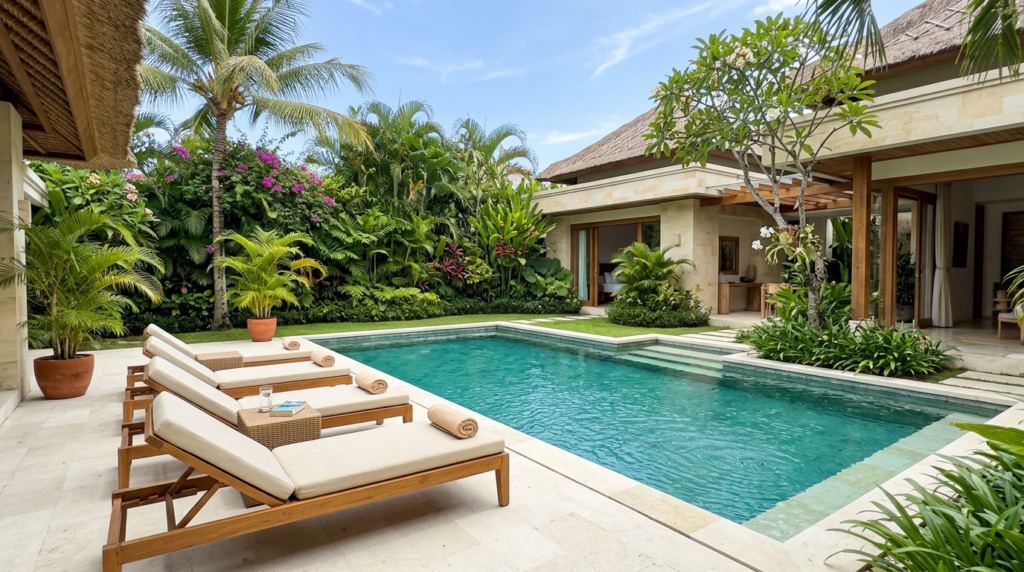
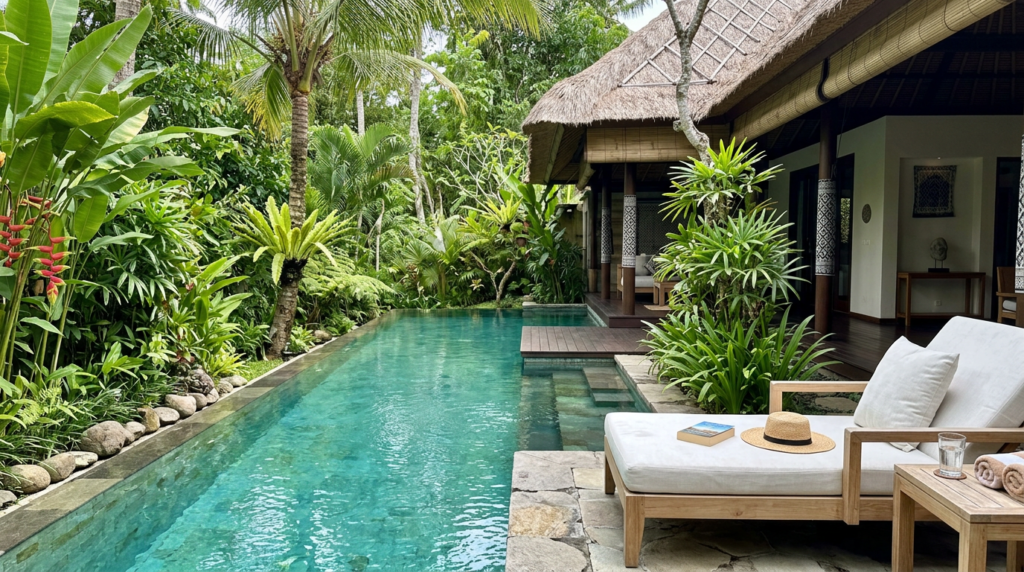
If you want your plan to match the season from day one, explore reliable options and then tailor your dates around what matters most for your Jimbaran trip at Jimbaran stays in Baliexpertvillas.com
What makes Jimbaran’s timing so different
Jimbaran’s calm, and why timing matters
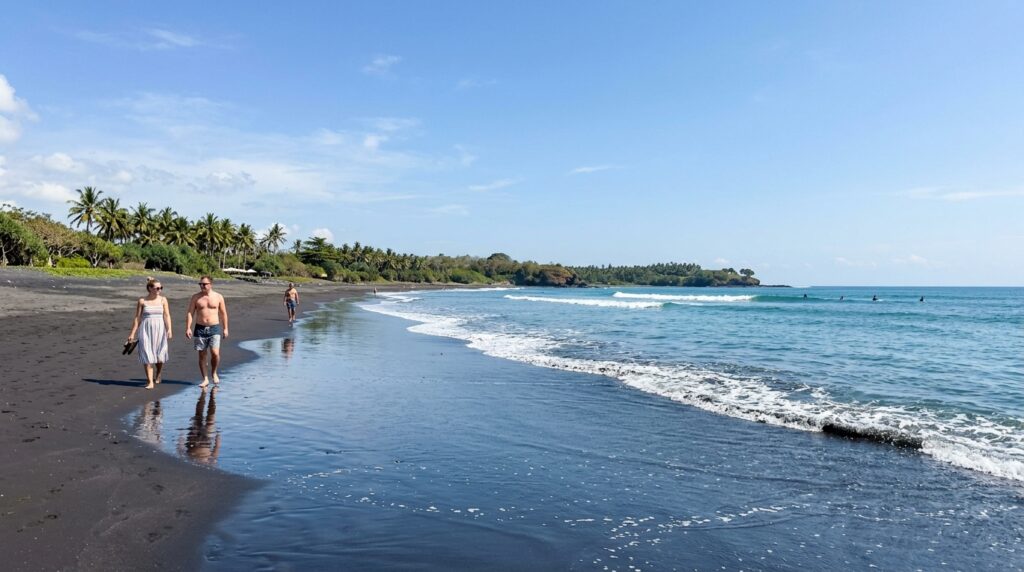
Jimbaran is built for slow beach days, not rushed sightseeing. When you picture the classic scene, you are usually thinking of a calm, sheltered crescent bay, a working fishing-village vibe, and those beachfront seafood dinners at sunset[2][8]. Timing determines whether that “calm” feels effortless for swimming and beach walks, or whether you spend the day waiting for conditions to improve.
It also shapes how good the evening feels. If the sky is clear and the beach air is comfortable, sunset dining lands the way it looks in your head. If not, you can still enjoy Jimbaran, but you will likely shift plans toward indoor relaxation and flexible evenings.
Dry season vs wet season: the real driver
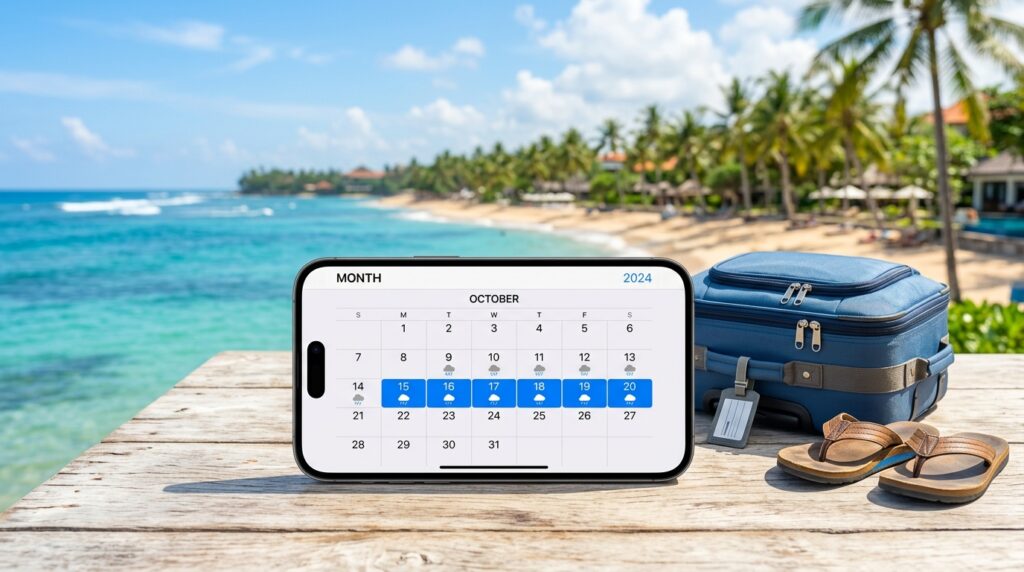
The seasonal pattern is the main mechanism behind the experience: dry season runs April to October, while the wet or “green” season runs November to March[1][3]. Dry months typically bring sunnier, more stable conditions and lower humidity, which makes outdoor time feel easy and predictable[1]. Wet months tend to bring more frequent, short intense showers along with higher humidity and a greener, calmer atmosphere[1][3].
Because Jimbaran is a coastal area with a sheltered bay, this timing affects day-to-day comfort more than it affects “nightlife.” In other words, you are choosing the rhythm of your beach and evenings.
With that in mind, the next step is turning it into a clear, felt experience, so you know what to expect from dry vs wet months before you commit to your dates.
Dry season vs wet season: what you actually feel
During dry season from April to October, the days are usually sunnier and steadier[1][3]. Rain stays minimal, humidity feels lower, and the coast often comes with a breezy comfort, especially around August[1][5].
In wet or green season from November to March, expect more frequent showers, and they tend to be short but intense[1][3]. Humidity is higher, the scenery looks lush, and the overall mood is quieter, with calmer downtime between downpours.
Once you know the feel of each season, choosing your dates gets much easier, and the beach days become the plan, not the gamble.
When to go for perfect beach days
Planning beach time usually starts with one frustration: you want calm water and easy outdoor hours, not constant second-guessing. If that is your main goal, your default move is to target the dry season for Jimbaran, from April to October[1][3].
Best for sunsets and dining
For the Jimbaran moments you came for, the strongest window is May to September[1][2][3]. During these months, the outdoor parts of your day feel more dependable, from beach walks to swimming in the bay, and then into the evening when sunset plans come into focus.
Within that stretch, June to September is especially loved for sunsets and outdoor sunset dining[1][2]. Clearer, more stable conditions make it easier to enjoy that classic beachfront seafood dinner vibe without your day needing to shift around the weather.
Peak vs shoulder tradeoff
Now for the reality check: the best weather often overlaps with the busiest demand. Peak dry-season periods like July to August and December to January tend to mean more visitors and higher costs, so the atmosphere is less relaxed even if the beach conditions are excellent[1][4].
Shoulder months, like April to May and September to October, usually deliver a nicer balance[1][6]. You still get excellent conditions, but with fewer people around, which makes the whole trip feel smoother.
Beach reliability is only half the story. If you want to optimize for atmosphere and ease, the next step is thinking about fewer crowds and better value.
Which months are best for sunsets and dining
Imagine booking a beach seafood dinner where the main highlight is the sunset, then realizing your evening plans depend on the sky staying clear.
That is why the dry season is the easiest bet, especially June to September[1][2]. Conditions are usually steadier, so your outdoor timing feels smoother, from walking along the bay to settling in for that lantern-lit beachfront meal.
If you want excellent evenings without the full peak feel, shoulder months like April to May and September to October can still treat you well, just with fewer people around[1][6].
But if you go in the months with the best weather, there is often a tradeoff. Next, let’s talk about what you give up in peak periods.
Peak vs shoulder: the trade you’re making
Peak months usually give you great weather, but they also bring the biggest crowd and the least relaxed vibe. Think of it like paying for front-row seats to the same sunset view, but sharing it with more people.
Pros of peak
In July to August and December to January, you are in the heart of the dry-season pattern. Outdoor time tends to feel dependable, and your beach and sunset plans are easier to commit to without constant schedule changes[1][4].
Cons of peak
Those same months attract more visitors, which usually means higher costs and busier beachfront areas. Even if conditions are excellent, the atmosphere can feel less calm than you expected.
Pros of shoulder
Shoulder months like April to May and September to October often deliver the best balance. You still get strong dry-season style conditions, but with calmer pacing and better overall value, with only a small reduction in certainty compared with mid-dry-season peaks[1][6]. If you want the quietest feel and better value, wet-season timing can be a smart alternative next.
When to go for fewer crowds and value
Rainy season means ruined beach time
Most people assume the “rainy season” makes outdoor plans impossible. That sounds scary, especially when you booked for the beach, but the day-to-day reality is usually different.
In wet or green season from November to March, showers typically show up as short and intense bursts, often leaving plenty of time for you to enjoy the coast between them[1][3]. So you’re not stuck indoors all day.
Wet months are only about getting lucky
If you choose November to March for your dates, you are also choosing a calmer, greener Jimbaran. Crowds tend to be lower, and the slower pace feels more like a true coastal escape[1][3].
In practice, that means you can trade a bit of certainty about clear skies for better value and a quieter atmosphere. When showers hit, you simply shift your timing for the rest of the day, then return to the beach when conditions ease.
Use the showers to shape a better day
Go in with flexibility, not a rigid schedule. Build your plan around rain windows, keep a relaxed indoor option ready, and treat the outdoor time as something that comes in breaks, not something you force all day.
Once you know how to handle that rhythm, the next question becomes what to do in the moment when the sky changes, so you still enjoy Jimbaran.
How to enjoy Jimbaran during the rainy months
- ✅ Use flexible scheduling so outdoor time happens in gaps, not on a timer
- ✅ Keep indoor or wellness options ready for when showers arrive
- ✅ Treat rain as a “slow down cue” and shift to calmer activities
- ✅ Plan evenings with flexibility so you can adjust dinner timing easily
- ✅ Expect higher humidity and choose light comfort plus light rain protection
If you go in with a plan that bends, Jimbaran still feels peaceful, even when the sky changes. The goal is not to fight the weather, but to let it set the pace for the day.
Once you get comfortable with that rhythm, planning becomes easier, and you can focus on the version of Jimbaran you actually want.
If you are aiming for a quieter stay that still fits rainy-month timing, browse Baliexpertvillas.com villa options for your season and match your dates to your ideal pace.
How to plan your trip around weather
1. Start with your priorities
What do you want most from Jimbaran: calm swimming, easy beach walks, perfect sunset dining, or a quieter, better-value stay. Pick the priority first, because that decides whether you lean toward dry months or the wet/green season.
Once you know your focus, the rest of the planning becomes simpler. Your itinerary can match the rhythm you actually want to live.
2. Match your dates to the season
Use the season windows as your guide. Dry season runs April to October, with the strongest stretch usually May to September[1][2][3]. Wet or green season runs November to March, when showers can be more frequent but often short and intense[1][3].
This is where you turn “best time” into something practical. Your plans should fit the kind of weather that is most likely during your dates.
3. Build in flexibility for real days
Instead of scheduling every hour, plan around windows. In the wet season, you can treat outdoor time as something you do between showers, then reset indoors when rain hits.
This same idea helps even in dry months. It reduces stress when weather shifts unexpectedly.
4. Book with crowd patterns in mind
Peak months tend to bring more visitors and higher costs, even when conditions are excellent. If you want a calmer atmosphere and easier availability, shoulder months like April to May and September to October are often a smart middle ground[1][6].
For quieter, greener value, consider November to March. Just remember you are trading constant clear skies for a more relaxed pace and better deals[1][3].
A quick day rhythm to expect
In dry season, mornings and afternoons usually feel easy for beach time, then evenings naturally become your sunset seafood dinner plan. During wet/green season, the day often runs on “outdoor breaks” and “indoor resets,” with spa time and relaxed downtime filling the gaps.
Either way, Jimbaran stays calm, and the timing affects your comfort more than it affects your ability to enjoy evenings.
Now that you know how to plan, the next thing that can quietly ruin the experience is choosing dates the wrong way, even when you pick the right season.
A simple day-by-day rhythm to aim for
Picture a dry season day: you start with beach time, taking easy walks or going for a calm swim, because the weather is usually sunny and the bay feels inviting[2][8]. When the evening comes, your plans naturally shift toward sunset and that lantern-lit beachfront seafood dinner.
Now switch to wet or green season: mornings can still be bright, but showers often arrive in short, intense bursts[1][3]. Outdoor time becomes something you do in between, while spa and indoor relaxation fill the gaps, and evenings feel calmer because you can stay flexible.
No matter the season, the thread is the same. You get to enjoy Jimbaran’s laid-back pace through both mornings and evenings.
Even with the right rhythm in mind, a few date-selection mistakes can still derail the experience, so let’s fix those next.
What to avoid when choosing your dates
Rainy season means ruined beach time
Many travelers fear November to March will lock them indoors. That expectation comes from the label, not the typical day.
In Jimbaran, showers are often short and intense, so you can enjoy beach time between bursts[1][3]. The real mistake is planning with zero flexibility, not the rain itself.
Peak season is the only good time
It is tempting to assume the best weather equals the best trip, every time. Peak dry-season months like July to August and December to January do tend to bring great conditions[1][4].
However, peak periods also bring more visitors and higher costs, which can make the experience feel less calm. Shoulder months like April to May and September to October often deliver a better balance[1][6].
You want nightlife, so pick Jimbaran
If you are picturing a party town, you may be disappointed. Jimbaran is known for a calmer pace and beachfront evenings, not a club-and-street nightlife scene.
Choosing Jimbaran for nightlife means you will spend the trip searching for energy that just is not the area’s focus.
All of Jimbaran is great for surfing
Some people expect serious surf right where they swim. In Jimbaran Bay, the waves are generally gentler, which suits relaxed swimming and beginner-friendly experiences[2].
If you want more consistent surf, you need to plan for nearby surf spots instead. Otherwise, the “best time” won’t fix the mismatch in expectations.
Jimbaran is the same as other busy areas
Many visitors compare Jimbaran directly to places like Kuta or Seminyak and assume the vibe will match. Jimbaran’s charm is different: it stays quieter and more village-like, with the signature sunset seafood dinner as a highlight[2][8].
When you choose it like a clone of another area, you miss what makes it special and feel like the trip was “wrong.”
You need Ubud to get real local culture
It is a common assumption that authentic culture only shows up in Ubud. Jimbaran still has local rhythm you can see, especially through the working fishing village feel and places tied to daily coastal life[2][8].
If you only plan “big cultural stops,” you might overlook the smaller, more genuine experiences right where you are staying.
You ignore crowd effects in wet months
Wet-season travel is often picked for value and calm, but people sometimes expect it to be uniformly quiet. The atmosphere can still shift with demand and travel patterns.
The fix is simple: plan for fewer crowds as a trend, not as a guarantee. Then you will adjust timing for meals and activities when needed.
Packing for constant rain
Overpacking heavy rain gear is a common comfort-killer because it makes you feel stuck and hot when showers only come in short bursts. If you are going to the wet or green season, keep your kit light and focused on light rain protection instead.
That way, you can stay mobile and enjoy the day between showers rather than treating every change in weather like a disaster.
Expecting serious surf in the bay
Another easy mistake is assuming Jimbaran Bay is where you will get the best waves. In reality, the bay is typically calmer, so it is better suited for relaxed swimming and beginner-friendly conditions[2][8].
If you want more consistent surf, plan for nearby surf spots and avoid disappointment by matching the expectation to the water you will actually find.
Booking peak dates blindly
Going in peak dry-season months without thinking about crowd impact can quietly drain the trip. Peak periods like July to August and December to January often mean more visitors and higher costs, even when the weather is excellent[1][4].
Choose those dates only if you are okay trading calm for convenience and availability.
Skipping flexible planning
Trying to follow the same rigid daily plan in every weather scenario is what creates the most stress. During wetter months, you need flexibility so you can do outdoor time in gaps and shift indoors when showers arrive.
Once your schedule can bend, Jimbaran stays enjoyable instead of feeling like a series of interruptions.
Pick your month based on what you want most
“The perfect trip is not about finding the one month with the best weather. It is about matching your dates to the experience you want.”
If you want beach days and sunset plans to feel reliable, aim for May to September[1][2][3]. For a smoother balance with fewer crowds, look at April to May or September to October[1][6]. When you want quieter, greener value and can welcome short intense showers, November to March is the season to consider[1][3].
Once you choose your priorities, planning gets easier because you are making decisions with the season’s rhythm in mind. Let your month fit your style, and the rest of the trip will naturally fall into place.
If you want help turning your ideal month into a smooth plan, Baliexpertvillas.com can support you with guidance that fits your travel style. Baliexpertvillas.com