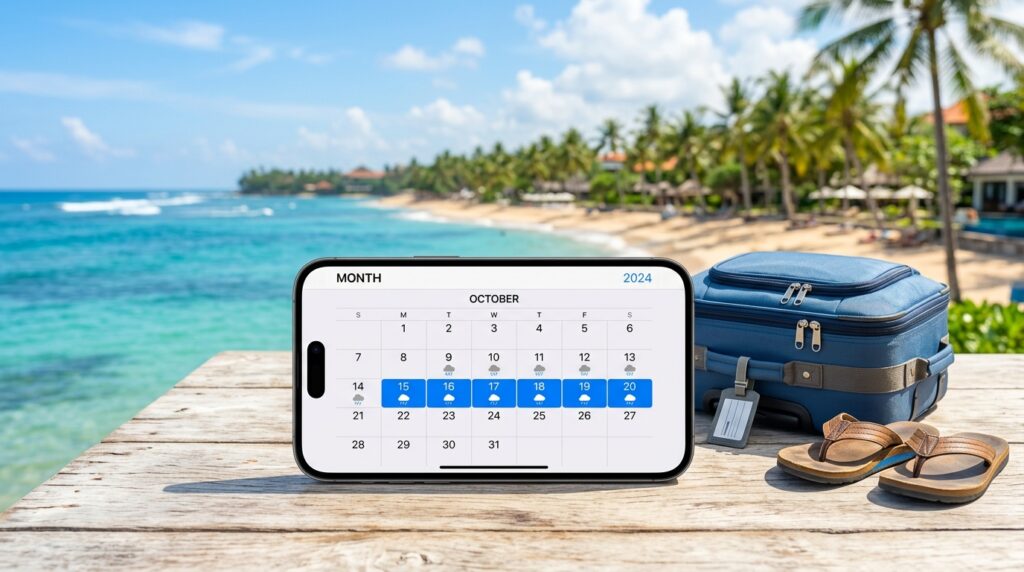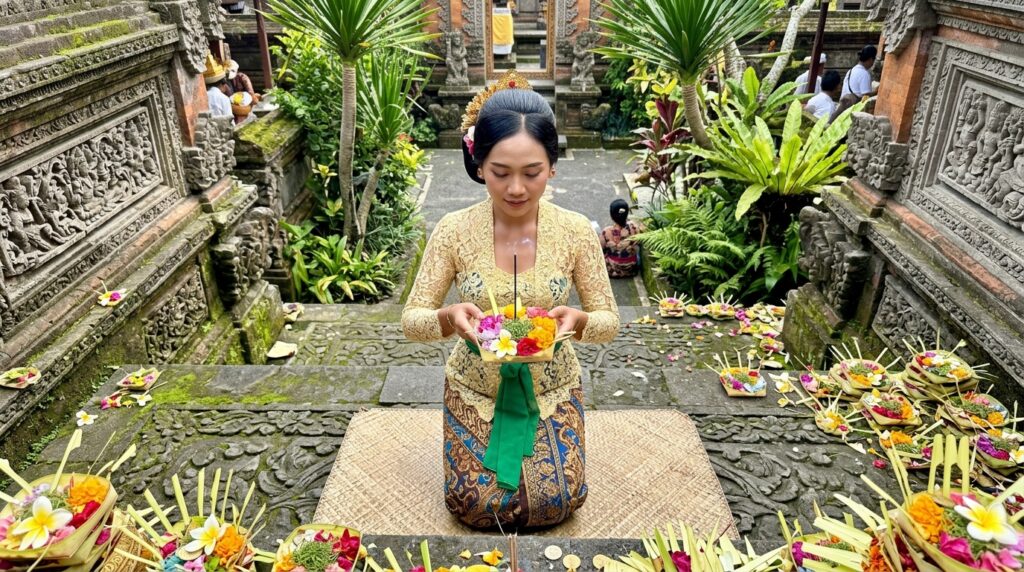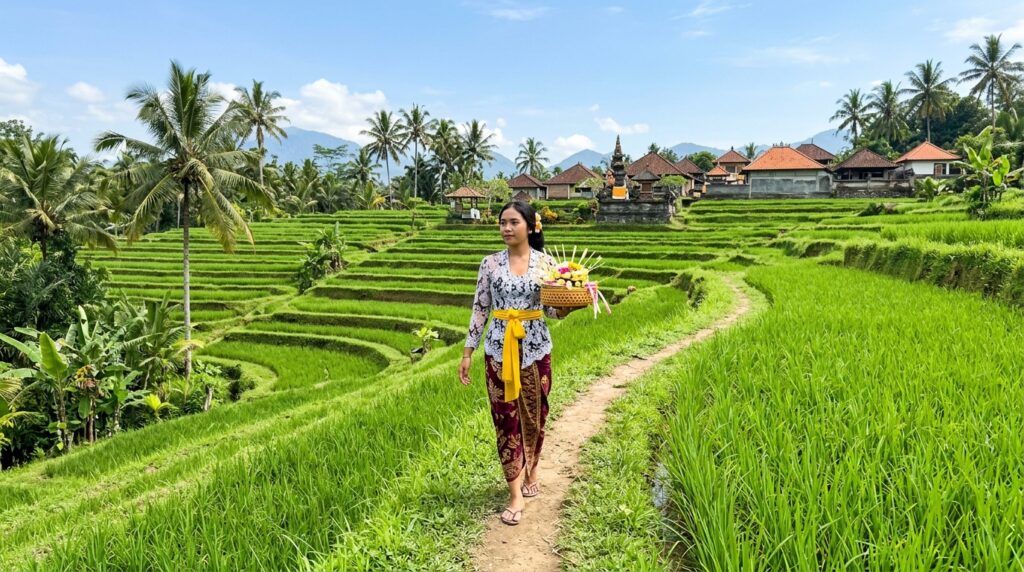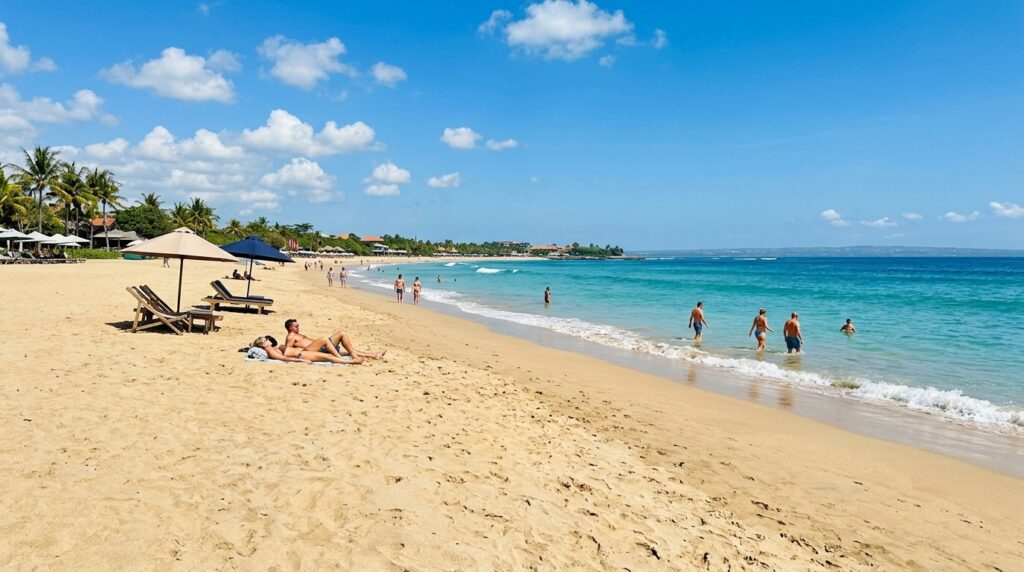

Imagine you’ve booked your flight to Bali, you’re staring at your itinerary, and you keep thinking, “Is this the wrong month?” That exact uncertainty is what most travelers really mean when they ask for the best time to visit Kerobokan. It’s not only about weather. It’s about keeping your trip comfortable, avoiding the worst crowd surges, and making the logistics feel easier instead of stressful.
Kerobokan follows the same big rhythm as the rest of Bali, with a dry and a wet season. Since the temperatures stay warm year-round, the biggest difference you’ll feel usually comes from rain and humidity, not from getting “cold” in the way people expect from other destinations.
In the dry season, conditions generally feel easiest for getting out and doing things. Outdoors runs smoother, and plans like sightseeing and beach time feel more reliable. The trade-off is that this is also when demand tends to climb, which means you should expect busier places and higher prices in the peak parts of the season.
The wet season is where things flip. You’ll typically pay less and meet fewer tourists, but you also deal with more humidity and heavier showers. The useful nuance is that “rainy season” doesn’t mean constant all-day washouts. Instead, it’s often about intense bursts of rain with breaks in between, so the day can still work with the right mindset and flexibility.
Then there are the shoulder months, which many travelers end up loving because they blend the advantages. Shoulder periods like April-May and September-October are often the sweet spot when you want decent weather without the full peak-season squeeze.
If you want quick orientation for choosing your window: July-August is the peak crowd period, and the late-December into early-January stretch is also busy. On the other end, February and March are typically the cheapest months, but higher rain risk tends to occur during this period.
Once you understand this Kerobokan season pattern, the rest gets simpler. Next, you’ll translate those months into what they mean day-to-day in Kerobokan, so you can pick the dates that match your priorities.
Want help choosing the best month for your stay plan in Kerobokan? Explore options and availability with Kerobokan villa ideas and map your dates.
Dry season: when the days feel easiest
If you hate planning around rain, this is the season that usually makes Kerobokan feel most relaxed. The dry season generally runs from April through October, with warm weather and fewer interruptions from heavy showers.
In Kerobokan, that usually translates to smoother days for getting out and doing things. You can spend more time outdoors, and your schedule is less likely to fall apart when you wake up and want to follow your plans.
Wet season: cheaper, greener, and more humid
When your budget matters more than perfect weather, the wet season can be a smart trade. It generally runs from November through March, bringing more humidity and heavier tropical bursts of rain rather than constant all-day downpours.
Day-to-day, you’ll likely notice fewer tourists and a more laid-back pace in the places you’d normally share with crowds. The trade-off is that you may need more flexibility, because showers can still be intense even if they do not last the entire day.
Shoulder months: the balance many travelers want
Shoulder months are the “best of both worlds” option for people who want good conditions without the full peak-season pressure. These are typically April-May and September-October.
For a Kerobokan trip, this is often where comfort meets value. You tend to get a better rhythm for planning outdoor time, while also avoiding some of the busiest, most expensive weeks.
Now that you know the season types and the month ranges, the next step is deciding where Kerobokan sits on the crowd and price calendar. Next, let’s look at when it gets busiest and priciest.
Peak season months to plan around
In peak travel windows, you’re not just dealing with more people, you’re paying for it too. For Kerobokan, that high-demand season centers on July and August, when accommodation and travel costs tend to rise and the area can feel much busier.
The other crowd magnet is the late-December period, starting in the third week of December and continuing into early January. Expect packed popular spots and more road congestion when you’re moving between Kerobokan and the surrounding South Bali areas.
Why December and January can be tricky
December and January can feel like a double challenge, because two things peak at once: visitor volume and rainfall intensity. December-February tends to be the most challenging rainy stretch, with December, January, and February as the toughest rainy months.
Even when it’s raining more, the end-of-year holidays still boost visitor numbers, so you can get crowds plus tougher weather in the same time window. Once you understand this crowd-and-weather overlap, you can choose dates that fit your comfort level instead of getting surprised.
With crowd and cost timing in mind, matching your priorities gets easier next, especially if you care about comfort, budget, or heat.
Comfort-first pick: April to June or September
Choose the comfort-first window if you want fewer interruptions without paying peak-season prices. April, May, June, and September tend to be the best months to travel, with the added logic that these fall just before and after the holiday-heavy periods.
In Kerobokan, that usually means you can plan more consistently outdoors, because these months have a less chance of rain. The trade-off is simple: you still live in a popular part of Bali, so you should expect normal levels of crowds, just not the intense peak you get in July and August.
Budget and crowds: February and March
If you want to stretch your budget, February and March are the best bet. These months tend to be the cheapest time to visit, mainly because demand drops and you’re likely to find better deals on stays and travel.
The downside is the weather risk. February and March sit in the wet season range, so there’s a higher chance of rain. It’s not only about rain in general, but about building your days with flexibility in mind rather than locking everything to outdoor plans.
Hottest time window and how to handle it
For sun lovers, the hottest stretch is May, June, and July. During this period, an average temperature of about 28°C/82°F tends to occur, with daytime air temperatures that can reach up to 35°C/95°F.
That heat is very manageable if you plan your pacing: use sun protection and avoid stacking too many outdoor hours into the hottest part of the day. The trade-off is you may feel more urgency to schedule activities around morning and late afternoon, especially if you’re also navigating traffic between Kerobokan and nearby areas.
So what does that look like on your actual itinerary? Next, you’ll see how these month choices change your day-to-day experience, especially outdoors, for water activities, and when you’re on the road.
How timing affects your day-to-day in Kerobokan
Outdoor plans and rain risk
Picture this: you’ve planned temple hopping and a beach stop, and you’re trying to keep everything smooth from morning to sunset. If you travel in April, May, June, or September, these months have a less chance of rain, so your outdoor plans tend to stay intact more often.
Now switch to the wet season mindset. During November through March, you may still have workable days, but the rhythm changes, because rainfall can interrupt schedules. It tends to be heavy tropical bursts rather than constant all-day rain, which means you just need a little buffer to pivot.
Traffic and the Kerobokan corridor
Next comes the other kind of timing problem. On peak and holiday-heavy dates, moving through the Kerobokan-connected areas can feel slower because congestion builds when visitor numbers surge.
Even in lower-pressure periods, traffic is not uniform. Congestion is specifically noted around Kuta, Legian, Seminyak, Kerobokan, Canggu, Denpasar, and Sanur, and it shows up at certain hours in certain areas. If you don’t adjust your expectations, you can end up frustrated, especially if you assume “low season” always means zero stress.
That’s why the next step is fixing a few common planning mistakes people make when they choose months.
Avoid these common timing mistakes
Mistaking rainy season for nonstop rain
Thinking Bali’s rainy season means it rains all day, every day, is a trap. It feels logical, because the word “rainy” sounds like nonstop washouts.
In reality, it tends to be heavy tropical showers with sun in between. The mistake is skipping the wet months entirely, so you miss lower prices and fewer crowds that can make the trip feel easier.
Assuming dry season always means crowds
“Dry season equals chaos” is another assumption that sounds safe, but it overgeneralizes. Yes, July-August are busy, and that’s when crowds and pricing rise.
Still, drier months like April, May, June, and September tend to be strong travel windows, especially because they have a less chance of rain. If you only plan around crowds, you may end up paying more than you need in July-August dry season. Now you just need a simple rule to decide
Pick your best time with a simple decision rule
Step 1: choose the priority you’ll optimize
What matters most for your Kerobokan trip, comfort or budget or weather tolerance? Start by picking one priority, because your answer points to a different month window.
If you want balance, aim for April-May or September-October. For the lowest prices, go for February and March, but accept a higher chance of rain. If crowds and cost are okay, then July-August or late December through early January fits the peak demand months.
Step 2: book for the demand you’re walking into
Once you know your month, match your planning effort to the demand level. Peak periods tend to be more expensive and leave less flexibility, so booking earlier helps you lock in what you want.
Shoulder and lower-demand months can be better value, but you still should plan ahead for popular villas. Also, check short-term forecasts if you’re traveling in shoulder or rainy months, since the “best” season can still come with occasional shower changes.
In the next part, you’ll see how those choices look in real month-picking options, all in one place.
Planning for peak weeks can feel tight, so it helps to start early. If you want a smoother booking process, check out villas in Kerobokan for your dates and align your stay with the season you picked.
Final takeaway for your Kerobokan dates
Best balance: shoulder months
“The best time to visit Kerobokan” usually means choosing months that feel good enough for plans outside, without peak-season pressure. For that sweet spot, April, May, June, and September tend to be the strongest balance (with October also before the wetter stretch).
Trade-off is simple: you still get some crowds, but you’re less likely to run into the most intense weeks. Handle it by planning your days normally, without needing a full rainy-season contingency.
Best savings: February to March
If you’re chasing the lowest costs, February and March tend to be the cheapest time to visit. The upside is better value, because demand drops compared to peak windows.
The trade-off is higher rain risk in these wet-season months. Handle it by keeping some flexibility so a shower doesn’t derail your whole itinerary.
If you go peak: plan for crowds and traffic
Peak months are where the atmosphere gets lively, but it also gets pricier. July and August and the late December through early January period tend to be peak demand, and December-January-February is also the toughest rainy stretch.
Expect more crowds and more road congestion when you travel then. Handle it by booking earlier and building extra time between Kerobokan and nearby areas. If you want help matching your dates to the right stay options, Baliexpertvillas.com team is ready to help you plan with confidence.
With these three paths in mind, you can finalize your dates with confidence and look forward to a trip that actually fits your priorities.
Ready to book your Kerobokan villa? Visit Baliexpertvillas.com for the best options.