
Imagine you are already in Bali, and your schedule is packed with the usual big names. One evening, you hear someone say Tabanan is “the quieter side” of the island. You picture a quick detour, grab a few photos, and move on. The twist is that Tabanan is exactly the kind of place where a quick stop feels like you barely scratched the surface.
When people ask how many days they should spend in Tabanan, the real answer comes down to what you want to experience, not how many attractions you can list. If you want the full atmosphere, you typically need more than a day because the best parts are spread out and meant to be enjoyed slowly. In most cases, 2 to 3 days works well for the main highlights, while longer stays suit a calmer, deeper immersion.
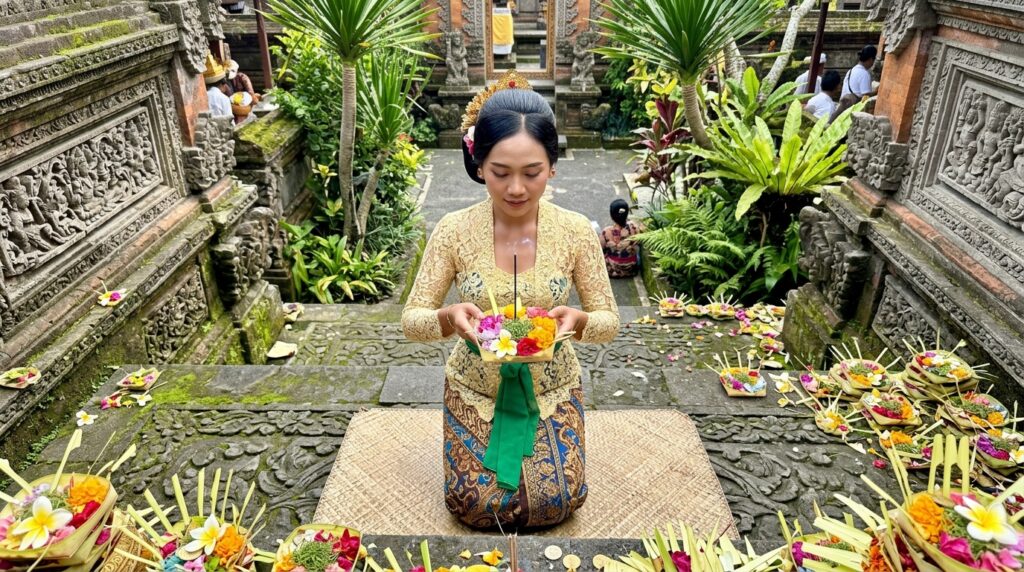
So what is actually waiting for you in Tabanan? Think rice and agriculture, with expansive rice landscapes that invite you to pause and look longer than you planned. Add temples that are living places of worship, not just photo backdrops. Then mix in a quieter rural vibe and simple everyday moments, like local markets and small warung-style meals, plus nature stops that feel more “walk into the greenery” than “stand in a line.”
That mix matters for pacing. Because Tabanan is more inland and more rural, travel time and timing of the day can shape your itinerary more than you might expect. Sunset-driven spots and morning experiences can steer your schedule naturally, so having enough time reduces stress and makes your days feel smoother instead of rushed.
In the next section, we will break down what a Tabanan trip typically includes and what those experiences demand from your schedule, so you can choose the right number of days with confidence.
If you want Tabanan to feel effortless, let the right plan guide you- start by reviewing your travel priorities with help from Baliexpertvillas.com.
What does a Tabanan trip really include?
Rice landscapes, temples, and rural life
If you feel like you need “more days” but you are not sure why, it is usually because Tabanan days are built around experiences, not quick stops. The *rice bowl* identity shows up in big-picture landscapes, especially the Jatiluwih rice terraces, where you tend to spend more time walking, looking, and soaking in the view. You are not just driving past something pretty.
Temples add another layer of timing. Tanah Lot is famous for dramatic sunset views, while Batukaru is described as calmer and less visited, which changes the mood of your visit and how you plan your day. Add simple rural life moments like local markets and warung-style meals, and suddenly your schedule needs room for breaks, quiet observation, and slower pacing.
Distance and timing surprises that shape pacing
Another reason people underestimate the days is the geography. Tabanan stretches across inland and coastal areas, so even when two places seem close on a map, travel can feel longer once roads wind and your day includes nature stops. This matters because terraces, temples, and waterfalls all have a “best time” feeling, and you cannot enjoy them well if you are constantly rushing between locations.
In practice, morning experiences like markets and terraces naturally pull you earlier, while sunset-led attractions like Tanah Lot pull you later. Then you still need time for the everyday realities: moving between spots, adjusting the plan if the pace feels too fast, and leaving enough buffer so the day does not feel like a checklist. Once you understand these time demands, picking the right number of days becomes much easier.
Rice terraces, temple visits, and rural life
Tabanan days are built around three core experiences: rice terraces, temples, and everyday rural life. When you plan around these, the schedule makes sense. You are not trying to squeeze in random stops. You are actually living the rhythm of the region.
Start with the rice terrace experience. Jatiluwih is a strong anchor because the views feel wide and the landscape invites slower walking, pausing, and observing how the irrigation landscape fits together. The time demand comes from the feeling that you want to look longer, not just snap a picture and move on.
Next come the temple visits, which are active worship experiences. Tanah Lot tends to be planned for sunset, so it shapes your timing in a very obvious way. Batukaru, by contrast, is described as calmer and more reflective, so your attention often shifts from “what time is it?” to “how quiet can I be here?” That difference affects both pacing and how present you feel during the visit.
Finally, rural life adds the texture that makes extra days worth it. Markets and warung-style meals bring you into day-to-day Bali, and they naturally create breaks in your itinerary. Once those moments are part of the plan, you realize the schedule is not only about attractions, it is also about giving yourself time between them.
Why distance and timing can surprise you
Most people assume that if two places look close, the travel will feel quick. In Tabanan, that assumption can fail because rural roads wind through inland terrain, and getting from one highlight to the next often takes longer than you expect. When your day is built on “short hops,” those extra minutes turn into real fatigue, and your plans start to feel cramped.
Timing surprises work the same way. Morning experiences like markets naturally encourage an early start, while sunset-led locations like Tanah Lot pull you later in the day. If you treat both like “any time” attractions, you will either miss the calm moments or rush through them. Once you match your pacing to the rhythm of mornings and sunsets, the right number of days starts to feel obvious.
How many days should you plan for?
The 2-day plan for key highlights
Are you trying to fit Tabanan into a tight itinerary without losing the main moments? A 2-day plan is best when your focus is on the biggest anchors, like Tanah Lot’s sunset vibe and Jatiluwih’s rice terraces. It works well if you are comfortable moving pretty steadily from one highlight to the next.
What usually gets cut in a 2-day trip is the slow stuff. You may still add one small extra, but there is less room for long walks, quiet temple time, or spontaneous detours. If travel time and timing realities already worry you, this is where the trip can start to feel compressed.
The 3-day plan for a calmer pace
Want Tabanan to feel more relaxed than rushed? A 3-day plan gives you breathing room and makes the schedule feel more human. You can keep the core highlights and still add something meaningful like Batukaru, or another nature-focused stop, without feeling like you are always running to the next place.
This extra day helps your pacing in two ways. Morning experiences, like local markets, become easier to enjoy properly, and sunset-led locations do not swallow your whole day. The result is a calmer rhythm that supports slow travel, not just sightseeing.
When 4+ days makes sense
Should you extend your stay beyond the standard range? 4+ days is for travelers who want deeper immersion, not just more places checked off. This is where you can repeat local meals, spend more quiet time in calmer temples, and take nature breaks without treating them like interruptions.
It also suits slower, retreat-style pacing, where the goal is to feel the place more than to “finish” it. You still need a few priorities, but you gain flexibility to swap plans based on energy and timing, which makes Tabanan feel rewarding instead of exhausting. With that foundation set, the next step is learning how to sequence days so everything flows smoothly.
The 2-day plan for key highlights
In a typical 2-day plan, you are trying to fit the biggest moments in without building too much buffer time. Most of the focus lands on Tanah Lot and Jatiluwih, two anchors that shape the feel of the trip. Tanah Lot is all about the sunset moment, while Jatiluwih keeps you busy with wide terrace views and longer looking time.
Here is what “enough time” means in practice: you get to enjoy the main scenery and the temple atmosphere, but you should expect to move on fairly quickly. A day trip can cover one or two major stops, but if you pack multiple big sites back-to-back, the day can turn into a sprint instead of a calm experience. If you want the trip to feel less compressed, the next tier usually hits the sweet spot.
The 3-day plan for a calmer pace
Feeling rushed is the most common reason people leave Tabanan with mixed feelings. With only a couple of days, you can end up treating rice terraces, temples, and nature stops like quick checkpoints. Three days fixes that by giving you more recovery time between drives and a better chance to enjoy morning and evening moments without constantly watching the clock.
That extra day also makes room for one meaningful “bonus” experience, such as Batukaru or another nature stop like a waterfall, hot springs, or a black sand beach. When that calmer rhythm is in place, markets and warung-style meals fit naturally, and quieter temple time becomes easier to protect from the pressure of squeezing everything in.
Longer stays work best when someone wants deeper immersion rather than more checkboxes, and that mindset sets you up for the next option.
When 4+ days makes sense
4+ days are not for more attractions, they are for a different travel style. This is where yoga-retreat-style pacing fits best, with deeper rural immersion, repeated local meals, and enough flexibility to swap plans when the weather or your energy changes.
Extra days also reduce fatigue from transportation and make it easier to discover less-known spots through local knowledge, instead of only following the loudest, most obvious stops. If you have ever wished you could linger longer at a quiet temple or take a second round through a market, this is the stay that makes that possible.
How to build an itinerary that flows
1. Pick your approach and set the pace
Picture this: you have one day that feels “perfect on paper,” but the second half collapses because the plan does not match how you like to travel. Decide early whether you will use a private driver for flexibility, join an organized tour for less decision-making, or build an interest-based mini plan you control yourself.
Your approach sets the rhythm for every following day. If you want slow travel, flexibility matters more than packing extra stops.
2. Group coastal sunsets and inland mornings
Once your style is clear, sort your ideas by timing, not just by location. Sunset-led spots like Tanah Lot naturally land later, while morning experiences like markets and terrace viewing pull you earlier.
This is the simple grouping rule that prevents half-days from feeling wasted. A good day often has a clear “start time” and a clear “ending moment.”
3. Add buffers between big stops
Travel time in Tabanan can be longer than you expect, especially with winding roads and terrain. Terraces and temples also take attention, not just a quick photo, so back-to-back big stops can drain the day fast.
Try spacing major activities with lighter blocks like a local meal, a short walk, or a market pause. That buffer keeps the plan realistic instead of exhausting.
4. Leave room for rest and unplanned moments
Keep at least some breathing room, because the best parts of Tabanan often show up between the planned stops. Quiet temple time, relaxed warung breaks, and small local interactions tend to feel better when you are not rushing to the next item.
When you choose enough days and build in space, the itinerary flows. Now it is time to look at what can go wrong when that balance is missing, and how to avoid it.
1. Choose your planning style first
“A good plan is the one that matches your way of traveling.”
Start by picking how you want to get around Tabanan. If you like flexibility, hire a private driver and build a self-guided route. If you prefer fewer decisions, an organized tour can group things for you. For convenience, resort-based excursions can also work, especially if you want a simple plan with handoffs handled.
That choice affects how many days feel “necessary” because rural travel is not always predictable. With flexibility, you can adjust when timing shifts. With fixed schedules, your days can feel tight faster, which is why the same highlights can feel more demanding depending on your style.
2. Match coastal and inland timing
Rushing is easy when you do not respect the timing differences. Start coastal with the sunset energy, like Tanah Lot, then plan inland daytime options for earlier hours, such as rice terraces and temples.
Use mornings for opportunities like markets or early terrace viewing, then let your day build toward the late moment. This sequencing prevents that “we lost half the day” feeling and sets you up for a smoother pace.
3. Build time buffers for real pace
Thinking you can “just fit it in” is where plans break. Roads can take longer than expected, and terrace walking plus temple etiquette takes real time, so you need buffer to avoid fatigue.
Between big stops, schedule one lighter block like food, market time, or a rest break. That spacing keeps your day from turning into a rushed blur.
4. Leave room for the unplanned moments
Extra downtime is not wasted time in Tabanan. It is what creates memorable moments, like quiet observation and the kind of local interactions that happen when you are not rushing from one “must-see” to the next.
With the right number of days, you are not just adding attractions. You are adding breathing space, so the trip feels more like slow travel and less like constant movement. That is when you end up enjoying the place, not just passing through it.
Now that you know how to keep the itinerary comfortable, it is time to make sure you also avoid the common planning traps that cause stress in the first place.
What should you watch out for?
One day is enough, but you do not realize it yet
You might plan a “quick see” trip, but one day usually turns into rushing. That often means you miss the calm moments and only pass through the experiences that take time to enjoy.
Tabanan is just like the beach areas
Here is the trap: assuming Tabanan is beach-first like other parts of Bali. The real pull is rice landscapes, temples, markets, and nature stops, so the number of days must reflect those time demands.
Getting around is easy everywhere
That assumption sounds harmless, but rural transport plans can waste time. Limited public options mean your schedule depends heavily on timing and travel realities, so you need extra room to avoid a stressful day.
UNESCO means the same experience for everyone
UNESCO does not mean identical vibes. Some sites feel more expansive or less crowded than others, which changes how long you can comfortably enjoy them and how much buffer you need.
One day is enough to “see it”
That one-day plan sounds efficient, but it usually turns into rushing, which means you miss morning and evening timing and end up with a shallow experience. With 2 to 3 days, you get the buffer to enjoy the main views and temple atmosphere without constantly moving on.
“Tabanan is just beaches”
Most people picture beach time, but in Tabanan the real value comes from rice landscapes, temples, markets, and rural nature. That mix takes more time than beach hopping, so it is one reason you may underestimate how many days you truly need.
Transport is easy everywhere in Bali
Think public transport or ride-sharing will carry you smoothly in rural Tabanan, but the reality is different. Public options are limited, so relying on them can waste time and quickly erase the benefits of extra days, making the itinerary feel tighter than you planned.
UNESCO doesn’t mean identical vibes
UNESCO does not guarantee the same experience. Some rice terraces feel less crowded and more expansive than others, which changes how long you will want to stay. Plan your days for the atmosphere you want, so you enjoy places like Jatiluwih instead of just passing through.
How to travel better in Tabanan
Adequate vs doing it well
Doing it well means you look past photos and understand what you are seeing, like the rice landscape and temple atmosphere. That extra attention makes each stop feel richer, not just longer.
With more “meaning” time, your days feel justified even if you visit fewer places.
Timing like a local vs rushing
Rushing tries to squeeze everything into one rhythm. Timing like a local means using morning and calmer moments to enjoy terraces and quieter temples without constant speed.
Plan for better timing by choosing enough days to match the pace you want.
Checklist travel vs slow travel
A checklist day is always moving, so unplanned moments get skipped. Slow travel keeps room for quiet observation, local meals, and flexible detours that make Tabanan feel alive.
That is why the right day count matters, not just the attraction list.
Adequate checklist travel vs well-paced travel
Quote yourself: “Look longer, not faster.” Adequate travel snaps photos and moves on, while well-paced travel pays attention to Subak and the temple atmosphere. With extra days, you can focus on meaning and enjoy fewer stops more deeply.
Strategic timing beats pure hustle
When you rush through popular spots, you lose the whole point. Off-peak or earlier timing feels better because places are calmer, so terrace viewing and temple atmosphere are easier to enjoy. Plan your day length to start earlier and end with your sunset moment, so you can actually use that timing.
Slow travel vs checklist days
Checklist travel feels efficient, but it usually skips the unplanned time that makes Tabanan memorable. Slow travel is calmer and more flexible, letting you enjoy quiet observation, local meals, and small detours.
That only works when you chose enough days for it, so your pace can actually support the experience and not feel like another rushed itinerary.
Choose days that match your pace
Pros of 2–3 focused days
If you mostly want the headline experiences, 2–3 days gives you enough time for major highlights without overpacking. The caveat is that you must accept less buffer for slow mornings, quiet temple time, and extra nature stops.
Pros of longer stays
For 4+ days, the payoff is immersion and flexibility. You can repeat local meals, linger longer in calmer temples, and explore at a pace that feels like slow travel, not movement. The trade-off is you still need priorities, or too many “maybe” plans can make days feel scattered.
Planning reminders that keep it smooth
Pick what you truly want most, usually rice landscapes, temples, nature, and markets, then match your day count to that focus. Use realistic pacing and be honest about transport approach, especially since rural logistics can make travel time matter more than you think. When those pieces line up, your trip feels rewarding from start to finish.
With the right balance, Tabanan becomes something you feel, not just something you pass through.
Pros of 2–3 focused days
2–3 days is long enough to hit the main highlights like Tanah Lot and Jatiluwih without feeling like you are sprinting. You also keep pacing manageable, so temple atmosphere and terrace views have space to land.
The watch-out is simple: less buffer means fewer chances for extra nature stops or deeper rural immersion, so plan for what matters most.
Pros of longer, slower stays
Extra days make slow travel feel effortless. You can repeat local meals, linger in quiet temples, and build in nature time without constantly rushing between stops. The main con is that you still need a few priorities, or you might drift into too many “maybe” plans.
Final checks before you go
Before you lock in your days, make sure your priorities are clear (rice landscapes, temples, nature, markets), your pacing matches real travel time, and your transportation plan fits rural reality, whether that means driver flexibility or scooter caution with experience. When you match your itinerary to how Tabanan actually feels, the calmer pace becomes the best part, and your trip will end on a confident note.
If you want a smoother Tabanan plan from day count to on-the-ground timing, explore options with Baliexpertvillas.com and keep your trip aligned with your pace.
Final checks before you go
Before you lock in your days, make sure your priorities are clear (rice landscapes, temples, nature, markets), your pacing matches real travel time, and your transportation plan fits rural reality, whether that means driver flexibility or scooter caution with experience. When you match your itinerary to how Tabanan actually feels, the calmer pace becomes the best part, and your trip will end on a confident note.
Final checks before you go
Pros of 2–3 focused days
2–3 days is long enough to hit the main highlights like Tanah Lot and Jatiluwih without feeling like you are sprinting. You also keep pacing manageable, so temple atmosphere and terrace views have space to land.
The watch-out is simple: less buffer means fewer chances for extra nature stops or deeper rural immersion, so plan for what matters most.
Pros of longer, slower stays
Extra days make slow travel feel effortless. You can repeat local meals, linger in quiet temples, and build in nature time without constantly rushing between stops. The main con is that you still need a few priorities, or you might drift into too many “maybe” plans.
Final checks before you go
Before you lock in your days, make sure your priorities are clear (rice landscapes, temples, nature, markets), your pacing matches real travel time, and your transportation plan fits rural reality, whether that means driver flexibility or scooter caution with experience. When you match your itinerary to how Tabanan actually feels, the calmer pace becomes the best part, and your trip will end on a confident note.
Tim Baliexpertvillas.com siap membantu Anda menyusun strategi yang tepat – hubungi kami untuk konsultasi gratis.