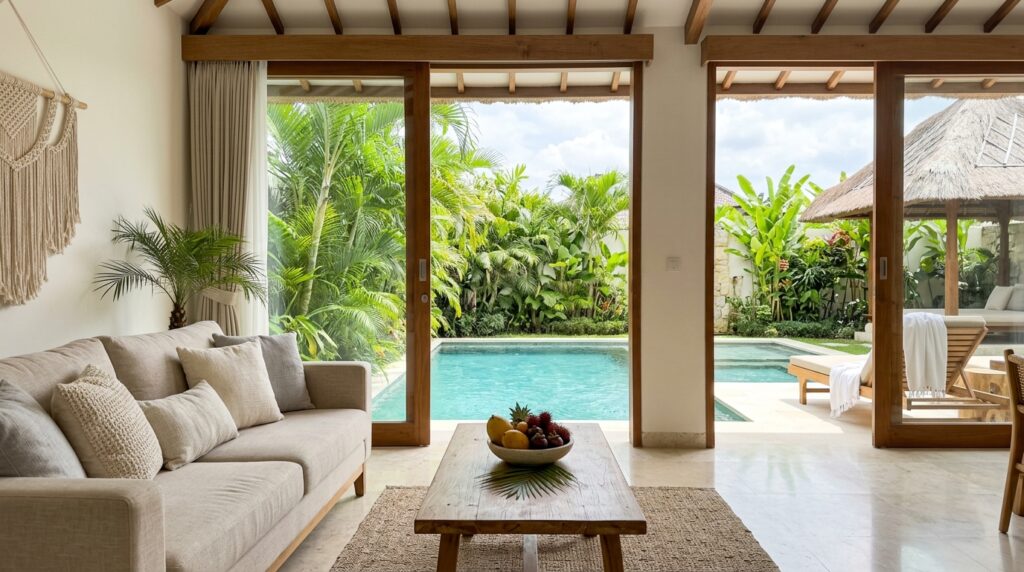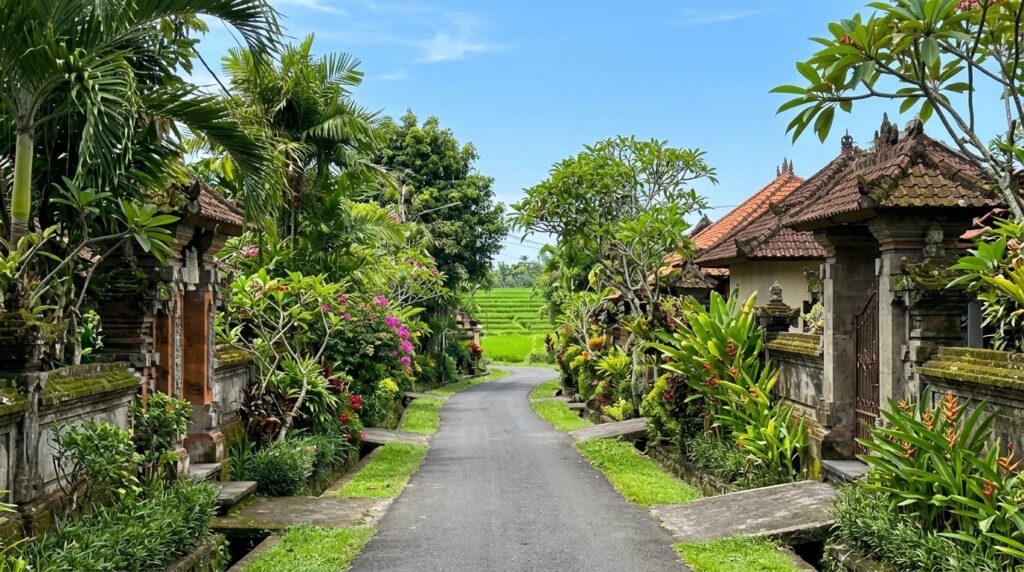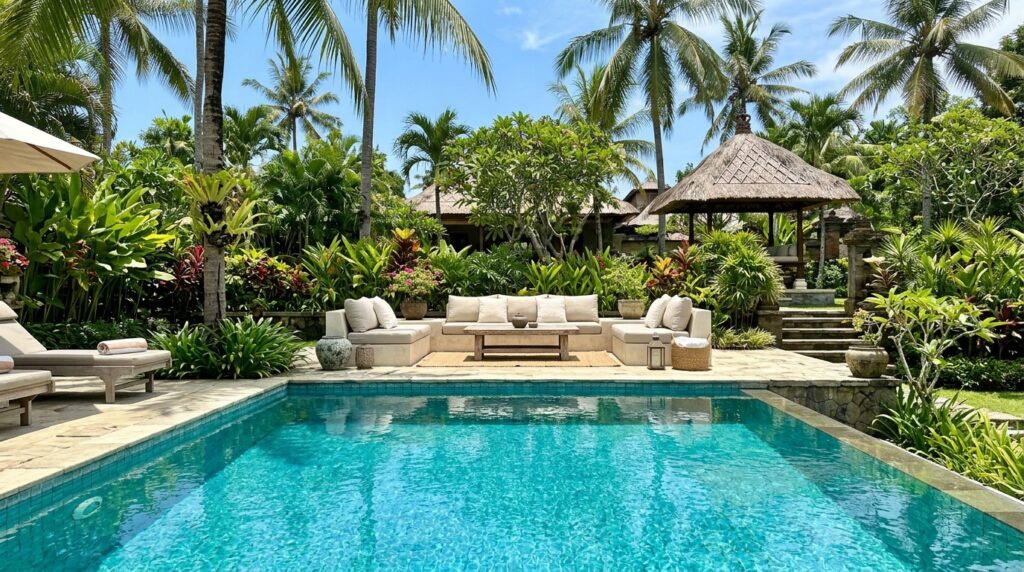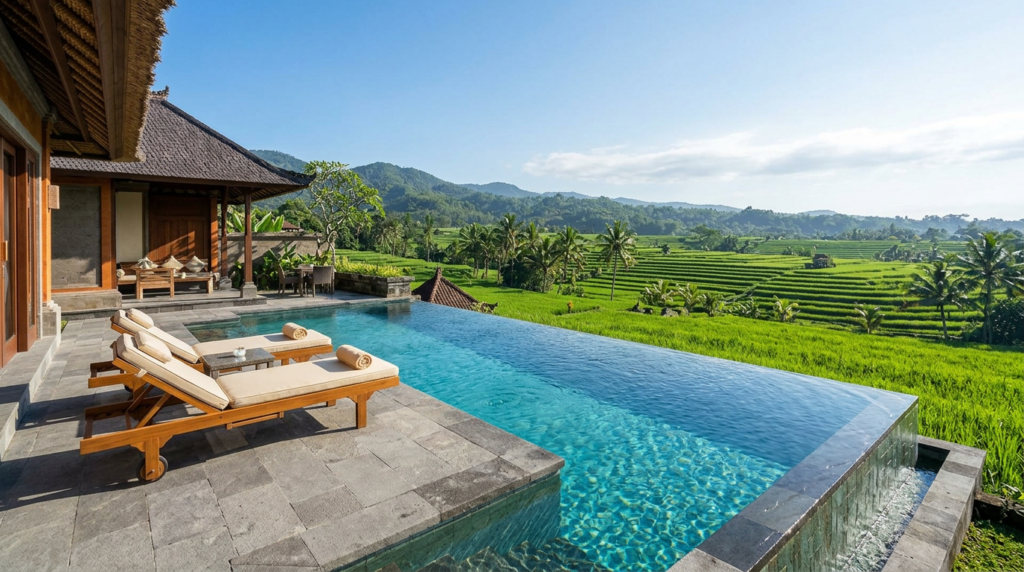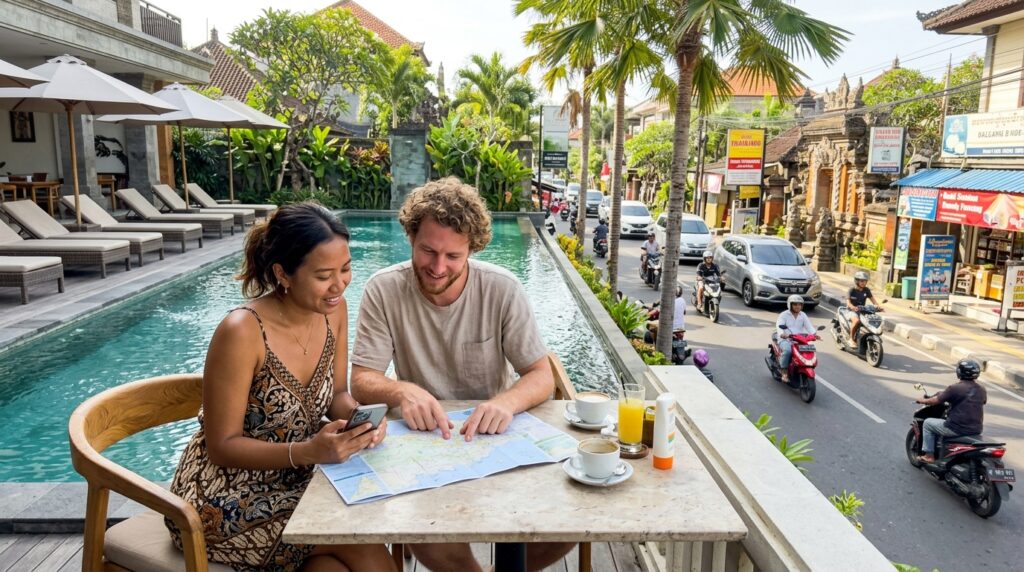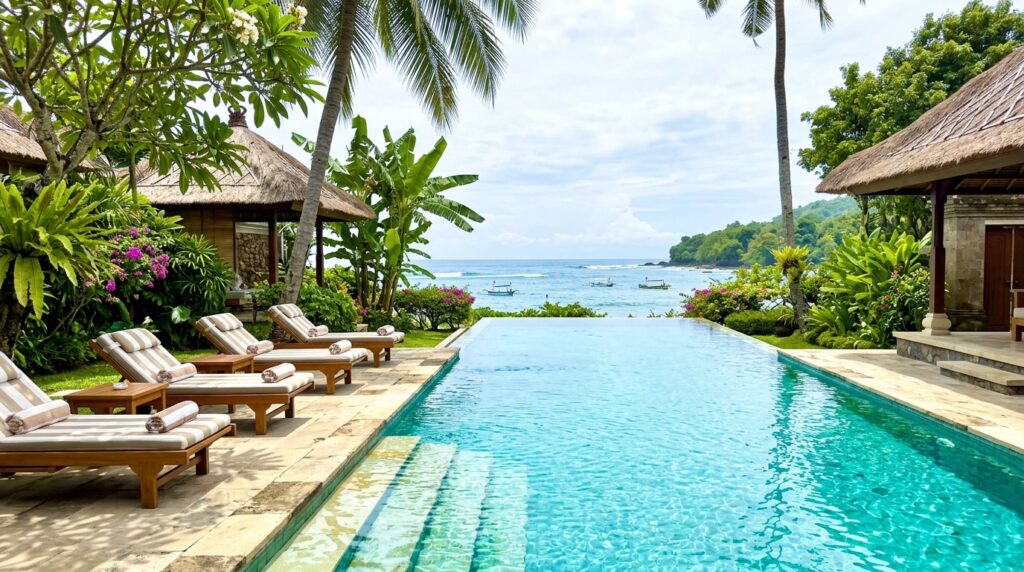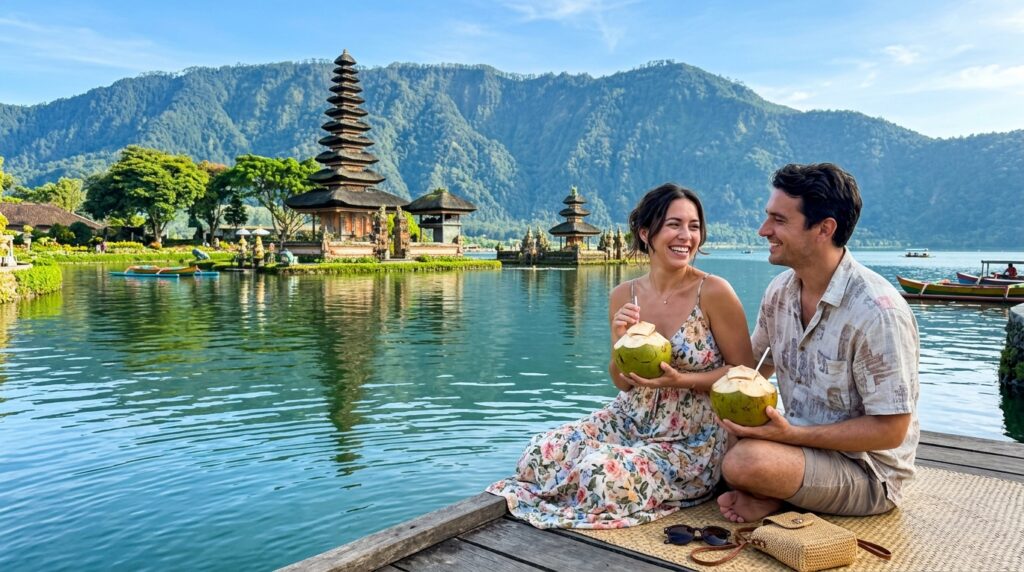
Imagine you land in Sanur and immediately feel it. The pace is gentler, the mood is calmer, and the whole place seems to invite you to slow down instead of sprint from one spot to the next. Then the obvious question pops up in your head: how many days should you actually spend here to feel the difference, not just tick a few highlights.
Here’s the good news. Sanur rewards time and rhythm. The “right” number of days depends on what you want most, whether that’s catching the sunrise and strolling the beachfront path, soaking in local culture through markets, or leaning fully into relaxation with calm-water activities and spa time. If you’re planning island day trips, especially toward the Nusa Islands, you’ll also want extra days so those excursions feel smooth instead of rushed.
In the next sections, you’ll first get a clear picture of what Sanur feels like day-to-day, then a practical breakdown of how different stay lengths fit different travel styles. After that, we’ll also cover the common planning mistakes that make people disappointed, so you can choose a duration that matches your expectations. Picture mornings by the ocean, afternoons that feel easy, and evenings with local food, and you’ll be able to choose your pace with confidence.
Want a simple way to turn this into a plan for your stay in Sanur, from timing to lodging? Explore options and details on Sanur stays at Baliexpertvillas.com.
What Sanur Feels Like on the Ground
Sanur’s calm coastal identity
Sanur is built for a slower, more relaxed kind of day. Unlike the busier Bali areas, the town feels calmer and easier on your senses, so your itinerary naturally stretches out instead of feeling rushed. That calmer vibe comes through in everything, from the way people start early to how the evening moves at a gentler speed.
Reef-protected waters make “easy water” possible
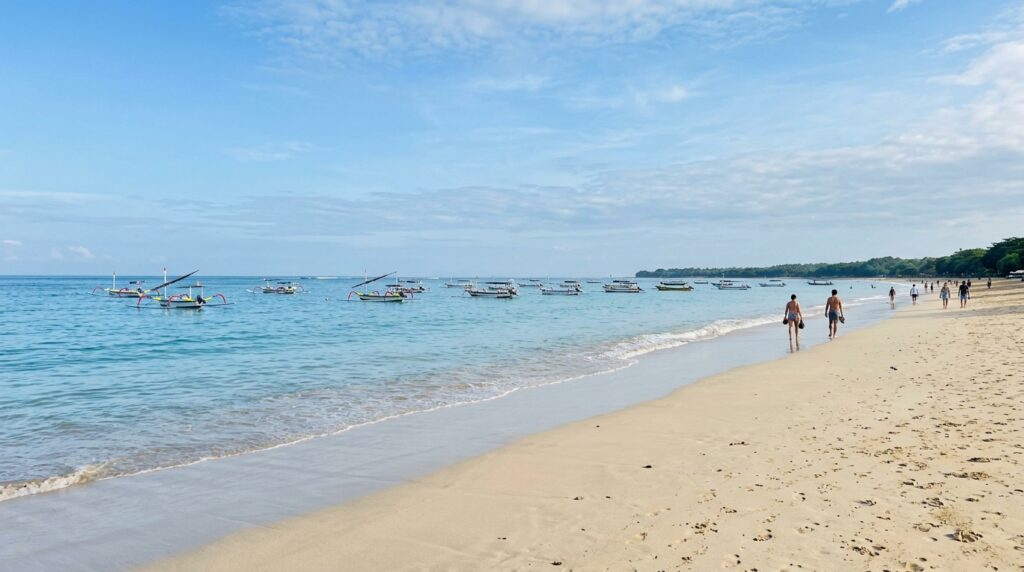
Sanur’s beaches sit behind natural reef protection, which means the water tends to be calm and shallow. That translates to more comfortable swimming and beginner-friendly low-key water activities like SUP and kayaking, without the stress of big waves. If you’re choosing how many days to stay, this is the kind of feature that makes repeat beach time feel worthwhile.
The 7 km beachfront path changes your pacing
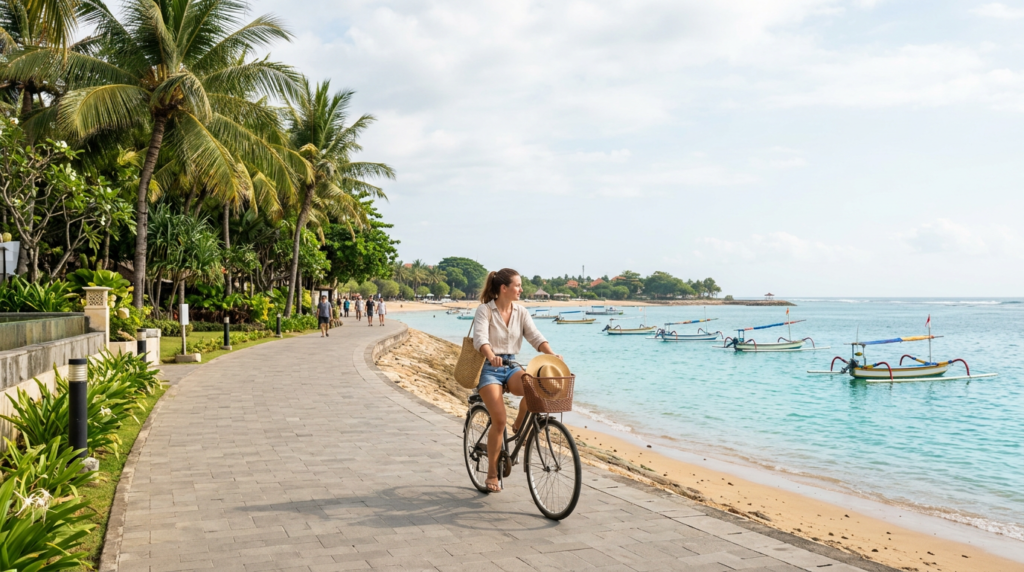
The beachfront path runs for about 7 km and it’s paved, flat, and made for walking, jogging, or cycling. Instead of “doing attractions,” you can spend hours just moving slowly along the coast, stopping for coffee or taking in smaller beach spots. More days here means you’re not squeezing the path into one tired hour.
Sunrise is a real routine, not just a photo moment
Morning is the soul of Sanur, especially around sunrise beaches like Pantai Karang and Pantai Matahari Terbit. Traditional jukung fishing boats and even simple routines like tai chi near the water make the morning feel alive. When you stay longer, you can catch that rhythm more than once, at a pace that feels natural instead of rushed.
Markets create a simple daily rhythm
Pasar Sindhu is most active in the morning, and it later transforms into the Sindhu Night Market at night. That means you get a familiar “local hub” feeling twice a day, which makes planning easier and keeps evenings interesting without needing a packed schedule. This repeated routine is one reason longer stays feel satisfying.
Sanur as a base-camp for Nusa trips
Sanur also works as a departure base, especially for trips toward the Nusa Islands. If you want island day trips, those extra hours and travel logistics matter, and more days reduce the sense of repetition. In other words, staying longer often lets you alternate between relaxed beach time and a change of scenery.
Once you know what Sanur offers day-to-day, you can judge the time you need to fit in the highlights without forcing your trip into a checklist.
Sunrise at Pantai Karang or Pantai Matahari Terbit
If you’re tired of trips that feel like photos only, start with sunrise. Around 5:30 AM, beaches like Pantai Karang and Pantai Matahari Terbit give you that calm start, often with traditional jukung boats drifting by. Even if you can do it once, staying longer lets you catch the vibe more than one day.
Walking, jogging, or cycling the beachfront path
Sanur makes it easy to spend time outside without a strict agenda. The paved beachfront route stretches about 7 km, so you can walk, jog, or rent a bicycle and move at your own pace. More days means you can repeat favorite sections without feeling like you wasted time.
Pasar Sindhu morning for local flavor
Morning has its own rhythm in Sanur, and Pasar Sindhu is the anchor. It’s most active from 6 AM to 9 AM, when you can browse fresh produce, spices, and local snacks in a very real, everyday way. If you only have one day, this can be a single highlight, but multiple days make it easier to slow down and soak it in.
Sindhu Night Market for an easy evening plan
When the day cools off, your plans get simpler. The same spot that feels lively in the morning turns into the Sindhu Night Market at night, with affordable street food that keeps evenings lively. If you stay longer, you can treat dinner as a routine without it getting repetitive.
Easy water time with SUP or kayaking
Sanur’s reef-protected calm waters make beginner-friendly water activities actually relaxing. You can try SUP or kayaking without the pressure that comes with big waves. This kind of “do it again” activity is exactly why more days can feel better, not longer.
Massage and spa time for true recovery
One of the best uses of extra days is rest that feels intentional. A massage or spa session fits naturally into afternoons and evenings, helping you recharge without needing to chase another location. With more time, wellness becomes part of the rhythm instead of an afterthought.
Cultural depth with Le Mayeur Museum and Pura Blanjong
If you want Sanur to feel more meaningful than just beaches, add culture. Stops like the Le Mayeur Museum and Pura Blanjong Temple bring a slower, thoughtful pace that complements the rest of the town. These are great for stretches longer than a one-day visit, when you can actually give them space.
Once you know what you’ll likely do here, the next question is why the number of days matters more in Sanur than it does elsewhere, and that’s where the planning logic gets interesting.
Sanur isn’t a checklist kind of place, it’s a rhythm place. Think of it like a slow café stay. You sit down, the morning moves gently around you, and you end up enjoying the time itself, not just the “main dish.” In Sanur, sunrise at calm coastal spots and everyday moments near the water create that same rhythm.
When you rush, you lose the whole point. Trying to squeeze everything in can make it feel like you were “busy,” but not really present. The calm reef-protected water and the morning routines are there to invite lingering, so skipping that pace usually leads to a trip that feels less like you got Sanur and more like you got through it.
The sweet spot is about balance. Too few days makes the experience feel superficial, because you only touch the surface of the beachfront routine, markets, and relaxation time. Stay longer, and you can add variety, like culture stops or Nusa island day trips, so your days feel fresh instead of repeating the same beach loop. Next, we’ll get practical and map your number of days to the kind of trip you want.
If you want your schedule to feel effortless instead of improvised, you can start by matching your stay length to the right accommodation setup through Baliexpertvillas.com planning support.
How Many Days Fit Your Travel Style?
1 day for the essentials
Over a short stay, you can still get the core feeling of Sanur, but it will be tight. Think sunrise on the east coast, a relaxed loop along the beachfront path, and at least one market experience. You’ll also fit in something gentle like a massage or calm-water time, but deeper layers like full culture stops and island day trips usually won’t make the schedule.
If you want the “unlocks” (sunrise, beachfront routine, markets, and at least one wellness block) you can do it, yet the “limits” show up fast when you try to squeeze multiple mornings or extra culture into a single day.
2 to 3 days for a proper rhythm
With an extra day or two, Sanur starts to feel less like a drive-by and more like a routine you can repeat. You can catch sunrise more than once, enjoy the beachfront path at a slower tempo, and add a cultural visit like the Le Mayeur Museum or Pura Blanjong Temple. Evening plans become easier too, since Pasar Sindhu rhythm can flow into the Sindhu Night Market without rushing.
This is where the “unlocks” expand, but the “limits” remain if you expect comfortable Nusa island day trips. You can try, yet it often forces either a very early start or dropping another part of the beachfront-and-rest mix.
4 to 5 days for first-timers
This is the sweet spot for most people seeing Sanur for the first time. You get enough space to cover sunrise and the beachfront routine, spend time at Pasar Sindhu and then later enjoy the Sindhu Night Market, and still include at least one spa or massage block plus a calm-water activity like SUP or kayaking. It feels complete without turning every day into a schedule.
At this length, the “limits” are mostly about how much variety you can add beyond Sanur itself. If you want Nusa island excursions to feel easy, you’ll usually benefit from pushing toward the next range.
7 to 10 days for deeper unwind and Nusa trips
If you’re aiming for maximum relaxation, this track fits nicely. Beyond everything you’d do in 4–5 days, you have room for deeper culture moments and to include Nusa island day trips without feeling like you’re constantly switching gears. The calmer pace is more than just scenery now, it becomes part of your daily energy.
The “limits” are more about repetition if you do the same beach and market loop every day. When you rotate in excursions and cultural blocks, the stay stays fresh instead of simply longer.
10 plus days for slow travel base-camp
For long stays, Sanur works like a base-camp where you can settle in and then expand outward. You can keep the sunrise and beachfront rhythm as your anchor, while using extra days to manage multiple island or excursion moments at a comfortable pace. This is also where wellness time stops feeling like a “squeeze it in” activity and becomes genuine recovery.
The “limit” here isn’t what you can see. It’s whether you mix things up enough. If you only repeat the same beach loop, long stays can still feel repetitive, but add variety through culture blocks and Nusa day trips and the extra time becomes the point.
1 day: the taste of Sanur
If your flight lands early and you leave the next night, you want one day that still feels like Sanur, not just a rushed list of stops.
Start around 5:30 AM for sunrise at Pantai Karang or Pantai Matahari Terbit, then keep the momentum with a walk, jog, or bike along the beachfront path that runs for about 7 km. After that, swing by Pasar Sindhu during its active morning window from 6 AM to 9 AM, or choose the evening switch and grab dinner at the Sindhu Night Market.
To finish the day without burning out, plan one real recovery block, like a massage, or try calm-water SUP or kayaking in Sanur’s reef-protected waters. Just note the edge: with only 1 day, you get the vibe and highlights, but you usually won’t have time for deep culture layering or Nusa island excursions.
When you step up to 2–3 days, that same rhythm slows down just enough to help you actually feel settled. Then the next H3 shows how.
1. Settle in and catch a first sunrise
If you keep thinking “I only have a couple of days, but will it be enough?”, this is the fix. Spend your first morning around 5:30 AM at Pantai Karang or Pantai Matahari Terbit, then follow with a gentle beach walk or cycle so the day feels easy, not crammed.
2. Add local depth with a market and one culture stop
Next, focus on Pasar Sindhu during its active window from 6 AM to 9 AM. After you’ve soaked up that local rhythm, choose one culture stop like the Le Mayeur Museum or Pura Blanjong Temple so you’re not only doing beach time.
3. Repeat the beachfront routine, then try calm-water play
On day two, do your beachfront routine again, but slower. Take more time cycling along the path (about 7 km) or add an extra beach segment, then switch to a calm-water activity like SUP or kayaking in Sanur’s reef-protected waters.
4. Make one evening your “easy win”
Finally, keep one evening simple and enjoyable. Let Sindhu Night Market handle dinner, and use the rest of the night for relaxed dining instead of planning another sightseeing block.
This is purposeful slow travel, not “wasting time” by repeating. And once you’ve tasted that rhythm, the real sweet spot for first-timers is usually 4–5 days.
Pros of 4–5 days for first-timers
Four to five days is where Sanur stops feeling rushed. You can comfortably do the sunrise-and-beachfront routine, visit Pasar Sindhu in the morning, fit in Sindhu Night Market at night, and still schedule at least one massage or spa block. A calm-water activity like SUP or kayaking becomes a relaxed part of the trip, not an extra task.
For first-timers, this range is the sweet spot because it reduces “missed highlights” without turning the whole stay into planning every day.
Pros of 7–10 days for deeper unwind
If you want Sanur to feel like a proper reset, 7–10 days gives you that breathing room. You keep the morning rhythm and comfortable afternoons, while also adding deeper culture stops and more flexible pacing. That extra time makes Nusa island day trips feel smoother, so you’re not spending every day juggling logistics.
Pros of 10+ days or a month for slow travel
Once you reach 10+ days, Sanur becomes a base-camp you can return to easily. You can repeat the beachfront routine without getting bored because you’re also rotating in excursions across Bali and nearby islands. This is the point where slow travel feels natural, not forced.
Watch out for repetition if you stay long
Here’s the pitfall: staying longer doesn’t automatically make the experience better. If your days all follow the same beach loop with no change of scenery, even a long stay can start to feel repetitive. The fix is simple in concept, add culture blocks and Nusa excursions, so the mix stays fresh.
After you choose a length, you’ll still want a simple structure for each day, which is exactly what the next section covers.
A simple day-by-day planning flow
Arrival plus settle into the morning rhythm
Want your first days to feel smooth instead of chaotic? Start by planning for an early routine. That way, Pantai Karang or Pantai Matahari Terbit around 5:30 AM becomes your anchor, not a last-minute scramble.
- Pick a sunrise beach plan for 5:30 AM
- Keep one easy breakfast block right after sunrise
Beach and market rhythm in one loop
Once you know where your mornings and evenings “live,” the rest gets simpler. Use the calm water and beachfront path so you can stay active without overthinking, then switch to market time when the town wakes up.
- Walk, jog, or bike the 7 km beachfront path
- Schedule Pasar Sindhu from 6 AM to 9 AM
- Do a calm-water try like SUP or kayaking
Culture and wellness blocks without pressure
This is where you soften the pace and actually recharge. After midday, breezier conditions make it easier to enjoy downtime, and a massage fits naturally into the afternoon or evening.
- Book a massage or spa block in the afternoon or evening
- Add one culture stop like Le Mayeur Museum or Pura Blanjong Temple
Optional island excursions from Sanur
If you want Nusa island day trips, plan them for later days so they don’t steal your best mornings. Extra time also helps you keep the rhythm instead of feeling like you’re always commuting.
- Place Nusa excursion days after you’ve done at least one sunrise
- Use a flexible schedule so you can return to Sanur calmly
Buffer time and practical logistics
Small planning details can save your whole trip. Sanur shuttle rules can reduce hassle when you don’t want to worry about parking near cafes, restaurants, or beaches.
- Carry small cash for markets, rentals, and small payments
- Use bicycles for the path, often around IDR 30,000–50,000
- Plan routes that fit the shuttle and limited parking areas
With that flow in place, the next step is to map an even more detailed “what to do first, then next” plan for your early days.
1. Days 1–2: settle, sunrise, beach, and wellness
Picture your first morning in Sanur and realizing you need an easy rhythm to actually enjoy it. For Days 1–2, start around 5:30 AM at Pantai Karang or Pantai Matahari Terbit, then spend time on the beachfront path. In the late morning, plan one market moment at Pasar Sindhu (active 6 AM to 9 AM), and add a massage or spa block so you recover instead of running on fumes.
2. Days 2–4: culture depth plus calm-water time
By the next stretch, you can expand your days without losing the pace. From Days 2–4, repeat beach segments so they feel familiar, then add one culture stop like Le Mayeur Museum or Pura Blanjong Temple. Finish at least one day with calm-water activity such as SUP or kayaking, since Sanur’s reef-protected waters make it beginner-friendly.
3. Later days: plan Nusa excursions to stay fresh
As your trip continues, the easiest way to avoid “same day, different date” is to plan variety. On later days, schedule Nusa island excursions from Sanur so your mornings and evenings still feel like Sanur, but your scenery changes enough to feel new. This keeps the rhythm while preventing repetition.
Once you see the flow clearly, it’s easier to avoid the common mistakes that push people into choosing the wrong number of days.
Common mistakes that change how many days you need
“Sanur is boring, so why stay longer?”
You might hear that Sanur is dull or only for older travelers, and it can make people book too few days. The reason is simple: Sanur is calmer than many other areas, so if you expect high-energy tourism, the pace can feel “quiet” at first.
In reality, that relaxed pace is the whole point. When you plan for sunrise, the beachfront path, markets, calm-water activities, and massage time, you need more days than a quick stop to feel it properly.
If you’re expecting surf, you’ll pick the wrong base days
Are you the type who booked Bali mainly for surfing? Sanur’s waters tend to be calm thanks to reef protection, so it’s not a waves-first surf destination. If you go in expecting big wave energy, you’ll feel disappointed and shorten the stay to “move on.”
Instead, treat Sanur as a swim-and-try-stuff-with-ease place, then you’ll naturally want more time for the beachfront routine and gentle water activities like SUP or kayaking.
You don’t need a car or scooter to enjoy Sanur
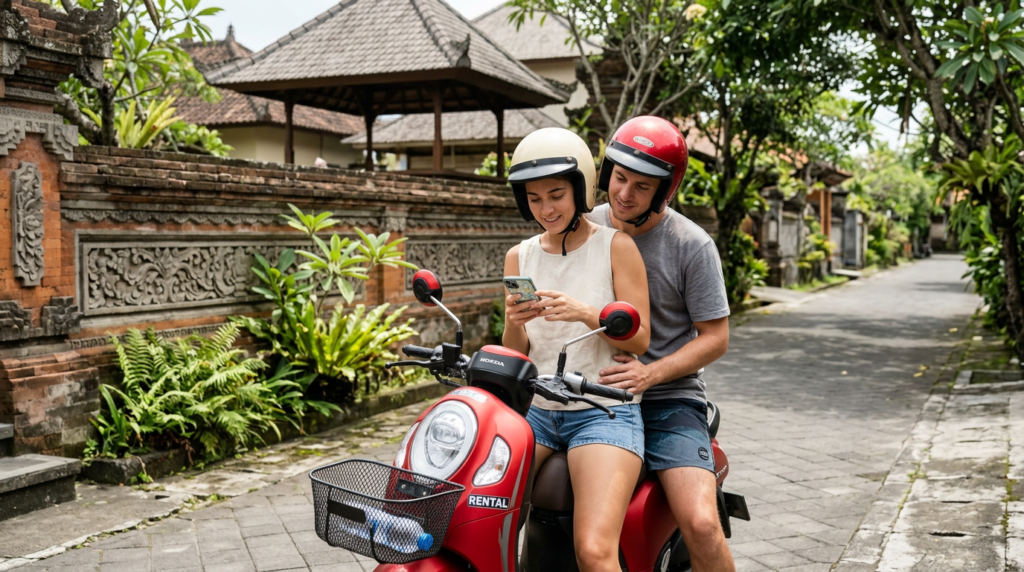
People often assume you’ll need constant scooter or car access because Bali can be spread out elsewhere. But Sanur is built for walking and the beachfront path is ideal for cycling, so your day-to-day can work without frequent driving.
When you over-plan around transport, you waste energy and time. You may end up choosing fewer days just because moving around feels harder than it really is.
“One or two days is enough to see it”
That “just one or two days” idea is tempting because Sanur looks compact on the map. The problem is timing. Sunrise, Pasar Sindhu from 6 AM to 9 AM, and the evening Sindhu Night Market create a rhythm that rewards repetition.
With too few days, you’ll only touch the surface. A stay of about 4–5 days is usually what first-timers need to avoid feeling like they rushed through it.
Staying resort-only makes Sanur feel smaller
It’s easy to stay inside hotel comfort and still call it a trip. But when you miss local moments like warungs, Pasar Sindhu, traditional jukung boats, and temples, Sanur stops feeling like a living place.
That’s how you end up underestimating the time you’d actually enjoy, and you book fewer days than you would if you experienced the town.
“All vendor prices are the same”
Some travelers get stuck paying sticker prices because they expect every vendor to be identical. In markets and with tour setups, prices can be negotiable in the real world, so being flexible can change how far your budget (and your time) can go.
If you assume everything is fixed, you may cut activities short. More days become unnecessary when you could simply have paced spending differently.
Correcting these expectations helps you pick the right number of days, matched to Sanur’s pace. After that, the next step is deciding your schedule without overcomplicating it.
What to do if you’re unsure about your stay length
What if I can only guess at first?
If you’re stuck between options, start with the travel logic Sanur rewards. Plan around sunrise and the beachfront rhythm first, then add culture, wellness, or island time depending on your energy.
As a practical baseline, 4–5 days is a common default for first-timers. It’s long enough to feel unhurried, while still fitting the key anchors without squeezing everything.
Do I choose relaxation or variety?
Your answer changes the length. If you want maximum relaxation, lean toward 7–10 days, because the extra time supports deeper unwind and easier day trips.
If you prefer variety, your schedule will feel better when you use Sanur as a base-camp for excursions. That way, you’re not repeating the same beach loop every single day.
Can a tight schedule still work?
Yes, but you need the right expectation. If your window is very short, 1 day can cover essentials like sunrise, a beachfront walk or bike ride, and one market plus a calm-water activity or massage.
The tradeoff is depth. With only 1 day, you’ll likely miss multi-morning immersion and the easier pacing needed for deeper culture and Nusa island excursions.
Should I buffer time for the mood and weather?
Building in buffer helps more than you’d think. Slow travel and time buffering help avoid over-planning when your body or the conditions aren’t fully on your side.
With that mindset, the next step becomes easier, because you can still pick one best default and adjust from there.
A good default if you can only choose once
Pick 4–5 days unless your priority is either maximum relaxation or island hopping. Imagine you’re a first-timer with limited dates and you want a complete Sanur experience without feeling like you’re constantly rushing. You’ll likely want sunrise and the beachfront routine, a morning market at Pasar Sindhu, at least one spa block, and a calm-water activity like SUP or kayaking.
If you choose 4–5 days, the rhythm fits and you can add key culture without panic. If you stretch to 7–10 days, you get deeper unwind plus easier day trips to the Nusa islands, with less pressure on your schedule. And if you’re aiming for slow travel or you really want island hopping to feel comfortable, going with 10+ days (or even a month) helps you stay flexible as you move in and out of excursions.
Simple rule: pick the range that matches your priority, vibe for deeper settling, or variety when excursions and Nusa trips are a big part of the plan. Next, you’ll want to choose your pace in a way that fits each day.
“Think of Sanur as time well spent, not just places checked off.” If you’re choosing a stay length, start with the essentials in 1 day, go for the first-timer sweet spot in 4–5 days, then move into 7–10 days when you want deeper unwind and day trips. For slow travel and flexible base-camp time, 10+ days (or even a month) makes it easier to come back to your rhythm again and again.
No matter which range you pick, Sanur rewards time and rhythm. Prioritize calm mornings with sunrise and the beachfront routine, enjoy comfortable afternoons, and add culture stops or Nusa island excursions when your schedule allows. Enjoy the trip at your own pace, and the town will meet you there.
Want help turning your stay length into a smooth plan? Let the team at Baliexpertvillas.com support you with the right approach for your Sanur days.