Imagine you have your Bali dates in hand. You keep seeing advice about “Badung days,” but when you sit down to plan, it suddenly feels vague. Three days? Four? More? The real tension is simple: too few days and everything feels rushed, but too many and the trip can start to feel flat.
Here’s the key premise to ground your decision. Badung is often used as a shorthand for the main tourist zones people typically visit across south, west, and southwest Bali. So when someone says “spend X days in Badung,” they’re really talking about how long you need to cover the sights around areas like Kuta, Seminyak, Canggu, Nusa Dua, and Uluwatu. And “spending time” is not just attraction visits. It also includes relaxation, plus the real-world travel and traffic time that eats up your day.
Once you understand that, choosing a day count becomes much easier. This article will help you pick a duration based on your priorities, your preferred pace, and whether you use a smart base-location strategy (so you are not constantly switching areas). First thing to get right is what “time in Badung” actually means in practice, and then the perfect number of days starts to make sense.
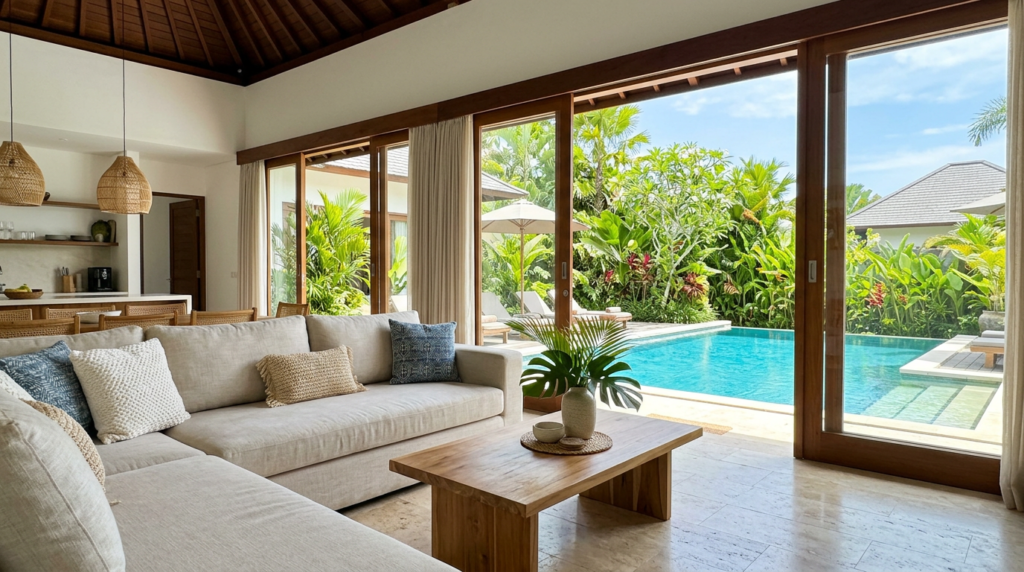
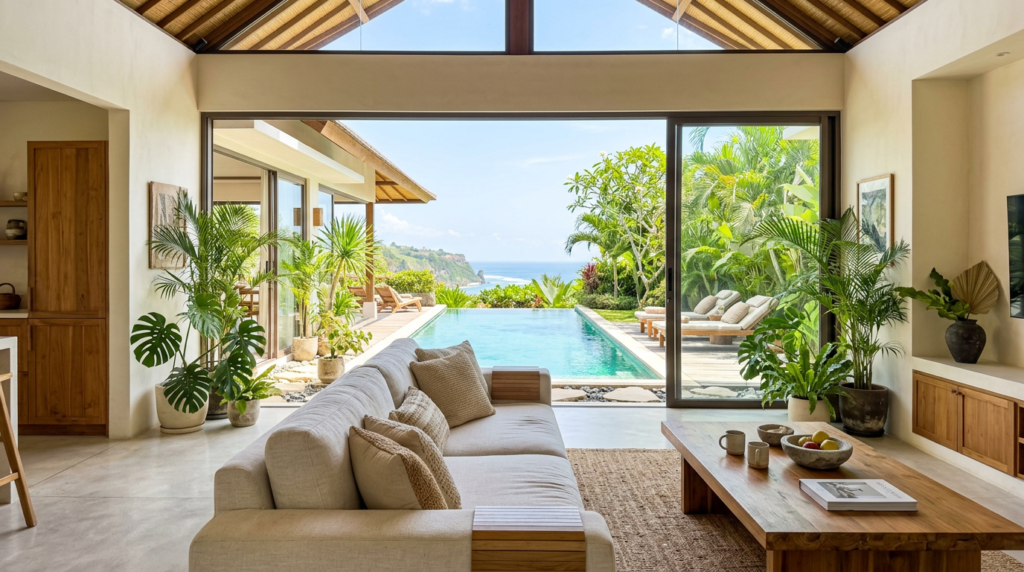
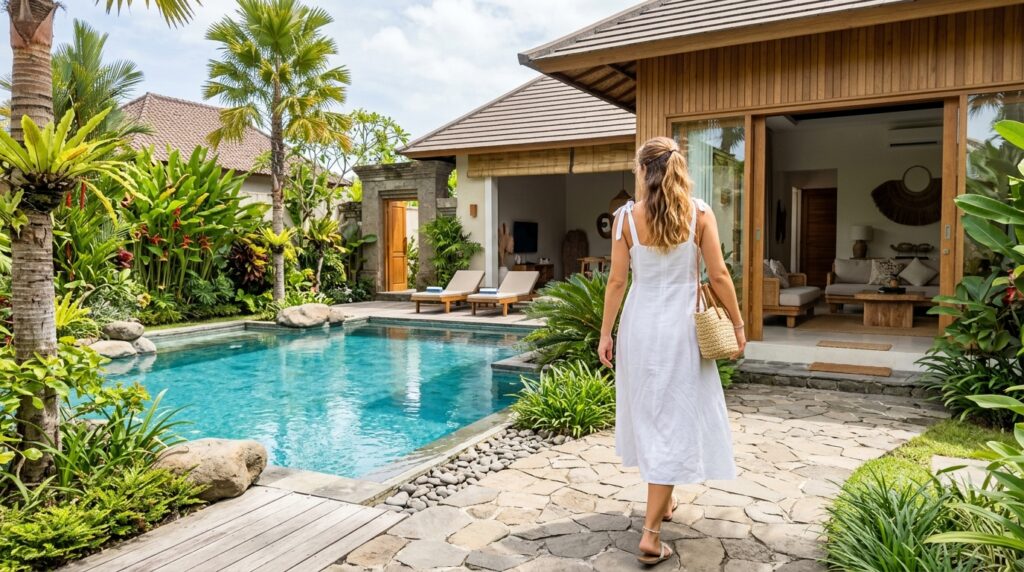
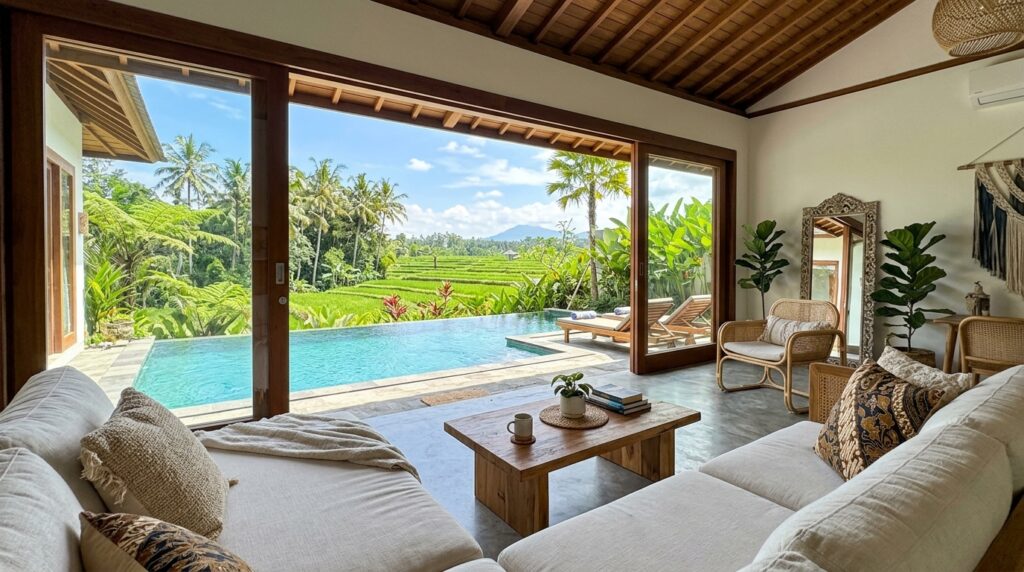
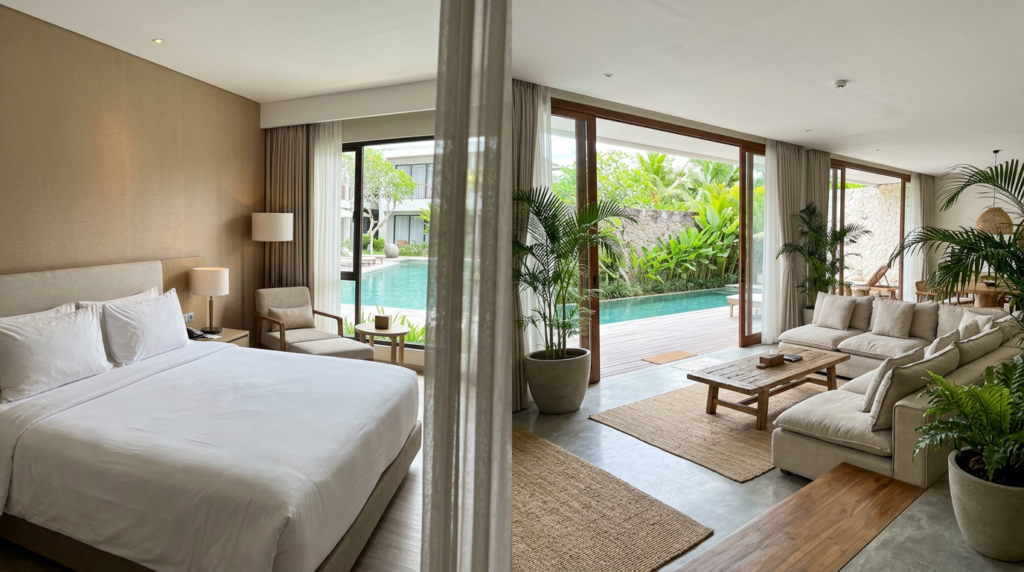
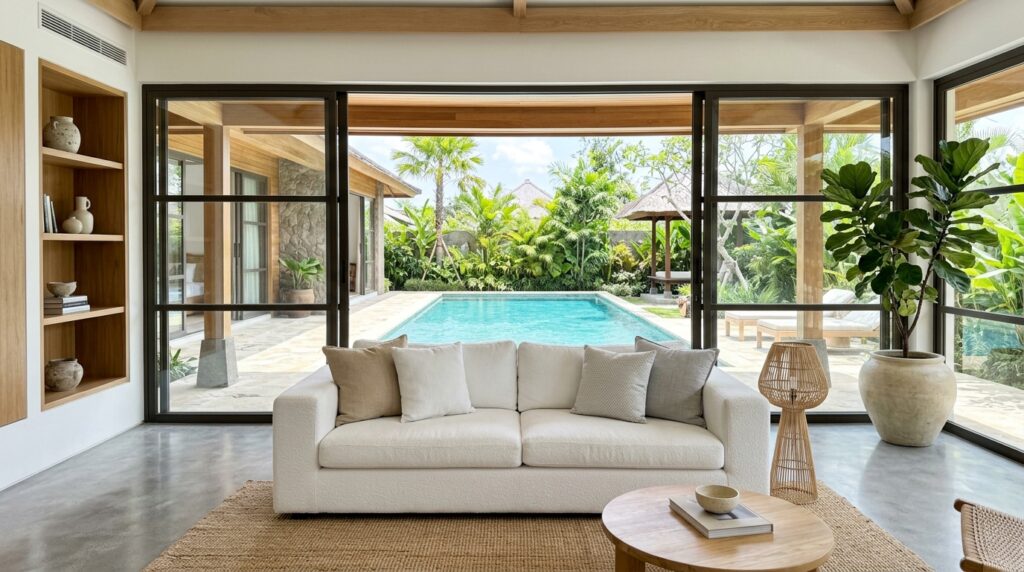
If you want to turn your chosen day count into a smoother stay, choose the right accommodation on Baliexpertvillas.com to match your pace and base plan.
What “spending time in Badung” really means
Badung Regency
Badung is less about a single place and more about a travel pattern. Badung Regency is an administrative area of Bali, but in real trip planning it often gets used as shorthand for the main tourist hubs people actually visit. So when you wonder how many days you should spend in Badung, you are really deciding how long you need for the Bali highlights packed into that typical south and west travel loop.
This matters because you are not measuring your trip by a map boundary. You are measuring it by the destinations you will experience around those hubs, like Kuta, Seminyak, Canggu, Nusa Dua, and Uluwatu.
Base location
A base location is simply where you sleep most nights, and it quietly changes how many days you need. If your base is well-matched to your plan, you spend less time reorganizing your day and more time enjoying it. That is why “how many days in Badung” can feel different for two people with the same interests.
When you pick a base that fits your targets, day-to-day travel feels easier, and a shorter trip becomes more satisfying. When the base is mismatched, even a longer trip can feel like you are always in transit.
Day trips
Day trips are excursions you take out from your base, then return the same day. They are the main tool for expanding coverage without changing hotels every night. In practice, this is how many travelers experience multiple Bali zones while still feeling like their schedule is manageable.
So your day count should reflect how many day trips you want. If you include more day trips, you need more “buffer” time within the trip, not just more attraction lists.
Travel and traffic time
Travel and traffic time is the hidden part of your itinerary that decides whether the day feels full or rushed. Even when distances look short, Bali’s traffic can stretch travel time, and suddenly your plans have less usable hours. That is the reason “nearby” can feel far in your day-to-day schedule.
When you plan the number of days, you are not just counting activities. You are also counting how much time you will lose to getting around, plus how much time you still want for downtime.
Pace of travel
Your pace of travel is how quickly you move from one experience to the next, and it directly shapes what “enough days” feels like. A fast-paced traveler can fit more in, but they risk skipping the recovery time that makes the trip feel enjoyable. A slower pace takes longer, but it often feels more complete.
When traffic is factored in, pace becomes even more important. The same itinerary can feel satisfying in more days or exhausting in fewer ones, simply because your rhythm and recovery time are different.
Once you know what “time in Badung” includes, the next step is obvious: trip length matters because traffic and logistics change what truly fits in a day.
“Badung” advice is really about Bali south
Most people say “Badung days,” but they usually mean the big Bali tourist hubs in the south, west, and southwest that show up on nearly every itinerary. So the advice feels like it applies to “Bali” because Badung contains many of the most visited areas, which is where most travelers spend their actual time.
The nuance is timing, not geography. Even if places look close on a map, traffic and schedules make them feel separated, so the number of days you need depends on how much movement you can tolerate and how much downtime you want.
That is why “enough days” is really about what counts as a good day for you, not just how many attractions you tick off.
What “enough days” must cover
If your trip feels good at the end, you have likely hit “enough days.” In plain terms, it means your time includes arrival and departure, plus real downtime, not just sightseeing. Those travel days take chunks out of your usable hours, so they count toward the total even if you’re not exploring for long.
“Enough” also means your days have a realistic rhythm between exploration and relaxation. When you balance those two, you do not burn out, and the experience feels full instead of frantic. Once this timing piece clicks, trip length starts making sense because traffic and logistics decide how much energy you actually have per day.
Map distance vs traffic time
People often expect a quick hop because two places look close on a map. The reality is that traffic can stretch travel times a lot, which shrinks the hours left for the actual experience.
Pick too few days and you end up cutting visits short or arriving when you are already tired. Choose more days and you can keep the same plan, but with better pacing and fewer “we have to rush” moments.
Attraction count vs full-day capacity
It sounds logical to pack more attractions when you have a short trip. But each day has a real capacity, and it gets eaten up by schedules, breaks, meals, and downtime, not just tickets.
When the schedule is overloaded, the trip starts to feel stressful instead of fun. With enough days, you can fit your highlights while still leaving room to relax, so the experience feels complete.
Packed schedule vs satisfying pace
A packed schedule can look efficient, but it often removes the calm part that makes Bali enjoyable. Once you add traffic and arrival timing, a tight itinerary leaves no recovery time.
If you go too short, you feel exhausted and constantly behind. If you go too long without a clear daily theme and flexibility, you can get bored, because the days start to blend together.
Now you need a simple way to decide based on your priorities and pace.
How to pick the right number of days
1. Start with your priorities
What do you actually want from your trip, beyond “seeing Bali”? This step is about choosing a few priority themes, like culture, beaches, nightlife, adventure/watersports, or wellness. Once you know your themes, you can estimate how many days you truly need to enjoy them without forcing everything into one schedule.
For a quick example, if you mostly want relaxed beach time plus one big culture day, you will need fewer days than someone who wants multiple zones and lots of activities each day. The trick is deciding what matters most and what you are willing to skip.
2. Choose a pace and decide what to skip
Next, pick your pace before you pick your itinerary. A fast pace means more movement and less recovery, while a slower pace gives you room to linger and reset when traffic and timing slow you down.
Then decide what to skip on purpose. If you keep adding “just one more” stop, the plan can break because Bali’s traffic can expand travel time more than you expect. A realistic day count protects your energy and keeps the experience enjoyable.
3. Use a base plus day trips
Now think about where you will stay most nights, because your base location changes your logistics. Staying in one base for a few nights reduces relocation stress and helps day trips feel doable instead of exhausting.
Keep the base strategy simple: choose it based on the main zone you want most, then use day trips to cover the rest. This approach helps you avoid the “always moving” feeling, especially on 3 to 5 day trips.
4. Build a realistic day plan with buffers
Finally, turn your choices into a day-by-day rhythm. Plan around how your day really works, including downtime and travel/traffic time, not only what you want to photograph or check off.
Add buffers between the big blocks so you do not feel trapped by the clock. For instance, if you want to catch a sunset experience with a set start time, you need more structure on that day, and a bit of breathing room the next day too. With buffers, your chosen duration stays satisfying instead of stressful.
Once you have this decision process, you can use a tighter matching framework to estimate day counts quickly based on priorities and pace.
“Think in themes, not in a giant checklist.”
Once you know your priorities, estimating day count gets easier. You are basically deciding how many half-day or full-day blocks each theme needs, then leaving breathing room for traffic, timing, and downtime.
Coast and temples
This theme usually behaves like a full or near-full day because temples and coast viewpoints often need a planned timing window. Sunset experiences also tend to anchor the day, so you cannot treat it like a quick add-on.
If you try to stack another big zone on top, the day can collapse under travel time. That is why this theme often works best as one main block per day, not three different “big hits” in one rush.
Beaches plus downtime
Downtime is not “extra,” it is part of the experience that makes the rest feel worth it. A beaches-and-relaxation day can be a half-day of exploring, plus a longer stretch of recovery.
When people skip downtime, they feel behind even if they technically saw a lot. The fix is simple: give this theme enough time so your body and energy match your plan.
Trendy hubs and nightlife vibe
For trendy hubs, you usually need more flexible blocks than strict sightseeing. The vibe is the point, so your schedule should allow for slower wandering, meals, and enjoying the atmosphere without constantly switching locations.
Overpacking this day with distant stops often leads to a “we barely got to enjoy it” outcome. A dedicated block keeps the evening enjoyable instead of squeezed.
Optional single big cultural day trip
A major cultural day trip works best when it is your one big departure from the routine. You go out, focus on the central cluster, then return, which turns the day into one clear mission.
If you combine that with other major zones, traffic and timing quickly steal the day’s margin. Keep culture as a single big anchor, and let your other days handle relaxation and local exploring.
With your themes mapped, the practical lever for short trips is choosing where you stay, because base selection determines how easy it is to keep the rhythm.
Picture this: a 4-day trip where one traveler sleeps in Nusa Dua the whole time, while the other keeps switching bases every couple of nights.
The difference shows up fast. The Nusa Dua traveler spends less time packing and commuting between areas, so evenings feel lighter and downtime becomes real. The moving-bases traveler spends more energy on logistics, which leaves less space for relaxation and makes day trips feel heavier.
So the base location strategy is simple: place your base near the main south/coast experiences you care about, then use day trips to reach other highlights. If you do it this way, you can feel like your trip is “complete” without needing to add extra days just to recover from constant travel.
With that in place, the next step is to see suggested day ranges by travel style.
Want to match your plan to the right place to stay? Explore options from Baliexpertvillas.com and build your days around a calmer base.
Suggested day ranges by travel style
3–5 days for focused highlights
Most travelers who only have 3–5 days do best when they pick one clear base area and commit to a small set of themes. This is a “hit the highlights, keep it simple” kind of trip, where pacing matters as much as the attractions.
If you ignore traffic and try to bundle multiple big zones into each day, you will feel rushed and keep trimming visits. The range works when you accept fewer stops and protect time for relaxation.
4 days as the minimum effective style
4 days can be enough, especially when the structure is coherent and not overpacked. A practical rhythm is arrival and departure built in, one culture day trip, and separate time for south Bali beaches, watersports, or pure downtime.
Go too tight within that 4-day frame and you will feel like every day is a sprint. Keep one theme per day, and the trip usually feels complete instead of exhausting.
7–14 days for breathing room
A 7–14 day trip gives you space to enjoy Bali without constantly negotiating your schedule. You can still do day trips, but you do not need to cram every “must-see” into the same tight hours.
When traffic expands your travel time, the extra days become a cushion. Without breathing room, longer trips can also turn into “optional overload,” where days feel busy but not satisfying.
14–30+ days for deeper immersion
With 14–30+ days, you stop thinking only in terms of highlights and start thinking in terms of experience. You can explore more slowly, include more flexibility, and spend real time recovering between big activities.
The risk is different here. If you do not set a core theme and flexibility per day, even a long stay can blend together and start to feel boring. A strong daily rhythm keeps it engaging.
Now let’s zoom in on what this looks like in real life with a concrete 4-day example.
Imagine a couple on a 4-day trip. They want culture and coast, but they also want their days to feel enjoyable, not rushed.
Day 1 starts with settling in around Nusa Dua and keeping the pace light. In the afternoon, they head toward Uluwatu with enough time so the sunset experience feels calm: they plan for Uluwatu Temple around 4:00 PM, then stay for the Kecak Fire Dance starting around 6:00 PM. By evening, they feel like they finally “landed,” not just checked in.
Day 2 becomes their culture day trip to Ubud. They focus on the main highlights: Monkey Forest Sanctuary, the Ubud Art Market and Royal Palace, and Tegalalang Rice Terraces. Because this is one big mission, the travel and timing costs are worth it, and they finish the day without scrambling for extra stops.
Day 3 is flexible south time. They choose either south beaches like Pandawa or Melasti, or they spend the day around watersports at Tanjung Benoa. If they still have energy, they add Garuda Wisnu Kencana Cultural Park as an optional cultural boost, but they keep the day elastic so relaxation stays real.
Day 4 is built for departure. They keep the morning easy, then allow a travel buffer to the airport of about 45–60 minutes, so the trip ends smoothly instead of stressful. That buffer is the difference between “a good last day” and a frantic sprint.
When you can see how “enough” plays out day by day, it becomes easier to avoid the mistakes that make trips feel too short or too long.
What to watch out for in planning
Bali is small, so you can see everything fast
It feels true until your day hits real traffic. Map distance can look short, but travel time expands, and you lose the hours you thought were free. “See everything” turns into “rush everything” very quickly.
Too few days creates cut visits, late arrivals, and constant stress. The fix is choosing a duration that protects your pace instead of squeezing one more stop in.
All parts of Badung feel the same
That assumption comes from the same “Bali vibe” marketing you see everywhere. In reality, areas feel very different, so mixing them without a theme makes your trip feel random rather than satisfying. You end up collecting photos, not experiences.
If you do not separate your interests by day, you get a scattered itinerary that drains energy. A better approach is matching each day to a clear focus.
Travel time will be quick
The real problem is underestimating how much traffic stretches the day. Even when roads look direct, congestion changes your schedule, and timing-sensitive plans get squeezed first.
With too tight a duration, you feel behind and start shortening what you actually wanted to enjoy. With enough days, travel time becomes part of the plan instead of a constant interruption.
Packed schedule is the most efficient plan
Efficiency on paper is not the same as a satisfying day. When your schedule is packed, you have less downtime, and your energy drops, so the trip feels exhausting even if you “did a lot.”
Too few days makes every activity compete for time and rest. Add breathing room, and you can keep highlights while still recovering between big blocks.
All bases have the same access
Different bases change your daily logistics. Staying in one place reduces relocation time, while frequent moving adds extra commuting and planning overhead that you cannot really “budget away.”
When you ignore base strategy, a short trip can feel harder than it needs to be. Treat your base as part of your plan, then use day trips to extend coverage.
3 days is always too short, or 30 days is always too long
This is a “one size fits all” mistake. The right duration depends on your priorities, pace, and how you balance relaxation with exploration. Short trips can work perfectly if the structure is coherent.
Pick the wrong length for your pace and you will either feel rushed or bored. Experienced travelers choose days that support the rhythm they want, not the length a rule of thumb demands.
Next, experienced travelers make the chosen days feel great by switching from generic planning to pacing, base strategy, and flexibility.
Mistakes that create “too short” feelings
- Check if you skipped relaxation and made every day a sprint
- Confirm you do not change accommodation too often
- See if you ignored traffic buffers and planned back-to-back stops
- Notice whether you tried to pack multiple big zones into one day
- Check if you cut each visit short because you were “running late”
- Look for days with no recovery time between planned highlights
These mistakes trick you into thinking you needed more days. In reality, the problem is pacing and logistics. When downtime is missing and movement is constant, even a longer itinerary can start to feel just as rushed.
Why longer trips can feel great
Longer stays are awesome because you can build each day around a core theme and actually feel the pace change. When you are not forced to rush, you can include relaxation alongside exploration, and the trip feels richer instead of repetitive.
That flexibility also helps with real-life changes like crowds or your own energy levels. You are not stuck fighting your schedule, so the whole experience stays enjoyable.
How boredom happens and what to do about it
Boredom usually shows up when longer trips turn into optional overload without a clear theme per day. On top of that, if your plan does not adapt to weather, crowds, or personal energy shifts, the days start to drag.
Experienced travelers keep it meaningful by assigning one main theme to each day and leaving space to adjust. With flexibility built in, even longer trips can keep their spark.
Expert moves for doing it well
Maximizing sights vs slow travel lingering
Most “adequate” trips try to cram too much. Beginners often treat each day like a checklist, then wonder why they feel tired instead of satisfied. They move fast, take fewer breaks, and let traffic eat the remaining time.
Experienced travelers do slow travel. They linger on purpose and choose fewer stops so each experience has time to land. The payoff is clear: less exhaustion and a trip that feels more real.
Single base vs strategic staggering
Staying in one place is simple, but beginners sometimes assume it is automatically “best for everyone.” If your schedule has to stretch across many far-apart zones, one base can still create long commutes and stress.
Strategic staggering helps. They may shift between 2 to 3 bases on longer stays so transit friction drops and each day stays smoother. The common pitfall they avoid is wasting time in transit instead of enjoying the destination.
Spontaneous planning vs pre-booking time-sensitive moments
When plans are fully spontaneous, beginners often lose control around high-demand timing. Sunset experiences in particular need real timing, so last-minute decisions can lead to rushed arrivals or missed options.
Experienced travelers pre-book the time-sensitive pieces and keep the rest flexible. That means less wasted waiting and fewer “we have to change everything” days. It turns a good trip into a calm, reliable one.
Random transport choices vs deliberate transport strategy
Trying to mix transport methods without a plan is a classic beginner trap. It can multiply delays and make you late, especially when you have to connect between multiple zones in one day.
Deliberate transport strategy reduces that risk. They use drivers for day trips, lean on ride-hailing for local hops, and do not treat public transport as the default for tourist comfort. The result is smoother timing and fewer disruptions.
Next, you just need to finalize your plan after you decide on your day count.
Next steps to finalize your Badung days
- Assign a theme to each day
- Decide what you will skip, not just what you will see
- Add downtime after each main block
- Time-block around real traffic and movement
- Keep arrival and departure logistics realistic
- Plan day trips from a single base location
- Pre-book time-sensitive experiences that depend on set timing
- Leave flexibility for weather and your energy level
Now you have a plan that is coherent and realistic, not perfect on paper. Coherence is what keeps your trip feeling enjoyable, even when traffic and timing shift your day.
Choose days that match your pace
Planning the wrong number of days is where trips start to feel painful. The best choice supports your pacing while accounting for traffic and logistics, so you avoid burnout and boredom instead of collecting regrets.
As a starting point, short focused trips in 3–5 days work when you want clarity and highlights. A realistic 4-day structure can already include arrival and departure plus a coherent culture day trip and separate south Bali beach or watersports and relaxation time. If you want more breathing room, go 7–14 days, and for deeper immersion, consider 14–30+ days, where you can move slower and keep each day meaningful. Trust your rhythm and you will enjoy the process.
Tim Baliexpertvillas.com siap membantu Anda menyusun strategi yang tepat – hubungi kami untuk konsultasi gratis.