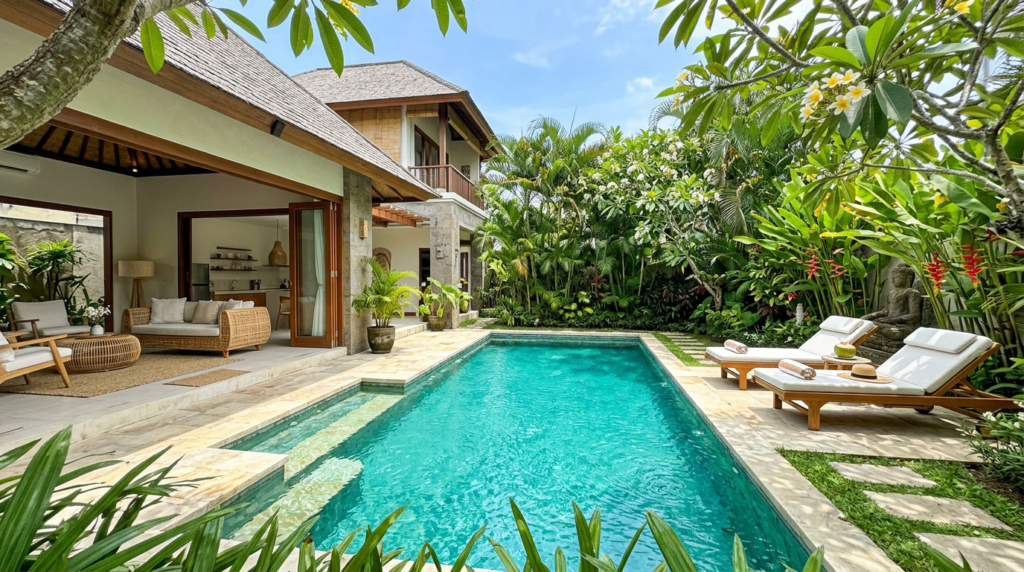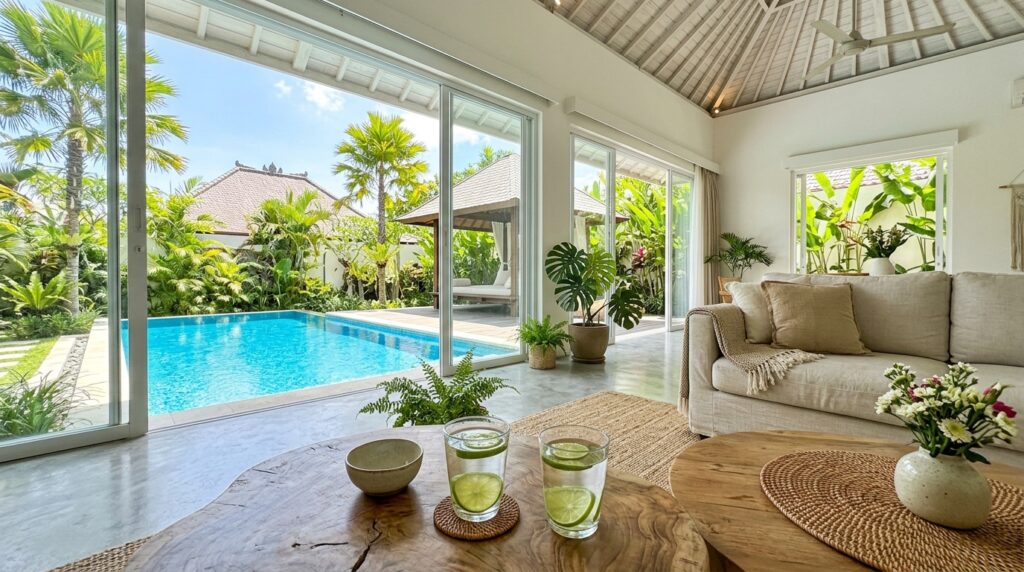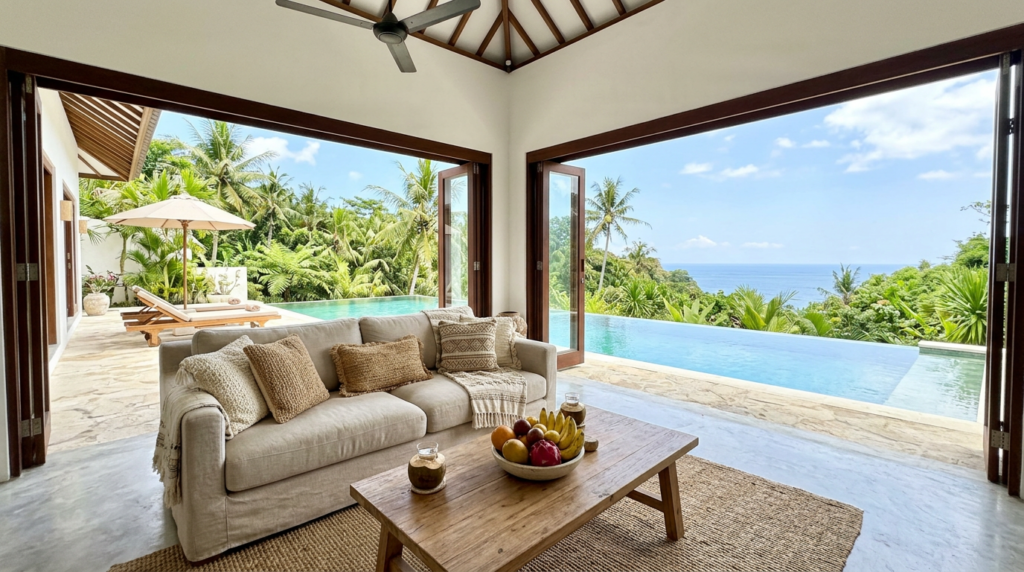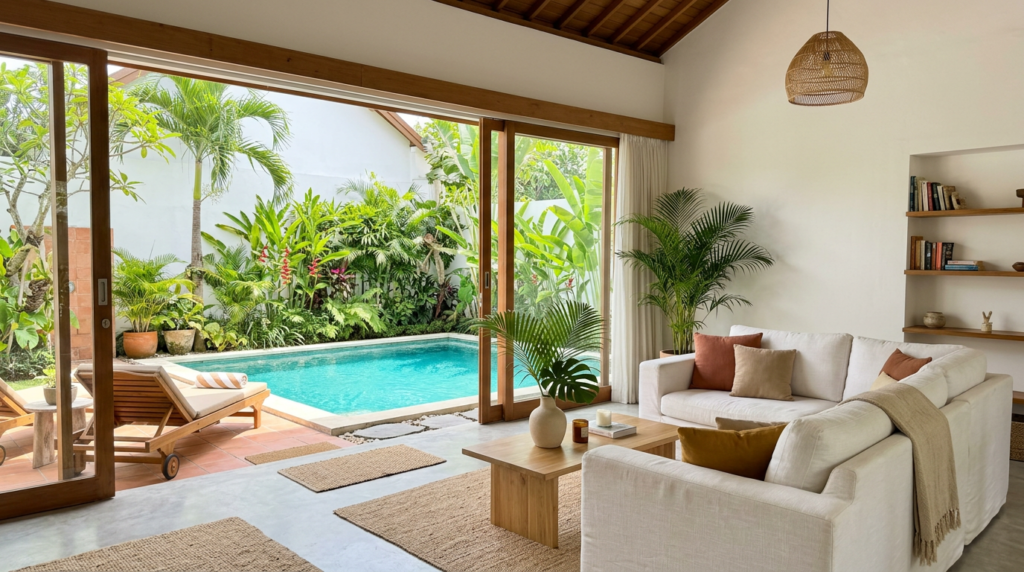

Imagine this: you wake up before sunrise, step outside, and the first thing you notice is black sand under your feet. A few seconds later, Mount Agung is just starting to glow, and the ocean feels close enough to hear it breathing. Then you look down the coastline and realize you are not in one tidy tourist strip. You’re in a string of small villages, stitched together by the sea.
That is the “different” feeling of Amed. The pace is quieter, the life is ocean-first, and the landscape is unmistakable thanks to volcanic black sand and constant Mount Agung views. It’s the kind of place where mornings naturally start with being in the water, and evenings feel low-key instead of like you’re chasing entertainment.
In this article, you’ll see what staying in Amed really means, who it suits best, and how to plan so you avoid the common annoyances people run into with transport, timing, and money. Most importantly, I’ll make it easy to understand the big picture, including how Amed works as a coastal collection of villages spread along the shore. Once that mental map clicks, the rest of the trip planning becomes a lot simpler.
If you want to plan faster, start by choosing the right Amed area for your vibe, then align your transport and arrival. When you’re ready, Baliexpertvillas.com can help you narrow down the best stay options.
What “staying in Amed” really means
Single beach town vs coastal village reality
Most people feel confused when they arrive because they picture Amed as one walkable beach town. Actually, Amed is a long stretch of coastal villages along East Bali, spread out under Mount Agung. That layout is why “just popping out for coffee” can turn into a short drive or scooter ride, depending on where your place is.
Once you accept the geography, everything clicks. Your micro-location matters for sunrise access, how easy it is to reach snorkeling and dive entry points, and whether you’re repeating the same driving routes every day. Pick poorly, and you’ll feel the distance. Pick well, and the ocean becomes your default plan.
Quiet doesn’t mean empty, it means focused
If you’re used to Bali that’s packed with constant noise, the idea of “quiet” can sound like a guarantee of boredom. In Amed, quiet is more like a container for experiences. Days usually revolve around being in the water, then winding down with views, black-sand beach time, and low-key sunset moments.
Even the “things to do” tend to feel purpose-built. You can pair the ocean with East Bali day trips like Tirta Gangga and Pura Lempuyang Temple, especially when you go early to avoid the worst crowds. So the calm vibe isn’t emptiness, it’s the absence of distractions.
Now that you know what “staying in Amed” means on the ground, the next question is the one you really came for: why it’s worth choosing over other parts of Bali.
Now that you’ve got the basics, it’s time to see why staying in Amed feels so good in practice.
Amed’s coastline means you’ll drive more than expected
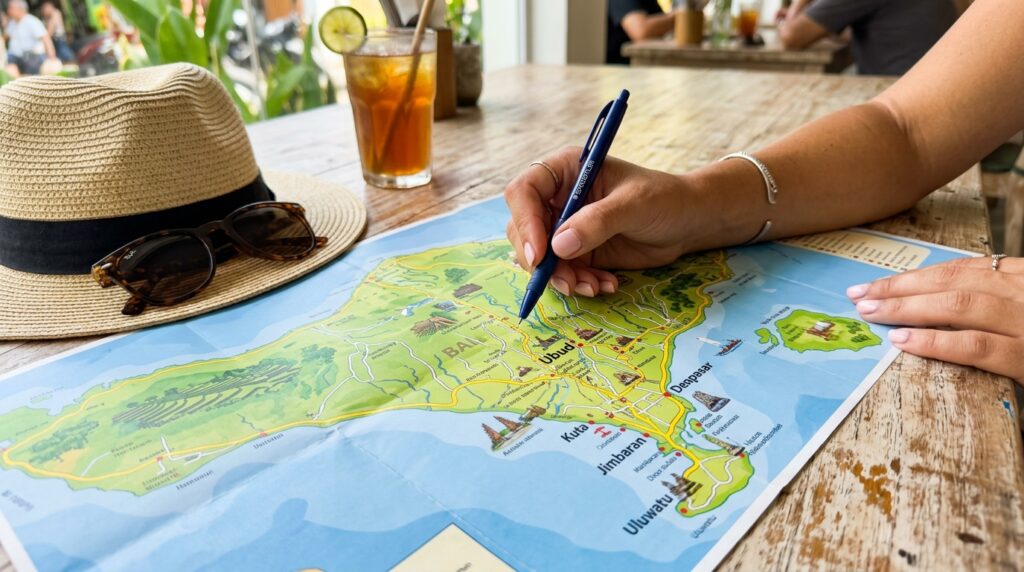
Picture this: you get to Amed, you glance at the map, and you think, “This can’t be that far.” Then you try to walk to your next snorkeling spot or grab coffee outside your village, and you realize the coastline is stretched across separate villages.
That spread-out layout is the whole point. Your micro-location decides how easy sunrise feels, how close you are to ocean entry points, and how often you need scooter or car rides even for “simple” errands. Stay more ocean-facing, and those daily trips become shorter and smoother, which makes the whole vibe feel calmer.
Once you understand the logistics, the next thing to feel is the mood: what “quiet” actually looks like day to day.
Quiet means you finally notice things
If you think quiet means nothing is happening, Amed will surprise you. The days are busy in a softer way, with ocean time, sunrise or sunset moments, and lots of slow, nature-led rhythm that doesn’t require planning a “big event” every hour.
When evening arrives, the social vibe stays low-key. You’re more likely to end up at a simple beachfront spot or a small local restaurant, sharing stories with other travelers instead of chasing late-night crowds. And because Amed is a base for East Bali, you can still do highlights like Tirta Gangga and Pura Lempuyang Temple without feeling like you’re constantly switching hotel.
Why staying in Amed is worth it
Amed is worth it when your vacation priorities align. If you want your days to revolve around the ocean, calm scenery, and easy access to East Bali, the math usually works out fast.
Divers and snorkelers get the easiest setup
Most of your time is just you, the water, and the next good entry point. Amed reduces friction because many experiences are shore-access friendly, so you are not constantly packing and relocating between stops.
If you love the underwater highlights, you can build your days around standout sites like the USAT Liberty shipwreck in Tulamben, plus the Pyramid artificial reef and Jemeluk wall. Conditions in the area typically include around 20 meters of visibility and water temperatures around 28 degrees Celsius, which is part of why people talk about Amed as a place where diving feels rewarding. Even if you are mainly snorkeling, staying put lets you repeat the routine without logistics getting in the way.
Non-divers still get a full, beautiful trip
For everyone else, the “worth it” part is the pace. Sunrise and sunset moments are built into the scenery, and black sand beaches plus Mount Agung views make even simple downtime feel special.
You also get culture and variety without constant hotel-hopping. Amed works as a base for East Bali day trips such as Tirta Gangga and Pura Lempuyang Temple, and the key is that you can pair early starts with relaxed evenings back home. Once you know the payoff, the next practical step is understanding what staying in Amed feels like day to day, especially with transport and money realities.
Amed makes underwater time feel effortless
“Diving should feel easy, not complicated.” In Amed, that’s exactly how it plays out. The big reason is simple: shore access plus the fact that you stay in one area. You spend less time traveling between sites and more time actually in the water.
You can build days around major highlights like the USAT Liberty shipwreck in Tulamben, plus the Pyramid artificial reef and Jemeluk wall. Conditions typically include around 20 meters of visibility and water temperatures around 28 degrees Celsius, which helps explain why divers and snorkelers talk about Amed as a rewarding place to explore. And if you’re not diving, snorkeling gives you the same “step in and go” feeling, just with less commitment.
Next, zoom out from the gear and look at the broader Amed appeal, because even if you don’t dive, the pace and scenery still carry the whole trip.
I’m not diving, will I be bored
Worried you’ll run out of things to do once you check the diving spots? In Amed, the “non-diver” agenda is built around pace, not pressure. Start with the sunrise on the black sand beaches, then spend the day at the ocean, switch to a relaxed afternoon, and finish with sunset views like Sunset Point. Even your downtime feels like part of the trip.
The best part is you still get big cultural moments without constant hotel moves. From Amed, it’s easy to plan East Bali day trips such as Tirta Gangga and Pura Lempuyang Temple (the “Gates of Heaven”), and it’s wise to go early to avoid the worst crowds. Once you stay in one place, these outings feel like add-ons, not a stressful daily reset. Next up, let’s look at what that day-to-day workflow feels like in practice, including transport and money realities.
How staying in Amed works day to day
Picture this: your vacation doesn’t feel chaotic because you planned for the friction points upfront, like timing, transport, and money. Once those basics are handled, the rest of Amed just flows into a relaxed routine.
Step that keeps your days from feeling rushed
Start by doing the “three things first” order: lock in where you stay, decide whether you’ll get in the water, and arrange a stress-free arrival. This prevents the common trap of planning everything else while your setup is still unclear.
For pacing, aim for a minimum of 2 nights, and consider 3–5 nights if you want breathing room for diving or snorkeling plus a couple of East Bali moments. Then sequence your days so you alternate ocean time with lighter exploring and downshift evenings.
Step that prevents transport and cash stress
Now fix the practical stuff: plan transport in advance because ride-hailing is not something you can rely on in Amed. Inside the area, a scooter works if you’re confident on uneven roads, but for longer day trips it’s easier to arrange a local driver through your accommodation.
Don’t ignore money logistics either. Cash is still common, and ATMs can be unreliable or even run out of cash, so carry what you need ahead of time. Once you’ve set the order of days, you’ll want the practical fixes. The next step is choosing lodging intentionally, so your location supports the whole plan.
Build a plan around the essentials
Trying to squeeze Amed into a rushed schedule is where the whole trip starts to feel stressful. The simple fix is to use the “three things first” mindset: first decide where you stay, then plan whether you’ll get in the water, and finally simplify arrival with stress-free transport.
After that, give yourself enough time to actually enjoy it. It’s wise to aim for a minimum of 2 nights, with 3–5 nights feeling right so you can do ocean activities without rushing, plus add a couple of East Bali cultural moments. And because Amed stretches out along the coast, staying there reduces movement fatigue in a big, practical way.
As a soft example, think one morning for diving or snorkeling, one day for an early cultural highlight, and one day that’s mostly for slow beach time and views. Next, we’ll handle the logistics that make those days feel smooth, like transport and money.
Plan transport and money before you arrive
Arrival isn’t the moment to improvise. In Amed, you often need transport arranged ahead of time because ride-hailing isn’t something you can count on, and taxis are limited.
For moving around locally, a scooter can work if you’re comfortable with uneven roads and the distances between villages. For longer day trips, it’s easier to use a driver arranged through your accommodation. Also plan your payments: cash is still common, and ATMs can be moody or run out of cash, so don’t assume card payments everywhere. If you plan transport and keep enough cash, the rest of your trip feels effortless.
Next, we’ll switch to the biggest lever that makes all of this easier, which is choosing your lodging with purpose.
Want Amed to feel easy right from day one? The trick is simple: choose a stay that matches your priorities, because this area stretches along the coast and isn’t a compact, everything-walkable spot.
Choose based on sunrise, diving, or privacy
Start here. If sunrise and easy beach access matter most, aim for a location near Amed Beach. Morning starts feel effortless when you are close to the sand and the ocean is right there.
If your priority is diving or snorkeling convenience, pick a balanced beachfront spot so you spend less time traveling and more time in the water. For a quieter, more private vibe with strong Mount Agung views, slightly elevated options often feel more like a retreat.
Account for Amed’s “not one town” layout
Next, plan around the fact that Amed is really a string of villages. Your micro-location affects how many times you’ll need to drive in a day, even for small errands.
For day trips, think “pickup flow.” Staying in a more central, pickup-friendly area makes early starts smoother for trips like Tirta Gangga and Pura Lempuyang Temple, especially when you want to arrive before crowds. And once the location is set, you can avoid the disappointment that comes from booking without thinking ahead.
Choose the location that matches your priority
Your priority determines your location. If you want sunrise moments to be effortless, stay near Amed Beach so morning starts are just steps away from the sand.
If you’re mainly chasing underwater time, optimize for balanced beach access plus closeness to dive and snorkeling entry points, so you can spend less effort on travel and more time in the water.
For those who crave quieter days and volcano-backed views, look for elevated options that offer privacy and a slower, more retreat-like feel.
Choose the location that minimizes the driving you don’t want to do. Next, remember that Amed’s “not one town” layout still matters even after you pick the right vibe.
Plan for Amed’s village distances
Have you noticed how quickly the “this won’t take long” feeling disappears in Amed? The hidden trap is that people assume it’s one compact place, then get surprised by the distances between villages and the need for scooters or a car.
If you stay more ocean-facing and beachfront, you naturally reduce back-and-forth driving. And if you plan East Bali day trips like Tirta Gangga and Lempuyang, choose a base that makes early starts and pickup timing easier, since crowds are worse later. Think in terms of how many times you’ll need to drive each day, not how nice the room looks, and you’ll avoid the booking disappointment that comes from rushing.
What to watch out for before you book
Amed isn’t party Bali or a compact town
Most people expect Amed to feel like the lively southern strips, or they assume it’s one compact area they can walk around easily. The reality is the opposite. Amed is quiet and nature-led, and it stretches across coastal villages where location choice affects how easy your days feel.
When expectations are based on “walkable nightlife,” you can end up feeling restless. When you expect a calm pace and plan for the spread-out layout, Amed feels exactly like the escape it promises.
Here’s the tricky part with transport and cards
Here’s the tricky part: transport and payments are where last-minute plans break down. Ride-hailing may not be dependable, and taxis are limited, so you often need to pre-arrange arrival transport and use local drivers for longer day trips.
Also, don’t assume card payments will cover everything. Cash is still common, and ATMs can be moody or run out of money, so carry enough or plan how you’ll get it before you need it. If you plan those basics, the rest tends to feel effortless.
If you treat Amed like southern Bali, it hits different
Most people expect Amed to feel like the party, fast-paced beaches they already know, or they assume it’s a compact area they can explore on foot. In reality, Amed is quiet and ocean-led, and the coastline is spread across villages.
That mismatch shows up fast. You can end up feeling restless, losing time trying to force “convenience” that isn’t part of the layout, and then thinking Amed itself is the problem. It’s not. It’s just that Amed works when you meet its pace, not when you fight it.
Next, the other big surprises are logistics and money, so it’s worth lining those up early.
Here’s the tricky part with transport and money
“Amed doesn’t reward last-minute improvising.” If you show up without a plan, you can end up waiting for rides or scrambling for transport, especially since ride-hailing may be unreliable or simply not available and taxis are limited.
For getting around, a scooter can work only if you’re confident with uneven roads and the distances between villages. For longer East Bali day trips, it’s much easier to arrange a driver through your accommodation. Also plan for cash because ATMs can be moody or run out, and don’t assume card payments will solve everything. If you plan transport and keep a cash buffer, Amed feels effortless.
So should you stay in Amed
It’s a match when you want calm ocean time
Amed works best if you want a quiet, ocean-first vacation with views, sunrise routines, and the freedom to do East Bali highlights without constantly moving hotels. The trade-off is that it is not built for party nightlife or instant ride-hailing, and the area is spread out, so you need to accept the logistics.
Here’s the easy way to decide: if you are the type who enjoys snorkeling, diving, or slow beach days, and you are happy to plan transport and carry some cash, Amed will feel like home quickly. If you need constant action, assume every ride will be easy on demand, or want ultra-compact walkability, you might feel frustrated.
Now act on it: pick an area that fits your sunrise, diving, or seclusion priority, then lock in accommodation and pre-arrange your arrival and day-trip transport so you can enjoy Amed without surprises.
Quick checklist before you book
Pros for you: you want sunrise or ocean access, you have a plan for diving or snorkeling, you’re okay with stress-free arrival, and you’re staying long enough (at least 2 nights, with 3–5 nights as the sweet spot).
Cons-to-accept: nightlife is low-key, the area is spread out so logistics matter, and you should plan for cash and transport because ATMs can be unreliable and ride options aren’t instant.
Choose lodging based on your priority, pre-arrange your arrival and driver, aim for at least 2 nights, then book accordingly.
Ready to find your perfect Amed stay? Let Baliexpertvillas.com match you with the right location based on your priorities and travel dates.