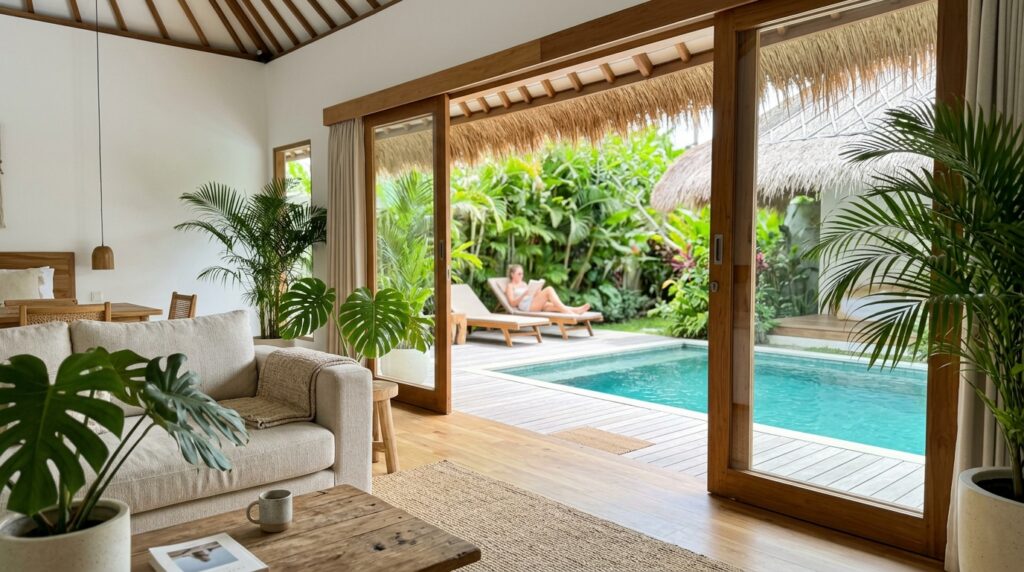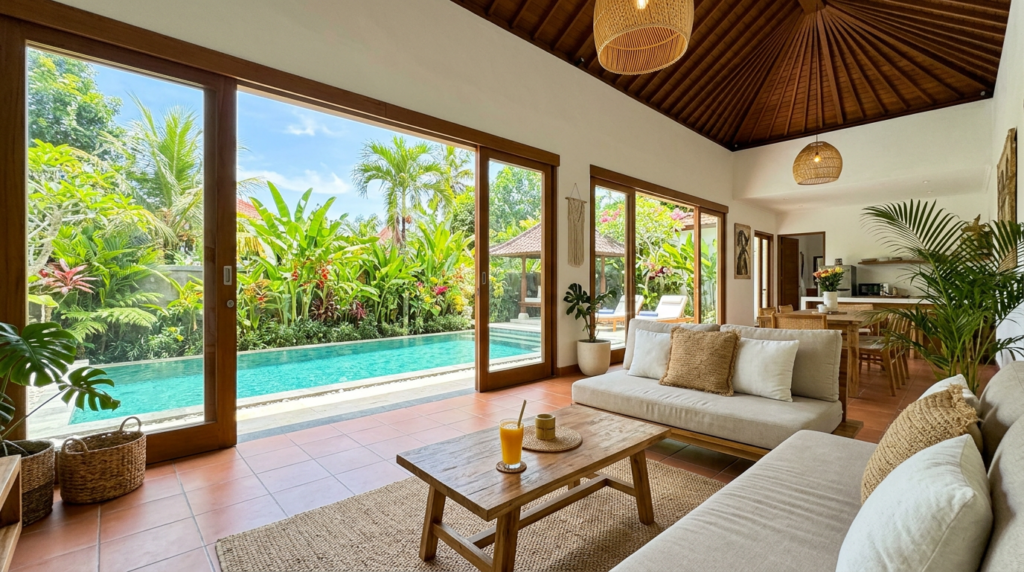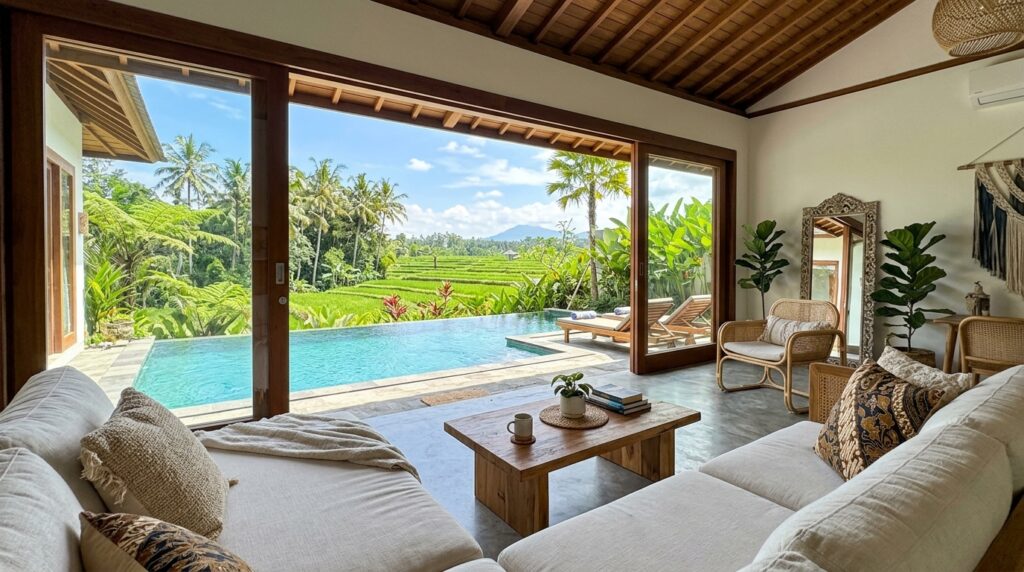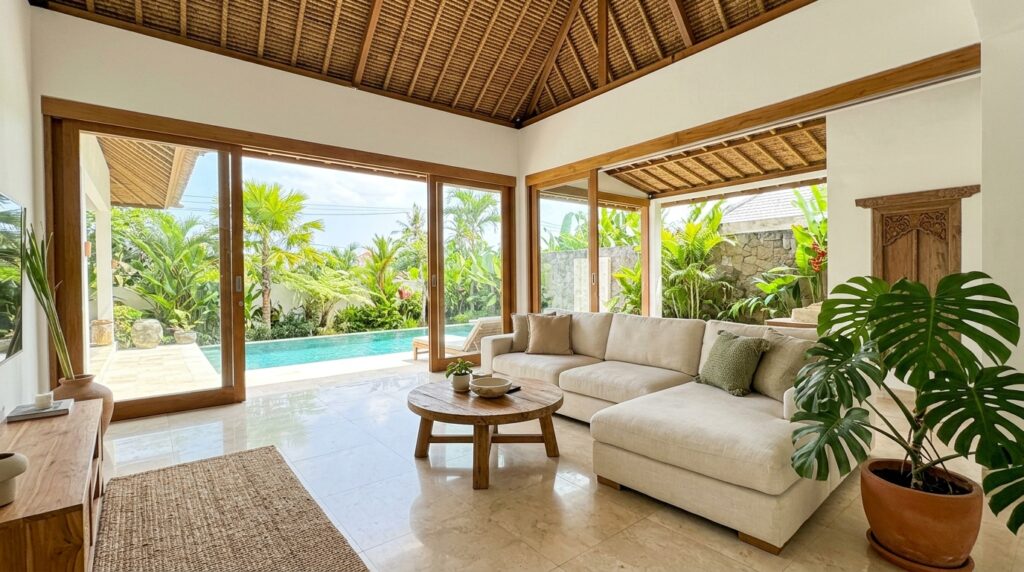
Picture this: you land in Bali ready to relax, but the first thing you wonder is how much rain might ruin your plans, whether the streets will feel packed, and if the villa you want will suddenly jump in price. That exact worry is why choosing the best time to visit Umalas matters more than people expect.
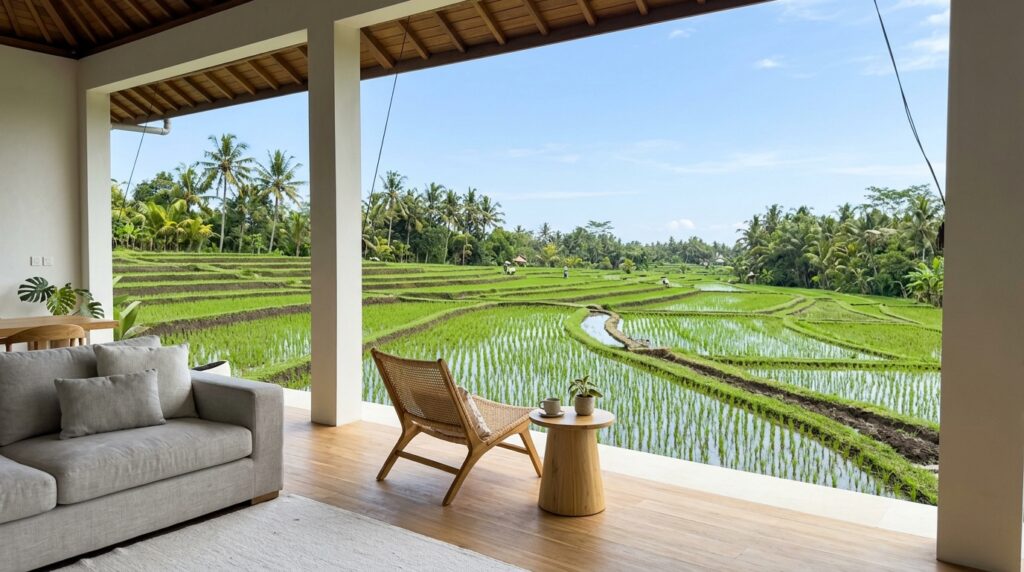
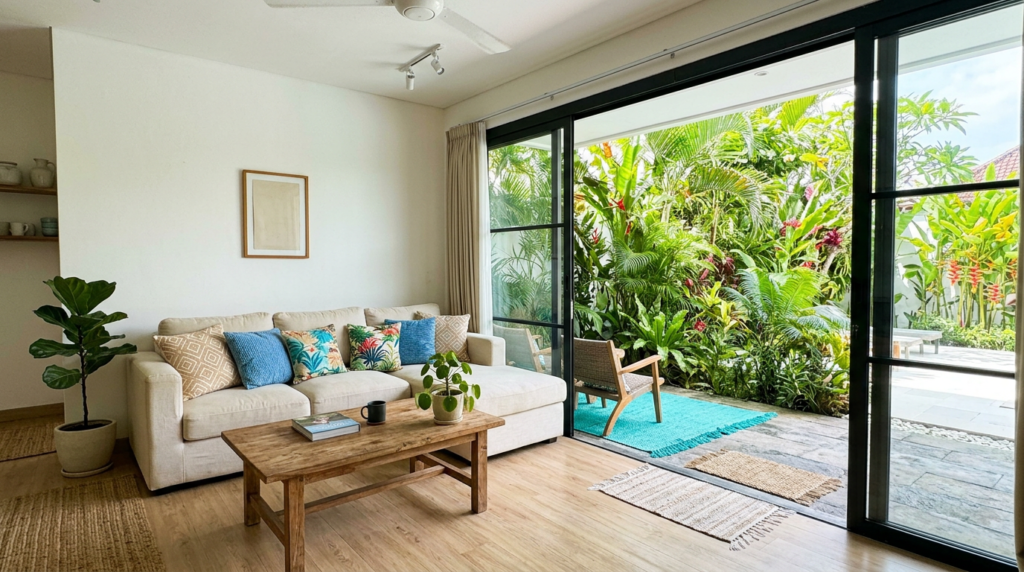
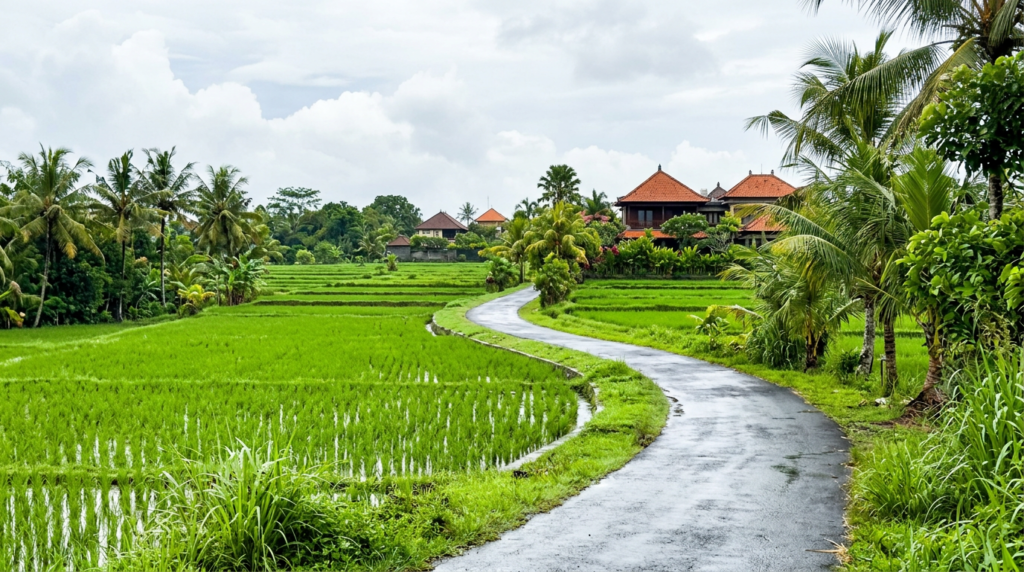
Umalas is known as a calmer base, tucked between Seminyak and Canggu. Instead of feeling like you are stuck inside the busiest parts of the island, you get a slower pace, rice fields nearby, and plenty of villa life. Still, Bali is Bali. Even if Umalas stays quieter than the most crowded areas, the island-wide seasons affect crowd levels and what deals you can find.
So the “best time” is really a balancing act. You are choosing between the dry season (usually more comfortable and easier for outdoor days), the rainy season (more humidity, but often rain shows up as short, intense showers rather than all-day downpours), and the trade-off between crowds and value. Peak periods can bring the most demand and higher prices, but the weather is often at its best. Rainy periods can feel quieter and more affordable, yet you still get plenty of bright moments to enjoy the island.
Want to turn this seasonal insight into a smooth plan for your trip in Umalas? Share your dates and preferences, and the team at Baliexpertvillas.com can help you match the right villa timing to your priorities.
Once you understand that trade-off, your decision becomes simple. In the next section, you will get a clear definition of what “best time” really means, so the monthly advice later on matches your priorities, whether you are weather-first, balance-first, or budget/crowd-first, and you can plan around the tropical rhythm without overthinking it.
When people say “best time,” what do they mean?
Weather comfort
When someone says “best time,” they often mean the time with the most comfortable days. In Umalas, that usually points to lower humidity and less rain, so outdoor plans feel easier from morning to evening.
A common confusion is thinking it will be dry 100 percent of the time. Even during the drier months, a tropical shower can still happen, so packing a light rain option is smart.
Dry vs rainy season
This is the season trade-off behind most advice: dry season tends to be easier for exploring, while rainy season brings more humidity and more frequent showers. The key nuance is that rain is often short and intense, not endless all day.
That is why rainy-season trips can still be enjoyable in Umalas, especially if you schedule sightseeing earlier and use villa time when the weather shifts.
Crowds and demand
“Best time” also depends on people. Peak periods bring higher demand, which means busier vibes across Bali and less breathing room at popular moments, even if Umalas stays calmer than nearby areas.
If you are crowd-averse, the “best” window becomes the one with fewer visitors and a slower rhythm, not the one with the absolute best weather.
Pricing/value for stays
Many travelers include value in the definition of “best.” When demand drops, it is easier to find better deals on accommodations and sometimes upgrades, especially with villa stays.
One trap is assuming there is a single “cheapest month” every year. Instead, think in windows: peak months cost more, while off-peak months often give more value.
Your priorities, in plain terms
The answer changes based on what you care about most. A weather-centric traveler will lean toward drier months, a budget-centric traveler will prefer the quieter, lower-demand period, and a crowd-averse traveler will choose dates that feel calmer.
Even activity-specific plans matter, because some activities are simply easier when skies are clearer.
Next, let’s make this real with the Umalas climate anchors you need: how rainfall typically looks, how sunshine can still show up even in the wettest stretch, and how humidity changes throughout the year. Once those basics are clear, picking your best month window becomes a lot less stressful.
Umalas weather through the year
Dry season comfort
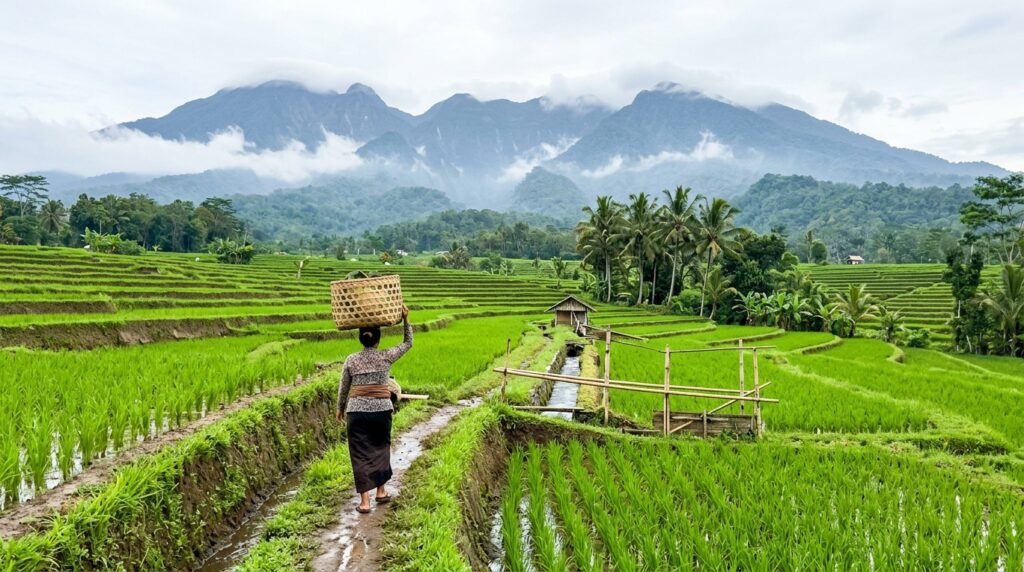
During the dry season (April to October), Umalas tends to feel more comfortable because the air is less humid and rainfall is generally lower. This is the stretch where outdoor plans feel easier, from rice-field walks to temple exploring.
Even then, don’t expect a guarantee of sun all day. In a tropical climate, a shower can still pop up, but the overall day-to-day rhythm is usually calmer for sightseeing.
Rainy season expectations
The rainy season (November to March) brings higher humidity and more frequent showers. The key nuance is that rain is often intense but short, which means mornings can still be usable for activities.
Instead of canceling everything, many travelers shift the plan: do outdoor stuff earlier, then let villa time, spa moments, and indoor breaks carry you through the wetter part of the day.
Key numbers that help you plan
Here are the anchors that make the forecast easier to understand. January is the wettest, with about 310 mm of rain across roughly 19 rainy days, while August is the driest, with around 41 mm over about 1 rainy day. Sunshine still shows up even in the wettest month, with January around 5.7 hours per day.
Humidity follows a similar pattern, peaking near 85% in January and dropping to roughly 80% around April. Use these numbers to set expectations, not to assume every single day will match the average.
With the weather picture clearer, picking the best months becomes a lot more practical. Next, we’ll match those seasonal patterns to what you care about most, whether that’s the easiest outdoor days, fewer crowds, or better value.
Best months for different travel styles
Weather-first pick from May to October
If you want the easiest outdoor days, choose May to October. This lines up with the dry season in Bali, so humidity is usually lower and rain is less of a disruption for exploring Umalas and beyond.
Plan mornings for rice-field walks or temple-style sightseeing, then keep evenings flexible. One practical note: even in the dry season, you should pack a light rain option, because tropical weather can still surprise you.
Balance pick in April to May and September to October
If you are trying to avoid the trade-offs, go for shoulder seasons: April to May, or September to October. You still get mostly pleasant conditions, but you are less likely to feel the heavy peak-season pressure that bumps up crowds and costs.
Schedule your “big moments” (popular dinner plans or in-demand activities) during the clearer parts of the day, and save the rest for slower villa time. This is the sweet spot for people who want good weather without paying peak-season prices.
Off-peak and budget-friendly from November to March
For a calmer, better-value trip, November to March is the off-peak window. This period sits in the rainy season, so you can expect more humidity and frequent showers, but the overall vibe is quieter and accommodation deals are often stronger.
Just remember the timing: rain often shows up as intense, short afternoon showers. Try booking popular experiences earlier in the day, and keep your evening plans flexible to match the weather. Also, note that peak demand spikes around July to August and Christmas and New Year, so those dates usually cost more even though the weather tends to be very good.
If you are optimizing for comfort and value, browse villa options that fit your season window at Baliexpertvillas.com, then align your itinerary around the kind of days you are most likely to have.
Once you pick your month window, the next question is what it actually feels like on the ground in Umalas. Crowds, pricing, and daily rhythm shift with demand, and that is where your expectations start to match reality.
Crowds, pricing, and how Umalas feels
It is frustrating when you book the “right” dates and still feel like you are swimming in crowds. That is the catch with Bali, and it shows up in Umalas too, even though the area is known for being calmer than the most busy nearby hubs.
Imagine two travelers: one chooses July-August, and the other picks April to May. In the peak window (July-August, plus Christmas and New Year), demand spikes, prices rise, and booking popular spots becomes harder. Even if Umalas stays quieter than Seminyak and Canggu, the island-wide rhythm still feels busier, with more pressure on reservations and a more “everyone is out at once” atmosphere.
Now switch to the shoulder months. The same Umalas villa can feel like a true retreat because there are fewer visitors, and you often get better value. Here is the decision moment: if you are traveling in peak season, secure the things people book first, like dinner reservations and in-demand activities, well ahead of time. For shoulder or off-peak travel, you can keep more of your plans flexible, letting the day’s mood and the weather guide you.
Once you notice the crowd and pricing pattern, planning gets easier. Next, you will want a simple way to schedule activities and logistics so the season works for you instead of against you.
How to plan your dates and itinerary
Pick your priority first
“The ‘best time’ is the one that fits your priorities, not a universal winner.”
Start by deciding what you care about most: weather, crowds, or value. If you want the smoothest outdoor days, aim for May to October. If you want the balance, consider April to May or September to October.
Once that choice is clear, every later decision becomes easier, because your itinerary will be built for the kind of days you are actually going to have in Umalas.
Choose your month window
Now lock in a month range based on your trade-offs. The dry season runs roughly April to October, while the rainy season spans November to March. Peak season is July to August and the Christmas and New Year period, when demand is highest and costs rise.
For off-peak travel, plan around the fact that you may not get perfect conditions, but you often get a quieter vibe and better accommodation value.
Time outdoor plans for the right hours
Think in “do more early, adjust later.” In practice, that means scheduling outdoor activities in the morning, then keeping evenings lighter when the weather can shift. During the rainy season, showers often land in the afternoon, so you can still get usable daylight before that.
Build your day like a rhythm, not a rigid schedule, so a sudden shower doesn’t throw off everything you planned to enjoy.
Build in rainy-season flexibility
Even in drier months, it is smart to expect at least occasional tropical rain. If rain shows up, your fallback should be simple: villa time, spa breaks, and indoor meals are the easiest way to keep the trip comfortable.
This is also where you can lean into the quieter pace of Umalas, because fewer crowds mean you spend less energy dealing with disruptions.
Plan transportation to reduce stress
For getting around, many visitors rely on ride-share options like Grab and Go-Jek. For scooter travel, remember the practical reality: safety matters, and legal and insurance considerations can be tricky.
Traffic is another real variable. Try to avoid the most congested times when you are moving between Umalas and busier areas, and if you have longer trips, using a private driver can keep your day calmer.
With the logistics handled, the next step is to avoid the common traps that make people feel like they “picked the wrong time.” Let’s clear up those myths and mistakes next.
Common mistakes people make when choosing dates
Rainy season means nonstop rain
It feels logical to skip rainy season because “rainy” sounds like continuous downpours. The missing detail is that in Bali, rain is often intense but short, and clear windows still show up, especially around afternoons shifting into showers.
The mistake here is over-planning as if every hour will be wet. Pack light rain protection and build your day with morning flexibility.
Peak season guarantees perfect weather
Peak months like July to August and the Christmas and New Year period are usually very good for outdoor time, but they are not magic. Tropical weather can still bring occasional showers, even in drier months.
If you expect “perfect every day,” you end up stressed when conditions change. A small umbrella mindset beats a big disappointment.
Umalas is just Seminyak or Canggu, quieter
Choosing Umalas because you want fewer people is smart, but the common confusion is treating it like the same vibe in a smaller crowd. Umalas has a calmer, more residential feel with rice fields and villa life, even if it is close to busier areas.
The result is planning for beach-party energy everywhere. You will enjoy it more when you match your expectations to the slower pace.
Scooter rental is always safest and easiest
Scooters can be convenient, but the reality is that safety, legal requirements, and insurance coverage can get complicated. Not everyone considers how quickly risk and paperwork can turn into a real problem.
The mistake leads to avoidable stress, especially if you think you are “just popping out” and then hit traffic or bad road conditions.
Booking ahead is only for peak season
Yes, peak season is busiest, so reservations need earlier timing. The confusion is assuming off-peak always has free availability for the exact villa or experiences you want.
That can cause rushed swaps later. Even in calmer periods, popular places can still book up, so aim to reserve what you care about most early.
Umalas is isolated from everything
Because Umalas feels quiet, it is tempting to assume it is far away from the action. In reality, it sits between Seminyak and Canggu, so you can reach nearby amenities without feeling trapped.
If you plan as if Umalas is completely self-contained, you might miss easy variety and end up under-exploring.
Correcting these myths helps you avoid the “wrong time” feeling. Next, experienced visitors go one step further by making smarter small decisions that improve the whole season experience, not just the weather.
Small decisions that make a big difference
Season mood versus weather check
Imagine you arrive in Umalas and it feels like the island has changed its personality. That is the “feel” of the season at work: the dry season tends to feel crisp and energetic, while the rainy season feels lush and quieter. Doing it well means you plan to match that mood instead of trying to force the “dry season experience” in wetter months.
When you embrace the season, you stop treating rain as a problem and start using it for a calmer rhythm. Your villa time, dinners, and slower mornings feel more intentional.
Strategic shoulder-season thinking
Here is the beginner trap: chasing only the “best weather” without considering crowds and value. The more experienced approach is to treat shoulder seasons (April to May, or September to October) as the real sweet spot. You get mostly pleasant conditions while demand stays lower than peak dry season.
That often means calmer stays, easier planning, and better value. It is not just about the forecast, it is about how the whole trip flows.
Traffic and crowd tactics that reduce stress
Most people plan for sights, not movement. Experienced visitors plan the daily commute like it is part of the itinerary. They avoid peak travel hours and choose transportation that reduces friction, using ride-share options like Grab and Go-Jek when it makes sense.
They also think twice about scooter travel, because safety, legal requirements, and insurance can be issues. When you manage these small details, Umalas feels easy to enjoy instead of tiring to navigate.
All of these choices add up to one simple outcome: you can pick the right dates with confidence, then shape your days so Umalas feels exactly like the calm Bali base you came for.
Your best-time pick for Umalas is a simple match
- Choose shoulder seasons (Apr-May, Sep-Oct) for the best balance
- Pick dry season (May-Oct) if weather comfort is your top goal
- Go off-peak (Nov-Mar) for fewer crowds and better value, with flexibility
- Pack light rain protection anyway, even in drier months
- Book earlier in peak season (July-Aug, Christmas and New Year) for popular plans
- Schedule outdoor activities earlier in the day to dodge afternoon showers
Ready to lock in the right month window and matching villa options for your trip in Umalas? Let Baliexpertvillas.com guide you through the seasonal choices so your stay feels effortless from day one.
Lock in your window, expect the seasonal rhythm, and you will enjoy the calmer Umalas pace in a way that feels right for your trip.