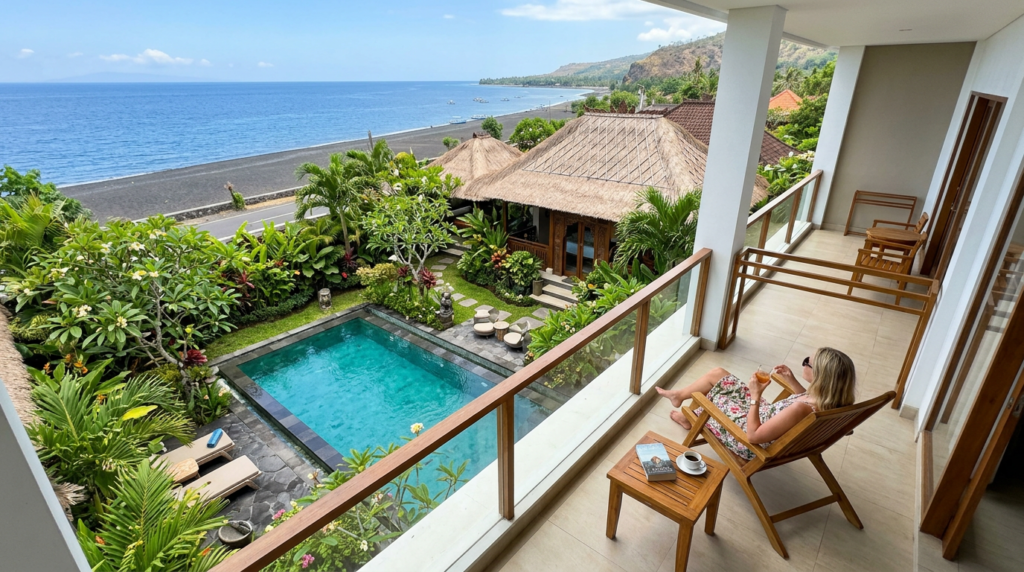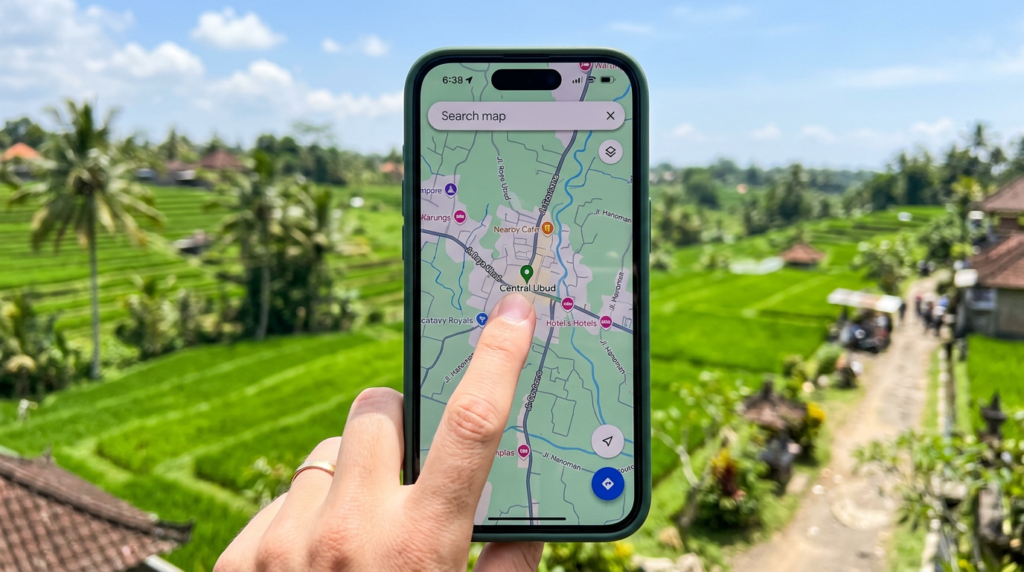

Imagine this: you are in Tabanan, excitedly scrolling through villa photos, and your thumb is hovering over “book.” Then a small doubt pops up. Will it look the same in real life, is the host legitimate, and is that deposit actually safe?
That is what safe booking is about. It is not just picking a pretty place, it is running a simple set of checks before you commit. The goal is to protect yourself in three ways: trust, accuracy, and protection. Trust means you are dealing with the right person or company, with clear authority to rent the property. Accuracy means the amenities and condition match what you were sold, not just what the listing shows. Protection means your payment and contract/deposit terms are clear enough that you have a real basis to resolve problems if something goes wrong.
Tabanan has its own “real-world” rhythm. Because it is less packed with tourist conveniences, you often rely more on transport, staff, and what the villa includes day to day. Internet quality, power reliability, and even flooding risk can vary across villas, so your checks need to cover more than the aesthetics. When you do that, the rest becomes straightforward.
In the next section, you will see what “safe” looks like in practice, using a workflow that goes from discovery, to vetting and communication, to verification, and finally to booking readiness. That way, once you arrive, you can relax instead of second-guessing everything.
Want help narrowing the right villa fit in Tabanan? Share your dates and must-haves with the team at Baliexpertvillas.com.
Safe booking is measurable, not a feeling. You can tell how safe a villa rental is by looking at three things: whether you can trust who you are dealing with, whether the villa matches what you were promised, and whether your payment and deposit terms are protected. When those three are in place, the rest of the process becomes much calmer.
In Tabanan, that clarity matters even more. It is quieter and more nature-focused, so you may be relying on transport, staff support, and what the villa includes day to day rather than easy nearby conveniences. Internet quality, power reliability, and even flooding risk can vary between areas and properties, so “safe” has to be checked, not assumed.
Short vs long stays change what you must verify
For short stays, the biggest risk is mismatch. You are counting on the pool, air-conditioning, hot water, and *Wi‑Fi* to work well immediately, so you verify practical details like pool sun exposure and comfort items before you arrive. For longer stays, the risk shifts toward the fine print. You need tighter clarity on deposits, maintenance responsibilities, staff coverage, and the overall terms of the agreement because your money and time are tied up for weeks or months.
Trust, accuracy, and protection form the safety pillars
Think of trust as legitimacy. The host or agent must have clear authority to rent the property, and communication should be clear and consistent. Accuracy is how closely the lived experience matches the listing, including real condition and amenities, not just marketing photos. Protection is your backup plan: payment method, written contract terms, and deposit rules should be specific enough that you can address problems without guesswork. Throughout the article, you will reuse these pillars to evaluate each decision, from your booking channel to your final confirmation and documentation.
Once you know what “safe” means in practical terms, the next section explains why it matters by spelling out what can go wrong when you skip these checks.
If you want a smoother process, consider reviewing what services and on-ground support are included with your villa selection through Baliexpertvillas.com services.
In the next section, you will see what “safe” looks like in practice, using a workflow that goes from discovery, to vetting and communication, to verification, and finally to booking readiness. That way, once you arrive, you can relax instead of second-guessing everything.
Why safe booking matters in Tabanan
What if it is not what you expected? That question can ruin the excitement before you even land. Safe booking exists so you do not pay, plan, and then scramble because reality is different from the photos.
Picture this: the pool looks huge in the listing, but the photos were taken at the perfect sun moment. When you arrive, the pool barely gets direct light.
This is an accuracy problem. If you cannot trust that key details match your daily life in the villa, you lose the experience you booked for. The takeaway is simple: verify things like pool sun exposure, not just pool size.
In one common case: a family books a villa for peace of mind, but there is no pool fence. Stairs and an upstairs bedroom add extra hazards.
This is a protection issue, because the safety features are part of what you agreed to rely on. When the villa layout is not child-safe, your “holiday” becomes constant supervision. The takeaway is to confirm pool fencing and layout risks before you commit.
Another situation looks like this: you arrive expecting smooth comfort, then you experience power outages or discover the villa is in an area prone to flooding. On top of that, the villa feels far from everyday services.
This is where Tabanan-specific operations matter. If you skip checks, you face stress and practical disruption, especially when you rely on transport, utilities, and staff day to day. The takeaway is to ask about power backup or flooding risk and consider how your location affects access to services.
Once you understand these “why it matters” scenarios, the next section turns them into a clear process for booking from first search to arrival-ready confirmation.
How the booking process should work
“The safest option is not always the one that sounds fancy. It is the one that gives you the most control over legitimacy, accuracy, and protection.” When you choose a booking channel, the balance of risk changes.
Major OTAs vs direct owner booking
Major OTAs can make discovery easy and often handle part of the payment flow, which helps reduce some risk. The tradeoff is you still need to verify legitimacy and accuracy through reviews, clear communication, and targeted questions. If you expect high-impact amenities, do not rely on photos alone.
Local agencies vs villa management companies
Local agencies usually have direct relationships and can respond quickly, which is a real advantage when you ask practical questions. Villa management companies tend to run with more standardized processes, maintenance habits, and staffing routines, so long stays can feel more predictable. Either way, document what you agree to and confirm details before money moves.
Direct owner booking vs management-style booking
Booking directly with an owner can be flexible and sometimes cheaper, but it requires stronger verification on authority and written terms. A management-style approach often gives you clearer communication expectations and a more consistent operational reality, especially in areas where utilities and access can vary. Safer does not mean “risk-free,” it means your checks reduce uncertainty.
Now that you have the big picture of how safety shifts by channel, the next section lays out the step-by-step way to book from first search to arrival-ready confirmation.
How to book safely step by step
Imagine you have already found a villa in Tabanan that looks perfect, and the calendar says “check-in tomorrow.” The fastest way to avoid last-minute stress is to book like a detective, but in a calm, organized way.
1. Shortlist by your must-haves
Start with non-negotiables, not vibes. Decide what you must have for your stay: a pool that fits your expectations, air-conditioning, reliable hot water, and Wi-Fi you can actually use.
If you are traveling with kids, also set safety requirements up front. A villa may look stunning, but if there is no pool fencing or the layout relies too much on stairs and upstairs bedrooms, it may not work for your group. It is easier to filter early than to negotiate later.
2. Vet the listing and the host
Now check trust signals before you go further. Look for communication that is clear and consistent, and pay attention to whether the host answers practical questions without dodging details. Reviews are helpful, but focus on comments about accuracy, service, and responsiveness.
Keep an eye on realism. If the price feels oddly low or the location details are fuzzy, slow down. Your goal is to confirm legitimacy and reduce the chance of a “ghost villa” or a place that is not what was advertised.
3. Ask targeted questions before you pay
Send a short message with specific questions, not a generic “Is everything okay?” One key warning is to avoid vague answers and pressure tactics. Treat communication speed as a safety indicator by aiming for a response within about 24 hours.
Copy-ready questions to ask include: “Do you provide airport transfers?” “Is daily cleaning included in the price?” “Who handles pool and garden maintenance?” “Do you have Netflix and YouTube available on the TV?” “Can you confirm the Wi-Fi speed with a live check?”
4. Verify the “must work” amenities
This is where many bookings quietly fail. Pool photos are often taken at the best sun moment, so ask for pool photos at different times, such as 10 am and 4 pm. If high walls limit direct sun, your “pool day” might not feel the way the listing promised.
For comfort and remote work, confirm the practical basics. Air-conditioning is a must in Bali’s humidity, and hot water should be available in unlimited supply for a real shower, not a short, uncertain trickle. For internet, request a real-time speed test result and confirm whether the TV has the streaming access you expect.
5. Confirm staff and maintenance expectations
Ask how the villa is run day to day. Clarify whether daily cleaning is included, what it covers, and who you can contact if something needs attention. For a smooth stay, you want staff to handle ongoing upkeep rather than you discovering issues after arrival.
Also ask about practical support that often gets overlooked. Can the team handle shopping or special requests? If the villa includes massage or spa services, ask what happens in-house and whether it is done properly with a proper massage table, not just improvised on the bed.
6. Check safety for your group
Safety is not just about locks. If you are traveling with children, confirm pool fencing and be cautious about layouts with stairs and upstairs bedrooms. The report highlights that stairs can be a real hazard even when the pool itself looks fine.
Check accessibility needs too, especially if someone in your group has mobility limitations. In Bali, steps are common, and wheelchair-friendly design is not something you should assume from photos alone. If you have a special requirement, ask directly.
7. Lock in contract and deposit terms
Before you finalize, insist on written terms that spell out the basics. You want clear details on the rental period, payment schedule, what the security deposit covers, and how it should be returned. If anything about deposits feels vague, that is your cue to ask for clarity.
Also confirm early termination rules and what happens if issues arise. For long stays, this step matters even more because you cannot “just switch villas” easily once you are settled in.
8. Secure payment and document everything
Finally, secure payment in a way that preserves records. Avoid informal personal transfers whenever possible and make sure you have proof of who you paid and what you agreed to. Save messages, receipts, and any booking confirmations.
On arrival, document the villa condition with photos or video so you have a clear baseline. This protects you if there is a disagreement about damages later, and it helps ensure the deposit conversation stays grounded in facts.
After you run through these steps, the next section will highlight the common mistakes people make and how to avoid them before they cost you time, money, or peace of mind.
What to watch out for
All major-platform listings are fully vetted
Most people assume a big platform means every villa is checked and verified. In reality, listings still depend on what hosts submit, so you can still get mismatched condition or unclear arrangements.
Prevention action: verify authority and ask direct questions, then confirm details you care about like cleaning, pool setup, and included services.
“Too good to be true” pricing is a deal
When a villa looks like a steal, it can feel exciting. The problem is that extreme discounts often correlate with higher risk, whether it is misrepresentation or major compromises you only notice after arrival.
Prevention action: compare the price to similar villas in Tabanan and refuse to book until the key amenities are confirmed.
WhatsApp direct booking is always safer
Here’s the twist: direct messaging can be convenient, but it also reduces structure and recourse if something goes wrong. Scammers can use the same chat tools to create urgency and move you toward informal payment.
Prevention action: insist on written terms for deposit and responsibilities, and only confirm details through verifiable communication, not just promises.
Deposit is recoverable automatically
Even when you pay a deposit, recovery is not guaranteed. Disputes happen when “damage” definitions are vague or when condition records were never made.
Prevention action: document property condition at check-in and check-out, and make sure deposit rules are written clearly in the agreement.
Secluded means no services
Another misconception is that “secluded” equals abandoned. In Tabanan, secluded often means quieter surroundings, but many villas still include staff support and day-to-day help.
Prevention action: ask whether daily cleaning is included and who handles pool and garden upkeep.
Pool photos always reflect sun all day
Pool shots can be timed for maximum light, so the pool may look brighter than it feels across your actual day. The same villa can deliver a very different pool experience depending on sun exposure.
Prevention action: request pool photos at different times, like 10 am and 4 pm, before you commit.
Right before you confirm the booking, you should turn all of these safeguards into one final check so the stay can start smoothly instead of with surprises.
Final checklist before you confirm
Did you confirm the essentials, or are you just hoping? A safe villa booking comes down to three pillars: trust, accuracy, and protection. When you have all three, day one feels predictable instead of stressful.
- ✅ Communication is clear, consistent, and responds within about 24 hours
- ✅ Pool photos are checked for sun reality using multiple times
- ✅ Air-conditioning is confirmed as a real working requirement
- ✅ Hot water is confirmed as reliable, ideally unlimited
- ✅ Wi-Fi is confirmed with a real-time speed test discussion
- ✅ Daily cleaning and included staff coverage are confirmed in the agreement
- ✅ Family safety checks done: pool fencing, stairs, and upstairs bedrooms
- ✅ Security expectations are clear, including in-villa safe and access controls
- ✅ Written contract covers deposit terms, what it covers, and return conditions
- ✅ Payment method is secure and you keep receipts and message proof
- ✅ Evidence is ready: photos or video at check-in for condition baseline
If you follow this, your Tabanan villa stay should feel calm, private, and exactly like the holiday you planned.
If you want to reduce uncertainty even further, the team at Baliexpertvillas.com can help you confirm the right details before you lock anything in.