Imagine you’ve just landed in Gianyar, your driver’s turning into a quiet lane, and you’re standing in the doorway with your bags, trying to decide what kind of stay you actually want. Do you want that calm, private feeling where you can sleep, splash, and eat on your own schedule? Or do you want the easy, familiar convenience of a hotel where most things are handled for you in a predictable way?
Here’s the core idea of this article, in plain terms. A villa stay and a hotel stay create different daily rhythms, even when both are “good quality.” The better choice depends on what matters most to you: privacy, your group size, how flexible you want meals and downtime to be, and how realistic the location is for getting around.
Before we compare pros and cons, we’ll clear up what “villa” and “hotel” usually mean in this area and why those definitions matter in real life. After that, you’ll get a simple decision rule for when a villa tends to fit better and when a hotel is smarter, plus the most important things to verify before you book. By the end of the intro, you should feel like you’re not guessing anymore, because you’ll have a framework, not just opinions.
Villas often match certain trip styles beautifully, especially for privacy and space. Hotels can still win when your priority is smooth, centralized convenience. Next, we’ll define what each one really means in Gianyar so the rest of the guidance makes sense.
Not sure which setup fits your plans? Discuss your group needs with the team at Baliexpertvillas.com before you book.
What “villa” and “hotel” really mean in Gianyar
Villa as a private self-contained rental
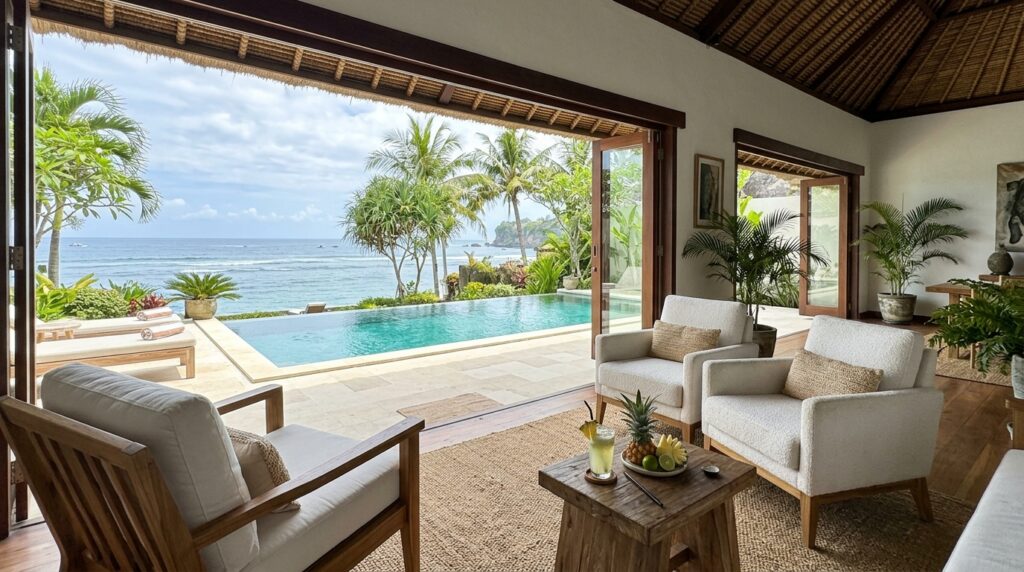
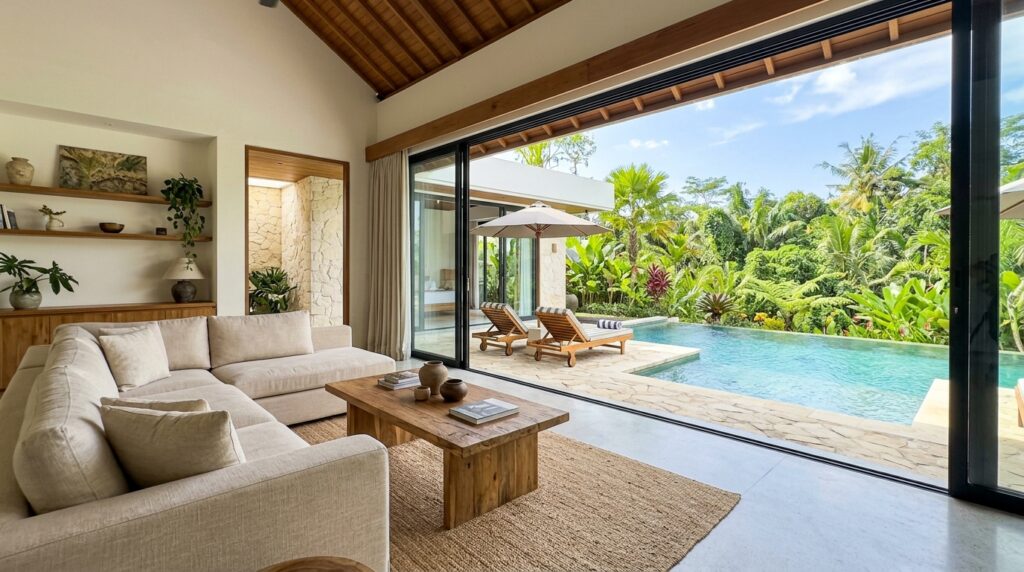
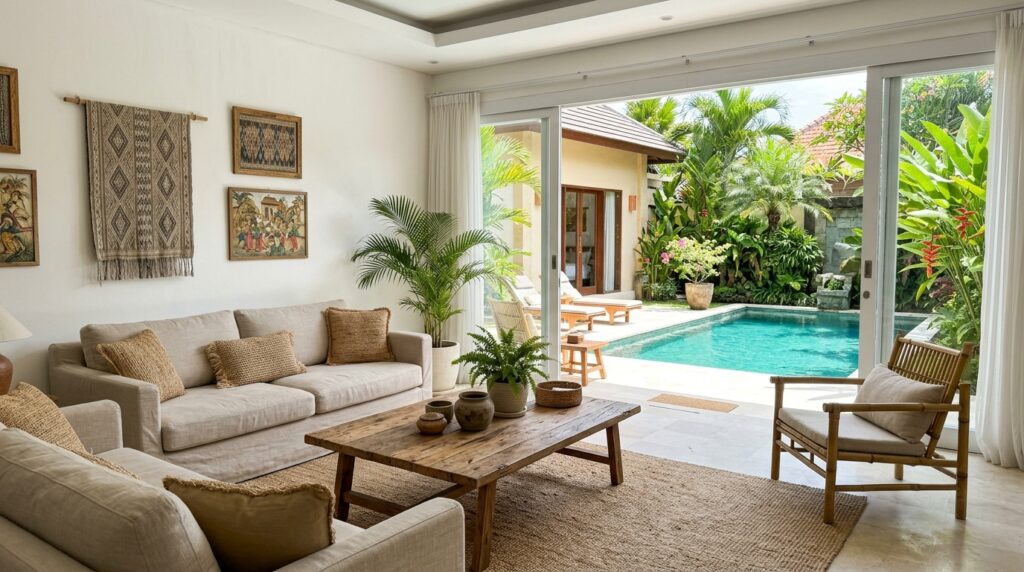
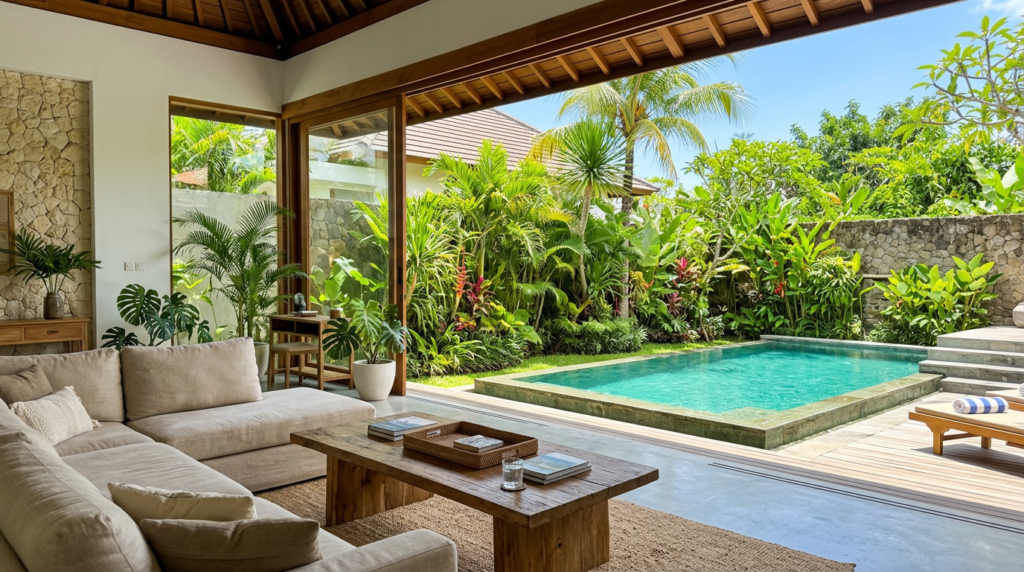
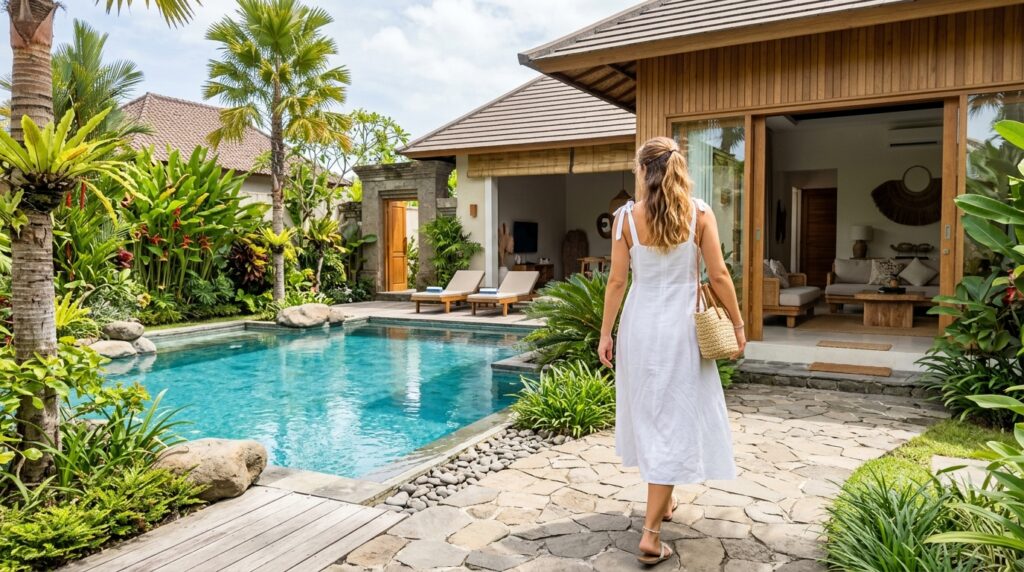
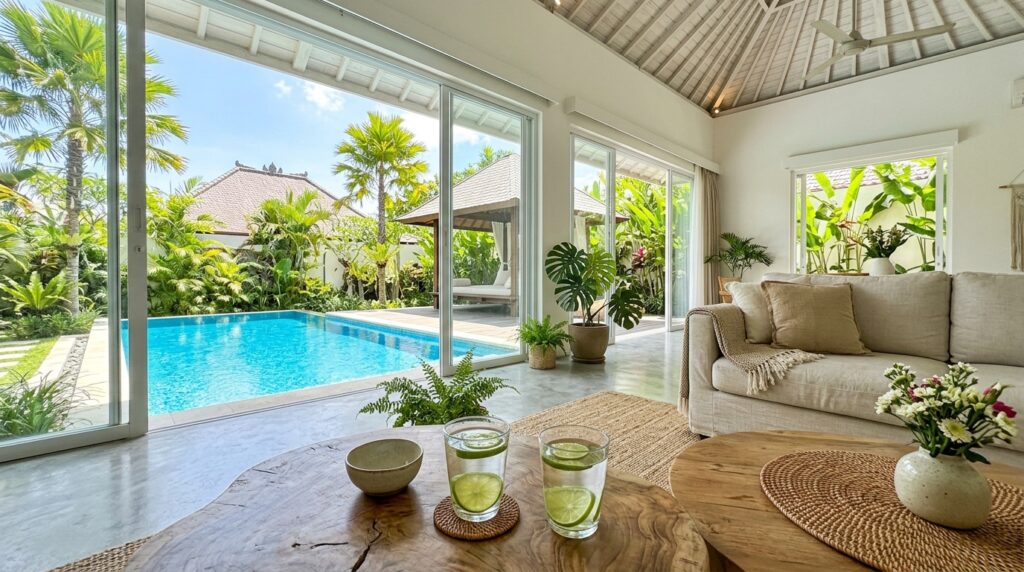
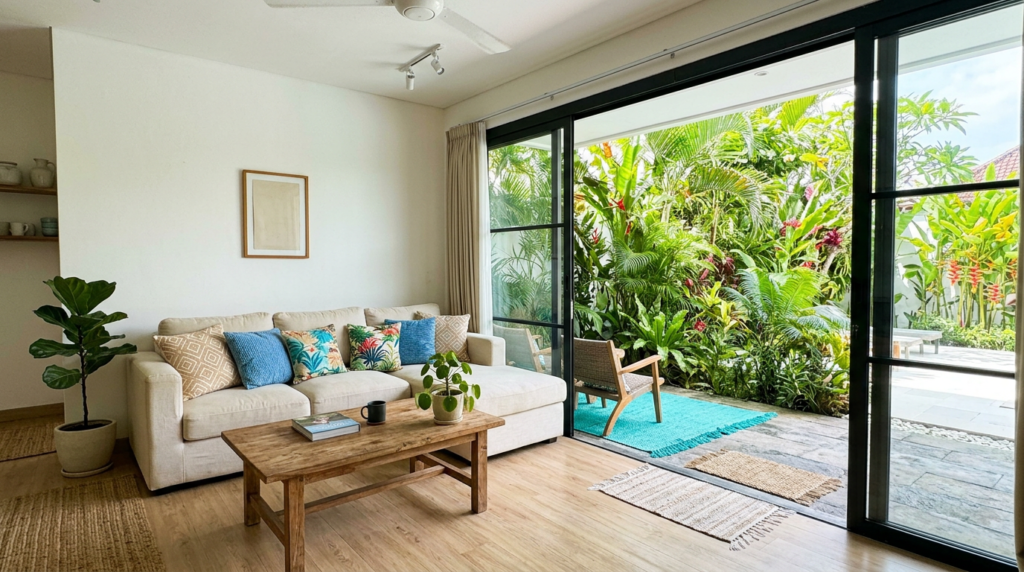
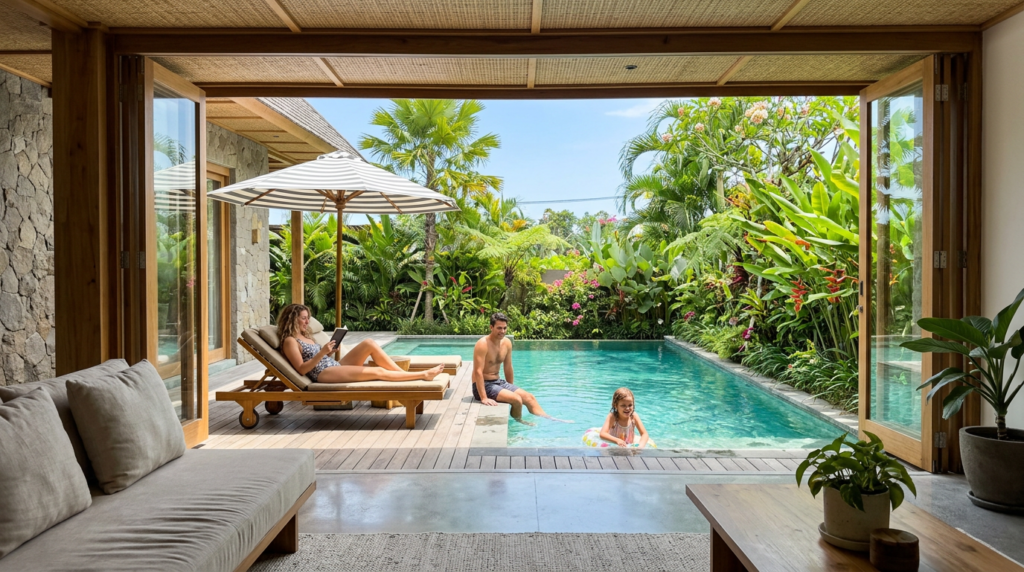
A villa is a private property you rent as your own space for the stay. In Gianyar, that usually means you get dedicated areas to live in, often including a private pool, an outdoor living setup, and frequently a kitchen. Because it’s not shared with other guests, your downtime tends to feel like it belongs to your group, not to a hotel crowd.
That privacy changes day-to-day life. Breakfast and meals can be more flexible when a kitchen is available. Even small things like moving at your own pace, relaxing without outside noise from shared facilities, and spreading out across rooms become part of the experience.
Hotel as a room-based stay inside a bigger property
A hotel is a lodging property built around rooms inside a larger operation. You’re usually sharing common spaces like reception areas, dining venues, and sometimes pools or recreation facilities. Services run through centralized teams and set routines, so the stay often feels more standardized and predictable.
In practice, that means your schedule can be shaped by hotel hours and on-site dining timings. Instead of managing a kitchen routine, you’re typically relying on restaurants or room service, which makes the experience more convenient but less “home-like” in the way it handles meals and downtime.
Gianyar and the Ubud pocket that changes the rules
Gianyar covers a range of areas, and one big reality is that the Ubud pocket within Gianyar brings a more cultural, busy atmosphere compared to quieter parts. So even if two accommodations are both “in Gianyar,” the feel can be very different based on their actual location and how easy it is to access what you want to do.
This is why micro-location matters in practice. A villa can feel wonderfully private, but its surroundings, road conditions, and nearby activity still affect noise, walkability, and how much coordination you need for transport. With hotels, the centralized setup can offset some location friction, but it cannot fully erase the trade-off of shared spaces.
Why these structures affect privacy and coordination
Once you separate “structure” from “marketing,” the main difference becomes clear. A villa’s self-contained setup tends to deliver more privacy and space, plus flexibility around meal timing when a kitchen is part of the package. A hotel’s shared, centralized model tends to deliver convenience through predictable operations and easier on-site service access.
Together, these definitions explain the bigger question you’re actually asking: villas often change the day-to-day through privacy and meal flexibility, while hotels change it through convenience and how much you coordinate. Next, you’ll see how that setup translates into an actual rhythm for your trip day by day.
Ever felt like your vacation schedule gets run by the hotel, and you just end up reacting to the clock all day? Picture a stay where breakfast, downtime, and even small routines feel decided for you. That’s the hotel rhythm, and it often comes from how the property is set up and managed.
A villa, on the other hand, behaves more like a rented home. You have your own private space to anchor the day, with things like a private pool and dedicated areas for relaxing. If the villa includes a kitchen, meal timing becomes flexible too, because you can eat when it suits your family or group instead of working around restaurant hours.
Hotels work differently. They rely on shared facilities and centralized operations, so the day tends to follow predictable schedules and on-site service flows. Requests often move through a front desk and hotel teams, which is convenient, but it can also make everything feel less personal and less adjustable to your group’s exact pace.
Why villas feel better for many travelers
Privacy and a calmer pace
“The best part of a villa is when your relaxation finally stops being shared.” That quiet feeling is usually the first difference you notice. With private grounds and a private pool, you’re not constantly adjusting to other guests’ schedules or dealing with crowded common areas.
In Gianyar, this matters even more around the Ubud pocket, where the vibe can be busier. A villa gives you a retreat back to your own space, so downtime feels like a real reset instead of a pause between activities.
Space for families and groups
Travel with family or friends, and you quickly learn that “sleeping arrangements” are only half the problem. Villas often have multiple bedrooms and separate living space, so everyone can spread out and keep their routines from colliding.
This makes mornings smoother, especially with kids. It also helps groups spend time together inside the villa without feeling like you’re all stuck in one room between errands and tours.
Personalized service through villa staff
In a hotel, help usually flows through the front desk and set service patterns. In a villa, support is typically more group-focused, often involving a villa manager plus housekeeping who keep your specific space running well.
Depending on the villa, you might also get additional roles arranged for your stay, like a chef or even a nanny. When staff are oriented around your group, requests feel more like they’re handled around your day, not around a building’s schedule.
Food flexibility from kitchens
A kitchen can turn meals from a daily “where do we eat?” problem into an easy part of your rhythm. If your villa has one, you can adjust meal timing, stock groceries you actually like, and make the day feel less rigid.
Some villas also make it simple to do an at-villa meal moment, like an optional BBQ, without needing to plan restaurant reservations every night. For families, this flexibility can be a huge comfort, not a luxury.
Fewer hassles when requests get coordinated
Here’s the underrated benefit: villas often reduce friction because you’re dealing with a small team focused on your stay. Instead of juggling multiple contacts and departments, the flow tends to go through your villa manager or the on-site team.
That doesn’t mean everything is automatic, but it usually feels simpler. Your vacation stays easier to manage, especially when you’re balancing activities, transport, and meal planning across a group.
So what is the takeaway? These benefits explain why many travelers prefer villas. That said, villas aren’t automatically better, and the next section will show when hotels tend to win instead.
If you want to match privacy, space, and kitchen flexibility to your exact group, explore Baliexpertvillas.com villa options in Bali and shortlist what fits your routine.
When a hotel can be the smarter choice
Short stays and streamlined operations
If you’re only in Gianyar for a couple of days, the hotel model often feels effortless. Hotels run with centralized routines, so you get predictable daily operations without needing to coordinate daily requests through a villa team.
With villas, the experience can still be great, but you may spend a bit more time aligning expectations, especially around meals and timing. Hotels trade away some privacy, but they tend to reduce friction fast when your trip is short.
Solo and couple convenience without extra coordination
Most people assume villas are automatically better, but for solo travelers and couples, that’s not always true. A hotel usually matches the “I want easy logistics” style, because help flows through onsite staff and reception rather than a dedicated manager for one specific property.
You’re also typically booking less space than you would in a villa, which can feel simpler and sometimes more straightforward for couples who just need a comfortable base. The trade-off is that you won’t get the same private, spread-out feeling.
Convenience-first dining and predictable schedules
Hotels are built around on-site dining and set service timings, so meals are handled in a predictable way. If you don’t want to think about groceries, kitchen routines, or meal planning, that schedule can be exactly what you need.
In a villa, the kitchen can be a huge advantage for flexible meal timing, but it also shifts some responsibility to you or requires coordination if you’re using optional chef services. Hotels usually win for people who want everything to feel “turnkey,” even if it means less privacy.
Social atmosphere and shared energy
If you enjoy being around other travelers, a hotel’s shared spaces can boost the vibe. Communal areas make it easier to bump into people, try different on-site options, and keep the day feeling active.
Villas are calmer by design, which is great for quiet downtime, but it can feel less lively. Hotels usually trade away some of that solitude for an easier social flow.
Centralized help via reception and onsite teams
When things come up, hotels often make support feel instant because there’s a centralized setup. You can ask questions, arrange simple needs, and move through daily life with the confidence that help is organized at the property level.
In a villa, the process can still be smooth, but it often goes through a villa manager and housekeeping focused on your stay. That can feel more personalized, but it’s still a different coordination style. Either way, remember the trade-off: hotel convenience usually means less privacy than a villa.
You’ve now seen where villas shine and where hotels win. Next, it’s time to choose with a practical pre-booking workflow, so you don’t get stuck guessing later.
How to choose without booking regrets
1. Match your group size to the space
Nothing hurts more than paying for “space” and realizing it doesn’t work for your people. Start by counting your group and thinking about how you’ll actually live inside the place. A villa often earns its value when everyone has room to spread out across bedrooms and living areas.
If you’re booking too small, you may feel cramped. If you’re booking wildly oversized, you might pay more than you need. Aim for a setup where the layout supports your daily routine, not just your sleep plan.
2. Check location and transport reality
“It’s close” can be a trap, especially with Bali’s road conditions. Scan the micro-location, not just the broad area name. In Gianyar and the Ubud pocket, steep roads, traffic, and limited sidewalks can make walking feel harder than expected.
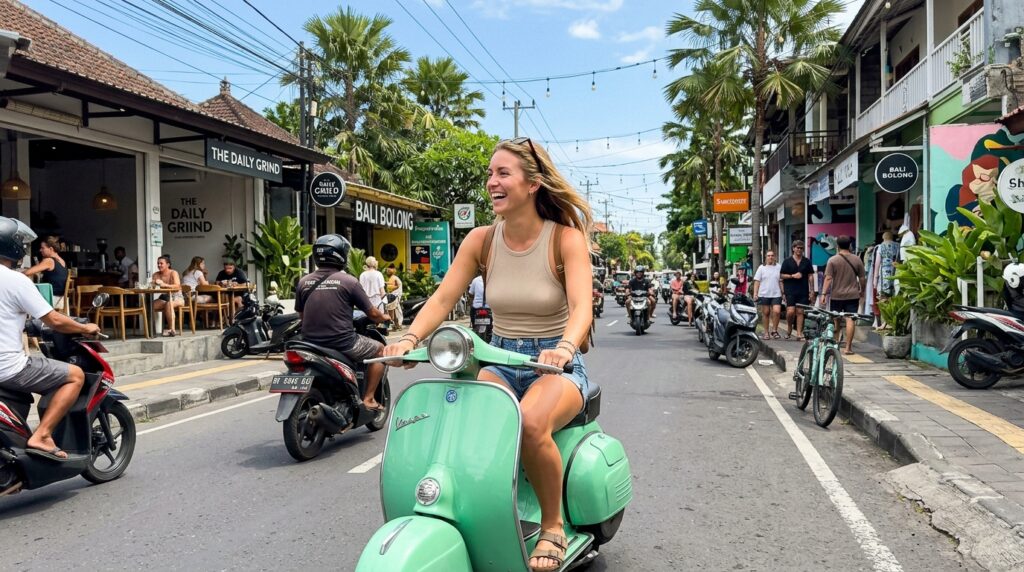
Also think about how you’ll move day to day. Decide early whether you’ll rely on a scooter, a private driver, or other transport options. The goal is simple: match the accommodation’s accessibility to your actual plans.
3. Verify services, costs, and security
Before you book, don’t accept vague promises. Confirm what’s included and who provides day-to-day help. In a villa, that often means knowing the role of a villa manager and housekeeping, and whether optional perks like a chef, butler, or nanny are available.
For privacy, check pool sightlines using photos and recent reviews, and look for mentions of noise or construction. For safety, verify basic security details such as a gated compound and safes, and whether 24-hour security is provided if the property offers it. Then you can decide with fewer surprises, based on a clear rule that fits villas and hotels differently.
With these checks done, your choice becomes easy to justify. Next, you’ll use a simple decision rule to match your trip style to the right accommodation.
A simple decision rule for your trip
Villa fits best when privacy, space, personalized service, and meal flexibility matter most. If you want your private pool and downtime to feel truly yours, and you’re traveling as a group or family who needs rooms to spread out, a villa is usually the easiest match. When there’s a kitchen, you can also shape meal timing around your day instead of working around restaurant schedules.
Hotel fits best when centralized convenience and predictable dining reduce coordination. If you’re prioritizing smooth logistics, especially on short stays, hotels make it simple because services run through centralized staff and on-site routines. You’re trading away some privacy, but you gain less planning and fewer moving parts, which can be exactly what you want. That said, even a good rule can be derailed by common misconceptions, and the next section will clean those up.
Common misconceptions that cost time or money
Villas are always more expensive
That belief comes from looking at the total villa price tag and forgetting it’s one rental unit. For families and groups, you may split the cost across more people, and the villa’s space and private setup can replace some hotel expenses.
If you compare only “per night” instead of “per person plus what’s included,” you risk choosing a hotel when a villa would have been the better value.
“Private” means total visual isolation
Because “private villa” sounds absolute, people often stop thinking after they book. In reality, privacy can be about access (you don’t share with other guests) and not always about total visual seclusion from neighboring properties.
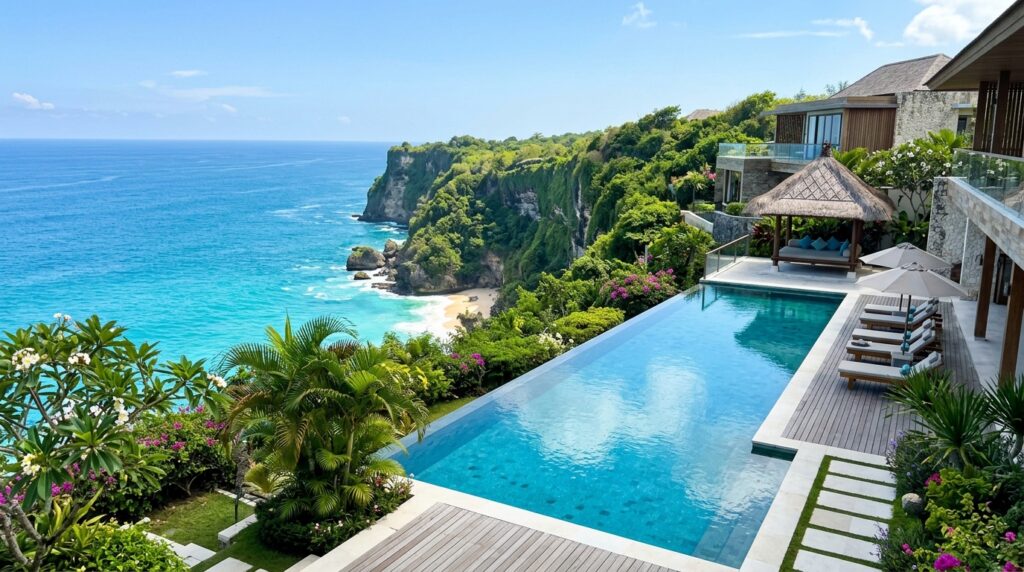
If you don’t check pool sightlines and recent reviews, you might feel disappointed by how the infinity pool view or surrounding angles actually work.
Luxury villa automatically means top operational quality
Luxury photos are convincing, but the real difference is maintenance and responsiveness in a tropical environment. A villa can look stunning and still fall short if utilities are unreliable or staff support is slow.
Over-trusting marketing can lead to wrong expectations and frustration once you’re there.
Villas are always less secure or unsafe
This isn’t automatically true. Many reputable villas include basic safety measures like gated compounds and safes, similar to what travelers expect from hotels.
The mistake is assuming safety is one-sided. If you don’t verify security details, you might book with a false sense of security.
Villas always eliminate hassles
Here’s the catch: villas reduce crowding, but they don’t remove coordination. You may need to work through a villa manager or staff team for meals, timing, and any special requests.
If you expect hotel-style instant convenience from day one, you can end up feeling like you’re doing more planning than you meant to.
Suites replicate villa space
Suites can feel roomy in photos, but they rarely match a villa’s full layout with separate bedrooms, living areas, and private outdoor space. That difference shows up fast for families and groups who want to spread out.
When you assume “suite equals villa,” the likely consequence is a comfort mismatch and a less relaxing stay.
The best way to avoid these mistakes is to verify a few high-impact details next, the kind experienced travelers check before they decide.
Things to verify like an experienced traveler
Micro-location and noise or access reality
One blocked sidewalk can turn “close by” into a daily hassle. Check the micro-location, not just the area name. In Gianyar and the Ubud pocket, steep roads, traffic, and limited sidewalks can make walking feel harder than expected.
Scan recent reviews for noise or construction mentions so you don’t get surprised by the actual sound level during your stay.
Operational quality in tropical conditions
Pretty photos don’t guarantee comfort. Verify operational quality by looking for clues about maintenance and responsiveness, especially for tropical issues like water, cooling, and general upkeep.
This helps you avoid the “luxury look, frustrating stay” problem that happens when utilities or staff support aren’t reliable.
Seasonality effects beyond weather
Don’t think seasonality is only about rain. Peak periods can bring more crowds, which often means more ambient noise even if your villa feels private at first glance.
Shoulder months may feel calmer, so match the vibe you want to the time you’re traveling.
Private doesn’t always mean visual privacy
The word private usually means you don’t share with other guests, but visual privacy can vary. Use photos and reviews to check privacy sightlines, especially around a private pool or infinity pool view.
If reviews mention neighboring visibility, adjust your expectations before you arrive.
Transport feasibility planning
Many villas feel secluded, which usually means you need transport. Don’t rely on walkability assumptions, especially with steep roads and traffic.
Plan for drivers or scooter options early so your accommodation location supports your itinerary instead of working against it.
These checks reduce the biggest disappointment risks because they focus on the details that control your day, not just the marketing.
Now that you have both a rule and this verification checklist, the final step is choosing confidently without getting derailed by misconceptions.
So, is renting a villa better in Gianyar?
Is renting a villa better than staying in a hotel in Gianyar? Often, yes for privacy, space, personalized service, and meal flexibility, especially if your group wants a kitchen-driven routine and a calmer pace away from crowds in the Ubud area. The decision rule stays simple: pick the option that matches your priorities, then verify the high-impact details before you commit.
Villas tend to win when you want privacy and control
A villa usually fits best when you care about exclusive downtime, spreading out across bedrooms and living areas, and having a flexible meal rhythm through a kitchen. You trade away centralized convenience, but you gain a more home-like experience that can reduce everyday stress when the stay is planned around your group’s pace.
Hotels tend to win when convenience beats planning
A hotel tends to be the smarter choice for short stays and travelers who want predictable schedules and on-site dining without coordination. Centralized help and standardized operations make logistics smoother, even though you generally give up some privacy compared to a villa. If you follow the verification checklist for location, inclusions, services, security, and transport realism, your choice becomes much clearer.
Next, you can take that checklist into your shortlist with confidence, so you book with clarity instead of hope.
Need help matching your priorities to the right stay? Baliexpertvillas.com is ready to help you plan the perfect strategy – contact us for a free consultation.