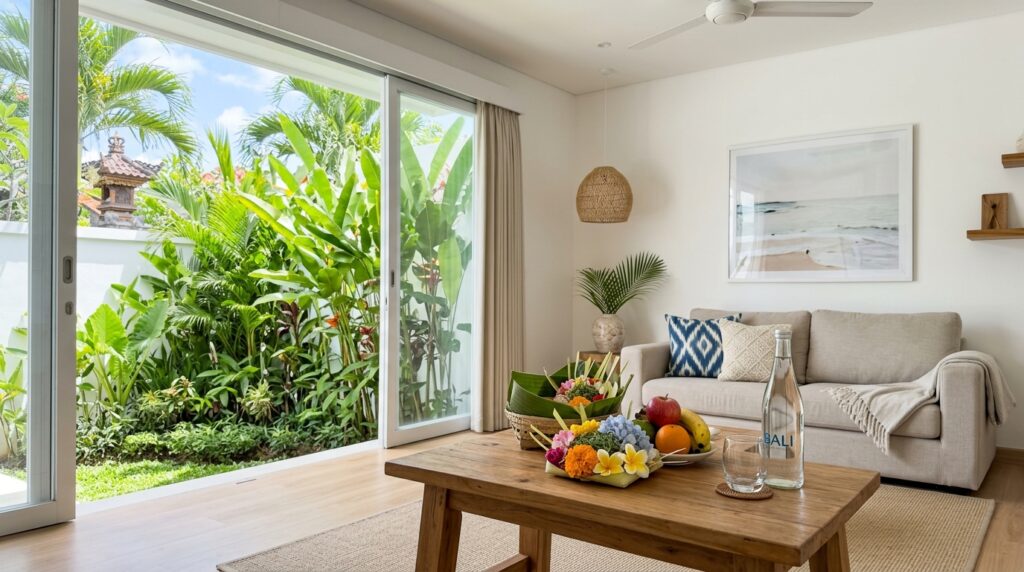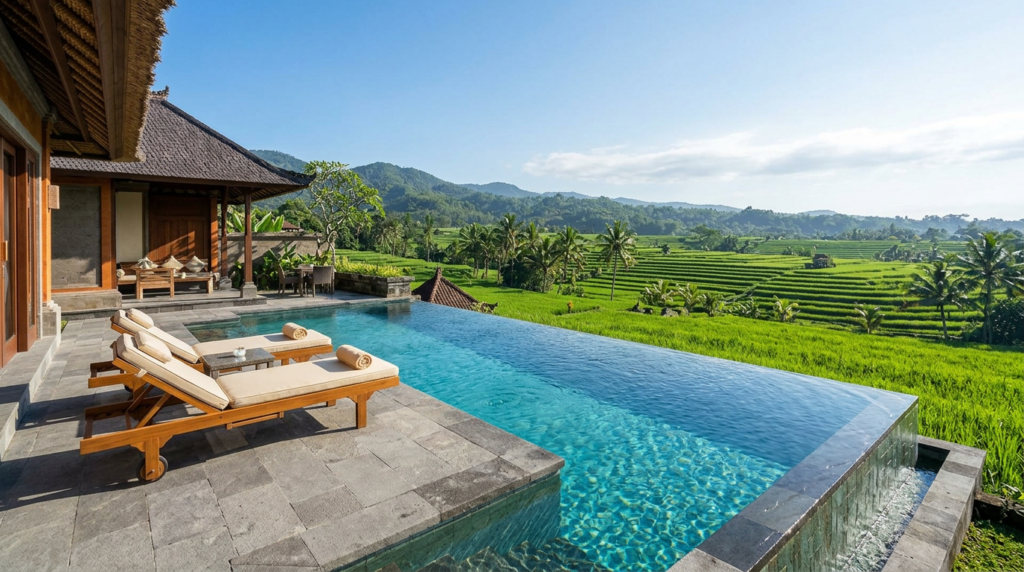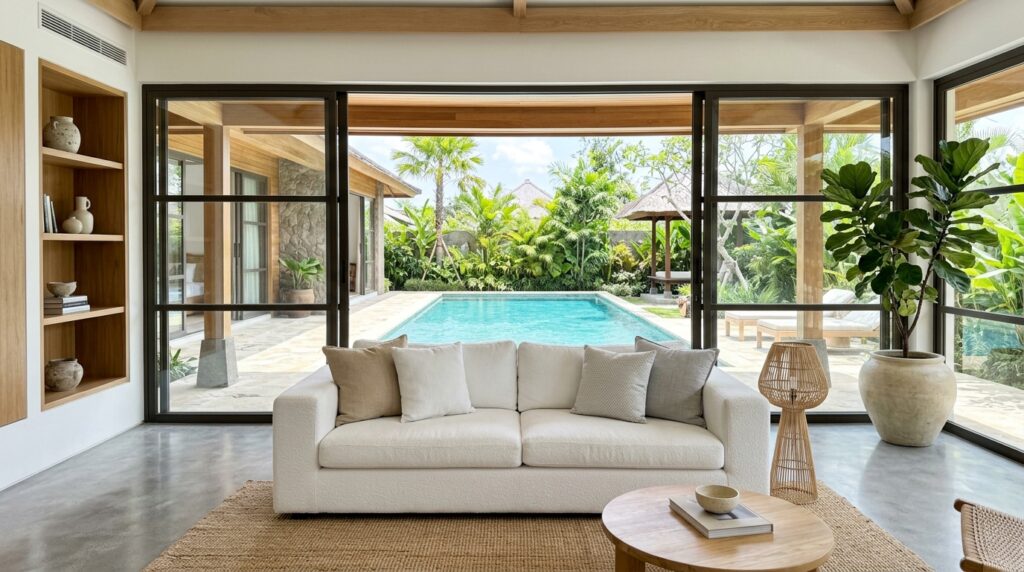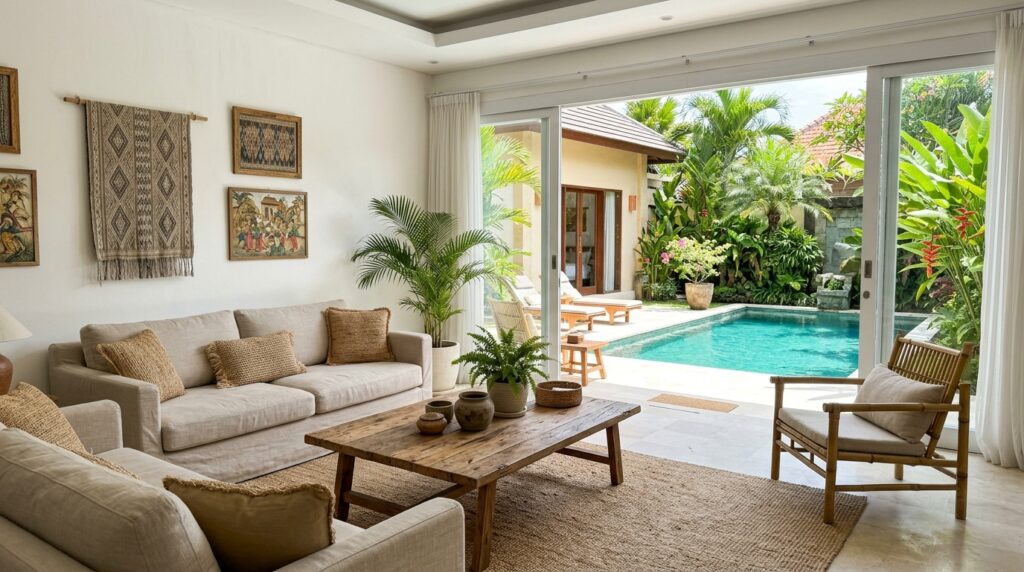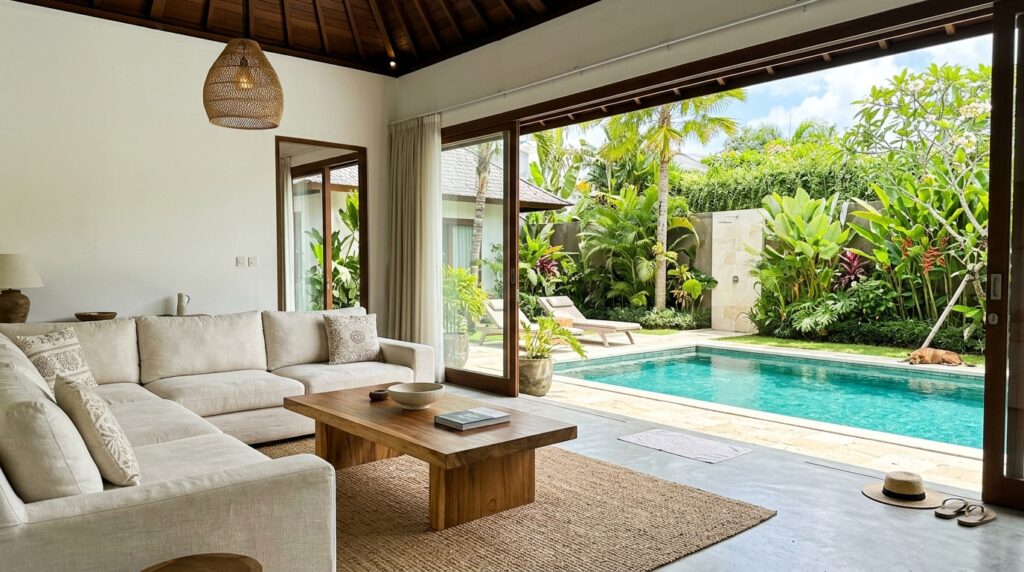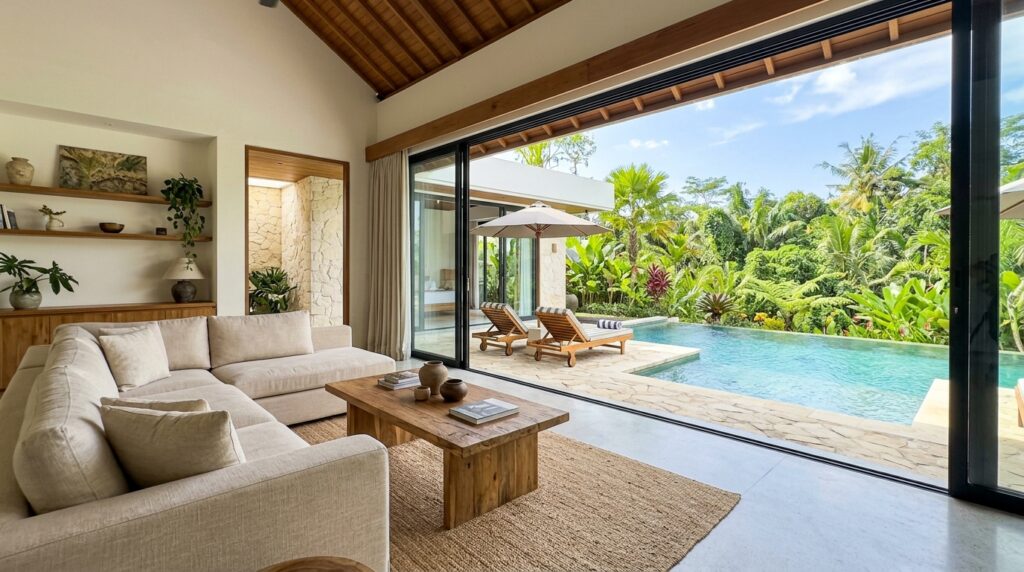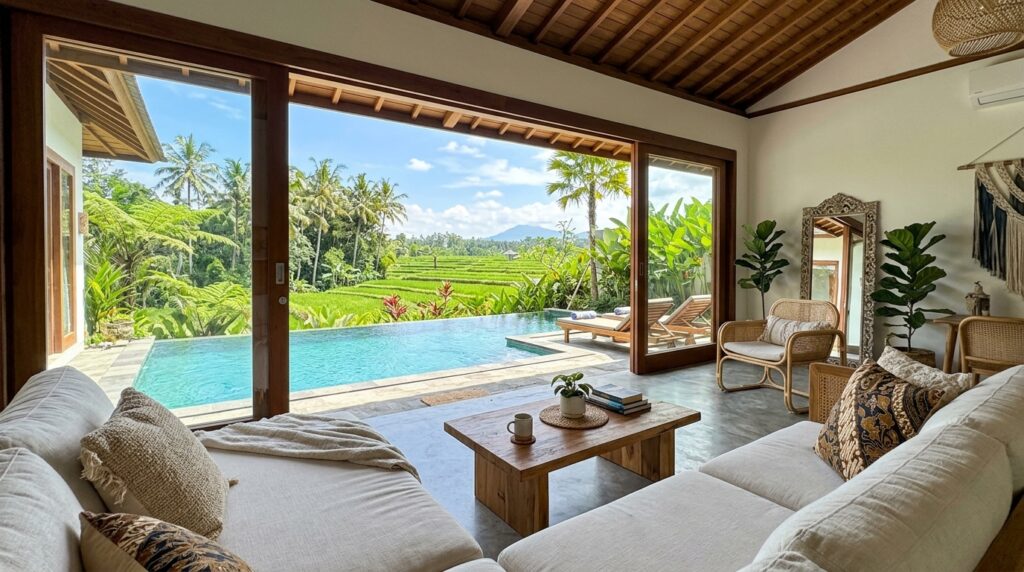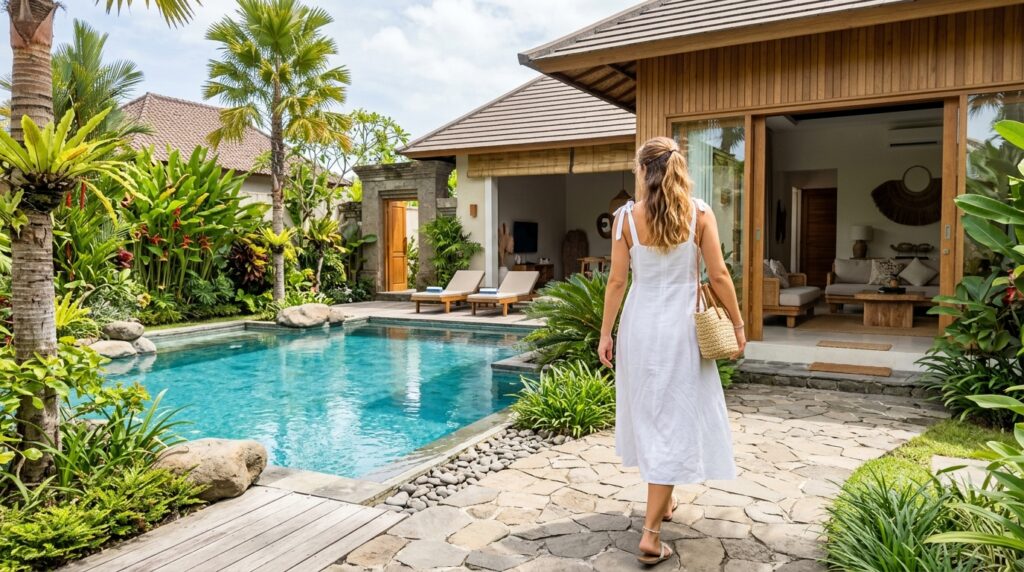
Imagine you just landed your Bali flights, you open a map, and suddenly you’re staring at Kerobokan like it’s a destination all by itself. But then you realize people are talking about Seminyak, Canggu, traffic, and day trips, and you’re left wondering one simple thing: how many days should you spend in Kerobokan?
Here’s the key idea: Kerobokan works best as a base camp. It’s close enough to Seminyak (to the south) and Canggu (to the north) to make exploring easy, while still feeling more residential and local than the flashier hotspots. In other words, your stay length should match how you want to move around, not just what the neighborhood sounds like.
Next, we’ll map it to your days. We’ll start with what Kerobokan is really best for, then break down practical pacing ranges based on travel style, and finish with the common do’s and don’ts that keep your schedule from getting stressful.
First step: understanding what Kerobokan is best for, so your itinerary actually fits how you travel.
Looking for the right villa base in Kerobokan to match your pace? Explore options at Baliexpertvillas.com and shortlist a stay that fits your plans.
Kerobokan is worth staying in mainly because it’s a smart base, not because it’s packed with “must-see” tourist spots. If you get that right, your whole Bali trip feels easier and more relaxed. If you miss it, you’ll feel like you’re always traveling, even when you’re “in” the neighborhood.
Picture a first-timer arriving in Bali and choosing a villa in Kerobokan. They do mornings in one direction, afternoons in the other, and then come home for something simple: a local meal, a quick browse of nearby boutiques, and that quiet villa downtime they didn’t know they needed. Their day doesn’t revolve around one big attraction. It revolves around smooth movement.
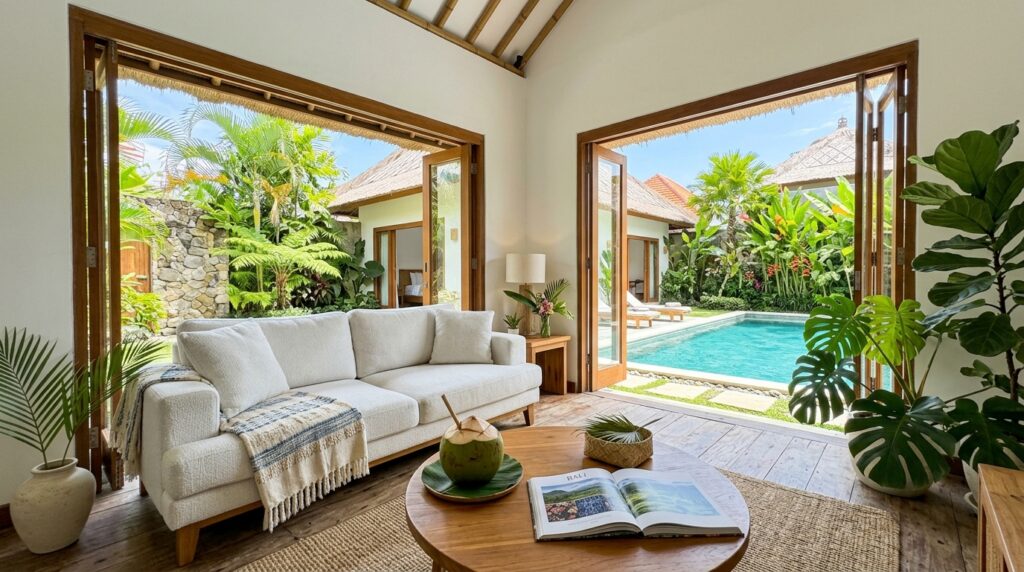
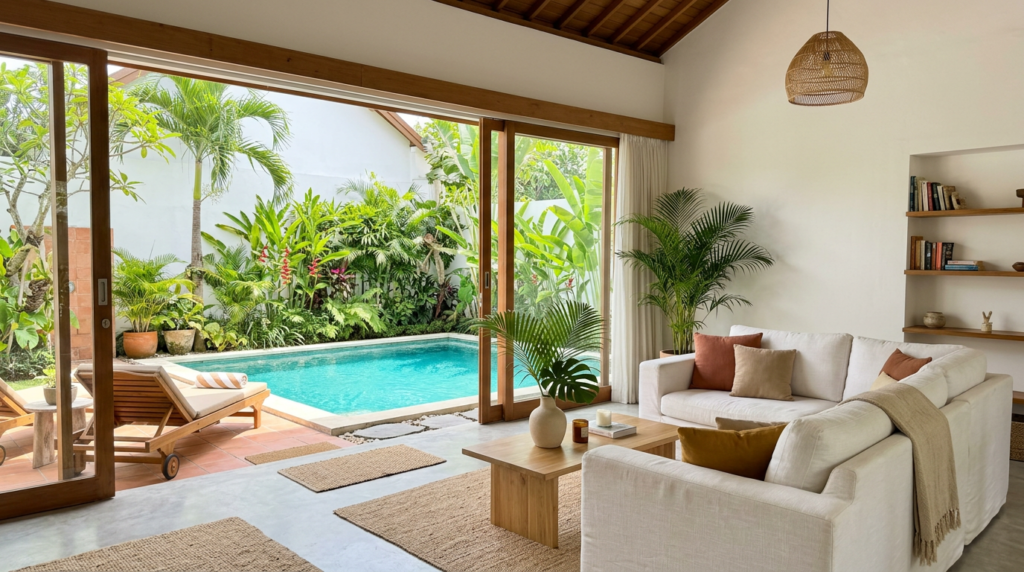
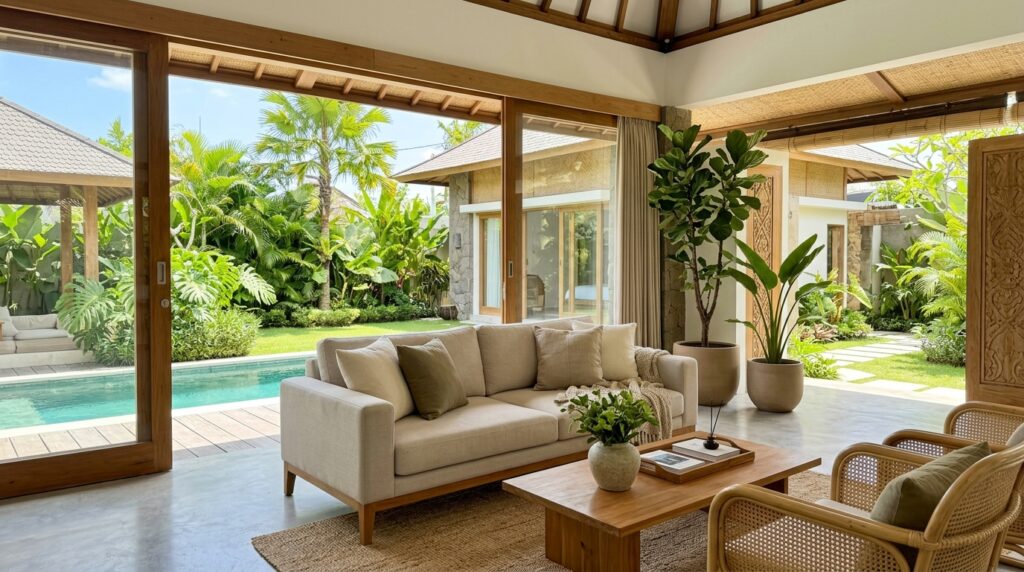
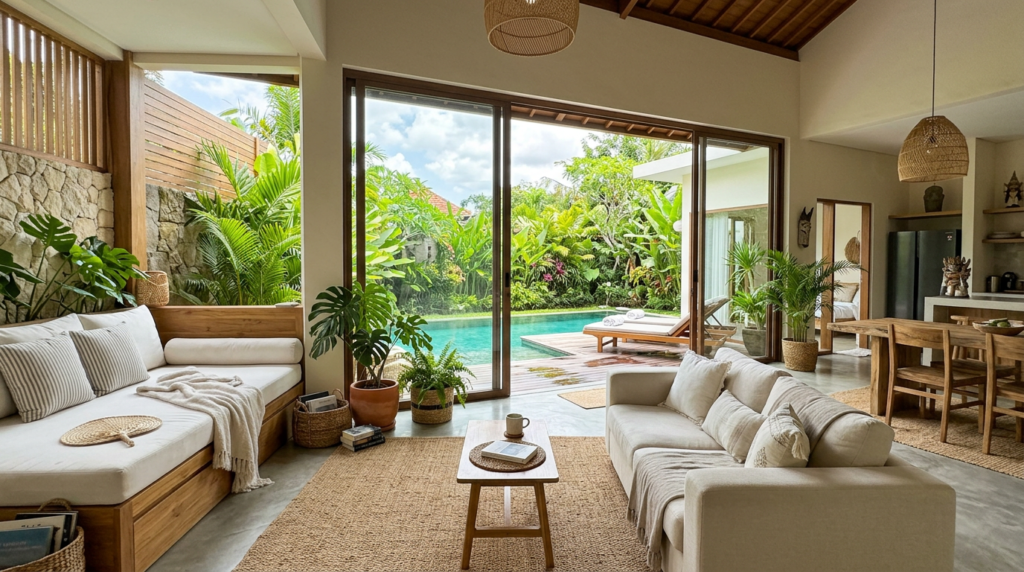
Kerobokan, in practical terms, is a district with a residential vibe and a strong villa culture. You’ll find warungs for local food, small boutiques for shopping that feels more personal than souvenir hunting, and enough expat-friendly services to keep things convenient when you want a break from the “on the road” feeling.
The geography is the real planning superpower. Kerobokan sits close to Seminyak on the south side and close to Canggu on the north side. That means your day count depends on how much you plan to switch between those directions. Want a few excursions while spending most of your time resting locally? You can choose fewer days. Want to bounce around often and still feel comfortable? You’ll naturally need more.
So when you’re deciding how long to stay, ask yourself how you’re using Kerobokan: as a base camp, or as “where you live” all week. Treat it like a base camp and the trip often works with fewer days. Treat it like your main destination, and you’ll want more time to actually settle in. Next, we’ll get even more specific by looking at Kerobokan’s different vibes, starting with Kelod vs Kaja.
Kerobokan Kelod vs Kaja, and why it matters
If you’re trying to plan a Bali stay, picking the wrong part of Kerobokan can quietly wreck your schedule. Kerobokan Kelod tends to feel more developed and more tourism-friendly, and it’s closer to Seminyak. That usually means it fits travelers who want easier access to shopping, dining, and nightlife in the south without constantly changing plans.
Kerobokan Kaja usually feels more residential and more locally grounded. You’ll often associate it with a calmer rhythm and more classic scenery, which can shape what you do day to day when you’re trying to slow down instead of bouncing around.
Here’s the takeaway: your stay length becomes easier when your location matches your plan. When Kelod matches what you’re aiming to do, you waste less time, and the days you choose feel satisfying instead of rushed.
How many days is actually enough to feel good in Kerobokan?
There is no single perfect number. Your ideal stay length depends on your pace and how much you want Kerobokan to be more than just a place to sleep. Think of your trip as a mix of settling in, exploring nearby areas, and then slowing down enough to enjoy the quieter side of Bali.
Arrival and acclimatization days
If you want your trip to start smoothly, give yourself 1-2 days for arrival and acclimatization. This is when you figure out the basics like getting around, finding your go-to warungs, and getting comfortable with your villa rhythm.
This range works best for first-timers and anyone who doesn’t want their first day to be stressful. If you arrive, move immediately into heavy day trips, and repeat that every day, you’ll feel rushed fast.
Exploration and day-trip days
For the “we want to see a lot” part of your itinerary, plan 2-4 days for exploration and day trips. Kerobokan is a convenient base because it’s close to Seminyak to the south and Canggu to the north, so your schedule naturally revolves around movement in those directions.
This is also where Bali traffic becomes part of your planning mindset. These days are best when you keep your outings realistic, so you’re not sacrificing the time you actually meant to enjoy.
Relaxation and local immersion days
Once you’ve explored enough, 1-2 days for relaxation and local immersion is what makes the stay feel complete. This is when you linger at home, enjoy the quiet villa downtime, and spend time browsing locally without rushing to the next hotspot.
If your travel style is more about unwinding than collecting highlights, this is the part of the trip that helps Kerobokan feel like a destination, not just a base.
Fast base camp versus slow immersion
If you’re building a fast itinerary, a total of 2-3 days is often enough when Kerobokan mainly acts as your sleeping base while you spend most of your energy on nearby areas. You’ll still enjoy local meals and villa comfort, but your days won’t have much “slow margin.”
For a balanced first-timer stay, aim for 4-5 days so you get real orientation plus time to explore without feeling constantly behind. And if you want a slower, deeper feel, 4-6+ days lets you spend more time living the Kerobokan pace, not just passing through it.
Once you picture the acclimatize, explore, and relax flow in your head, these ranges start to make sense. Next, we’ll turn that pacing into what it looks like day to day.
“Pacing is how you turn a base location into a good vacation.”
1. Arrive and acclimatize for 1-2 days
Start with 1-2 days for arrival and acclimatization. Use this time to settle in, test your daily routine, and figure out the simplest way to move around from your place. This matters because you’re not just getting to Bali, you’re learning how your days will work in real life.
When you build this buffer, you’re less likely to feel stressed right at the beginning. The rest of your trip then feels smoother, not like you’re constantly trying to catch up.
2. Explore and plan day trips for 2-4 days
Next, give yourself 2-4 days for exploration and day trips. Plan movement around Kerobokan as your starting point, using Seminyak to the south and Canggu to the north as your main directions. Keep the schedule realistic, because time spent on roads is part of the experience.
When you pace your outings, you get to enjoy more than travel. You also reduce the frustration that happens when you try to cram everything into every single day.
3. Relax and immerse for 1-2 days
Finish with 1-2 days for relaxation and local immersion. This is when you slow down at the villa, enjoy local dining, and spend time wandering without forcing an itinerary. If you want Kerobokan to feel like a lived-in place, this phase is where that happens.
Depth comes from calmer days. You notice the neighborhood, not just the highlights.
Once this framework is in place, choosing your total days becomes much easier. Next, we’ll use style-based examples so you can visualize what each range looks like.
Picture this: you’re deciding between “quick base trip” and “actually settling in,” and you want the day count to match how you’ll spend mornings and evenings.
If you’re on a fast itinerary, a total of 2-3 days often works best. Kerobokan becomes your main starting point, while your days are mostly about moving between Seminyak and Canggu and coming back for local food and villa downtime. This is ideal when you want to experience a lot quickly without overthinking your schedule.
For a balanced first-timer stay, 4-5 days gives you breathing room. You can handle orientation, enjoy the comfort of staying put for parts of the day, and add a few excursions without feeling like you’re racing traffic every time you step out. You’ll also experience more of the everyday Kerobokan rhythm, not just the highlights of nearby areas.
If your goal is slow living, 4-6+ days is where Kerobokan starts to feel like home. You’ll have time for calmer wandering, deeper local immersion, and a schedule that doesn’t revolve around constant back-and-forth. Remember, Kerobokan isn’t a direct beach destination, so these longer days help you enjoy the base while you travel to the coast intentionally.
If you want a fast base, choose 2-3 days. If you want an easy first-timer balance, choose 4-5 days. For true slow immersion, choose 4-6+ days.
Now that you have the day-count “feel,” the next step is understanding what a multi-day base-camp plan looks like day to day.
How the base-camp plan works day to day
Nothing kills a vacation faster than realizing you keep losing hours to traffic and rushing, even when you thought you planned well. Here’s how a Kerobokan base-camp stay avoids that problem.
On Day 1, your mornings are simple: grab groceries, stop by a local warung, and take short walks around your area to learn the “local rhythm.” In the afternoon, you hang out at the villa for downtime, maybe do something low-key like a wellness session or a relaxed browse of nearby shops. This is the part where you stop feeling like you’re adjusting and start feeling settled.
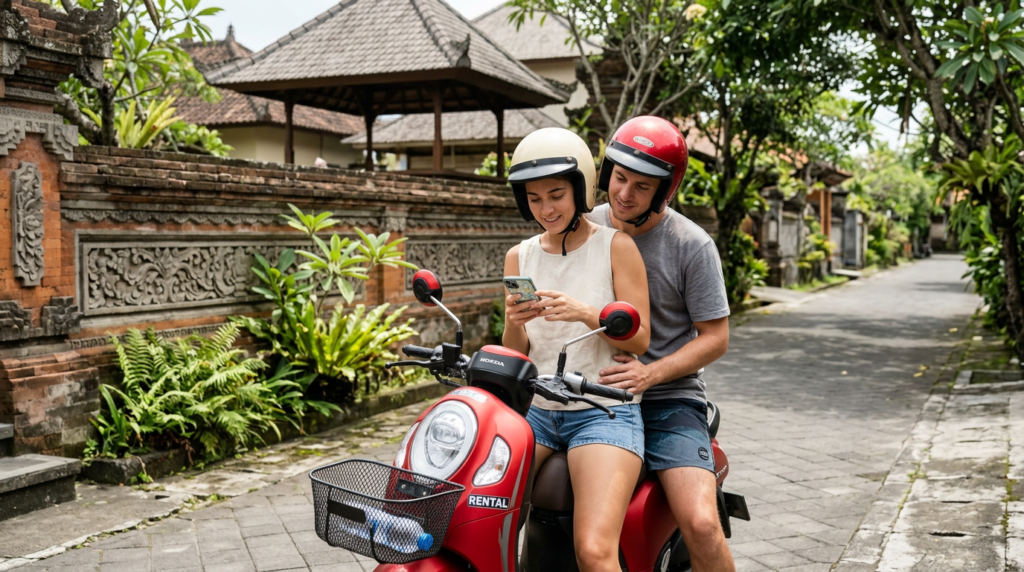
By the next day, your afternoons and evenings are where Seminyak and Canggu come in. You head out with a plan, but you don’t force nonstop movement. Kerobokan usually relies on a scooter as the default way to get around, and that matters because you’re building your schedule around realistic travel time, not just distance. When it’s late or the weather turns heavy, you can use ride-sharing or a private driver when needed, which makes the day feel easier.
Later in the stay, the pattern keeps paying off. You mix local dining with small shopping stops, and you add culture experiences like visiting temples or exploring rice paddies when you want something slower. You might book a cooking class or spend time at markets, then return for the calm of villa life. Beach days still happen, but you treat them as a short drive to the coast rather than something you expect from Kerobokan itself.
Now imagine the same plan with too few days. Every outing gets tighter, and the traffic stress feels bigger than it should. With too many packed days, you start spending your “Kerobokan time” in transit. With the right pacing, the perceived value rises because you’re not fighting your schedule.
Next, we’ll zoom in on the biggest daily spoiler: traffic timing, so you can schedule smarter from the start.
Traffic congestion is one of those hidden trip killers that steals your hours without you noticing, so timing small outings matters more than it sounds.
- Plan errands and local stops during off-peak hours
- Schedule short drives strategically instead of constantly moving
- Avoid over-scheduling so you don’t stack stress all day
- Use alternative routes or quieter lanes when possible
- Stay put when main roads get bad, even if it feels “wasted”
- Build buffer time so you are not racing the clock
- Choose ride-sharing or a private driver when conditions are tougher
The point is not to do more. It’s to make each day feel calmer, so your chosen number of days in Kerobokan actually feels worth it.
Once traffic timing is under control, the last big planning trap is believing the wrong assumptions about Kerobokan. That’s what we’ll cover next.
Common misconceptions that change the ideal stay
Kerobokan is just like Seminyak and Canggu
Many people expect the same vibe everywhere in that area, so they plan like Kerobokan is the main show. It’s not. Kerobokan is more residential and local, with villa life and everyday convenience.
When you assume it’s the same, your days feel shorter than you expected, and you end up needing more movement than planned.
Public transportation is easy and convenient
It’s tempting to think you can rely on buses or general transit without much thought. In Kerobokan, that’s not the reality. Most travelers depend on a scooter, and use ride-sharing or a private driver when conditions demand it.
If you plan without that in mind, you’ll lose flexibility and time, which can make a “perfect” day-count feel too tight.
Kerobokan is a primary beach destination
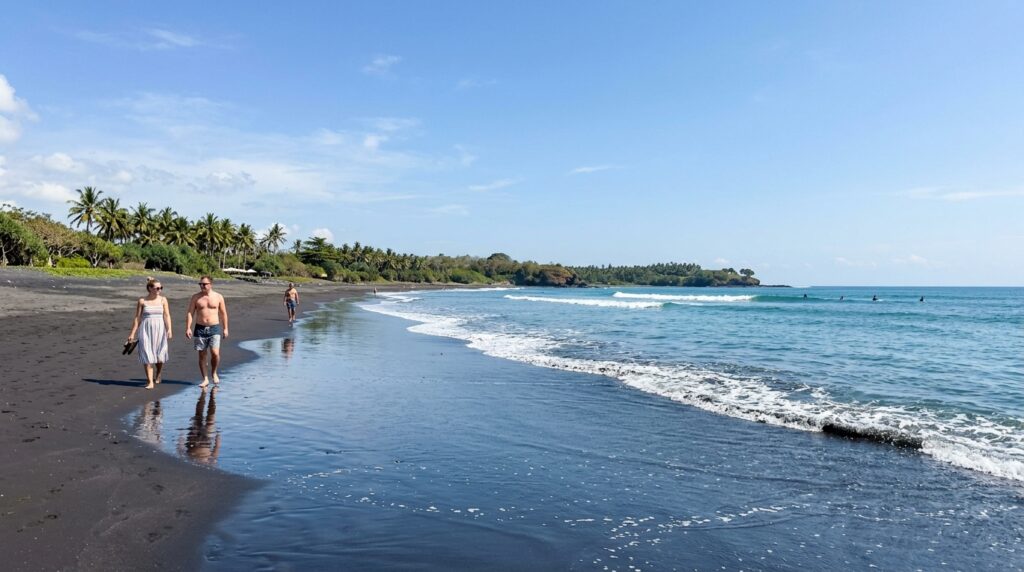
Kerobokan sits close to the coast, but it isn’t typically a beach-out-all-day base. Beaches usually mean a short drive to Seminyak or Canggu, not a quick walk from your accommodation.
That mismatch can cause disappointment, which often leads travelers to extend their stay just to “finish the beach part.”
All of Kerobokan feels the same
If you don’t pay attention to location, you might pick the wrong vibe zone. Kerobokan Kelod tends to feel more developed and closer to Seminyak, while Kerobokan Kaja feels more residential and locally grounded.
Choosing without this context changes what your days look like, so your ideal stay length can shift without you realizing why.
Local experiences always mean sacrificing comfort
Some travelers assume “local” equals basic and inconvenient, so they hesitate to spend enough time in Kerobokan. But you can still enjoy warungs and markets and also have villa comfort, modern services, and plenty of practical options.
When you over-correct for comfort, you may stay too short and miss the slower rhythm that makes Kerobokan satisfying.
Prices are always way cheaper than in Western countries
It’s common to expect every expense to be dramatically lower. Some things are more affordable, but international dining, imported items, and certain higher-end choices can narrow that advantage.
When you budget on the assumption of “always cheap,” you might cut experiences or feel stressed, which can make your trip feel like it needed more days.
The biggest planning error shows up right after these assumptions: treating every day like a strict checklist. Next, we’ll unpack how experts avoid that trap.
A checklist feels productive, but it costs you time
When your plan is packed like a checklist, you feel busy, but you also feel rushed. Each detour and delay adds pressure, and Bali traffic turns “quick stops” into stressful blocks of time. That’s the moment Kerobokan stops feeling like a base and starts feeling like a waiting room.
Buffered pacing feels slower, and that’s the win
With a buffered approach, you still plan, but you leave room for real life. This reduces the traffic stress, keeps your days from collapsing into one long rush, and makes local discovery easier because you are not constantly racing the clock.
Choose the right pacing and the right day count starts to feel obvious, because your schedule finally matches how you actually want to spend time in Kerobokan. Next, we’ll help you lock in the plan and decide what to explore.
Want your Kerobokan plan to feel effortless from day one? Learn about villa options and services on Baliexpertvillas.com.
What to do next once you book days
How should I split Kerobokan time and day trips?
Use your pacing idea: arrival and acclimatization, then exploration and day trips, and finally relaxation and local immersion. When you split like that, Kerobokan doesn’t feel like a pit stop. It feels like part of the trip.
For day trips, think about movement between Seminyak to the south and Canggu to the north. If you try to do it every day, you’ll feel the schedule tighten fast.
What is the best transport mindset for a tight schedule?
Assume a scooter will be your default. It’s the most common way to get around, and it helps you keep the day flexible. If the timing gets harder after dark or in heavy rain, it’s smarter to switch to ride-sharing or a private driver.
This mindset protects your energy. You stop planning around stress and start planning around comfort.
How do I avoid wasting time on traffic?
Plan errands and short outings during off-peak hours. That alone cuts down the “why is it taking so long?” feeling and makes each day feel more valuable.
Also avoid stacking too many commitments in one stretch. Buffer time keeps your schedule from becoming a race.
Should I explore Kelod or Kaja first?
Choose based on the vibe you want. Kerobokan Kelod tends to feel more developed and closer to Seminyak, so it suits travelers who want smoother access to busier areas. Kerobokan Kaja usually feels more residential and locally grounded, which fits slower wandering.
When your location matches your plan, your days feel easier even with the same number of nights.
Once these choices are clear, the rest becomes simpler: your itinerary finally supports the pace you wanted in the first place.
“The right number of days is the one that lets you enjoy your pace, not fight it.”
Your best Kerobokan number is the one that fits your pace
Base camp mindset
Kerobokan works best when you treat it as a base camp between Seminyak and Canggu. That mindset changes how you feel about travel time, because you’re not trying to make Kerobokan be everything. You’re using it as a calm starting point, so fewer days can still feel satisfying if your plan is realistic.
Acclimatize first
Don’t skip the settling-in phase. Giving yourself the 1-2 days for arrival and acclimatization helps your schedule match real life, not just your itinerary fantasy. When you do this, the rest of your stay feels smoother, even if you chose a shorter total number of days.
Explore with buffers
During the exploration window, plan trips in a way that leaves room for Bali traffic and your own energy. This is where the report’s pacing logic shines: explore with buffers so you’re not constantly rushed. With the right day count, you get more enjoyment per outing because you’re not spending your “vacation focus” stuck in transit.
Immerse locally
Finally, the magic happens when you add time for relaxation and local immersion. Those 1-2 days are what make Kerobokan feel lived-in, not temporary. When you match your days to your travel style, you trust the rhythm you chose and enjoy the slower side of Bali.
If you want a Kerobokan stay that matches your pace from the start, Tim Baliexpertvillas.com is ready to help you plan the right villa fit and schedule.