
Imagine you have two possible Bali dates on your calendar, both “pretty good” on paper. One month promises sunshine. The other is known for a better deal. Suddenly you realize you’re not really choosing between months, you’re choosing between the kind of Bali experience you want.
Bali is a year-round destination near the equator, so it doesn’t swing wildly in temperature like some places do. The bigger changes come from rainfall and humidity, which then affect comfort, crowds and traffic, prices, and even how well certain activities work. That’s why there isn’t one single “best time” that fits everyone.
In this guide, you’ll use a simple seasonal framework to make the choice fast: dry season (April to October), wet season (November to March), shoulder months (April to May, and September to October), plus the peak and holiday surges (July to August, and Christmas/New Year). Then you’ll learn how to choose the month based on your priorities, avoid the most common planning mistakes, and know what your day-to-day in Bali will likely feel like. Next, we’ll translate all of those seasons into plain English.
Choosing Bali’s “best time” is really about picking the right vibe, not chasing perfect weather. Instead of looking for one magical month, think in comparisons. Dry, wet, and the in-between shoulder months each have their own rhythm, and that rhythm changes how your days feel.
Dry season: why it feels easier
The dry season runs from April to October, and most travelers pick it because the air feels more comfortable. Days are typically warm, and the biggest difference comes from lower humidity and less rain. Daytime temperatures hover around the high 80s Fahrenheit year-round, so you are not escaping the warmth. You’re mostly escaping the heaviness that comes with wetter months.
Practically, that means your outdoor plans go smoother. Beach time, snorkeling, diving, surfing, and general sightseeing feel more predictable. Even in the dry season, showers can still happen, especially around April-May and October, but they are usually more of a detour than a deal-breaker.
If you want a simple next step, check the right Bali stay options for your chosen season with Bali villa picks by season.
Wet season: fewer crowds, greener Bali
Wet season runs from November to March. It’s hot and humid, and rain is heavier, though it often comes as downpours that don’t necessarily last all day. Between storms, Bali can still look and feel amazing. The trade-off is that the humidity is harder to ignore, and you’ll probably need to adjust what “outdoor” means on certain afternoons.
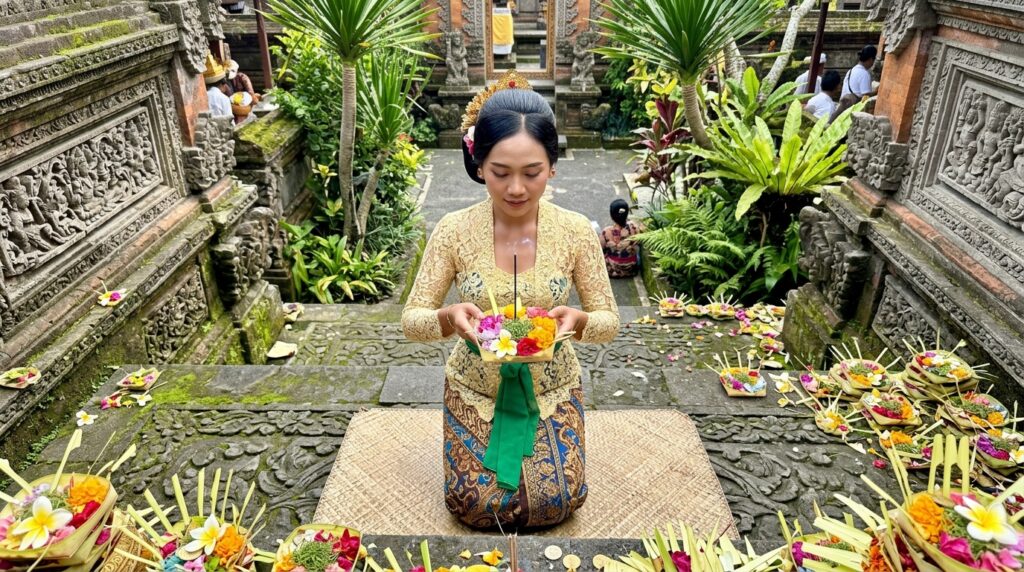
One of the biggest differences shows up fast underwater and on your packing list. Rain and stronger ocean conditions can reduce underwater visibility, so snorkeling and diving are not as consistently great. Mosquitoes also become more noticeable, so repellent and long layers matter. On the plus side, wet season is fantastic for temples, yoga, cooking classes, and the slower, softer pace of Ubud-style experiences, with lush vegetation that looks extra alive.
Once you understand those two extremes, the “best time” often lands in the shoulder and demand windows. Shoulder months like April to May and September to October tend to feel like a balance, while peak and holiday surges like July to August and Christmas/New Year bring bigger crowds and higher prices. Low season (January to March, outside holidays) is calmer, but it’s also when you should expect the wettest feel.
Now that the seasons make sense, the real question becomes choosing the right month for your personal priorities, leading into the decision process.
Dry season: why it feels easier
“Dry season” in Bali usually means it feels simpler, because the air is less humid and the rain is less persistent.
From April to October, Bali stays warm year-round, with daytime temperatures hovering around the high 80s Fahrenheit. The real comfort upgrade comes from lower humidity and reduced rainfall, so your days feel lighter and easier to plan.
Just don’t think “dry season” means rain-free. Months like April, May, and October can be more variable, and you can still catch showers. The upside is how it affects your schedule: instead of cancelling your whole trip, rain is more likely to be a brief interruption you can work around.
That’s why travelers like this season for classic outdoor time. A beach day is more straightforward. A snorkeling or diving day has better odds of pleasant conditions. Surfing also fits naturally with the drier, more comfortable weather. Even hiking, sailing, or just wandering around temples tends to feel more enjoyable when the forecast isn’t constantly fighting you.
With dry season explained, the trade-offs become the key. The wet season has a very different set of advantages, so next we’ll compare what you gain when the rainier months take over.
Wet season: fewer crowds, greener Bali
Most people picture the rainy season as constant, all-day downpours. It’s not really like that. In Bali, the wet season (November to March) is hot and humid, but tropical thunderstorms are often short-lived, and the sky can clear between bursts of rain. So instead of “everything stops,” it’s more like “outdoor time needs a plan B for a few hours.”
Here’s the practical trade-off you’ll feel right away. Humidity is higher and mosquitoes are more active, so repellent and long layers make a big difference. Water conditions can also be less ideal, with reduced underwater visibility and rougher seas, which can make snorkeling or diving less consistent. Still, plenty of travelers choose wet season because rain-friendly experiences can be the highlight: temples, yoga, cooking classes, and slower Ubud days often feel especially rewarding, and the jungles and rice paddies look lush and vibrant.
With that contrast clear, the next step is using the shoulder months and peak/low periods as your navigation map so you can choose strategically.
How to choose your month
It’s frustrating when you pick what should be a “good weather” month, then hit peak crowds, traffic, and price spikes anyway. The fix is simple: decide in layers. Start with your priorities, then refine with the calendar events that push demand up.
1. Match your trip goals to seasons
Start by choosing what you want most, then let that decide the season window. If you’re chasing beach time, surfing, and water activities like snorkeling or diving, begin with the dry season, April to October, where humidity and rainfall are lower. Bali stays warm year-round, so you’re not dodging heat. You’re choosing more comfortable conditions for outdoor plans.
If you want better value and fewer tourists, look toward the wet season, November to March, especially when you’re not trapped by major holidays. It’s hot and humid, and rain can bring short but heavier downpours, yet it can be easier to relax and do wellness-focused days like yoga, cooking classes, and temple visits, particularly around Ubud.
2. Plan around events and crowd spikes
Next, refine your dates because “good weather” can overlap with the island’s busiest demand periods. July and August are peak season, and Christmas/New Year also brings heavy crowds and higher prices. During these times, traffic can feel intense and travel days take longer than you expect.
Also watch the timing of big Balinese and regional moments: Nyepi typically happens in March, the Bali Arts Festival runs mid-June to mid-July, Nusa Dua Light Festival is in July, Bali Kite Festival falls July to August, and Indonesia Independence Day is August 17. On top of that, Chinese/Lunar New Year and Australian school holidays can create extra demand surges, even if your month looks like an “in-between” on paper.
Once you’ve chosen a month that fits your priorities and avoids the biggest spikes, you’re ready for the last piece: protecting yourself from the most common planning mistakes.
1. Match your trip goals to seasons
“If your priority is beach time, start with the dry season.” That simple rule keeps your planning from getting messy. For outdoor and water-focused trips, dry season (April to October) is the most reliable starting point. It tends to feel warmer and sunnier, with lower humidity and less rainfall, and Bali stays warm year-round with daytime temperatures hovering around the high 80s Fahrenheit. The comfort upgrade matters because it supports the things you actually want to do: beach days, surfing, snorkeling, diving, and even easier days for hiking.
Now flip the mindset based on what you want most. If you want fewer crowds, better value, and that lush, green Bali look, choose the wet season (November to March) but plan smarter. It’s hot and humid, and rain can come in heavier bursts, yet it’s often short-lived with sunshine between. Wet season also fits wonderfully with temples, yoga, cooking classes, and slower Ubud-style days where indoor or light outdoor plans still work. Just remember the trade-off either way: dry months are not rain-free, so pack for flexibility, and wet months are not a nonstop washout, so keep a few rain-friendly activities ready.
Weather helps, but it’s not the only driver. Demand surges from holidays can still turn your “good month” into the busy one, so next we’ll plan around events and crowd spikes.
Plan around events and crowd spikes
Picture this: you’ve found an amazing week in the dry season, and you’re feeling smug about the weather. Then you realize the dates land right inside the busiest windows. July and August are peak season, and Christmas/New Year is another massive surge. Crowds rise fast, popular beaches and attractions can feel packed, and prices usually climb too. On top of that, travel logistics get slower, including long queues for immigration at Denpasar airport that can stretch to around two hours during busy periods.
To avoid that trap, anchor your planning to key event timing. Nyepi typically happens in March, the Bali Arts Festival runs mid-June to mid-July, Nusa Dua Light Festival is in July, Bali Kite Festival is July to August, and Indonesia Independence Day is August 17. Even if your weather looks “off-peak,” Chinese/Lunar New Year and Australian school holidays can still drive demand up, so you get the crowds without realizing why.
Once your month fits both weather and demand, the last step is fixing the most common planning mistakes that still catch people off guard.
What can go wrong (and why)
Dry season is not rain-free, and that changes packing
You might think “dry season” means no rain at all. In reality, it’s more about less humidity and less rainfall, not zero showers. Even in the dry months, you can still get rainy interruptions, especially around April-May and October, so plan your days with a bit of flexibility.
If you assume you’ll never need rain gear, outdoor plans like hiking or long beach sessions can feel unnecessarily stressful. Pack a simple rain layer and keep one rain-friendly option ready, so the day still works even when the weather surprises you.
Wet season is not nonstop rain, but it brings trade-offs
Here’s the part people miss: wet season doesn’t automatically equal a washout. November to March often features tropical thunderstorms that are short-lived, with sunshine between showers. The inconvenience is real, but it’s not usually “everything stops all day.”
Instead of canceling everything, adjust expectations. Expect higher humidity and more mosquitoes, so repellent and long layers help. For water activities, rain and stronger seas can reduce underwater visibility, which affects snorkeling and diving. On the other hand, temples, yoga, cooking classes, and Ubud-style downtime can feel even more rewarding during this season.
Low season is not always the cheapest
Instead of believing “low season always means cheap,” watch for holiday demand. January to March is generally quieter and more affordable, but major holiday periods like Christmas/New Year and Chinese/Lunar New Year can still create surges. That means prices can spike even when the broader season is considered low.
Traffic and queues still hit during “not peak” months
Another trap is assuming Bali will feel calm just because your dates aren’t July-August or Christmas/New Year. Peak demand can still concentrate people, and Bali’s narrow roads amplify traffic, so short trips can take much longer than you expect. Popular areas can feel crowded faster than you’d think.
Travel logistics can also stretch, including potential airport immigration queues at Denpasar, which can reach around two hours during busy periods. If you plan too tightly, you can end up losing whole blocks of time to waiting, so allow breathing room and build schedules with slower travel in mind.
With these pitfalls out of the way, you can now choose a month quickly by matching your vacation style to the right season.
You’re not planning for rain, you’re planning for interruption
Most people assume “rainy season” means nonstop all-day downpours. In reality, Bali’s wet months (November to March) often bring tropical thunderstorms that are short-lived, with sunshine between showers. So it’s less about canceling everything and more about timing your plans for when the sky is clear.
Instead of fearing every cloud, plan around that rhythm. Keep a simple umbrella or rain gear handy, and build one indoor-friendly option into your day. When showers pass, you’ll often get back to exploring quickly.
Snorkeling and diving do get worse, and that’s the point
Here’s the part that surprises travelers: even when it’s “still raining,” the biggest impact can be underwater. Rain and stronger ocean conditions can reduce underwater visibility, and the seas may feel rougher. If clear water is your priority, you’ll usually get more consistent conditions in the dry season.
What to do instead? Expect murkier water during wet-season trips and choose activities accordingly. If you go for water time, plan for shorter sessions and lower expectations for visibility, and be ready to pivot to land-based experiences when conditions change.
Wet season mosquitoes are real, so pack smarter
Instead of thinking of rain as only a comfort issue, treat it as a packing signal. Wet season comes with higher humidity and increased mosquito activity. That’s where you protect yourself with the right basics: repellent and long layers.
If you prepare for it, you can still enjoy wet-season highlights like temples, yoga, cooking classes, and relaxed Ubud-style days, with lush green scenery all around. Next up, we’ll look at another failure mode that catches people even when the weather looks acceptable.
Crowds and queues happen even when it looks calm
Peak crowds don’t just mean “more people.” They slow everything down. When demand is high, you get larger crowds at popular sites and beaches, and movement becomes sluggish. Narrow roads then amplify the frustration, so a short drive can turn into a long one.
Here’s the real consequence you feel fast. During busy periods, you may also face long immigration lines at Denpasar airport, with queues potentially reaching around two hours. The planning tactic is straightforward: don’t overload your days with back-to-back trips across far-apart areas, because waiting and slow travel can steal your momentum. Book popular dinner reservations in advance during the busiest months, and when you can, choose accommodations that reduce daily commute time. Even if your month isn’t “peak,” this is the kind of issue that still finds you.
With that in mind, the next section helps you choose a month faster based on the kind of trip you’re actually taking.
Quick answers for common trip styles
If you don’t want to overthink it, use these two profiles to pick your season quickly. Bali stays warm year-round, but your best month depends on what you plan to do most.
If you want beach days
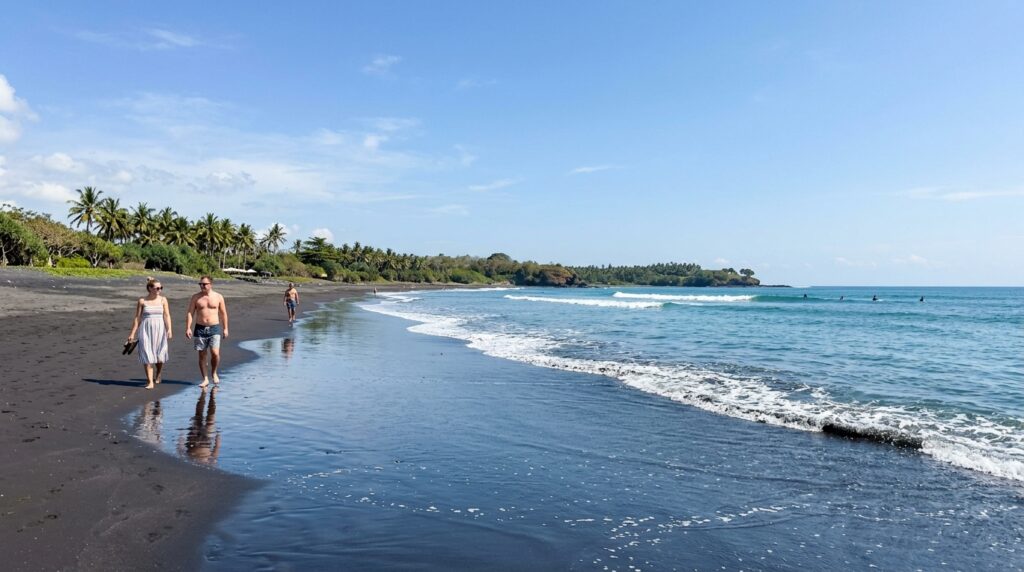
If you want beach time, surfing, and water activities, start with the dry season, April to October. This is when conditions are generally more comfortable because humidity and rainfall are lower, so outdoor plans feel easier to stick to.
For the best weather inside that window, aim for July or August. Just know that this is also peak season, so crowds and prices tend to be at their highest.
If you want culture and calm
If you want culture and a calmer feel, choose wet season or the shoulder seasons. Wet months, especially November to March, are great for temples, yoga, cooking classes, and relaxed Ubud-style days, with lush greenery doing most of the heavy lifting for your scenery.
The trade-off is practical: humidity and rain increase, mosquitos show up more, and dive visibility can be less consistent. If you’re okay with those swaps, this can be a really rewarding way to visit.
Either way, your season choice still comes back to the same idea: match your priorities to what each season is best at.
Beach days work best when you plan around the dry season
Craving beach time, but worried about rain ruining it? Start with the dry season, April to October. This is the stretch that generally gives you the best conditions for beach lounging, surfing, and water activities like snorkeling or diving, mostly because humidity and rainfall are lower and the days feel more comfortable.
One nuance to keep you realistic: even in this window, you can still get some showers, especially in transitional months. If you’re aiming for the best weather, July and August are peak dry season, but that’s also when crowds and prices are highest, so reservations and bookings really matter.
Next up, let’s compare this to the kind of Bali trip that benefits more from culture, calm, and a slower pace.
If you want culture and calm
Picture this: you’re strolling through lush Ubud rice paddies, ducking into a temple, then heading to a yoga studio without feeling like you’re sharing every moment with a crowd. For that kind of trip, wet season or shoulder months often fit better than peak beach timing, especially if you want a slower, more relaxed pace.
Choose wet season, or a shoulder window, if your priority is culture and calm. November to March can be ideal for temples, cooking classes, and yoga, and the rain can even add a softer, more atmospheric mood. The trade-off is practical though: humidity rises, mosquitoes are more common, and you’ll want a rain jacket or umbrella plus repellent. Peak holiday periods can still bring bigger crowds and pricier stays, even when the weather itself isn’t the headline.
Whatever month you pick, your experience comes down to matching your expectations to how Bali feels in that season.
Your best time to visit Bali is a trade-off
No matter what month you pick, Bali rewards you when you accept the trade-off: dry vs wet vs shoulder, peak vs low, and how crowds plus activity conditions shape what your days actually feel like.
- ✅ Pack for rain and mosquitos during wetter months
- ✅ Book early during peak and holiday surges
- ✅ Plan around events like Nyepi in March and festivals in mid-year
- ✅ Choose dry-season diving and snorkeling for better underwater visibility
- ✅ Time hiking for drier windows when trails are less muddy
- ✅ Expect traffic and potential queue delays in peak times
- ✅ Keep flexibility because seasons can blend and vary year to year
Ready to make your Bali dates smoother? The Baliexpertvillas.com team is ready to help you build the right strategy – contact us for a free consultation.
Pick your priorities, then book with confidence, because Bali will meet you where you are.