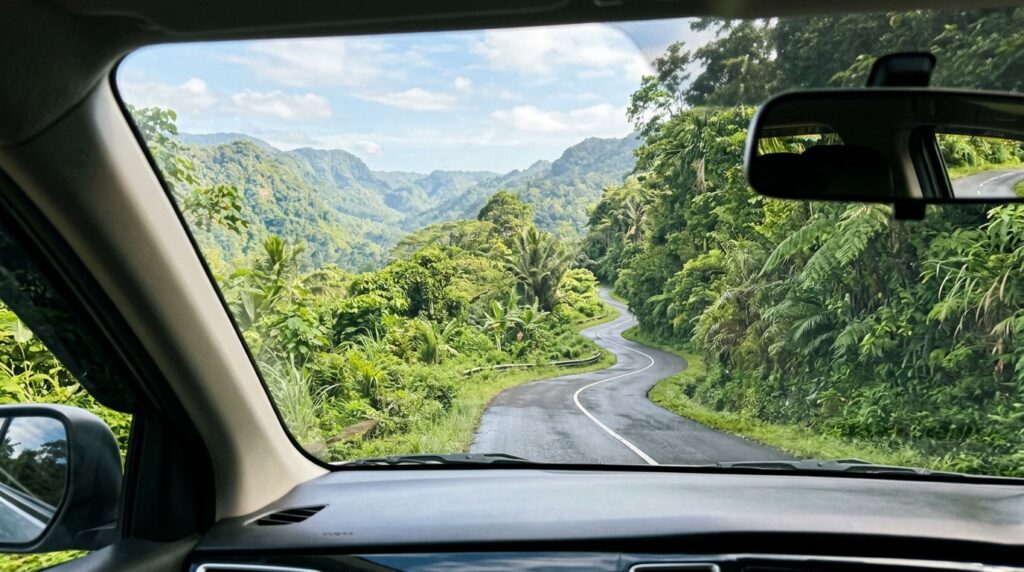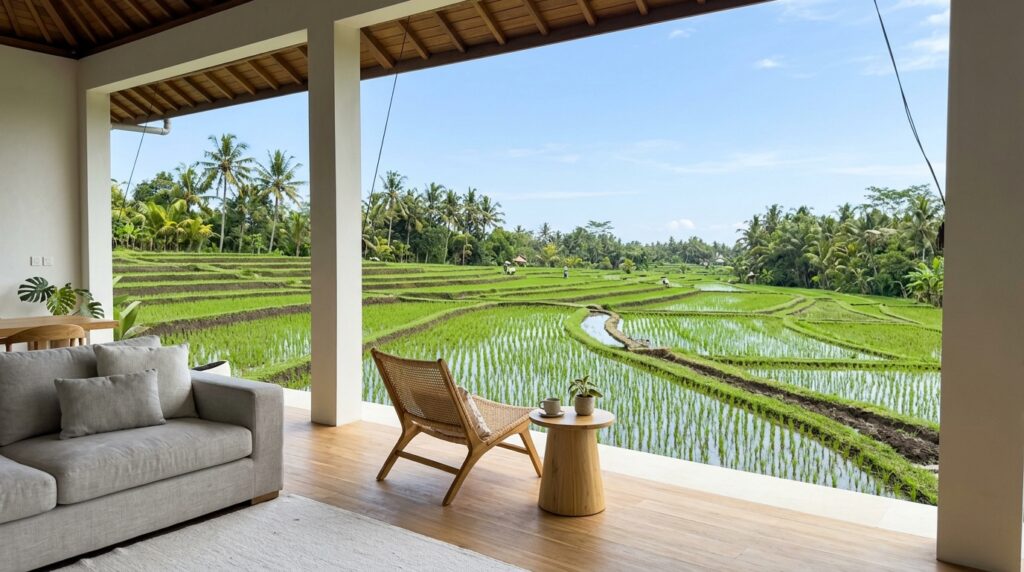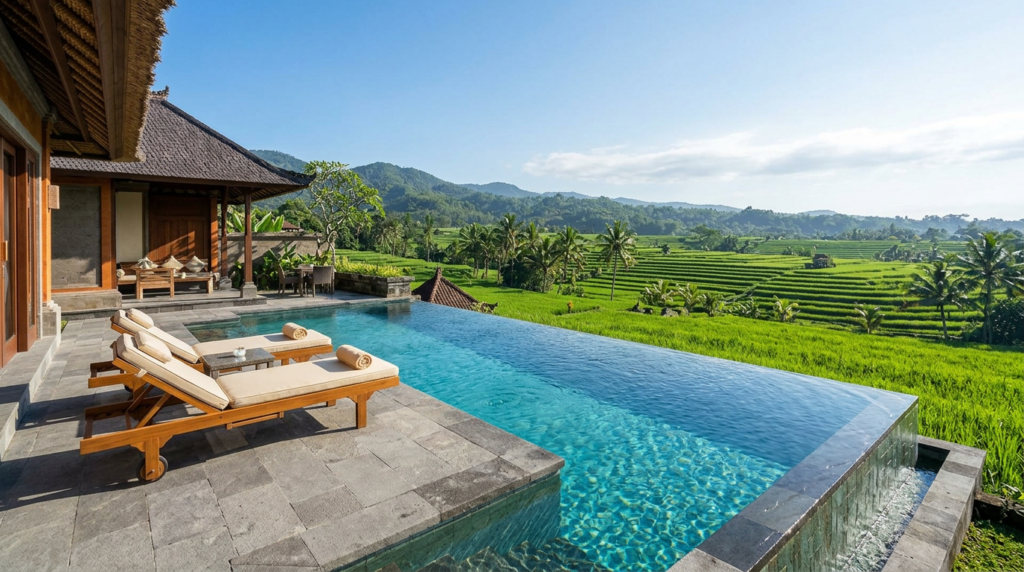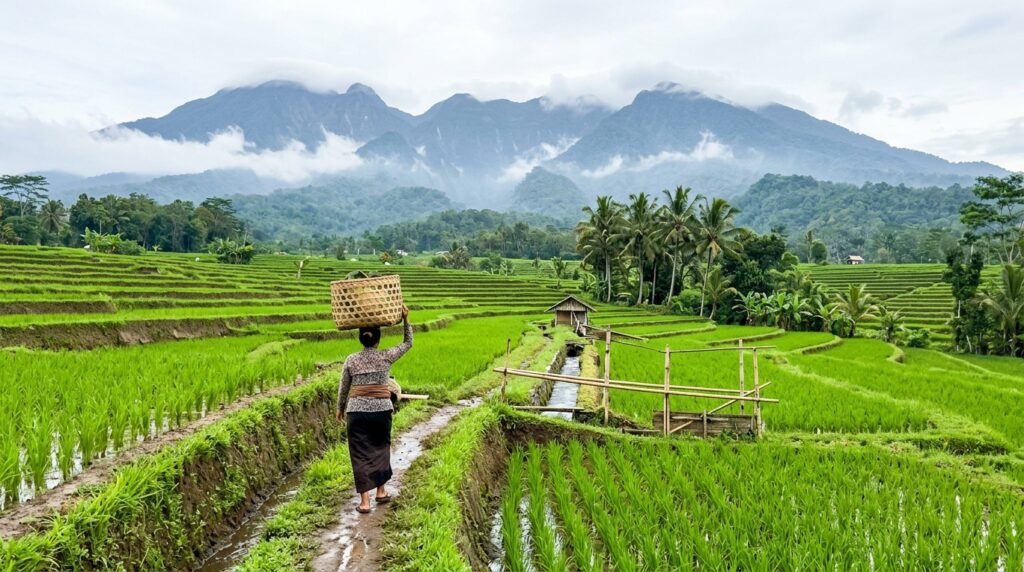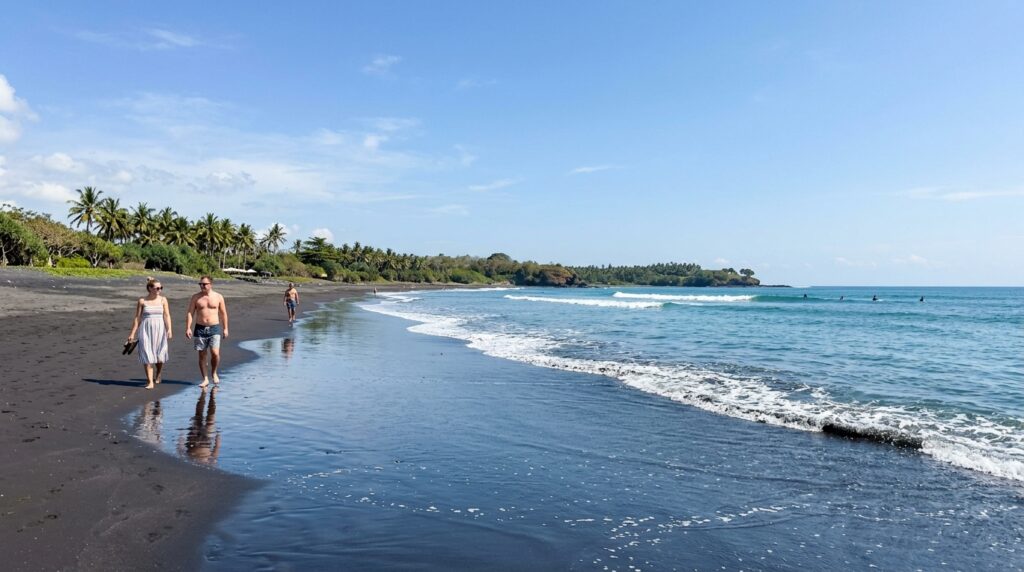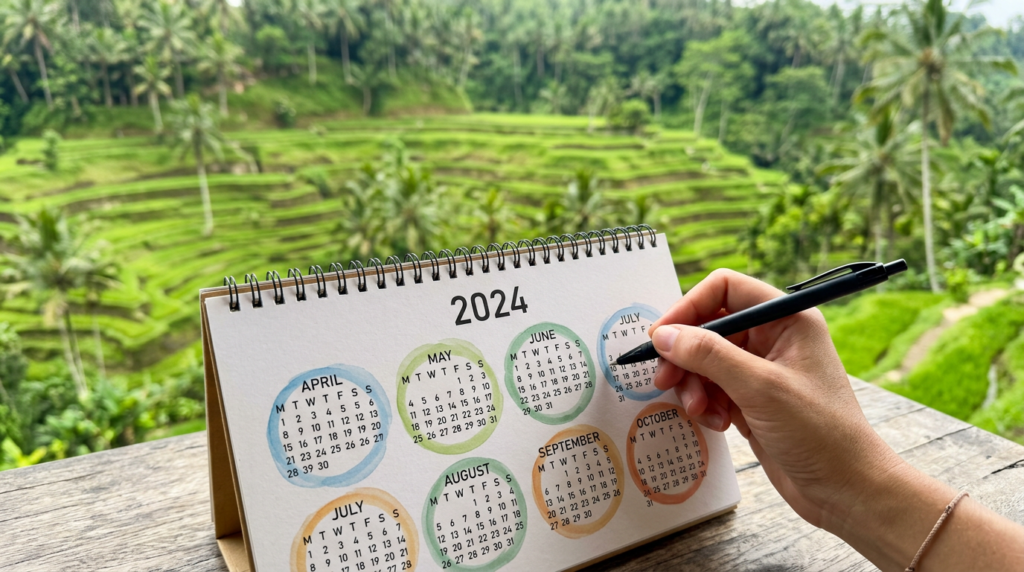
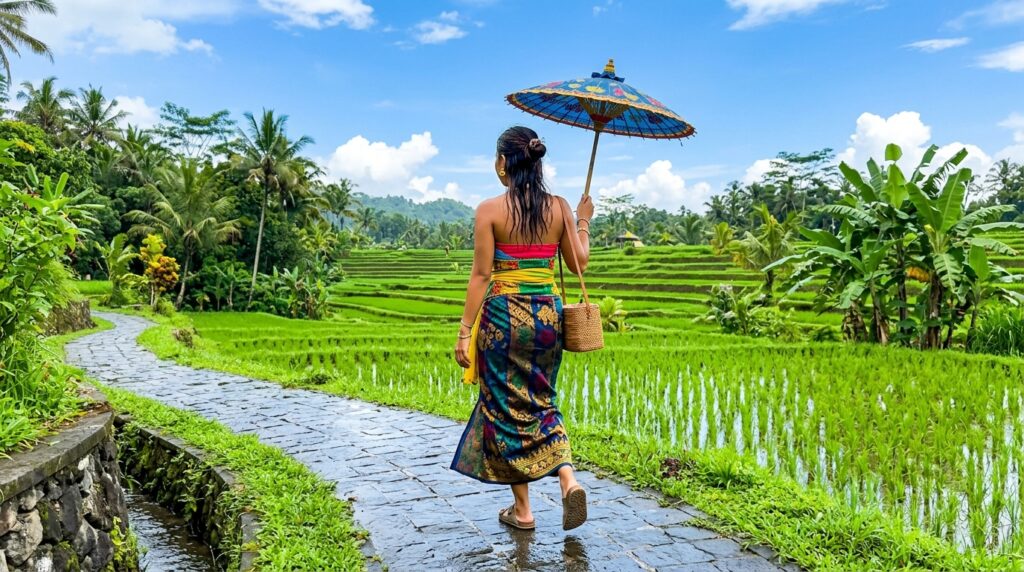
Imagine this: you step out of your hotel in Gianyar, and it feels hot and a little heavy right away. Ten minutes later, dark clouds gather, rain starts in a strong burst, and then just as quickly, the sky clears and the light looks crisp again. That rhythm is exactly why the question of the “best time to visit” is not really about finding the one perfect month. It is about matching your plans to what the weather and the crowds are likely to feel like.
Here is the key point: Gianyar is warm year-round, so temperature is not the main deciding factor. Instead, timing is mostly about rainfall patterns, humidity comfort, and how busy the region is. If your trip is packed with outdoor days like temple visits or rice terraces, you will probably prefer the season with more reliable dry weather. If you care more about value or you do not mind adjusting your schedule when showers hit, you can have a great experience in other months too.
In this article, you will first learn what “best time” actually means for travelers, then how the year typically breaks down into dry season, wet season, shoulder periods, and the peak and low demand times. After that, we will help you pick your dates using a simple priority-based approach, so you do not end up choosing a month that clashes with what you want to do most. Next up is the definition, because in Gianyar, it is less about temperature and more about rain and comfort.
Want to pair your dry or wet season plans with the right stay in Gianyar? Explore curated options via Gianyar villas.
Best time to visit
“Best time” means the time of year that fits your trip goals, not the time with the nicest headline weather. In Gianyar, it comes down to comfort, crowds, value, and whether your plans can run smoothly when rain or humidity show up.
Think of it like choosing the right session for your energy level, because the same month can feel great for one activity and annoying for another.
Dry season
The dry season is the period when rainfall is lower and outdoor plans are usually easier. For Gianyar, it roughly runs May to October, with conditions often feeling more comfortable thanks to lower humidity.
This is where travelers typically schedule temples, rice terraces, and long sightseeing days because fewer showers can interrupt the day.
Wet season
The wet season is when humidity rises and showers happen more often. It runs roughly November to April, and “wet” usually means heavier, brief rain spells more than constant all-day downpours.
If you plan around afternoons and keep a rain backup, the wet season can still be a satisfying time to explore.
Shoulder season
Shoulder season is the transition time between dry and wet seasons, when conditions are often steadier and crowds are usually lighter. In Gianyar, the common shoulder windows are April to May and September to October.
These months are often the sweet spot if you want good weather without the busiest peak weeks.
Peak season
Peak season is when lots of travelers visit at the same time, which usually means bigger crowds and higher prices. For Bali overall, July and August plus the Christmas to New Year period are the most crowded periods.
Even with great weather, peak season can feel tiring if you hate waiting and want a calmer pace.
Low season
Low season is the quieter travel period when demand drops, often bringing better value. In the seasonal framing, this usually aligns with parts of the wet season, while avoiding the late-December holiday spike.
If you’re flexible about outdoor timing, the lower crowds can be a real win.
Warm temperatures year-round
Gianyar stays warm throughout the year, so there is no big “cold season” that changes everything. What changes most from month to month is rainfall frequency, cloudiness, and how muggy the air feels.
That is why smart planning focuses on rain and humidity comfort, not on chasing a cool climate.
Now that these terms are clear, the real seasonal rhythm makes sense too, and you can use it to predict how your trip will feel day to day.
Dry season
Dry season feels more relaxed because you’re dealing with less rain and lower humidity. In Gianyar, it roughly runs May to October, with many days clearing up quickly when clouds pass, so outdoor time stays simple.
For planning, this is the easiest season to schedule temple visits, rice terraces, and long sightseeing days. Just remember July to August tends to bring the biggest crowds and higher prices, so start early in the day to dodge both queues and heat.
Wet season
Wet season can sound scary, but it is not automatically “all-day rain.” From roughly November to April, showers are often heavier, and they commonly land in shorter bursts, frequently tied to afternoons, even though humidity stays higher.
That means your best move is rhythm, not avoidance: do the outdoors in the morning and shift to indoor galleries, spa time, or slower meals when rain moves in. It is also when you should be extra careful with muddy trails and expect visibility for some water activities to be less consistent.
Shoulder season
Shoulder season is where many travelers feel the most comfortable balance. The typical windows are April to May and September to October, when rain patterns are transitioning and the air often feels easier than during the wet months.
Because crowds are usually lighter than peak periods, this season often works well for people who want good conditions without the stress of busiest travel weeks. If you’re trying to do a bit of everything, it is usually the least complicated way to build your itinerary.
Once you know how each season behaves, you can pick which parts of Gianyar will shine for your specific trip, and then focus on the dry season advantages in more detail.
Dry season: sunshine, clearer views, easier planning
The easiest Gianyar trip is the one where you can actually plan your day outside. During this period, rainfall is lower and humidity feels more manageable, so outdoor sightseeing like temples and the Tegallalang rice terraces is simply less stressful. August is typically the clearest and driest month, which is why it often feels like the “smoothest” time for long drives and slow wandering.
Of course, the tradeoff shows up in demand. July and August are peak months, so you should expect larger crowds and higher costs for flights and accommodation, even if the weather is at its best.
If you want the dry-season benefits but still sleep well, schedule your most important outdoor time for mornings and keep a light rain option handy. Occasional showers can still happen, so a small amount of flexibility is what turns “possible rain” into “no problem.”
Wet season is constant downpour
Most people think the wet season means you will spend the whole trip indoors. In reality, showers are often heavier but brief, and they commonly show up in the afternoon, not as nonstop rain all day.
Because of that, you can still enjoy Gianyar by planning outdoors for mornings and leaving space for indoor time when the sky turns dark. A small rain jacket or umbrella usually makes the difference between frustration and “it happens.”
Wet season ruins everything outdoor
Mud and slippery trails are a real tradeoff during the rainy period, especially for walking near rice paddies and temples. Water visibility can also be less reliable for diving, since runoff can affect what you see underwater.
On the flip side, this is when the greenery looks its best and waterfalls run strong. You also tend to find fewer tourists and better value outside the holiday rush, so the experience can feel calmer even if you travel with more flexibility.
1. Start with your priority
What matters most to your trip: better weather, fewer crowds, lower prices, or a specific activity? Start by writing your main goal, because that choice determines whether you should lean toward dry, wet, or shoulder months.
If you want the smoothest outdoor days, favor lower rain and more comfortable humidity. If your budget is tight or you want a quieter vibe, you can accept more schedule flexibility.
2. Match your activity to season type
Now connect your activity plan to the typical season rhythm. The general pattern is dry from May to October, wet from November to April, and two key shoulder windows: April to May and September to October.
Use that as a guide, not a guarantee. Rain can still happen in dry months, and value can still be strong in wet months if you plan around it.
3. Choose how much rain flexibility you can handle
Can you shift plans when showers hit, or do you need near-perfect outdoor reliability? In the wet season, rain is often heavier but brief, commonly landing in the afternoon, which means mornings can still work well.
That is your practical decision point: schedule outdoors earlier and keep indoor options ready, especially if you travel in November to April.
4. Account for crowd spikes and holidays
Even when weather is ideal, crowds can change the feel of the trip. Peak travel periods are July and August, plus the Christmas and New Year stretch, which usually brings larger crowds and higher flight and accommodation costs.
If you want to avoid that congestion, the shoulder months (April to May, September to October) or quieter parts of the low/value window (notably October to November and February to March, outside the late-December surge) often feel calmer.
5. Build an itinerary rhythm
Finally, design each day around the likely rhythm: outdoor mornings, then a flexible plan for afternoons. This approach works across seasons because Gianyar is warm year-round, so “comfort” is more about rain timing and humidity than temperature.
With that rhythm, you avoid the common trap of scheduling too many outdoor moments back-to-back, and you turn rain into a small adjustment instead of a deal-breaker.
Once this decision workflow is clear, you can apply it to the activities people actually care about, and that is where the best time becomes very specific.
Picture this: you’re planning one “perfect day” around the things you care about most in Gianyar. The trick is that outdoor views, water time, and cultural moments peak at different times of year, so you get a better trip when you match your dates to each activity type.
Outdoor temples and rice terraces
For temple walks and rice-terrace wandering, plan around the more stable dry months, with May through September often feeling the easiest. Rain matters because muddy paths and sudden showers can interrupt your pace, and the air usually feels more comfortable when humidity is lower.
If you travel during wet months, aim to go out earlier in the morning and keep your afternoons flexible. For many visitors, the sweet balance also shows up in shoulder periods like April to May and September to October.
Diving and visibility
If your priority is diving, aim for the clearer, calmer general window from May to November. Specific marine timing also matters: manta rays are best targeted in October, while mola mola is most associated with August through October.
The planning implication is simple: in wetter months, more rainfall can reduce underwater visibility due to runoff. So build your dives earlier in the day and choose operators that can adjust plans when conditions shift.
Surfing and wind wave patterns
Surfing is where season differences feel very real. West coast breaks typically align better with the dry season, while east coast conditions can change during the wet period because winds and wave patterns shift.
To make this work, don’t just pick a month. Pick a side of the island you want to surf from, then plan the rest of your itinerary around that choice.
Hiking and trails
For hikes and trail time, the most comfortable experience usually comes from the dry stretch, when paths are less muddy and visibility is more reliable. That matters a lot if you want to enjoy viewpoints without constantly adjusting for slick ground.
If you do hike during wet months, treat rain as part of the schedule. Start earlier, wear shoes with grip, and expect slower steps on wetter sections.
Rafting intensity
Want rafting with more push and power? The wetter period is often better because higher water flow can make rapids feel more exciting. Experienced rafters generally get more thrill from the stronger conditions.
Beginners or people traveling with a relaxed pace may prefer the dry season for calmer river conditions, where the focus stays on enjoying the scenery.
Culture dates and Nyepi
Culture follows its own calendar. Nyepi in March is a major one: the island shuts down, and visitors are expected to stay indoors, so plan everything around that full-day observance.
For festivals, consider mid-June to mid-July for the Bali Arts Festival, July to August for the Bali Kite Festival, late April for the Ubud food festival, and late October for the Ubud Writers and Readers Festival. The practical tip is to build your must-see days first, then place your outdoor and water plans around them.
Once you’ve mapped the best windows for each interest, it helps to know the common planning traps people fall into, so you can avoid repeating them and stay in control of your schedule.
What to watch out for when planning
Planning mistakes are usually simple. They start with a misunderstanding of the seasons, then get worse when you ignore crowd and holiday timing. If you want a smoother trip to Gianyar, it helps to spot those traps early.
So, what’s the most common issue? Many travelers assume the weather patterns work like a switch, not a schedule. For Gianyar, it is more about rain timing, humidity comfort, and how busy the region is at the same time.
Here are the common traps, so you can avoid them, and then we’ll get into the specifics of what people get wrong and what it causes.
Common misconceptions to avoid
Wet season does not mean constant all-day rain, and dry season does not guarantee zero showers. Peak periods can bring excellent weather, but they also bring bigger crowds and higher costs, so you can feel “uncomfortable” even when the sky is clear.
Also keep in mind that temperature usually does not swing dramatically in a tropical place, so you should not plan around avoiding “cold.” Finally, remember that crowds and traffic can hit your day as much as weather, and local conditions can vary by area within Bali.
“Wet season” means constant all-day rain
Wet season does not automatically mean you will spend your entire trip indoors. Showers are often heavier, but they tend to come in shorter bursts and are commonly linked to afternoons.
What breaks when you assume the worst is your schedule. Build around mornings, pack a simple rain plan, and you’ll still get plenty of outdoor time.
Dry season means zero rain
Dry season is usually easier, but it is not rain-free. Occasional showers can still happen, and humidity can still feel warm because Gianyar stays warm year-round.
So if you plan like it will always be perfect, you may end up unprepared. Keep a light rain jacket or umbrella so a surprise shower does not ruin the day.
Peak July and August is always the best choice
Peak months often bring some of the most comfortable weather, but that is only half the story. July and August are also the busiest, which means larger crowds and higher flight and accommodation costs.
The downside is not the sky, it is your time and budget. If you hate waiting and want a calmer pace, shoulder windows can feel better even if weather is slightly less “maximum.”
Nyepi doesn’t affect tourists much
Thinking Nyepi is just another local day is risky. In March, the island observes a full shutdown and visitors are expected to stay indoors.
When you ignore that timing, your plans can collide with reality and you might feel stuck. Put Nyepi on your calendar first, then build the rest of your itinerary around it.
Avoiding these mistakes helps, but it is only step one. Next, it’s about picking dates with smarter, more flexible tactics.
Expert tips for picking dates like a pro
“Pick dates like you’re managing a system, not guessing a single perfect month.”
The best way to do that in Gianyar is to use a few smart checks that turn season patterns into practical decisions for your days.
- Choose months based on your primary goal, not just the weather
- Embrace wet season for greenery, waterfalls, and intense rafting conditions
- Schedule outdoor plans for mornings, especially if rain is possible
- Add a rain-plan with a light rain jacket or umbrella
- Match activity to where conditions fit, including microclimate and location differences
- Book early for peak holiday periods when crowds and costs spike
If you can answer these, you’re basically set.
With your strategy in place, you can now choose a simple season path that fits your priorities, and then apply it to everything on your itinerary.
Your best answer: pick the season by priority
Choose the season like you’re optimizing for your goal, not chasing a perfect forecast. Gianyar is warm year-round, so your “best month” is mainly about rain and humidity comfort, crowds, value, and whether your planned days fit the reality on the ground.
Choose dry season for maximum outdoor comfort
Go with the dry stretch from May to October when you want outdoor reliability for temples, rice terraces, and long sightseeing. Conditions are usually clearer and humidity feels lower, so the day-to-day experience feels smoother.
The caveat is peak crowds. July and August bring larger crowds and higher flight and accommodation costs, even though the weather is often ideal.
Choose shoulder months for the balanced experience
If you want a middle path, target April to May or September to October. This is where you often get steadier conditions with fewer crowds compared to peak travel weeks.
Keep your expectations flexible, because shoulder months can still include occasional showers. The payoff is usually a calmer trip without the busiest price spikes.
Choose wet season for value and lush scenes
Pick November to April when you want greenery, strong waterfalls, and better value from lower demand. Rain is often heavier but brief, commonly tied to afternoons, so mornings can still work for outdoor time.
Just plan with precautions like indoor backups and a rain-ready kit. Also, if you’re traveling in March, remember Nyepi requires a full island shutdown and visitors are expected to stay indoors.
Match your dates to your primary goal, and be extra mindful of March Nyepi planning if it falls in your travel window.
Need help narrowing down the best season for your priorities in Gianyar? Contact the team at Baliexpertvillas.com so your stay fits your dates and your plans.
Ready to stop hunting for a “perfect month” and start choosing dates that actually fit your trip?
Gianyar stays warm year-round, so the “best time” is mostly about rain and humidity comfort, plus crowds, value, and how well your planned activities match the season. If you want balance, shoulder seasons like April to May and September to October often feel like the sweet spot.
For wetter months, you can still have a great trip by scheduling outdoor time for mornings and accepting that showers often hit in afternoons. Just remember peak holiday periods bring higher costs and larger crowds, and March can include Nyepi, when the island observes a full shutdown and visitors are expected to stay indoors.
With your priorities matched to your dates, you can relax into the experience and enjoy Gianyar the way you came for it.
Make your Gianyar trip smoother from day one. Tim Baliexpertvillas.com siap membantu Anda menyusun strategi yang tepat – hubungi kami untuk konsultasi gratis.