Imagine you’re staring at your calendar, dreaming about Bali’s north side, and thinking, “Everyone says it’s a dry season, so why does North Bali still sound cooler and wetter?” You’re not alone. When you try to plan around weather alone, it’s easy to end up with expectations that don’t quite match what the trip feels like on the ground.
Here’s the tricky part: Bali does have a dry season and a wet season, but North Bali’s higher, more mountainous areas can feel different from the coastal zones. So even if the island-wide forecast suggests sunshine, the highlands may bring cooler air and rain readiness. That alone can change how comfortable you feel and how much you’ll want to be out exploring.
In this article, you’ll learn how to choose dates for North Bali by balancing what actually matters to you: weather comfort, which activities you want to prioritize, how crowded things get, and what costs look like in each period. We’ll start with what “best time” means for travelers, then set the baseline with Bali’s dry season (April to October) and wet season (November to March). From there, we’ll connect season to crowd and price patterns, including the peak period of July and August and major holiday spikes like Christmas and New Year. Finally, you’ll get practical guidance on how to pick your timing, plus the smart caveats that prevent common disappointments.
If you’re planning a stay around your ideal North Bali dates, explore curated accommodation options on Baliexpertvillas.com so your itinerary timing matches your base location.
What “best time” really means
Best time is a travel trade-off
“Best time” is not one magic month. It is the period that fits your priorities, weather tolerance, and budget in the real world. For North Bali, that trade-off gets extra interesting because conditions can feel different from the rest of the island.
So instead of chasing a perfect forecast, you pick the month that gives you the best balance. If you want the most comfortable outdoor days, you lean toward the drier months. If you care more about fewer people and better value, you may accept some rain and higher humidity.
Bali’s dry and wet baseline
Bali has a clear baseline: the dry season runs April to October, and the wet season runs November to March. During the dry months, rainfall is generally lower and conditions feel easier for sightseeing.
During the wet season, you still usually get more than “just rain all day.” It commonly includes heavy rainfall at times, with a day rhythm that can include clearer stretches and showers later. That shift matters for North Bali because cooler areas can amplify the comfort difference, even when the overall island pattern is “wet.”
North Bali’s microclimate twist
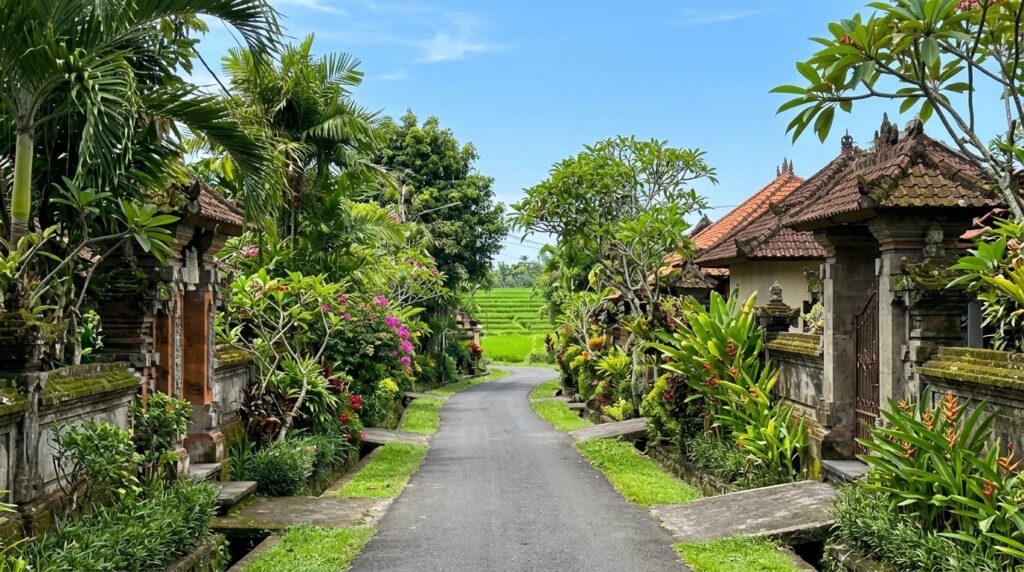
North Bali is not a copy-paste of Bali’s coastal weather. The higher, more mountainous areas tend to feel cooler and can be wetter than lower regions, even when you travel in periods labeled dry.
That means your packing and expectations should follow the North Bali feel, not just the island-wide label. Layers and rain readiness help you stay comfortable, and they also make it easier to keep your plans on track when the highlands shift conditions.
Once you understand this baseline calendar, you can predict the next big factor more confidently: how busy North Bali and the rest of Bali will feel in each period.
Dry vs wet dates and daily reality
Think of Bali as having two main seasons for planning: the dry season is from April to October, and the wet season is from November to March. That date range is your starting point for choosing trips, especially if you want more predictable days for exploring North Bali.
When people hear “wet season,” they often imagine constant all-day rain. In practice, it usually feels different: you can get heavy showers at times, but they are often shorter, with clearer stretches in between. That rhythm still matters for North Bali, since cooler highland areas can make you feel the weather more, so you’ll want to stay rain-ready.
With the island-wide calendar in mind, the next step is remembering that North Bali’s feel can shift even within those same seasons.
Why North Bali feels different
Most people think Bali’s weather label is the whole story, but North Bali can feel like a different “season setting.” Picture Bali as a wardrobe with two climates built in. The coast is one temperature, and the higher highlands act like a cooler, wetter jacket you cannot ignore.
In practice, that means you should plan for comfort changes the moment you move away from the warmer coastal hubs. Pack layers and keep rain readiness in mind, even during months people call dry, because the highlands can be cooler and rainier than you expect. When you’re prepared, the weather becomes part of the experience instead of a reason to change plans.
And once you know the microclimate difference, the next lever becomes even more obvious: when crowds and prices spike, timing shapes your trip just as much as the forecast.
When crowds and prices peak
Peak season vibe
If you hate standing in lines and paying extra, peak dates can feel like the worst timing. Peak in Bali is typically July to August, and Christmas and New Year also create major surges in demand that push prices up and fill popular spots.
For North Bali, that means more booking urgency and more crowded tours, even if the north side feels less hectic than the island’s busiest hubs. You’ll likely spend more time planning ahead, not just traveling, because availability tightens during these high-demand windows.
Shoulder season vibe
Shoulder periods usually feel calmer, without the “everything is fully booked” pressure. Broadly, travel is less intense from October to April, and the transition months around the dry season can be a smoother ride than the center of summer.
North Bali often benefits from this because you can still aim for good outdoor pacing while avoiding the thickest crowd waves. Prices can be more forgiving, and you can make changes to your itinerary without constantly worrying about last-minute sold-out spots.
Low season vibe
Low season is often quieter, but it is not automatically a “bargain no matter what.” The wet season, roughly November to March, is generally less busy, yet major holiday periods can override that advantage and still bring crowds.
If you travel in the wet season, you usually get a more relaxed atmosphere, which can be a win for North Bali’s mountain areas where weather can shift and slow travel decisions down. Just remember the quiet comes with more humidity and a higher chance of rain, so your timing matters even more than in peak months.
Once you see how crowd and cost patterns change across the calendar, it becomes easier to spot the sweet spot between peak and low, where weather and people can feel more in sync.
The shoulder-season sweet spot
Imagine this: you want solid outdoor days in North Bali, like mountain viewpoints and waterfalls, but you do not want July and August crowds or the peak-month prices.
That’s exactly why shoulder months often work so well. In Bali, the shoulder window is commonly around April to May and September to October. These periods usually sit between the busiest stretch and the quietest one, so you get a nicer balance of comfort and availability.
For North Bali, the reminder is simple: even in these “safer” months, the highlands can still feel cooler and rain-ready. Pack layers and plan your day around breaks in the weather, and you will feel the benefit of the sweet spot without overpaying or overplanning.
Next, use the seasons you now understand to choose dates that fit your priorities, not just the calendar.
How to match timing to your itinerary
Pick your priorities first
What matters more to you in North Bali, comfort, fewer crowds, or better prices? Start by choosing your top priority, because the “best time” is really the season that matches your tolerance for rain, humidity, and people.
Then translate that priority into timing. If you want drier outdoor days, lean toward the dry season of April to October, but expect heavier demand. If you want a quieter experience and better value, consider shoulder months around April to May and September to October, or the less busy stretch of October to April, while remembering that North Bali’s highlands can still be cooler and rain-ready.
What to expect day to day
Once you pick dates, it helps to picture how a “typical day” may feel. In the dry months, expect warmer, sunnier conditions more often, which usually means more visitors and a stronger need to book ahead for popular activities.
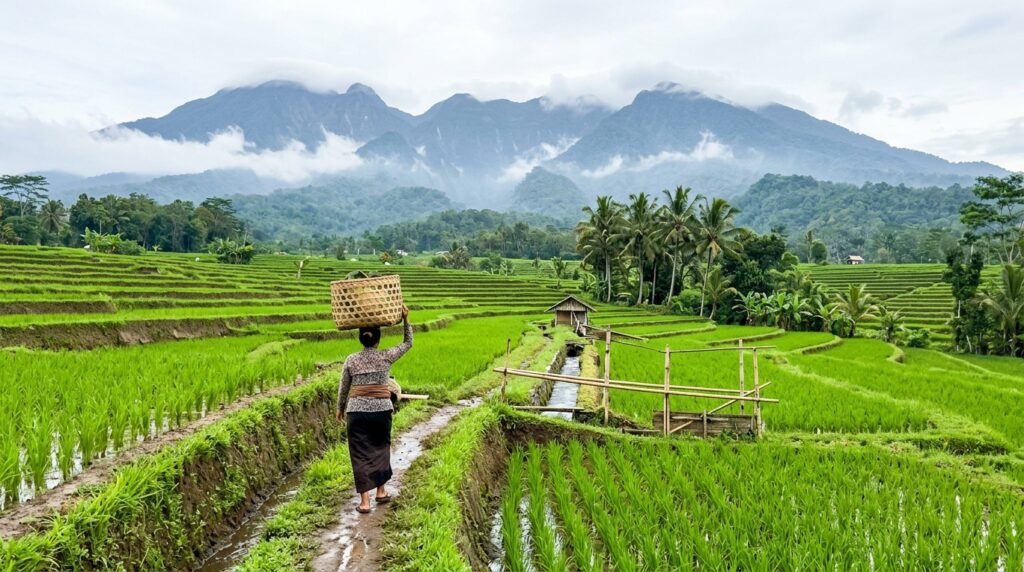
In the wet season, roughly November to March, the mood shifts. You’re more likely to deal with humid air, more mosquitoes, and afternoon downpours, but the interior landscapes can look lush and dramatic. For North Bali planning, that means you may want flexible schedules so you can enjoy outdoor moments when the rain eases, while still keeping indoor or slower options ready for the highlands.
With that picture in your head, you can avoid the next common mistake that turns a “good plan” into a frustrating trip.
Match priorities to seasons
If you want the trip to feel good, start with your priorities, not the calendar. Choose what you care about most: sunshine consistency, fewer crowds, lower cost, or specific activity needs.
Now match those priorities to the season. For more reliable outdoor time, lean toward the dry season from April to October. If your goal is a quieter trip and better balance, shoulder months around April to May and September to October can feel easier, with less peak pressure than July to August. If you are chasing value and a calmer vibe, the broader off-peak stretch of October to April can help, and the wet season (November to March) is generally quieter too, just with a higher chance of rain and more humidity. For North Bali planning, always assume the highlands can be cooler and rain-ready, so layers and rain protection keep the day from getting derailed.
With dates chosen this way, the next step is understanding what each choice feels like once you’re actually there.
Picture your daily experience
Imagine a dry-season day in North Bali, when you start early, the air feels warmer, and the sun shows up more often. You book a popular activity without much hesitation, then you notice the crowds building through the day because this is when demand is highest for outdoor plans.
Now switch to the wet season. Mornings can start fine, but humidity is higher and the mosquitoes show up more easily, then afternoon showers roll in and out of your schedule. In the North Bali highlands, that same raininess also means cooler temperatures, so bring layers and be ready to swap in slower indoor time when downpours hit.
With that daily rhythm in mind, you can steer clear of the mistakes that usually lead to disappointment.
What to watch out for
Rainy season means nonstop rain
It is easy to avoid the wet months because “rainy season” sounds like constant downpours. Nobody wants to plan a trip around waterlogged days.
In reality, the wet season often brings heavy rainfall at times, but it usually does not mean all-day rain every day. Expect a day rhythm that can include clearer stretches and afternoon showers, and plan around it. North Bali can also feel cooler in the highlands, so rain readiness still matters.
Low season always means cheap and easy
If you assume quieter travel automatically equals great deals, you might get surprised. Some periods stay busy even when weather is less ideal.
Major holiday spikes like Christmas and New Year can create strong demand and higher prices even in the generally quieter windows. If you travel then, you may need to book earlier and accept more crowds.
Bali weather is the same everywhere
Many guides talk about “Bali weather” as one thing. That makes it tempting to pack with one simple expectation.
North Bali’s higher, more mountainous areas tend to feel cooler and can be rainier than lower coastal zones. Layers and practical rain protection help you stay comfortable without constantly reshuffling plans.
Peak crowds spread evenly across the island
People often picture peak season as “busy everywhere at once.” It feels logical, so it is an easy assumption.
Peak demand usually concentrates more around popular areas and activities, even if North Bali can feel relatively calmer than the island’s most crowded hubs. You can still get busy tours and tight availability, especially in July and August.
One month choice covers everything
Choosing a single month can feel like it should solve the whole problem. Weather, crowds, and logistics should all line up, right?
They do not always. Your month affects weather comfort and crowd levels, but activities and timing inside the day still matter, especially in North Bali’s highlands where conditions can shift and slow you down.
You can ignore holiday spikes
It is tempting to focus only on dry versus wet months. Then you assume demand follows the same logic as the forecast.
Holiday periods can override that pattern and pull demand and prices upward regardless of the season. If your travel window overlaps those spikes, plan as if it is peak.
You do not need extra mosquito prep
When travelers think about rain, they often think only about getting wet. That can make them miss the comfort impact of humidity.
During the wet season, humidity and mosquitoes tend to be more noticeable. In North Bali, combining rain readiness with mosquito protection helps your evenings and early mornings feel much easier.
With these pitfalls in mind, you can finally make a confident choice about when to go based on what you care about most.
So when should you go
“Best” travel timing is the one that matches your priorities and keeps you comfortable day to day.
For most people planning North Bali, the simplest starting point is the dry season from April to October, which is also when travel demand is highest. If you want a smoother balance of weather and fewer crowds, aim for the shoulder months of April to May and September to October. And if you want a quieter trip, the broader wet and low periods of November to March can be less busy, but watch out for major holiday spikes like Christmas and New Year.
No matter which window you choose, remember North Bali’s highlands can be cooler and rain-ready, even when the rest of Bali feels dry. Plan to pack layers and be ready for rain.
- Choose April to October for the most popular, drier planning
- Pick April to May or September to October for the best balance
- Use November to March for quieter vibes, but exclude holiday spikes
- Always pack layers and rain protection for North Bali highlands
Once these choices make sense, you can confidently finalize your dates and pack accordingly.
If you are planning around shoulder months and want smoother logistics, check availability and stay options through Baliexpertvillas.com.
Make the weather work for your North Bali trip
The best timing is the one that feels right for you. When you choose your months based on your own trade-offs, you win twice: the weather is more comfortable and the crowds are less stressful. Pair that with what your budget can handle, and North Bali turns into a trip you actually enjoy, not one you endure.
Also, cut yourself some slack about “perfect predictability.” Bali’s dry and wet seasons are a helpful baseline, but the island’s highlands tend to feel cooler and more rain-ready than the south. That is why flexibility matters, and why packing layers and staying rain-ready helps you keep your plans flowing even when conditions shift.
Use the simple framework you built here to pick dates that match your priorities, then settle in and enjoy North Bali in whichever season you land on.
Expert-level tactics for better timing
Timing gets easier when you stop treating Bali like one single weather zone.
Segment your Bali by microclimate
This tactic means you plan North Bali activities separately from coastal days, instead of forcing everything into one month’s “Bali weather” label. North Bali’s higher highlands can feel cooler and rainier, so you match hikes and sightseeing to the most realistic conditions for that area.
The pitfall is overcomplication. If you shuffle too many regions every few days, you can burn energy on logistics and second-guessing. Keep it simple: only segment a trip where weather comfort actually changes the experience.
Book dynamically when you can stay flexible
When you travel in shoulder or low periods, flexibility can pay off. You can sometimes secure better value by booking with room to adjust, because demand is lower than in the peak July to August window.
Be careful with holiday spikes like Christmas and New Year. Those periods can override the usual season pattern, so last-minute plans may get expensive or hard to find. If your dates overlap a holiday surge, lock in key parts earlier and leave flexibility for the rest.
Buffer your days for crowds and traffic
Even if North Bali feels relatively calmer than the busiest hubs, peak demand can still create bottlenecks for tours and transport. Adding buffer time helps you absorb slowdowns without ruining the whole day.
The risk is spending too many extra days “just in case,” which can dilute your itinerary. Balance it by buffering only what tends to spike: popular activity start times and travel windows between areas.
Use these tactics to personalize your final date choice, so the timing works with your itinerary instead of against it.
If you want help aligning your North Bali dates, stay base, and trip priorities, the team at Baliexpertvillas.com can support you with a practical plan you can actually follow.