Imagine you’re packing for Bali and the plan is simple: a couple of days of snorkeling or diving, then temple visits and slow beach time. You land in Candidasa and quickly realize the real question isn’t just “where,” it’s “when.” A great day can come down to rain timing, wind, and sea conditions, not just the temperature.
Candidasa stays warm year-round, with average temperatures around the mid-to-high 20s°C and humidity that feels consistently tropical[1][2][7]. So when people ask for the “best time to visit,” what they’re really asking is how often the weather interrupts your schedule, whether the coast feels comfortable for your plans, and how busy it gets.
That’s why the decision usually boils down to two seasons. The dry season runs roughly from April to October, and the wet season runs from November to March[1][2]. This article will help you match months to your priorities, instead of picking one single “best month” and hoping it fits your style.
Next, we’ll zoom in on what Candidasa trips feel like day to day, and why that context matters when you’re choosing your dates.
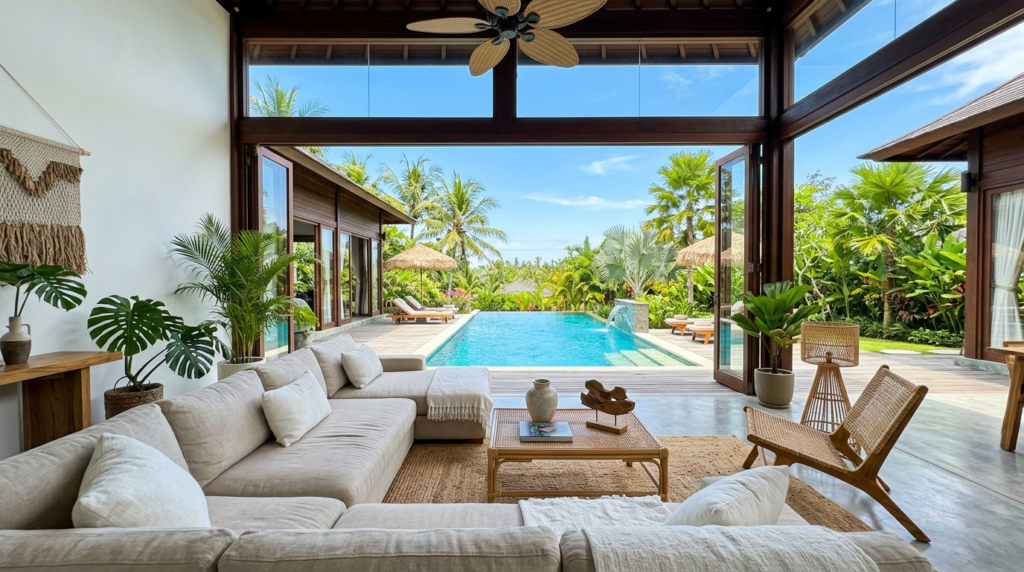
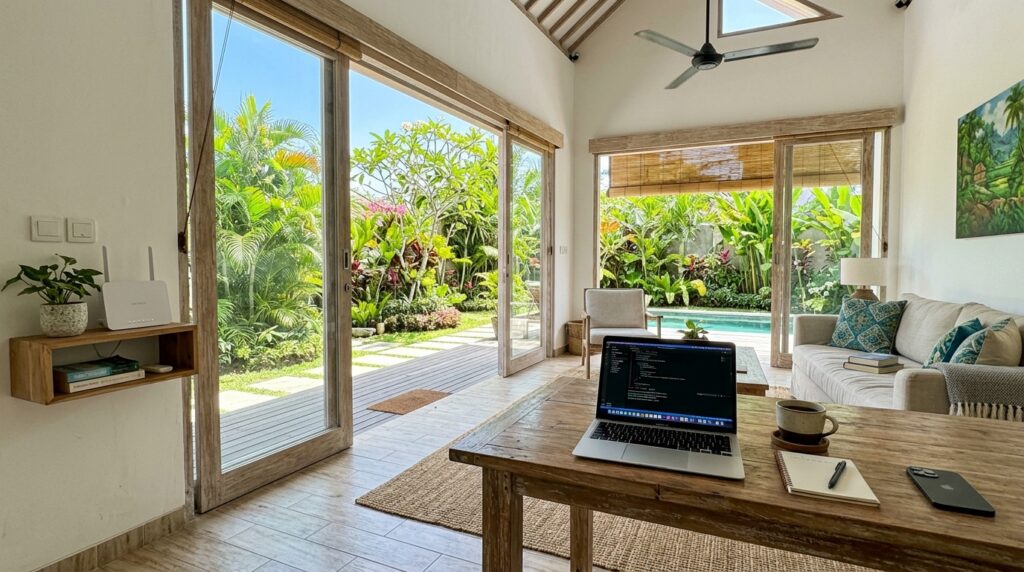
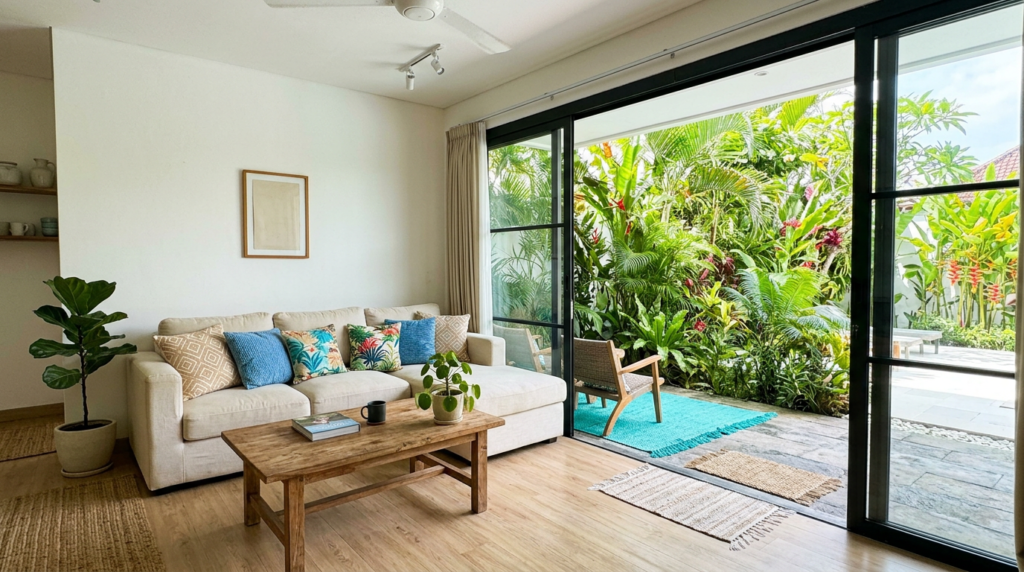
If you’re planning a snorkeling-heavy or diving-heavy trip, timing and accommodation choices go together, and the team at Baliexpertvillas.com can help you align your stay with the season you pick.
What Candidasa trips are really about
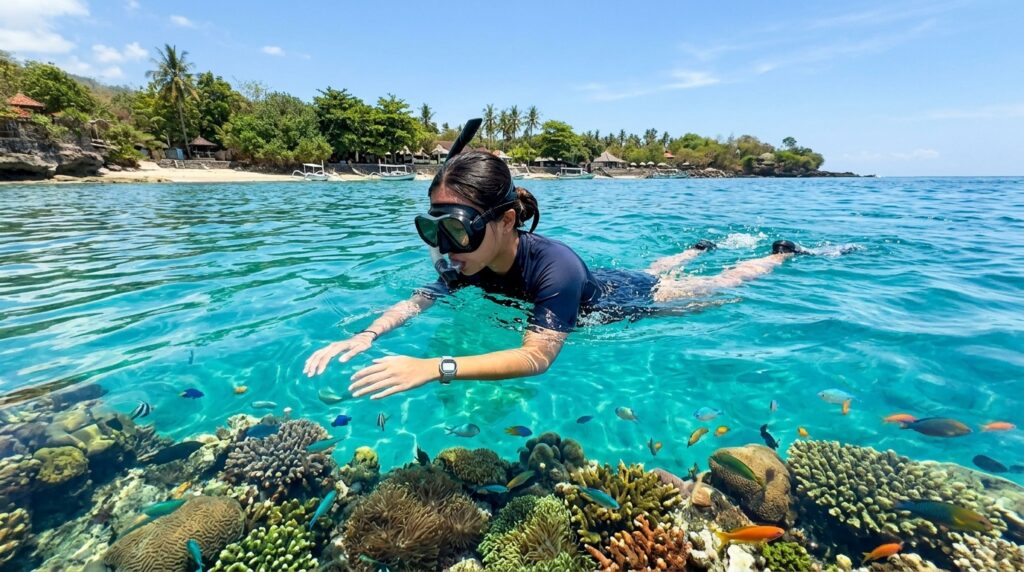
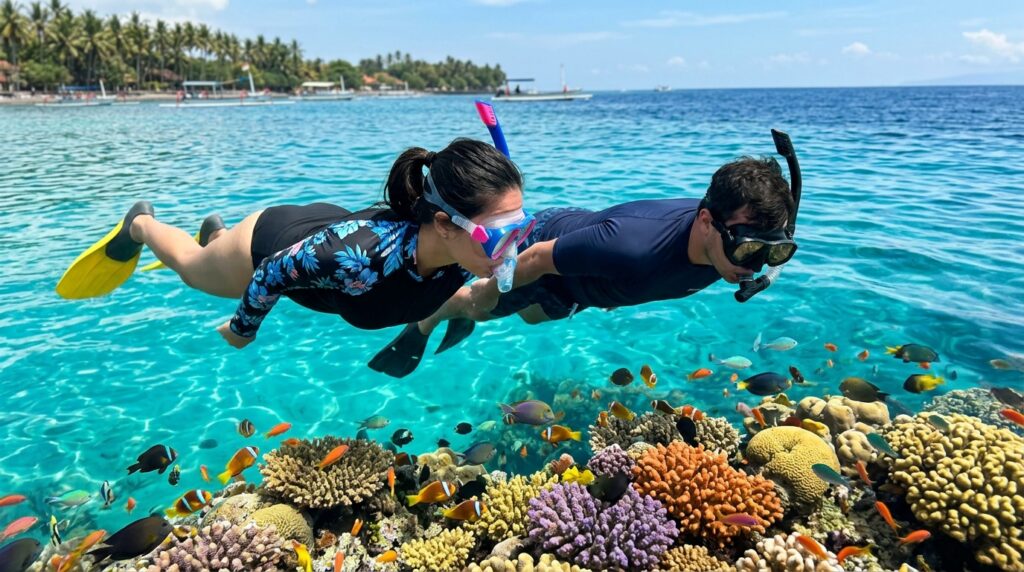
You’re tired of traffic and crowds, so you choose Candidasa for a quieter Bali base, expecting mostly beach time. Then day one turns into lotus views, temple steps, a traditional village stop, and calm-water snorkeling or diving, followed by an easy dinner while the pace stays slow.
Candidasa is an east-coast, laid-back destination that’s built around a mix of culture and marine adventures. It’s quieter than the busier southern areas, and the vibe tends to feel more local and relaxed, with days that flow naturally from sightseeing to slow downtime.
Because the temperature stays warm year-round (typically in the mid-to-high 20s°C) and humidity stays consistently high, “best time” is less about chasing heat and more about avoiding headaches[1][2][7]. Think rain interruptions, wind intensity in certain months, sea comfort for water activities, and how busy places feel when peak travel overlaps.
That’s the timing lens you’ll use throughout this guide, especially for snorkeling and diving, temple hopping, village visits, and simple beach time.
Now that you know what kind of trip Candidasa offers, the next step is understanding how the seasons show up as real daily conditions.
Why timing matters for weather and seas
Most people see “rainy season” and worry their plans will fall apart the moment they arrive. In reality, Candidasa feels different from that generic picture, and timing mostly affects how smoothly your days run, not whether you have a trip at all.
Dry season makes outdoor plans easier
During the dry season (April to October), rainfall is lower and days tend to feel more reliable for outdoor time[1][2]. That matters for things like beach walks, temple visits, and especially water activities, because the coast is generally easier to enjoy when conditions are calmer.
Wet season still works with smart scheduling
In the wet season (November to March), rain and humidity increase, and the months can be wetter overall[1][2]. The key difference is that rainfall often comes in heavier bursts during certain periods, so mornings can still give you usable windows for sightseeing and calmer starts.
Wind can change your comfort even without nonstop rain
Rain isn’t the only factor. In Candidasa, wind can be intense in some months like June and December, which can affect how comfortable the coastline feels for relaxing or beach time. If your plans depend on being outside for long stretches, that wind reality becomes part of the timing decision.
Once you understand what changes, the obvious question becomes which months match different travel styles, so the next section turns this into practical recommendations.
Best months for different kinds of travelers
Which months actually fit your travel style, not someone else’s? For Candidasa, the answer changes based on whether you care most about water time, avoiding crowds, or soaking up culture between rain showers.
Water-first travelers
If your calendar is built around snorkeling and diving, aim for the dry stretch from April to October, with August often standing out as especially dry and popular[1][2][3]. You’ll generally get more dependable conditions for being outside and using the water as your main plan.
Prioritize mornings for sea-focused activities and keep afternoons flexible. The trade-off is that peak weeks can be busier, so you may face higher demand for popular stays and tours.
Crowd-avoidant and budget travelers
If you want a calmer vibe, you’ll usually do best in shoulder months like May, June, September, and October. These sit between the busiest dry-season rush and the wetter months, so you get a decent weather balance with fewer crowds.
Plan outdoor days earlier in the day and treat late afternoon as your buffer time. You’re trading “max reliability” for better value and a more relaxed atmosphere.
Culture-first travelers
If temples and traditional villages matter more than beach lounging, the wet season from November to March can still be a smart choice. Rain and humidity rise, but the days can still work, especially if you focus sightseeing around the clearer parts of the day.
Prioritize mornings for temple steps and village stops, then shift to indoor or sheltered options if heavy showers roll in. The trade-off is accepting wetter conditions, with December and January being the wettest period[6].
Once you’ve seen how each style maps to months, the next part becomes easy: understanding what dry and wet really feel like day to day on the ground.
Want a stay that fits the season you choose, from calm-water mornings to rain-flexible days? Share your dates and preferences with Baliexpertvillas.com so your accommodation matches your ideal Candidasa rhythm.
Dry season vs. wet season in Candidasa
“Wet season means nonstop all-day rain”
Most people assume the “rainy season” equals constant downpours from morning to night. In Candidasa, rain can come in heavier bursts, but it is often not a full-day washout, and mornings can still be usable for sightseeing[1][2].
Plan your must-dos earlier in the day and leave buffer time for afternoons. Pack for wet weather, and you’ll keep the trip feeling flexible instead of stressful.
“Candidasa weather is identical across Bali”
Here’s the twist: Bali’s regions share the same broad seasons, but local conditions can feel different in practice. Candidasa is on the east coast, and that location can affect how comfortable the coast feels and how conditions play out day to day.
Instead of relying on generic Bali advice, base your plan on Candidasa-focused timing. If you’re scheduling snorkeling or diving, treat weather and sea comfort as your real checklist, not just the date on the calendar.
“Dry season guarantees no wind and calm seas”
If you’re picturing a guaranteed “perfect beach day” every time the sky is dry, you might be surprised. Even in the dry season, wind can be intense in some months like June and December, which can change how relaxing the coastline feels.
Plan calmer moments for when conditions feel best. If your beach time matters, watch for wind and keep a backup plan that doesn’t depend on staying outside all day.
“Candidasa is all about expansive sandy beaches”
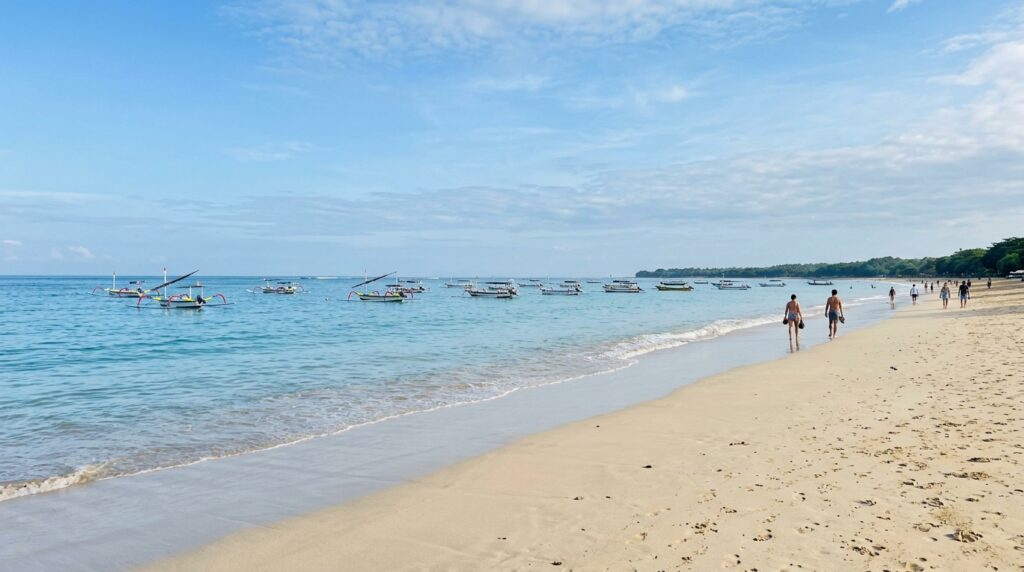
People often expect Candidasa to look like a postcard beach stretch with endless sand. The reality is more nuanced, and the area is better known for calmer coastal conditions that support snorkeling and diving than for long, wide, sandy shorelines.
Set expectations and choose beach time for what it is best at here. If you want a classic sand beach feel, build in time for nearby alternatives, while using Candidasa for marine activities and coastal views.
With these myths cleared up, the next step is getting practical month-by-month numbers so you can match dates to your travel style.
Month-by-month weather snapshot
With August averaging just 40mm of precipitation, it’s often the driest window for the Candidasa coast, while December and January bring the heaviest rainfall[3].
January to March
January averages a max of 32°C, a min of 26°C, and precipitation around 300mm[3]. February is similar on temperature (max 32°C, min 26°C) but slightly lower on rain at 280mm, and March drops precipitation to 215mm while max stays near 32°C[3].
April to August
April gets much drier at about 100mm precipitation, with temps rising to a max near 35°C[3]. May sits around 75mm, June also around 75mm and can feel windier, July is lower at 55mm, and August is the driest at about 40mm[3].
September to December
September rebounds to roughly 90mm precipitation, then October is around 100mm[3]. November increases to about 150mm, and December becomes very wet with precipitation around 295mm while temperatures stay warm (max about 32°C, min about 26°C)[3].
Numbers help, but the real test is how you schedule days around rain, wind, and sea conditions next.
How to plan your days around the season
1. Choose dates by your top priority
Picture your trip as either a water plan or a culture plan. For snorkeling and diving, the dry months from April to October usually make outdoor time feel easier, while November to March works well if you’re okay with rain bursts and want a quieter atmosphere[1][2].
Once you know your priority, you’re no longer guessing when to schedule temple and village stops.
2. Put sea activities in the morning
Because rainfall often shows up more in the afternoons during the wetter stretch, mornings are your safest bet for time on the water[2]. You’ll also get the best conditions for calm starts and less hassle with weather changes.
Even a simple attraction like Lotus Lagoon is best in the morning when the flowers are open[5].
3. Plan temples and villages with weather flexibility
Build your cultural days around the reality of the coast. If showers hit later, you can shift to sheltered options without losing the whole day.
That approach keeps the day enjoyable even when December and January bring the most rain[6].
4. Add extra time for getting around
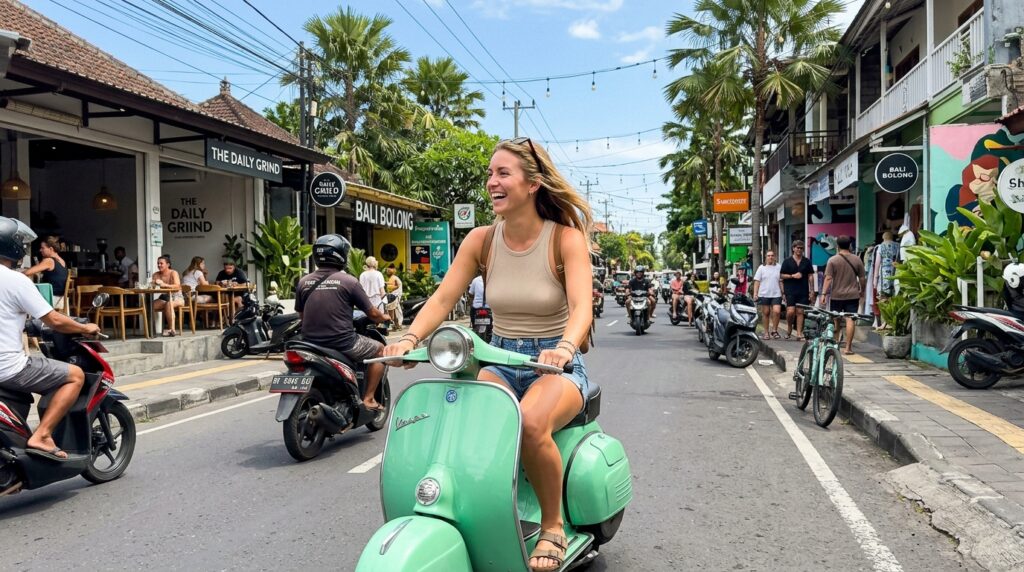
Candidasa is easier to move around once you’re there, often with a scooter or by using a driver. Still, Bali traffic can be unpredictable, so travel days need breathing room.
Schedule buffer time so delays don’t break your plan for the next activity block.
Of course, even solid planning can fall apart, so next we’ll cover the common mistakes people make when they pick dates.
Common mistakes people make
Assuming wet season means nonstop all-day rain
It’s a scary thought, so people overcorrect and skip November to March entirely. The better reality is that rain can come in heavier bursts during certain periods, and mornings can still be usable[1][2].
Check that your plan has morning outdoor blocks and afternoon buffers. What to do instead: schedule your key activities earlier and plan indoor or sheltered options if showers roll in.
Using generic Bali advice only
Generic guidance treats Bali like it’s one uniform weather pattern. In practice, Candidasa is on the east coast, and conditions for comfort and water time can feel different from other areas.
Check that your timing recommendations are Candidasa-focused. What to do instead: match your dates to your priorities, then treat weather and sea comfort as part of the decision, not an afterthought.
Thinking dry season eliminates wind
Dry months can still bring intense wind, especially around June and December. That can make beach time feel less relaxing even if rain is limited.
Check that your “perfect beach day” plan isn’t built on staying outside all day. What to do instead: plan calmer moments for when conditions feel best and keep a backup option ready.
Expecting expansive sandy beaches in Candidasa
If you picture a long stretch of postcard sand, you might be disappointed. Candidasa is not mainly about wide sandy shorelines, and the coastal experience can differ from the classic Bali beach fantasy.
Check your expectations before you lock in beach-heavy plans. What to do instead: treat Candidasa as a base for marine activities and coastal views, and use nearby sand-beach time if that’s your priority.
Underestimating how wind affects the coast
Wind isn’t just an annoyance, it changes how comfortable the coastline feels. In months like June and December, that discomfort can be noticeable even when the rest of your day goes fine.
Check your comfort plan for beach lounging and water time. What to do instead: time your outings around conditions and avoid relying on one single outdoor window.
Now you can make a confident call for your trip, so the next section will help you choose your timing quickly.
So, what’s the best time to visit Candidasa for you?
“The best time” is the one that matches what you refuse to compromise on.
Dry season pros
From April to October, conditions generally favor outdoor plans and water activities[1][2]. You’ll have an easier time building beach time, temple visits, and day trips without constantly adjusting for heavy rain.
Dry season trade-offs
Peak periods can bring more people and higher demand, especially around July and August. Also, wind can still be intense in some months like June and December, so beach comfort isn’t guaranteed.
Wet season pros
November to March often means fewer crowds and a greener, more lively feel. For many travelers, mornings can still work, so culture-focused days can still fit into the schedule.
Wet season trade-offs
Expect more rain and higher humidity, and plan around shower timing rather than fighting it. December and January are typically the wettest months, so build flexibility into your afternoons[3][6].
If you want the driest window, August is usually the standout[1][2][3]. For lush and quieter vibes, lean toward the wettest stretch of December and January, while May, June, September, and October can feel like strong compromises. With that in mind, the right month becomes a simple match to your priorities.
When you’re ready to turn your chosen month into a smooth trip plan, the team at Baliexpertvillas.com can help you find the right place to stay based on your season priorities.