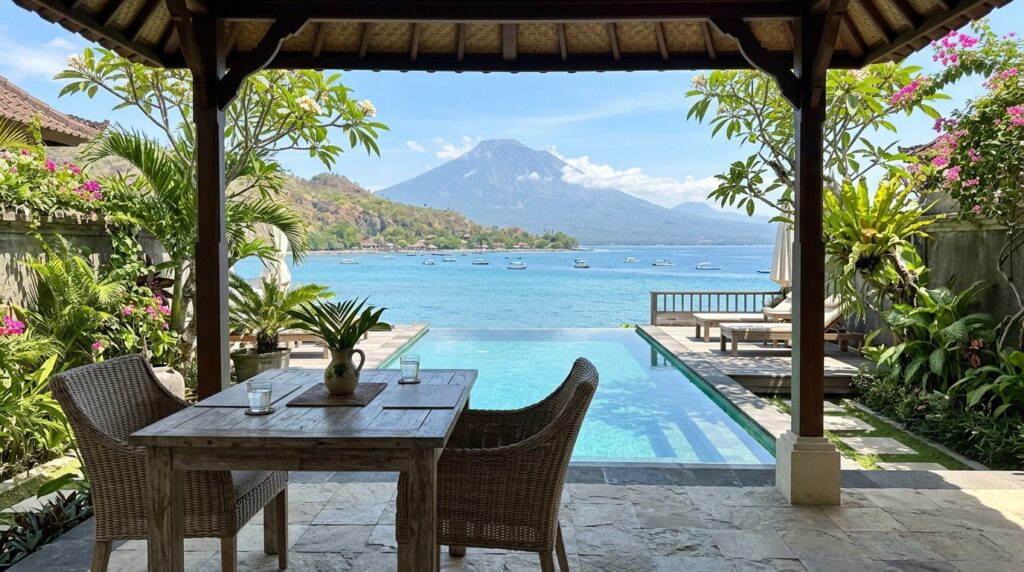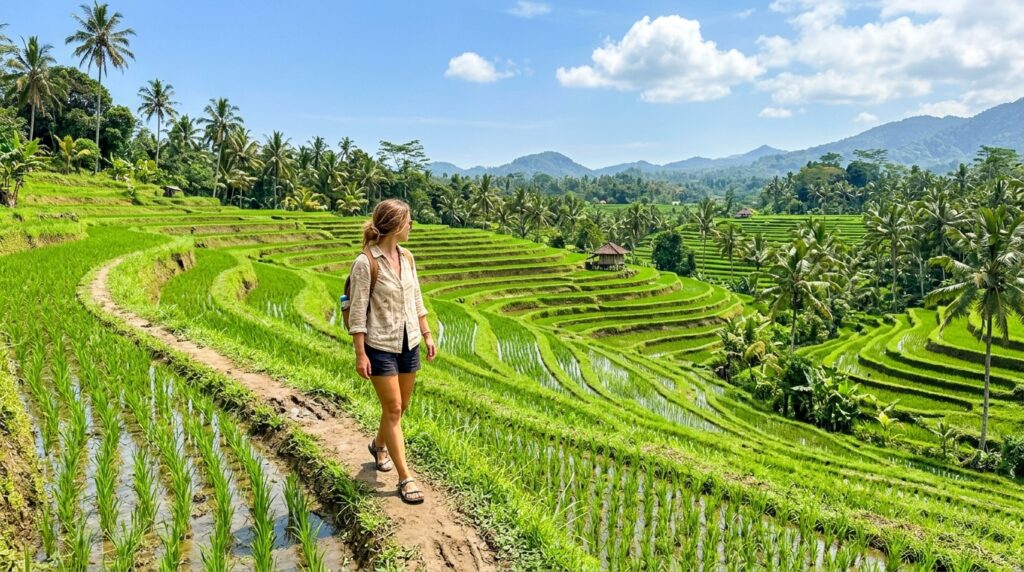

Imagine you land in Badung on a bright morning, ready for beaches, dinners, and an afternoon plan that sounds perfect on paper. Then you check the day’s weather and realize something simple but important: the month you chose can decide whether your schedule feels smooth and sunny, or full of detours around rain, humidity, and crowd levels.
This is why the “best time” question is really about matching your trip style to the island’s seasons. Badung sits near the equator, so temperatures stay warm year-round, but the big change is rainfall. In the dry season, from April to October, you typically get more reliable sunshine and lower humidity. In the wet or rainy season, from November to March, rain is more frequent and the air feels heavier, even though temperatures don’t swing nearly as much.
Next, you also have to think beyond the sky. The month you pick affects comfort and disruptions, it changes how well certain outdoor plans work, and it influences crowd demand, which usually means prices can rise in the busiest windows. Finally, don’t forget microclimates: even within Bali, conditions can feel different depending on where you base yourself and how close you are to the coast, the higher inland areas, or the drier parts of the island.
In the next section, you’ll get the real definition of what “best time to visit” means here. It’s not just about finding one perfect month, it’s about choosing the timing that fits your priorities and protects your plans.
Want a calmer stay in Badung while you plan your dates? Explore Badung accommodation options by location so your base area matches the season you choose.
What “best time” means
“Best time” is not one perfect month. It’s the season that fits what you want from your Badung trip, whether that means sun, calmer streets, fewer interruptions, or easier planning. In other words, you’re matching your goals to the island’s seasonal reality, instead of hoping the weather will cooperate.
That same idea also explains why advice can feel contradictory. Two travelers can both be “right” while choosing different months, because they prioritize different things like outdoor comfort, budget, or crowd level.
Weather quality vs comfort
In Badung, the temperature stays warm year-round, so the real difference between seasons is rainfall and humidity. Dry season, from April to October, usually brings more reliable sunshine and lower humidity, which often feels more comfortable for beach days and outdoor plans.
Wet season, from November to March, is still warm, but the air feels heavier and rain comes more often. The nuance here is that “rainy season” does not automatically mean the whole day is ruined, so how you plan matters more than the label.
Crowds and pricing as drivers
Even if weather is great, your experience can change quickly once lots of travelers arrive at the same time. Peak periods tend to mean higher demand, which usually shows up as higher prices and busier popular spots around Bali.
The common trap is focusing only on climate. If you’re planning around comfort and value, you’ll want to consider crowd patterns and how they line up with high-demand travel windows.
Why your base area changes things
Badung isn’t a single uniform weather bubble. Your base area matters because Bali has microclimates, meaning coastal zones, inland/higher areas, and drier parts can feel different even when they share the same “season” overall.
So if you choose a month based on general Bali weather, but you stay in a place with a different local pattern, you might feel like the advice was “wrong.” It’s usually a mismatch between the month you picked and the area you chose.
Once this makes sense, the next step is easy: learn the two seasons that drive everything else, so you can plan with real confidence instead of guesswork.
The dry season runs April to October
Do you want the easiest planning for outdoor days? Then dry season is your anchor, running from April to October. Expect more reliable sunshine and a more comfortable feel for long beach hours and day trips.
The wet season runs November to March
If you’re going for a calmer vibe and don’t mind shifting your schedule, wet or rainy season runs from November to March. Rain happens more often, and humidity feels higher, but it usually comes in bursts rather than taking over the whole day.
Warm temperatures, changing rainfall and humidity
Badung stays warm year-round, so you don’t need to plan around big temperature swings. The real difference is how often it rains and how humid it feels, which is what changes comfort, disruptions, and how “easy” your itinerary feels.
With these two seasons clear, the next step is understanding exactly how that translates into day-to-day comfort, plans, and your budget.
Dry season: more predictable comfort
Worried that one bad day could throw your whole Badung plan off? The dry season, running April to October, is usually the easiest time for comfort because rain is less frequent and humidity tends to feel lower. That means beach time, outdoor tours, and long drives feel more reliable.
There’s a tradeoff. Popular months in this stretch, especially July and August, often bring big crowds. When demand spikes, prices and traffic can also feel harsher, even if the weather is doing you a favor.
Wet season: quieter days with tradeoffs
If your goal is to travel when it’s calm and value-friendly, the wet or rainy season from November to March is where the advantage often shows up. You typically see fewer visitors and a more relaxed pace, and the island’s greenery looks lush and alive.
The downside is the rhythm of rain and humidity. Showers are more common, and some south-coast beach conditions can be less pleasant in particularly rainy periods due to debris washed ashore. The good news is that the rain often comes in short spells, so you can still plan a full day by building flexibility around showers.
Peak demand: where prices and crowds spike
Even with great weather, your comfort is affected by other travelers showing up at the same time. The busiest windows often overlap with major holiday periods, which creates higher demand, busier hotspots, and higher pricing for flights, stays, and popular experiences.
This is why the “best time” choice is never only about the sky. When you plan around both weather and crowd patterns, your trip usually feels smoother, whether you’re chasing sunshine or trying to save money.
Once you understand these comfort and cost tradeoffs, the next step is simple: match your month to the kind of trip you want, because not every itinerary needs the same weather.
Rainy season always ruins the day
Rainy season always ruins the day, right? That’s the common misconception, and it makes people hesitate before they even book.
Think of wet season like a rain roller coaster, not a never-ending drizzle. You often get short, intense showers (often later in the day), then sunshine gaps where you can still plan outdoor moments.
Next, you’ll see how to match those patterns to your itinerary so the season works with your goals, not against them.
Picture this: you arrive with a plan to “do everything.” The same month can still feel totally different depending on whether you lean toward the beach, the temple, or the countryside.
Beach and water time
If your priority is beach days, swimming, and water activities, dry season is usually the best fit. From April to October, the more consistent sunshine and lower humidity make it easier to stick to outdoor schedules.
During wet season, from November to March, rain is more common and some south-coast beaches can be less pleasant, including potential debris washed ashore in heavier rainy periods. Plan water time with the mindset of “go when conditions look good,” not “set-and-forget.”
Nature and culture time
If you’d rather trade beach time for lush scenery, slower exploration, and culture, wet season can be surprisingly rewarding. The rainy months bring higher humidity and more frequent showers, and the island’s landscapes look greener and more vibrant.
Still, don’t expect every outdoor plan to run exactly on schedule. Build your days around flexible timing, and focus on indoor-friendly activities when showers hit hardest.
How microclimates change the “right” choice
Here’s the part that catches many travelers: Bali has microclimates. Coastal areas tend to stay warm and humid, while higher inland regions can feel cooler and get more rain even within the same general season.
So when you pick a month, also consider where you’ll base yourself. The “best time” isn’t just about dry vs wet, it’s about how your specific area experiences that season.
Once you know how each season supports your itinerary, the next step is locking in a specific month range with more confidence.
With just 4 rain days on average in July and August, this is when most outdoor plans feel the most dependable
For sun seekers, the dry season runs from April to October. You can schedule beaches, snorkeling, and long day trips without constantly checking whether rain will interrupt you.
One more thing to expect: the weather is excellent in mid-year, but that also lines up with the busiest period, roughly mid-July to the end of August. It’s the best time for sunshine, with the tradeoff of bigger crowds and higher demand.
Next up, the contrast is clear: wet season can be quieter and greener, but your plan needs to respect the rain rhythm.
Imagine booking your Badung trip for January
Imagine booking your Badung trip for January. You expect crowds, but what you get instead is a quieter vibe, more availability, and prices that often feel more reasonable.
In November to March, it’s the wet season. Rain happens more often and humidity is higher, but the pattern is usually short spells, which means you can still do plenty if you shift your day around the showers.
Here’s the key caution for the south coast: during heavier rainy periods (especially around December to February), beaches can face debris issues from what gets washed ashore. The adaptation is simple: plan your beach time for the clearer windows, and lean harder into culture and spa moments when the weather turns.
Next, you’ll use this idea to pick the exact month by matching your priorities to both rain risk and crowds.
1. Start with your priority
What do you care about most when you picture your Badung trip, sun, savings, crowds, or culture?
Start by picking one main priority, because that decides whether you should lean toward the dry season or the wet season. Then you can fine-tune the month based on how that choice affects comfort, disruptions, and overall value.
2. Choose your risk level for rain
How okay are you with rain showing up more often?
Dry season is from April to October, and wet season is November to March. If you’re aiming for fewer rainy interruptions, pick the drier months. If you can adapt to short spells, wet season can still work well.
3. Account for crowds and holidays
Are you traveling during a period when everyone else wants the same thing?
In particular, mid-July to the end of August tends to be the busiest window, and that usually means higher demand. Christmas and New Year also bring strong crowd spikes, so your “good weather” plan can feel expensive and busy if you ignore it.
4. Plan logistics before you commit
Once your month is likely, make sure your trip plan matches real logistics.
High season often needs earlier booking, while packing should match your weather plan: sun protection for dry months, and rain-ready items for wet months. Also expect heavier traffic and more lines in peak periods, so you can schedule around it.
When you’re ready, the next step is translating all of this into a quick by-month guide so you can choose dates with confidence.
Lowest-rain month pick
If you want the calmest rain risk, look at August and think “lowest probability.” It tends to have very few wet days and low rainfall, so it feels easy for beach and outdoor schedules.
High season tradeoff months
July and August also overlap with the busiest tourist demand, even though rain risk is low. In July, you still have relatively few wet days and low rainfall, but you should expect fuller places because the peak crowds run roughly mid-July to the end of August.
Higher-rain months for greenery
If you’re okay with more rain in exchange for lush scenery, January and December are the “wettest feel” months. January tends to bring many wet days and substantial rain, while December can be very rainy too, which changes comfort even if rain still tends to come in short spells.
After picking your month using these rain-risk signals, the next question is what happens if your assumptions about timing are off.
“Rainy season means nonstop rain”
Here’s why that assumption backfires: in Badung, the rainy season is not usually endless. Rain tends to come in short, heavier spells, often later in the day, with sunshine breaks in between.
If you plan like the whole day will be ruined, you may miss activities, spend extra money on unnecessary indoor plans, and feel like you’re “fighting” the trip instead of working with the weather.
Microclimates make blanket advice misleading
Are you staying near the coast or closer to inland areas? That choice can change what the same month feels like, because Bali has microclimates.
When you ignore local variation, you can show up expecting dry comfort and get a cooler or wetter experience instead. The result is usually frustration and packing mistakes, not just inconvenient rain.
Peak season can spike prices and crowds
Once demand rises, your budget and schedule take the hit even if the weather is great. The busiest period is roughly mid-July to the end of August, and it often comes with higher costs and heavier traffic.
If you choose “best weather month” without accounting for crowd behavior, you can end up paying more for similar experiences and spending time in lines instead of enjoying your trip.
Christmas and New Year are crowd magnets
These holiday windows can create a surge in bookings and demand beyond what you’d expect from weather alone. So you might feel stuck with both busy streets and expensive options.
The consequence is practical: less availability, slower movement, and fewer spontaneous choices once you arrive.
Nyepi can disrupt your day
It’s easy to overlook Balinese timing until it’s too late. Nyepi occurs in March and can affect activity patterns across the island for a full day.
If your dates land there and you don’t plan around it, you may find your plans limited when you expected normal travel routines.
Wet months can mean more mosquito risk
During the wet season, higher humidity and more mosquitoes can turn simple outdoor time into an itchy inconvenience. You’re more exposed if you don’t prepare.
Ignoring that reality can lead to discomfort and health worries, which can quietly derail the experience even if the rain isn’t stopping you.
Now that the common timing traps are clear, the next step is a tighter self-check for mistakes that directly cost time or money.
Trying to save money but ending up with expensive surprises is usually a planning-timing mistake.
- ✅ Skip peak-demand check and pay more than planned
- ✅ Arrive with invalid passport validity rules
- ✅ Pack for sunshine only, then get caught in rain
- ✅ Expect every beach to look clean in wet months
- ✅ Ignore Nyepi timing in March
- ✅ Assume traffic will be light and predictable
If you miss peak-demand patterns, you can face higher costs and busier schedules even when the weather is fine. The fix is simple: treat crowds and demand as part of your date selection, not an afterthought.
Passport issues can derail everything no matter which month you choose. A common rule is that your passport should be valid for at least 6 months beyond your arrival date, so double-check early.
Underpacking is the next classic problem. In wetter periods, bring rain-ready items and plan for insects, so you can keep moving even when showers pop up.
Not every beach stays “picture perfect” during heavier rainy periods, especially in the south. If you notice debris from washed-in trash, adapt by shifting beach time to clearer windows and focusing on indoor or low-impact plans.
Nyepi happens in March and can disrupt normal activity patterns across the island. If you’re not aware of it before booking, your day can feel unusually limited when you expected regular travel routines.
Finally, traffic and transport get harder when demand is high. Build your schedule with realistic travel time, so you don’t lose half a day to congestion.
With these pitfalls in mind, you’re ready to apply the framework and finalize your dates without second-guessing.
“A good plan is just priorities, timing, and a little respect for how people travel.”
If you want your plan to feel effortless, match your season to the right place to stay and consider checking villa options that fit your month and itinerary style.
Your best-time checklist (pros)
Pick your season by your priority, then fine-tune with month risk. If you lean sun and outdoor time, the dry season tends to be easier; if you want quiet value and greenery, wet months can work if you adapt. Also remember microclimates and pack for the wet vs dry reality where you’ll actually stay.
Your last-minute sanity checks (cons)
Re-check peak holiday demand so you don’t get surprise crowds and higher prices. Confirm transport timing for busy days and revisit health readiness, especially for wetter months where mosquitoes can be more noticeable. Once these are checked, you can feel confident even if the weather shifts.
Still unsure about the best month for your style? Let Baliexpertvillas.com help you line up your dates and base area with the season that fits your plans.