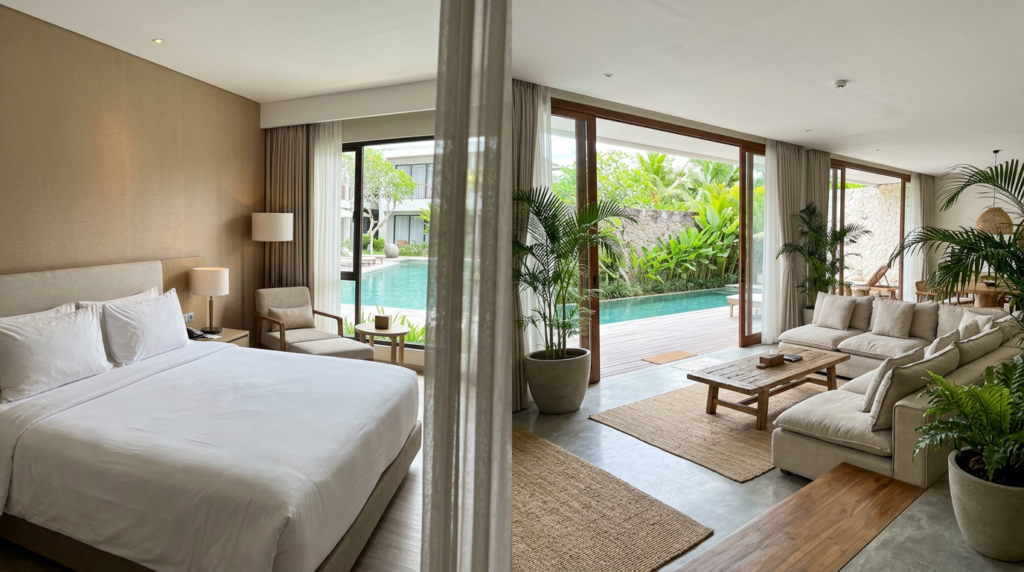

Imagine you land in Nusa Dua with that one simple goal: clear skies and perfect beach weather. You walk out of the transfer, spot the white sand, and you want the day to go smoothly from morning swimming to an easy dinner by the coast.
Here’s the twist. The “best time to visit” Nusa Dua is not one magic month. It’s a balancing act between three things that directly shape your day: weather quality, crowd levels, and cost. If you want the most consistent outdoor time, you usually lean toward the dry season. If you care more about getting value with fewer people around, you’ll often consider the wet season, as long as you travel with a plan.
As a general rule, Bali runs on a tropical monsoon pattern with two main seasons. The dry period tends to fall between May to September, while the wetter months are roughly October to April. In Nusa Dua, that usually translates into a comforting rhythm: May, June, and September are often the standout choices for overall conditions, while November to March can be a strong value window, with a key exception when holiday demand spikes around Christmas and New Year.
In the next section, you’ll get the practical “why” behind these recommendations, connecting the seasons to what a typical day actually feels like in Nusa Dua.
Want help turning these timing tips into a plan that matches your exact travel style and budget with Baliexpertvillas.com
Why Nusa Dua’s seasons matter for your trip
Choose your travel month based on what you want to feel every day, not just what looks good on a weather headline. The “best time” to visit Nusa Dua depends on how the season shapes your comfort and how it changes the number of people showing up at the same resorts.
Weather-to-experience
Dry-season conditions usually mean more reliable beach time. That matters in Nusa Dua because a lot of the vacation rhythm is built around sun, calm relaxation, and outdoor lounging. When days are sunnier and less rainy, you spend less energy rescheduling and more time actually doing the beach plans you booked.
During the wet season, conditions shift toward warmer air with higher humidity and short tropical downpours that often happen later in the day. The key point is that it rarely feels like a constant, all-day washout. Instead, your schedule works better when you front-load outdoor activities and save indoor comfort for the afternoon when showers are more likely.
Crowds-to-budget
In a resort-focused area, crowd levels can make the whole experience feel different. Peak demand tends to cluster around July, August, and the holiday stretch around Christmas and New Year. With more visitors, you should expect higher demand across the board and a busier atmosphere around the places you’ll actually use day to day.
If you’re aiming for better value and a calmer feel, November to March is often the sweet spot because it tends to be quieter outside the holiday spike. The trade-off is planning around intermittent rain, but the payoff is fewer crowds and more breathing room in a place designed for relaxation.
Next, you’ll get the climate basics laid out clearly, so you can match your priorities to the right time window with confidence.
You booked for sun, but the real fear is that rain will steal your whole day.
In a dry-season week, mornings often feel bright and easy. You can plan beach time early, then keep afternoons flexible for resort lounging without constantly checking the sky.
In the wet season, mornings are frequently clearer, but shorter tropical downpours tend to show up later. That means you shift your outdoor blocks earlier and treat the afternoon like a window for a spa, a relaxed meal, or just solid resort downtime.
Wet-season travel in Nusa Dua works best when you stop planning like every hour is the same. Think in parts of the day, not an all-day “will it rain?” question. Next, the climate basics will give you the timeline you can use to make confident date choices.
“Monsoon” in Bali is a wind story, not an automatic promise of constant rain.
Dry season
The dry season is the part of the year when you’re most likely to get sunshine and calmer beach days. For planning, that usually means your outdoor time feels less interrupted, and your Nusa Dua resort routine stays on track more often. In the Bali timeline, it’s roughly the period between May and September.
Wet season
The wet season is when humidity is higher and showers show up more frequently. The important detail is that it doesn’t automatically mean all-day continuous rain in Nusa Dua. Think shorter, tropical downpours that often come later, so your best approach is to enjoy mornings outdoors and keep indoor options ready. This period is roughly October to April.
Monsoon (wind, not constant rain)
Monsoon refers to wind patterns, not a guarantee that rain will fall nonstop. That nuance is why you can still have good beach time during wetter months, especially when you structure your day around the moments rain is more likely. It also helps explain why “rainy season” advice can feel too scary if you take it literally.
Shoulder season
Shoulder season is the in-between stretch where conditions can be excellent without peak crowds. In practice, many travelers look at May and earlier September as sweet spots because you often get strong weather with a calmer atmosphere than the busiest months. It’s a good choice if you want a balance of comfort and value.
Peak demand
Peak demand is when travel demand concentrates most heavily, which affects availability and how busy places feel. In Nusa Dua, that pattern tends to cluster around July, August, and the holiday stretch around Christmas and New Year. If you’re traveling then, you should expect more crowds and plan booking earlier.
With these terms in place, you can map your priorities onto the right time window, instead of guessing based on a single “rain” label.
Dry season vs wet season, in plain terms
Want the simplest way to think about it, question first: are you optimizing for reliable beach time or for value and quieter resort days?
In the dry season, you’re more likely to get consistent sunshine and calmer outdoor days. That makes it easier to plan a classic Nusa Dua rhythm, like beach mornings and unhurried afternoons without constantly checking the sky.
During the wet season, conditions are warmer and more humid, with shorter tropical downpours that often land later in the day. Instead of expecting clear weather all day, you lean into a morning outdoors approach and keep a simple indoor backup plan like spa time or resort downtime for when showers arrive.
Next, let’s translate this into temperature and humidity expectations so you know exactly what comfort will feel like.
Temperatures, humidity, and comfort levels
Daytime warmth typically averages around 27–32°C, so most days feel hot and inviting for the beach. To stay comfortable, pack sunscreen, a hat if you wear one, and keep water handy.
For the evening cool-down, expect temps to drop to about 24°C. If you prefer staying out after sunset, a light layer helps without feeling like you brought a winter jacket.
Humidity feel is part of the story too. Humidity is often around 75%, and it can feel higher, around 85–90%, which makes warmth stick to your skin. Since days run roughly 12 hours, with sunrise around 6.20 am and sunset around 6.30 pm, plan outdoor time for morning and comfort breaks later in the day. Warm conditions are year-round, so the real “best time” mostly comes down to rain reliability and crowd dynamics.
So, what’s the best time to visit Nusa Dua?
Pick your dates by choosing the trade-off you can live with, because Nusa Dua’s “best time” depends on weather comfort and how busy the resorts feel.
Best months for weather and beach days
If you want the easiest planning, aim for May, June, and September. Those months sit inside the dry-season stretch, roughly between May and September, so beach days are more likely to feel consistently good.
In Nusa Dua, that usually means more reliable outdoor time for swimming, sunbathing, and easy resort routines. With fewer weather surprises, you can keep your days simple and enjoy the calmer, resort-centered atmosphere.
Best value months when crowds bother you
For a quieter stay and better value, consider November to March. This period often brings fewer crowds because it’s a more off-peak window, but you still need a plan for intermittent afternoon showers.
The big exception is when holiday demand spikes around Christmas and New Year. If you travel for the calmer vibe, those holiday weeks can feel busier even during the wet season.
How peak travel affects price and availability
Peak demand tends to concentrate around July and August, plus the holiday stretch around Christmas and New Year. When demand rises, it’s typically harder to find your preferred room options and more places feel crowded.
That doesn’t mean you can’t have a great trip, but it does mean you should book earlier and expect a stronger “busy season” feel in popular resort areas. Next, we’ll translate these recommendations into a simple way to choose dates based on your priorities.
If you’re visiting in the value window, compare options and lock in the best fit with Nusa Dua stay options from Baliexpertvillas.com
Best months for weather and beach days
May, June, and September are the months most people aim for when they want easy beach planning. They’re generally considered strongest because they sit inside the dry-season pattern, typically running roughly from May to September.
For a Nusa Dua trip, that usually means better odds of enjoying swimming, sunbathing, and outdoor dining without constantly worrying about rain. Since Nusa Dua is coastal, you tend to get that “dry season equals better beach reliability” feeling, rather than a constant, all-day rain situation.
Best value months when crowds bother you
You might assume the “rainy season” is a guaranteed headache, but the off-peak stretch from November to March is often when you get fewer crowds and better value. Mornings can still stay clearer, so your resort-based plans usually work better than you’d expect.
Just plan for the trade-off: higher humidity and short tropical downpours that often show up later in the day. The one major exception is when holiday demand spikes around Christmas and New Year, which can make the area feel busy even in the wet season. Next, let’s connect that peak demand to what happens with price and availability.
How peak travel affects price and availability
Picture this: you choose July/August for your Nusa Dua trip and start booking. As demand rises, prices tend to climb and the best options become limited, so you may end up with fewer room choices or less flexibility.
After you arrive, the “busy” part becomes noticeable. Resorts can feel more crowded, common areas get fuller, and popular daily routines require a little more timing. The holiday window around Christmas and New Year can create a similar effect, even though it overlaps the wet season.
So if you’re targeting those peak weeks, the smartest move is to book earlier, then you’ll be ready to follow the practical planning workflow next.
How to plan your dates in practice
Not sure which month makes sense for your Nusa Dua trip, but you want a simple way to decide?
A simple decision workflow for travelers
Step 1 is pick your top priority: beach reliability, the lowest cost, or avoiding crowds as much as possible.
Step 2 match that priority to a time window: May, June, or September for weather, or November to March for value with shower planning.
Step 3 set your flexibility level. If you go during the wet months, plan for outdoor time earlier and keep indoor comfort ready.
Step 4 book earlier if you’re targeting peak periods like July/August or the holiday stretch around Christmas and New Year.
Packing and scheduling tips by season
Step 1 pack light basics for warm weather year-round: sun protection, hydration, and breathable clothing.
Step 2 add a light layer for cooler evenings, and if you’re traveling in wetter months, bring light rain coverage for likely afternoon showers.
Step 3 schedule your day around the pattern: outdoor mornings first, then use the afternoon for spa time or relaxed resort downtime.
With a solid plan in hand, the next step is avoiding the common misconceptions and booking mistakes that can derail expectations.
1. Choose your priority
Still worried your trip could be ruined by weather? Start by picking your top priority: beach reliability, lowest cost, or crowd avoidance.
2. Match it to a time window
If weather reliability matters most, aim for May, June, or September. For value, consider November to March, just plan around intermittent afternoon showers.
3. Plan for flexibility
In wetter months, treat your schedule like a day with two modes. Go outdoor early, then keep indoor options ready so you are not chasing every forecast refresh.
4. Book earlier for peak weeks
If you are targeting July/August, or the holiday stretch around Christmas and New Year, book earlier since availability tends to tighten. Rainy season does not automatically mean lost vacation time in Nusa Dua when you plan around it.
“Pack for comfort, then let your schedule handle the weather.”
Year-round essentials are the stuff you use no matter which month you pick. Keep them light and practical so you can move easily between beach time and resort life.
- Bring lightweight, breathable clothing for everyday comfort
- Pack swimwear since beach time is a main plan
- Use sunscreen and sunglasses because the sun is steady
- Stay hydrated and protect yourself from the sun all day
Then add season-specific items and adjust your timing. During wetter months, the afternoon is when showers are more likely, so you plan accordingly.
- Add a light layer for cooler evenings
- Bring an umbrella or light raincoat for the wet season
- Schedule indoor options like spa or cultural time during possible afternoon rain
The goal is flexibility, not fear of rain. With the right basics and a flexible schedule, your Nusa Dua trip usually keeps flowing smoothly.
What to watch out for before you book
It’s tempting to trust the label “rainy season” and the word “Bali” as if it means the same thing everywhere. That’s where most planning goes wrong for Nusa Dua.
Misconceptions that lead to wrong expectations
Wet season isn’t nonstop rain
Here’s the tricky part: “rainy season” sounds like you’ll get constant downpours all day. In Nusa Dua, showers are typically shorter tropical downpours, and they often show up in the afternoon, so mornings can still stay usable.
If you plan like every hour will rain, you’ll over-cancel beach time. A better approach is to enjoy outdoors earlier and keep indoor options like spa or relaxed resort time for later.
Bali forecasts don’t always match Nusa Dua
Think of it this way. A forecast for “Bali” doesn’t automatically reflect the coastal feel of Nusa Dua or the way your day plays out when you’re staying inside the resort area. Weather patterns can differ across the island, so one forecast can feel misleading.
This mistake leads to packing decisions that are either too heavy or too anxious. You’ll enjoy the trip more when you treat forecasts as guidance, not a prophecy.
Peak doesn’t mean “best value”
Try this instead. Peak travel brings higher demand, which often means higher prices and more limited availability, plus more crowded resort facilities. Weather may also be attractive then, so it feels tempting to assume peak is always the best deal.
When you chase “best conditions” without checking crowd and cost trade-offs, you might overpay and still feel less relaxed than you expected.
Nusa Dua isn’t built for immersion vibes
Most people expect Bali culture to be front and center, right where they’re staying. Nusa Dua is purpose-built for a calmer luxury experience, so it’s less “lively local streets” and more “resort bubble” comfort.
That disappointment can be avoided by planning cultural time around what you’re actually aiming to experience, not what a different Bali neighborhood is known for.
Booking mistakes during peak periods
Waiting to book can backfire fast
Here’s the problem with peak weeks: demand concentrates around July, August, and the holiday stretch near Christmas and New Year. When everyone wants the same dates, availability tightens quickly.
If you delay, you may end up with fewer room options or less flexibility in your travel dates. Booking earlier gives you control instead of reacting to sold-out choices.
Now that you know what trips people up, the next step is choosing your ideal window so your expectations match the experience.
Wet season isn’t nonstop rain
Many travelers hear “rainy season” and brace for a day-long washout. In Nusa Dua, showers are typically short tropical downpours and they often show up later in the day, while mornings can still stay clear.
Plan your beach time earlier and you’ll feel the difference. Pack for warmth and sun, and schedule your indoor break when rain is more likely.
Forecasts don’t map perfectly to Nusa Dua
It feels logical to treat a Bali-wide weather forecast as your day plan, but Nusa Dua can play out differently because it’s a coastal, resort-focused area. Local conditions mean the “rain chance” label may not match what you experience hour by hour.
Don’t overreact to one forecast update. Build flexible timing into your schedule so you stay comfortable whether the day is sunny or showery.
Peak weather can still be a trade-off
Sometimes the best weather months are also the busiest. When peak demand concentrates around July and August, you tend to get higher costs and more crowds, even if conditions feel great for outdoor time.
So choose based on what you’re willing to trade. If you want more calm, consider value months instead of chasing only peak weather.
With the mindset corrected, the next common problem is booking mistakes that happen when you wait too long around peak weeks.
Booking mistakes during peak periods
Peak weeks feel “easier” to book, but the reality is the opposite. High demand around July/August and the holiday stretch near Christmas and New Year usually means higher prices and more limited availability. Resorts can also feel noticeably more crowded, even if the weather itself is great.
The upside is you get the best-known conditions, but the trade-off is comfort and flexibility. Avoid these issues by booking earlier, don’t assume the price matches your crowd tolerance, and don’t plan a full schedule as if restaurants and spa time will be easy to get.
With peak demand understood, the next section helps you lock in the right window for your trip.
Conclusion: choosing your ideal Nusa Dua window
Still wondering what “best time” actually means for your Nusa Dua trip? Aim for May, June, and September for the most reliable beach weather, or go November to March for better value and fewer crowds with a plan for afternoon showers. Peak weeks around July/August and the holiday stretch near Christmas and New Year can be amazing too, but only if you’re comfortable with higher demand.
Once you match your priority to the season, building a flexible daily rhythm becomes easy. Think outdoor mornings, then keep a simple indoor or spa buffer ready if rain rolls in later. Want a smoother planning process with Baliexpertvillas.com for your chosen dates, then you’ll be ready to enjoy the calm resort days ahead.
Tim Baliexpertvillas.com siap membantu Anda menyusun strategi yang tepat – hubungi kami untuk konsultasi gratis.
Next steps before you travel
- Re-check forecasts closer to departure to adjust daily plans
- Plan indoor or spa time for potential afternoon rain
- Book earlier for peak months and holiday weeks to avoid limited options
- Pack sun protection year-round since warmth never really leaves
- Add a light layer for cooler evenings when needed
- Bring light rain coverage for wetter months and stay flexible
- Keep expectations realistic about crowd and cost trade-offs
With these steps done, you’ll enjoy the trip more, even when weather varies from day to day.