Picture this: you land in Bali after a long flight, and you realize you do not want another beach-town stay where every day looks the same. You want green views, cultural moments, and a place where you can slow down without feeling bored. That is the moment Ubud starts to make sense.
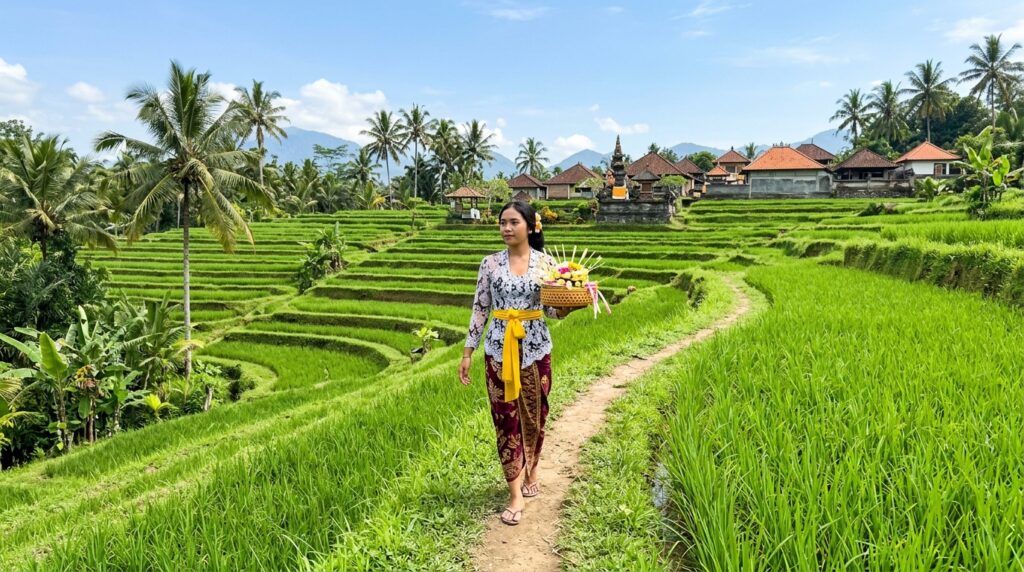
Ubud is Bali’s inland, elevated base. Instead of ocean scenery, you get temples tucked into the landscape, an art scene that feels genuinely alive, and countryside that looks like it belongs in a postcard. And yes, rice terraces are a big part of the magic, along with jungle walks, waterfalls, and the familiar feeling that you are exploring something deeper than just the next sunset.
One important reality check though: Ubud is popular now. It has grown into a proper town, which means peak-season crowds and traffic can be real. The “spiritual heart” vibe still exists, but it comes with more visitors, more development, and a more commercial side of things than people often expect.
In the next sections, you will learn what staying in Ubud really means, why it matters for your itinerary, what a typical day feels like, and the key trade-offs to watch for before you book.
Planning a Bali stay is easier when you know what to expect in Ubud. If you want a clear next step, reach out to the team at Baliexpertvillas.com to match your ideal area and vibe to the right villa.
What staying in Ubud really means
Ubud is more than a town name
Staying in Ubud means choosing an inland, elevated lifestyle, not a beach vacation. In travel terms, Ubud refers to the town in Bali’s interior, surrounded by rice paddies, jungle, and a landscape shaped by higher ground. That inland elevation is part of why it feels different on your body and your schedule, with a cooler, fresher vibe than the coast.
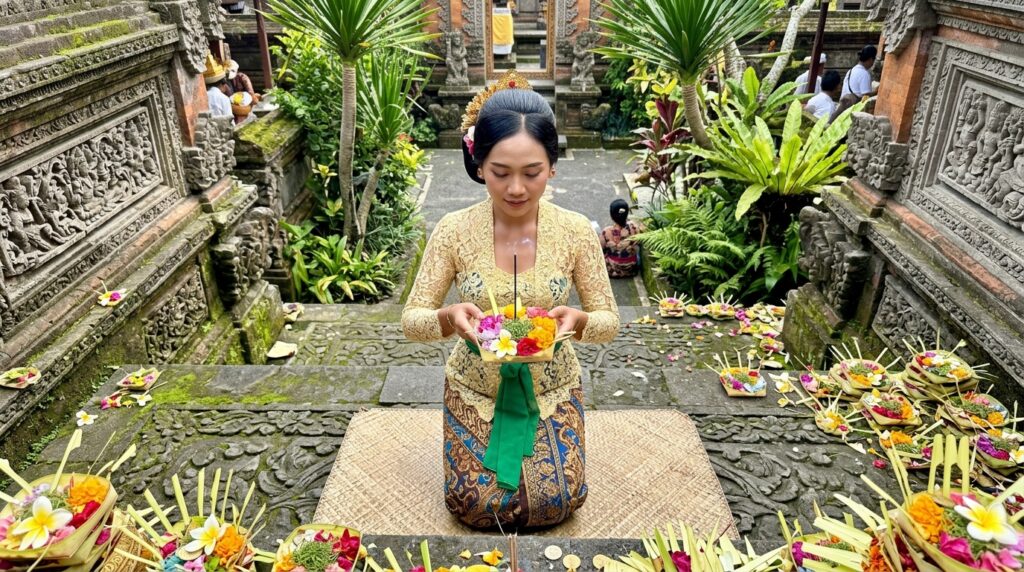
Here, “culture” is not something you only see on a ticket. Temples, daily ceremonies, and traditional performances are woven into everyday life, and that is why Ubud often gets described as Bali’s cultural and spiritual hub. Add the iconic rice terraces and nature spots like waterfalls and the Monkey Forest, and your days naturally mix sightseeing with real atmosphere.
Central Ubud vs nearby villages changes everything
Where you book inside Ubud is the biggest lever that shapes your daily experience. Central areas tend to be more walkable for cafes, markets, and key sights, but they also feel busier and more exposed to peak-season crowds. If you want to step outside and be in the middle of action, that convenience is great, but you should also expect a louder, more active setting.
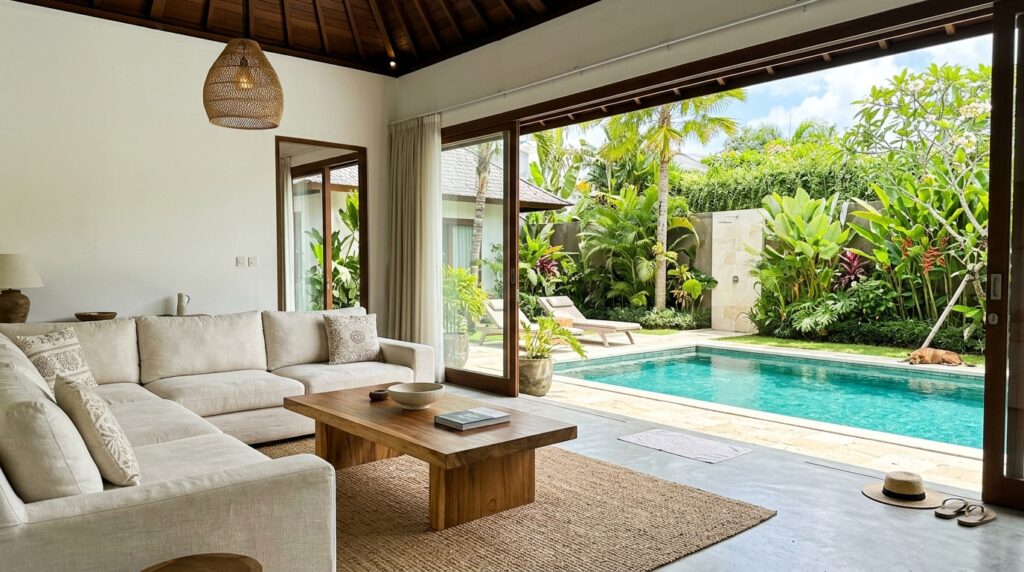
Step slightly outward toward nearby villages and the mood often shifts. You trade some immediate walkability for calmer surroundings, with more jungle or terrace views and a better chance of feeling like you found the quieter side of Ubud. In other words, your stay can be lively and social, or it can feel more like a retreat, even though both are still “Ubud” on the map.
So this is why where you book matters
When people say Ubud feels magical, they are usually describing the blend of culture, nature, and wellness that surrounds the area. But the moment you are stuck in traffic for longer than planned, or you realize your accommodation is far from the town highlight you pictured, the magic can feel muted. Location controls your movement, your energy, and how often you feel relaxed versus rushed.
So before you commit, think about how you want your days to flow. If you want easy access to the center, pick a spot that minimizes travel time. If you want peace with rice and greenery right outside your window, lean into the nearby-village vibe. Once you understand what Ubud means on the ground, the next step is simple: see why it matters for the itinerary, and what you actually gain compared with staying in beach towns.
Ubud runs on culture, nature, and wellness
Most people think Ubud is only about temples or only about yoga, but the real stay is a blend of three pillars. When you wake up in Ubud, you are living inside its culture, stepping through nature, and then leaning into wellness, all without needing to chase a “special experience” every day.
Culture shows up through temples, art markets, and traditional dance and performances, so you feel the place, not just visit it. Nature is everywhere too, from rice terraces and waterfalls to countryside walks that make the scenery part of your schedule. Then wellness ties it together with yoga studios, meditation, and spa treatments, all backed by the area’s long-standing reputation as a healing and well-being destination.
Once you understand these three ingredients, the next question becomes the practical one: where exactly are you staying, because that choice determines whether your days feel relaxed or chaotic.
Central Ubud feels convenient, but it can be busy
If your hotel does not feel like the Ubud you saw online, the location is often the culprit. Central Ubud usually means more walkable access to cafes, markets, and highlights, but also more busyness. In peak season, crowds build up fast, and travel time can stretch due to traffic even when distances look short.
Nearby villages offer more calm and greener views
When you move outside the busiest center, the vibe tends to soften. Nearby villages are often calmer, with more jungle or terrace-style scenery nearby, so your mornings feel less like commuting and more like being in the countryside. It can also be easier to “feel” Ubud instead of just passing through it.
A simple takeaway: stay central for walkability, but go slightly outside the center for peace. Once you know what you will feel day to day, you can plan how Ubud fits your itinerary, and that is exactly what the next section will help you do.
Why Ubud matters for your Bali itinerary
Is Ubud the right fit for you
Are you the type of traveler who wants culture, greenery, and a calmer mind, not just beach days? If yes, Ubud tends to click fast. People who love spiritual experiences often come for yoga, meditation, and nearby temples, while art and food lovers find plenty to do through Ubud’s art scene, art markets, and a strong dining mix from warungs to more upscale meals.
Nature fans also get a lot for their time. You can easily pair temple visits and traditional dance with rice terraces and waterfalls, which is exactly why Ubud works as either a short highlight stop (about 1 to 3 days) or a deeper base for exploring more of the interior for a week or longer. Once you feel that rhythm, the stay stops being “just lodging” and starts shaping the whole trip.
Ubud vs beach towns trade-offs
Staying in Ubud is almost like choosing a different kind of vacation playlist. Beach towns give you ocean views and that laid-back party energy, but you do not get Ubud’s signature mix of culture-heavy days and inland landscapes. In Ubud, your “highlights” often look like a morning wellness session, then an afternoon moving through temples, art areas, and scenic countryside spots.
The trade-off is real: you give up easy beach access, and your travel time can be affected by crowds and traffic because Ubud is popular. But you gain a different pace and a more variety-filled day. If you want beach time every day, a beach base plus Ubud day trips can make more sense. If you want to feel Bali’s interior life, Ubud as a base is usually the better call.
Now that you know how Ubud fits your motivations, the next step is seeing how it works in real life day to day.
People who enjoy Ubud are usually chasing a feeling
“It is the kind of place people come for healing, not just sightseeing.” That is why spiritual seekers often love staying in Ubud. They are drawn to yoga, meditation, and the steady presence of temples and ceremonies, and the area’s cooler, more comfortable walking vibe makes it easier to actually spend time outdoors instead of rushing between stops.
Food and art lovers have their own reason too. Ubud offers a strong dining scene with local warungs alongside better-known restaurants, and its art markets and galleries make it easy to turn browsing into a full experience. If you like days that mix temples, performances, and great meals, these pillars of culture and wellness will feel like they belong together.
Now, if you are coming from a beach-town mindset, the next thing to understand is how Ubud’s trade-offs compare.
Ubud is not a beach-town substitute
Many people think Ubud is basically a beach vacation without the sea, but that is the wrong mental picture. Ubud’s town center has no beaches, and the everyday energy feels more cultural and nature-focused than coastal. Instead of waking up for a beach plan, your “interesting day” usually starts with temples, art, and greenery like rice terraces and waterfalls.
Here is the upside: you gain inland scenery, dense temple and art experiences, and a strong wellness culture that makes your trip feel more like a journey than just a location. If you want beach time every day and big nightlife, a beach base makes more sense with Ubud as a day trip. If you want culture, nature, and well-being as your core, staying in Ubud is the better match.
With that trade-off clear, the next step is getting the day-to-day reality of staying in Ubud.
How staying in Ubud works day to day
A simple 3-part routine
Imagine starting your day with yoga or meditation while the air still feels cooler in Ubud. After a relaxed breakfast, you can head out for a cultural block like temples, art markets, and traditional dance performances, or you can switch to nature with rice terraces and nearby countryside scenery.
Once the afternoon heat softens a bit, many people build their “big sights” around waterfalls or scenic walks, because Ubud makes it easy to bounce between culture and nature in the same day. In the evening, you usually finish with dinner at local warungs for affordable Balinese flavors, or a nicer restaurant if you want to treat yourself.
With your routine in mind, the next H3 is the part that decides whether you glide through Ubud or lose time in traffic.
Getting around without wasting time
Picture this: you leave for a destination that is only “a short drive” away on your map, then traffic slows everything down. That is normal in popular areas of Bali, and Ubud is no exception, especially during peak season when the town feels busier and travel time stretches.
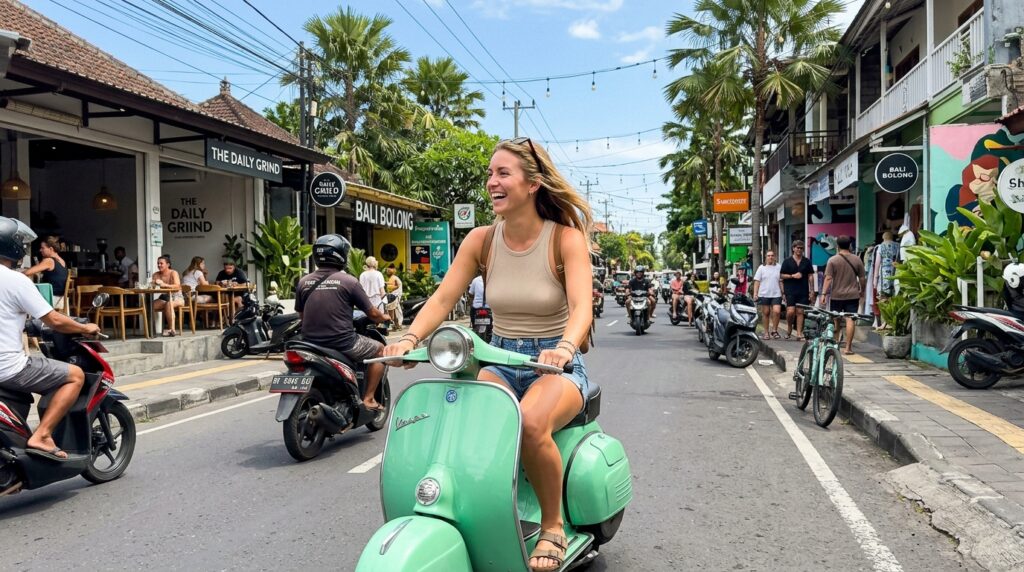
Inside central Ubud, walking can work for getting between shops and key spots, and scooters or ride-hailing apps like Grab and GoJek make short hops easier. For attractions beyond the center, use a scooter if you are comfortable, or hire a private driver, then plan buffer time so the day stays enjoyable rather than stressful.
With the routine in mind, the next step is the part people often skip: what to watch out for before you book, so you do not end up disappointed by the most common mistakes.
A simple 3-part routine to plan your days
Plan your Ubud days in three chunks and everything feels easier. Morning sets the tone. Think yoga, meditation, and a slower breakfast, when the air feels cooler and it is easier to be outdoors for a while.
Afternoons are for mixing culture and nature. You can start with temples, markets, and art, then shift to rice terraces or waterfalls if you want greenery to take over the camera roll. The key is to cluster similar experiences so you do not burn energy bouncing around too much.
By evening, most people unwind with dinner at local warungs for easy Balinese flavors, or choose something nicer if they want a treat. If you feel like it, you can also catch traditional dance or a performance, then call it a day before the next morning resets your pace.
Want the calm version of Ubud without guessing? Let Baliexpertvillas.com help you shortlist villas by vibe, so your location supports your daily routine from day one.
Walk when it makes sense, ride when it does not
Getting around in Ubud feels annoying when you assume everything is “close by,” then you waste time walking for no reason. In central Ubud, walking can work well between many cafes, markets, and nearby highlights, especially if your accommodation is positioned for it.
Once you go beyond the center, switch to a scooter if you are confident, or hire a private driver for easier day trips. Ride-hailing apps can also help for short hops. The goal is simple: match the transport to the distance, so your day stays about temples, rice terraces, and waterfalls, not commuting.
Plan for traffic like it is part of the schedule
Traffic is one of those Bali realities that rarely shows up clearly on a map. During peak season, getting in and out of Ubud can take longer than you expect, even if the route looks short. Build buffer time before you head out, and avoid stacking too many “far apart” stops in one day.
For example, if you are doing a day trip that includes rice terraces and a waterfall, group those activities by area and keep extra time for movement. Once you do that, the next hurdle is avoiding disappointment with the big mistakes people make before they even arrive.
What to watch out for before you book
Ubud is an untouched quiet village
It feels safe to assume Ubud will be calm like the old travel photos, but that is not how it works anymore. Central Ubud is busy, especially during peak season, and traffic can turn “quick trips” into longer ones. If you book right in the center expecting solitude, you may end up annoyed instead of relaxed.
Also double-check what “Ubud” means on your booking. In practice, some places labeled Ubud can be farther from the main highlights than you expect, which adds time and stress to your day.
Cash and monkeys are part of the planning
The biggest surprise is not usually safety drama, it is the practical stuff people forget. Some temples and local spots expect cash for entrance fees, and ATMs can be less convenient if you wander into rice terrace areas. Keep a sensible amount on hand and plan around it.
For everyday comfort, take petty theft seriously by keeping valuables close and not leaving things unattended. And when it comes to monkeys, treat the Monkey Forest like wildlife, not a toy set. Do not feed them, and follow temple etiquette and respectful behavior, because that is what keeps the experience smooth.
Once you have these watch-outs handled, you can make a confident decision about staying in Ubud and move on to the final “is this right for you” step.
Ubud still feels like a quiet sanctuary
It is tempting to expect peaceful solitude, but central Ubud is now busier, especially in peak season. The “untouched village” image sticks around from older stories, yet the real experience includes more development, more visitors, and traffic that can stretch travel times between sights.
That mismatch leads to disappointment and wasted time, because you mentally scheduled a relaxed day when the area is actually moving fast. A simple fix is to plan with extra buffer time and treat peak-season crowds as part of the background, not a surprise.
Ubud on a listing is not always town-center
Most people assume that if a place says Ubud, it is close to the main highlights. In reality, “Ubud” can cover a wider area, so the accommodation you book may be outside the town center.
Before you commit, check the exact location on your map and choose intentionally. Then add extra time for movement, so your day stays enjoyable even if traffic slows you down. Next, we will switch to how to stay comfortable and respectful while you are there.
Cash is one of the surprises in Ubud
People often assume they can pay everything with cards, but some places in Ubud work best with cash. Entrance fees and market purchases can require it, and while ATMs exist, getting cash can be trickier if you are out near rice terraces.
Bring a buffer amount and keep some smaller bills, so you are not stuck when you want to enter a temple or buy a quick souvenir.
The monkey forest isn’t a “feed them” attraction
Most tourists do not run into major trouble, but petty theft and wildlife behavior are real enough to plan for. Keep valuables close and do not leave bags or phones unattended, especially in busy areas.
For monkeys, treat it like nature, not entertainment. Do not feed them, because it makes them bolder and more likely to snatch belongings, and follow temple etiquette and dress norms. With that mindset, your stay feels safer and more respectful, and the trip stays fun without distractions.
Is Ubud the right base for you?
Are you picturing Ubud as a peaceful, culture-filled escape? If you want culture, nature, and wellness, Ubud is often a great match. Just remember the trade-off: peak-season crowds and traffic are real, so you will feel the busier side more when you stay right in the town center.
✅ If you want convenience, pick a location near central Ubud
✅ If you want calm, choose somewhere slightly outside the busiest area
✅ Plan your days in a simple routine so you are not rushing between distant spots
Before you book, do one last practical check: confirm cash expectations for entrances and markets, and build extra buffer time for getting around. If you do those things, Ubud usually delivers the “worth it” feeling people chase.
Strong next step: If you want help choosing the right Ubud location (central for convenience, nearby for calm) and matching it to your routine, the Baliexpertvillas.com team is ready to help you put together the right strategy – contact us for a free consultation.