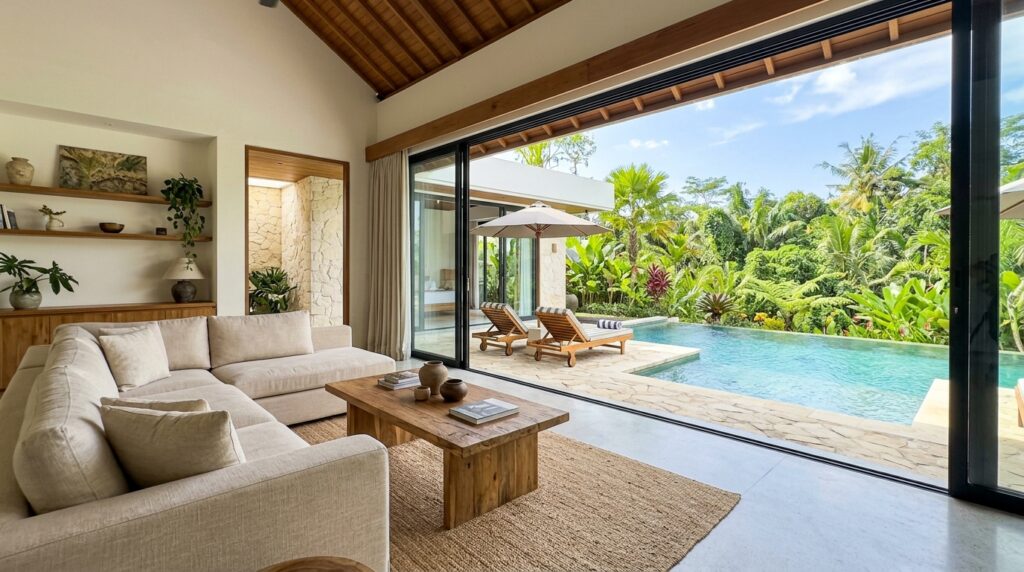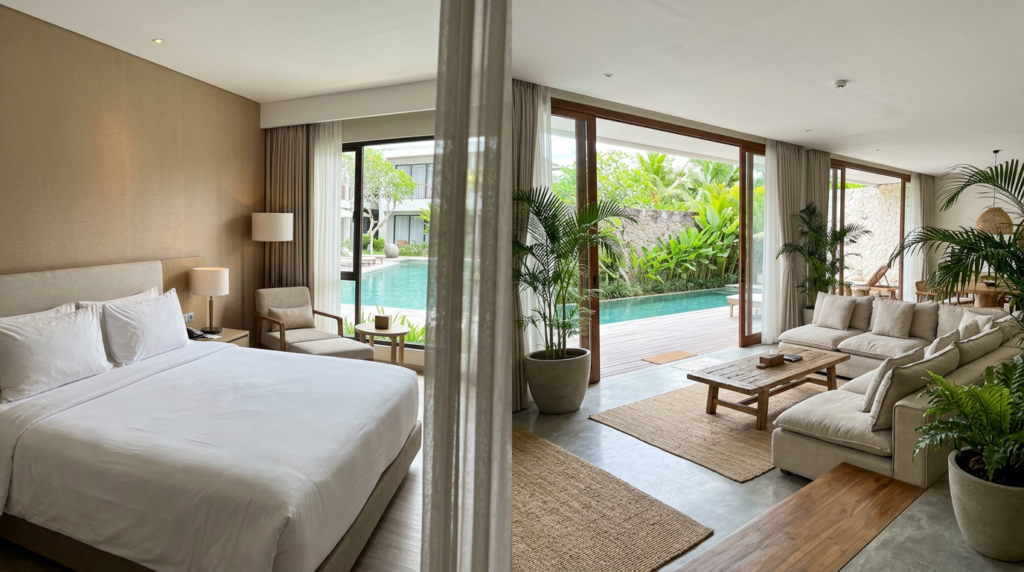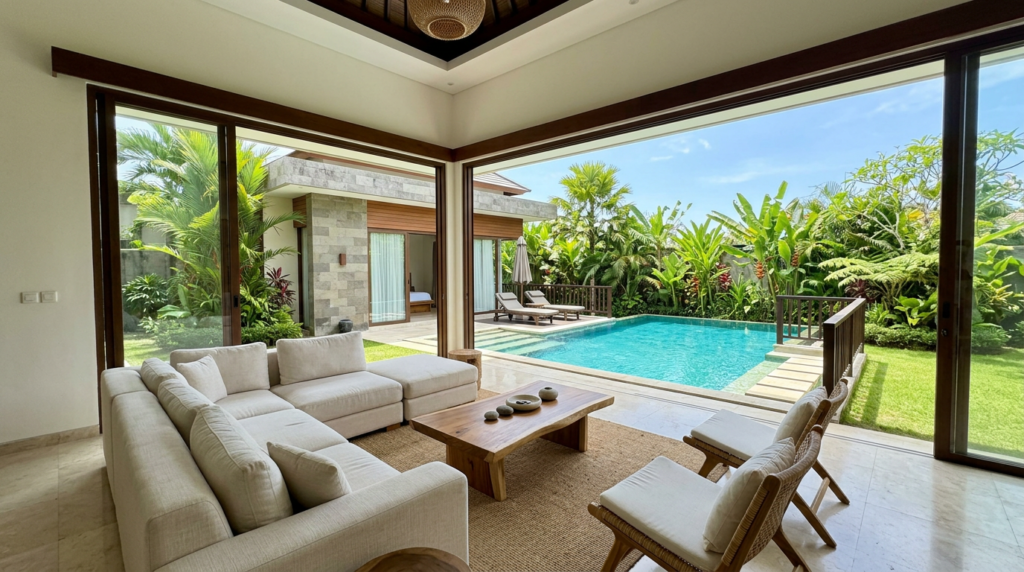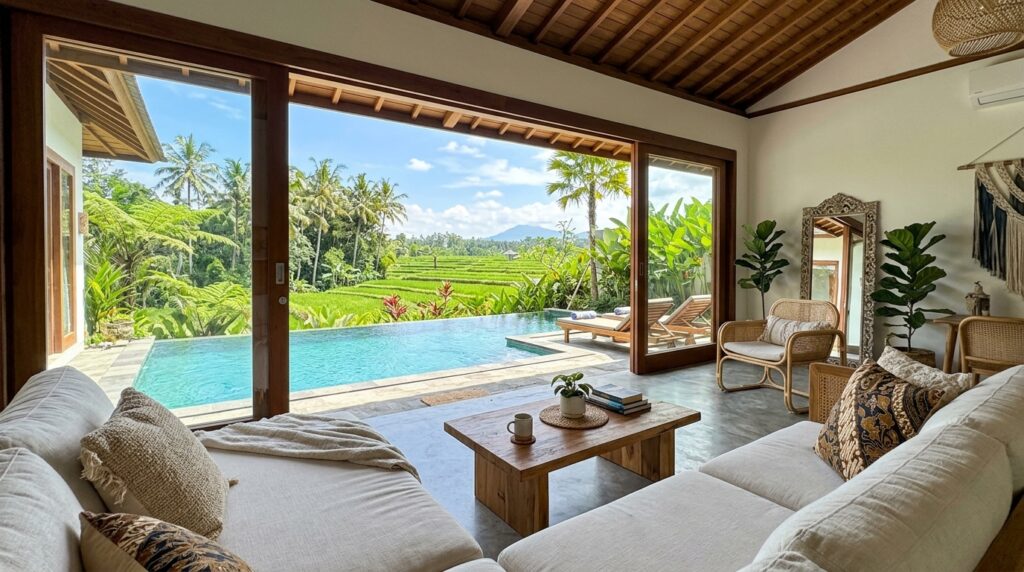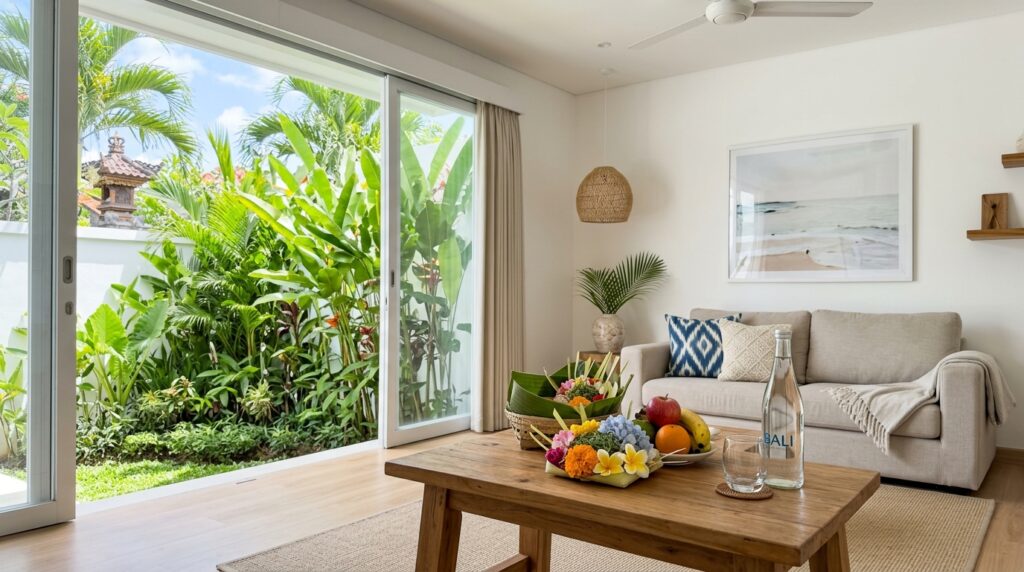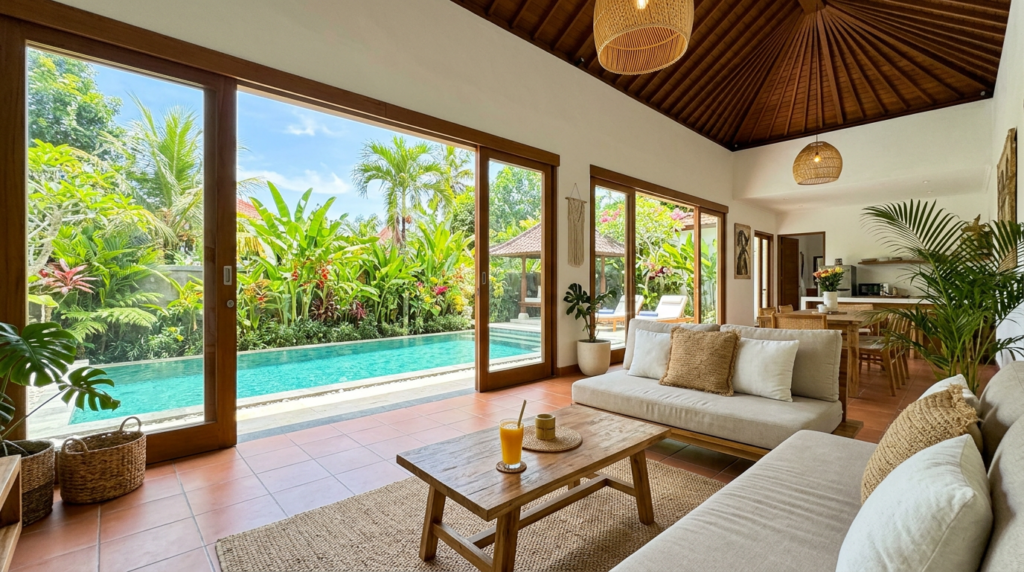

Imagine it is golden hour in Uluwatu. You step out onto your villa’s terrace, hear the ocean near the cliffs, and suddenly the whole trip feels like it was designed just for you. That is the difference a great rental can make here. It is not only a bed and a pool view. It sets the mood for every morning walk, every late-night chat, and every sunset photo you actually want to remember.
If you have started browsing, you already know the tricky part. There are so many listings that look amazing, yet the details that matter can feel invisible until it is too late. You might worry that you will pick the “wrong” one, waste money on a place that feels nothing like the photos, or end up with logistics that steal your energy instead of supporting your holiday.
The good news is that you can make this much simpler. In this article, you will learn how to shortlist villas, verify the important facts, and avoid common rental mistakes that happen in Uluwatu. Instead of guessing, you will use a clear way to compare properties and spot issues early, before booking locks things in.
We will start by defining what “perfect” means for your specific trip, because a villa that fits a surf-focused group is not always the best match for a quiet couple getaway. After that, we will move into how to evaluate the real details, then cover booking checks you should never skip. Finally, you will learn the red flags that tell you when to dig deeper or move on. Once you know what to look for, choosing becomes a lot less stressful.
What “perfect” means for your Uluwatu stay
Perfect is different for every purpose
Perfect is not one universal villa style. It depends on why you are in Uluwatu in the first place. A surf-focused group often values outdoor hangout space, fast access for early sessions, and a layout that can handle everyone moving at different times.
A couple getaway usually cares more about privacy, calm corners, and a smooth flow from bedroom to view. For a family trip, the “perfect” choice leans toward practical comfort, safer outdoor areas, and enough space to avoid feeling cramped.
Must-haves beat nice-to-haves every time
Start by separating must-haves from nice-to-haves, because this is where most people get stuck. Must-haves are the things that will affect your daily comfort and whether the villa works for your group. Nice-to-haves are the extras that feel good, but you can live without if something else is better.
For example, a jaw-dropping view is great, but reliable hot water and comfortable indoor airflow matter more. Or maybe a big pool sounds perfect until you realize the villa has limited outdoor seating where your group actually wants to spend time.
Layout should match your group dynamics
Even if a villa looks amazing, the layout can make or break your stay. Think about how your group behaves: do you want shared time together, or do you need quiet space to recharge? “Perfect” layout means the villa’s common areas and bedrooms support those patterns.
Picture a group of friends who want to stay up late talking. They will love a plan where social space is comfortable and separate from sleeping rooms. Meanwhile, a family may prefer a setup that keeps daytime life easy, with smoother movement between kitchen, dining, and shaded outdoor spots.
Once your definition of perfect is clear, the next step is placing it in the right Uluwatu setting. Then you can move into choosing the area with the next section.
Beach access, cliffs views, or hubs convenience
Are you dreaming of quick beach time? If you choose a more beach-friendly area, you usually get easier access to popular spots and a more relaxed daily routine. In practice, this can mean fewer “where do we drive next?” moments and more time actually enjoying the coast, especially for surfers who want simple schedules.
Meanwhile, a cliff or higher-elevation villa can deliver privacy and standout views, but it often changes how “near” anything feels. Stairs, narrow roads, and elevation can slow down trips to the beach or main areas, particularly at night, so factor in travel time as part of the experience you are paying for.
Staying in a cultural or busier hub area is often about convenience for errands, food, and transport. You may spend less time planning logistics, and getting around can feel smoother. Still, check how far you are from the villa’s ideal vibe, since you might trade some quiet for easy access to daily needs.
Once you know which area style fits your day-to-day, the next step is making sure the budget matches how Uluwatu pricing can shift and what add-ons might be needed.
Set a realistic budget that includes real costs
Have you ever found a villa that looks “within budget,” then the total suddenly jumps after you read the fine print? In Uluwatu, pricing can swing with seasonality and special events, so Step 1 is to check whether your dates fall in a high-demand window. That’s the moment to adjust your expectation before you get attached to one listing.
Next, Step 2 is calculating what the nightly rate does not cover. Many stays add costs for cleaning, utilities, and deposits, so look for these items in the rental terms rather than assuming they are included. This is also where you should confirm what the villa actually provides for day-to-day comfort.
Then move to Step 3 by planning for practical logistics. If the property depends on staffing, extra guest handling, or specific arrival arrangements, those details can affect the total you should prepare. When you factor these early, the stay feels smoother instead of stressful.
Finally, Step 4 is simple: confirm the full total before booking. Compare your shortlisted villas using the same “all-in” mindset so you can make a fair choice. With budget aligned, the next section will explain how villa details shape your daily comfort.
If you want to compare villas faster, start with your checklist and then let Baliexpertvillas.com help you match the right fit to your group
It’s easy to think the view is the whole deal, especially in Uluwatu, right? The truth is the villa details decide whether your stay feels effortless or annoying day after day.
The comfort checklist that prevents vacation “friction”
Pros first: check for reliable utilities, good ventilation, consistent hot water, steady water pressure, and secure entry points. If the listing photos look dreamy, but the real water system is weak or the air feels stuffy, you will notice it fast, especially in a humid climate.
Next, think about layout and service setup, because those shape privacy, shade, and how indoor-outdoor space actually works in real life. A villa can look spacious online, yet poor layout can make common areas crowded and sleeping zones feel exposed. Also, responsive check-in and a clear service setup can be the difference between “minor hiccup” and “we’re stuck for hours.”
With this comfort lens, you can evaluate listings faster and more confidently. Then you’ll be ready to use a simple workflow for comparisons in the next section.
Comfort checklist to prevent vacation “friction”
“The best villa is the one that works day to day, not just the one that looks amazing.”
- Look for proof of reliable utilities and daily livability
Check for signs of consistent daily essentials, like stable water and systems that support normal use. In Uluwatu’s climate, you feel weak utilities quickly.
- Confirm ventilation and airflow in humid conditions
Good ventilation keeps rooms comfortable and helps prevent that closed, damp feeling. This matters more when humidity stays high and nights feel warm.
- Check hot water and water pressure expectations
Don’t assume it is fine because the shower looks nice in photos. Ask or verify that hot water is reliable and pressure won’t drop when others use it.
- Verify secure entry points for peace of mind
Gates, doors, and access feel small until you are carrying bags or moving at night. Secure entries help you relax faster.
- Test layout usability for shade, seating, and privacy
Notice where shade lands and how seating fits your group. A layout that supports privacy and easy lounging makes the villa feel truly “yours.”
- See if indoor and outdoor space flow naturally
Pay attention to how you move from living areas to terraces or pool space. If the connection is awkward, you will use the space less, even with a great view.
- Watch for “photo great, reality tricky” mismatches
Example: a villa can look incredible online, but if water pressure is weak or ventilation is poor, the stay becomes uncomfortable. That is the kind of friction you want to catch early.
Once comfort checks are clear, the next step is learning how to evaluate villas quickly without getting overwhelmed.
Only about 10 extra minutes of browsing can turn into hours of stress if you evaluate the wrong way. The fix is choosing an evaluation style that keeps you focused and helps you decide faster in Uluwatu.
Photo-first leads to surprises
Starting with photos feels efficient, but it can hide practical issues. A villa can look perfect on a screen while actual utilities, ventilation, or water pressure are the real deal-breakers.
When you rely on visuals too early, you miss the patterns in reviews and the clarity in policies. You end up learning the hard way, right after you’ve already invested time.
Evidence-first keeps decisions grounded
An evidence-first mindset uses photos, but it only trusts them after you confirm details. You triangulate what you see with guest feedback and the villa’s stated terms, so your choice is based on consistent information.
This is where timing matters too. Evaluate at the right moments, like when you can compare similar listings side by side and spot mismatches in what is promised versus what is delivered.
Shortlist fast with a “two-round” method
In Round one, filter with your must-haves: location fit, capacity, and the obvious non-negotiables. Keep it quick and don’t overthink every photo yet.
In Round two, verify using reviews, stated policies, and direct questions to the host or agent. After that, you can compare the remaining options with confidence instead of guessing.
Once you choose an evidence-first mindset, you can apply this two-round shortlist and move into booking readiness, where confirmations matter.
Picture this: you have 12 villa tabs open, and you still feel unsure. A two-round shortlist turns that messy browsing into a decision you can trust.
Round one: filter fast using location fit, capacity, and your obvious must-haves. This is where you remove any villa that clearly cannot work for your group, so you do not waste time comparing “almost right” options.
Round two: verify what’s left through reviews, the stated policies, and direct questions to the host or agent. Look for clarity on how things work in real life, not just what the listing promises.
After you shortlist, the next move is booking readiness, where you confirm details and ask the right questions before paying.
It is the night before your stay. You are excited, then you realize check-in time and the deposit terms were never clearly explained.
That moment is more common than you think. The best way to protect your trip is to confirm logistics first, while everything is still easy to clarify. Ask about check-in and check-out timing, Wi-Fi (and whether it is stable enough if you plan to work), and how the villa is staffed during your dates.
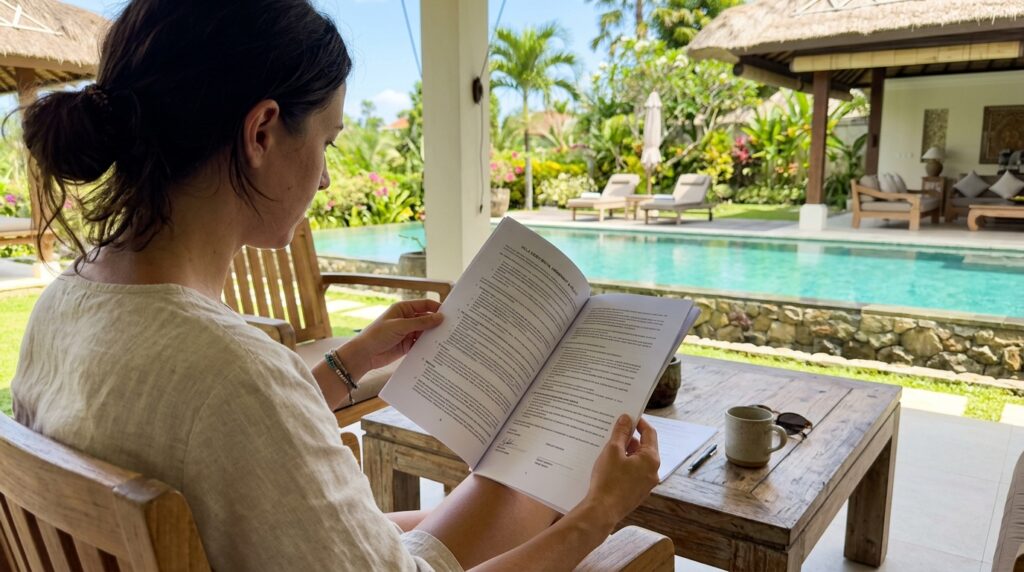
Next, review policies with the same seriousness as the villa itself. Look closely at cancellation terms, what deposit is required, and how identity or payment is handled. Also, read the house rules so you know what is expected around guests, noise, smoking, or pool use.
After the paperwork, shift to reality checks. Cross-check that the photos match the property, especially outdoor areas that can change with weather or wear. Pay attention to access and parking too, because a beautiful villa on a cliff can feel very different when you are arriving with bags in the dark.
Ask the right questions before paying
Clarify anything that would block your comfort, like how check-in works, where you should park, and whether staff are available for support during your stay. Ask for direct answers you can write down, especially for Wi-Fi, hot water timing, and pool or garden maintenance.
It is also smart to ask what the villa includes versus what is extra, so there are no surprises after payment.
Confirm what’s included and what’s extra
Request a clear breakdown of inclusions such as linens, cleaning schedule, utilities, and any service details that affect day-to-day life. Then verify what costs extra, like additional guests, late check-out, or special requests.
Once you confirm these basics, the next section you read will help you spot mistakes and warning signs before they become problems.
What’s included in the villa rental
What’s included, and what’s just “nice if it works out”? Get clarity on staff presence during your dates, pool maintenance, linens, and any kitchen equipment you are expected to use. If the listing sounds vague, it usually means you will discover details after payment.
Ask for a written summary of inclusions so you can compare villas fairly. Then confirm in writing what you should expect every day, not just what looks good in the photos.
How do staff and services work during your stay
Will staff be around when you need help, or only at set times? In Uluwatu, the difference can be big because outdoor areas and pool routines affect your comfort, especially in warm, humid weather.
Ask about the staffing schedule, who handles pool upkeep, and what happens if something needs attention. Make sure the answer matches your expectations before you pay.
Is the villa safe and easy to access
Can you reach the villa smoothly, even after sunset, with your bags? Ask about the road conditions and whether your vehicle type fits the access points, plus the stairs, gates, and any steps you will manage on arrival and departure.
For safety, also ask how you find the place at night and what the entry process looks like in real life. Get clear instructions and confirm details before completing payment.
What should you expect for water and ventilation
Will you actually feel comfortable indoors, or will humidity make it harder to relax? Ask how ventilation works and confirm water expectations like hot water reliability and whether water pressure stays steady.
A practical example: a villa can look stunning online, but weak water pressure turns showers into an everyday hassle. Request confirmation of these day-to-day basics so you are not guessing.
What’s the next step after you confirm these answers
Once you have the inclusion and access answers, you can move on to the money and comfort details that matter most. The next section will help you separate what’s included from what’s extra so there are no surprises later.
“What’s included versus what costs extra can save you from surprises.”
Confirm utilities and climate comfort
Check how air conditioning works, whether it is reliable, and if there are usage limits. Also confirm hot water availability and any restrictions so you know what “daily comfort” really means.
Clarify linens and basic household setup
Ask what linens are provided and whether they are refreshed during your stay. This helps you understand if you need to bring anything, or if the villa covers the essentials.
Verify pool and service routines
Find out how pool maintenance is handled during your dates. If service depends on a schedule, knowing it early keeps your expectations realistic.
Ask about extra guests and capacity rules
Confirm whether the villa’s listed capacity is strict or flexible. If you plan to invite visitors, ask what is allowed and what counts as an “extra guest.”
Confirm late check-out and special requests
Ask whether late check-out is possible and if it has an extra fee. For special requests, confirm how they work and whether approval is needed.
Put confirmations in writing
After you get answers, ask for a clear message you can reference later. A short written summary beats relying on a quick verbal explanation.
Even when you ask questions, certain patterns still cause trouble. Next, you will learn the common mistakes to watch for.
Common villa rental mistakes in Uluwatu
You can trust photos to tell the whole story
Relying only on marketing photos is a classic mistake. A great image can hide access challenges, smaller-than-expected sizing, or details that only show up in real use.
Instead, treat photos as a starting point. Cross-check the practical reality you can confirm through descriptions, questions, and consistent guest feedback.
Near the beach always means walkable
“Near” can be misleading in Uluwatu. Elevation, cliffside roads, and stairs can make a place feel close on a map but slow in real life.
To avoid this, verify how “near” works for you. Ask how you would actually get to the beach and what the route feels like, especially at night.
Reviews are useful, but only if you read for patterns
Reading reviews like a checklist of random one-offs often leads to the wrong conclusion. The useful signal is repetition: recurring complaints about cleanliness, maintenance, or service usually point to a real problem.
Go through reviews looking for patterns across multiple stays. If the same issue keeps coming up, treat it as a warning, not bad luck.
Why skipping this step is so risky
When you skip verification, you end up discovering issues after you have already committed. In Uluwatu, the combination of cliffs, access routes, and daily comfort details means “small” surprises can become big annoyances quickly.
If you see warning signs, don’t ignore them. Next, you’ll learn the red flags that tell you what to verify or skip.
Unclear or conflicting details in the listing
Seeing different numbers or descriptions across the listing and photos is a big warning sign. Capacity, amenities, or what is actually on-site can get stretched, and you may end up with a setup that feels wrong for your group.
Action: Ask for clarification and request the exact details in writing before you commit.
Policy answers that feel vague
If cancellation terms, deposits, identity/payment steps, or house rules are hard to understand, treat that as a risk. Clear policies protect both sides, and vague answers often mean surprises later.
Action: Request a clear written policy summary and confirm every point you care about.
Access, utilities, or staffing questions get dodged
When you ask about access and safety, utilities and comfort, or staffing support, and the reply is unclear, do not brush it off. In Uluwatu, stairs, gates, and cliffside roads can change your experience fast, and weak utilities can ruin the day-to-day.
Action: Ask direct questions again with specifics. If they still won’t answer, move on.
Photos that look right but the essentials don’t match
Sometimes everything looks great until you notice what is missing. Outdoor condition, entry reality, or practical comfort details may not align, even if the photo angles are beautiful.
Action: Request updated photos or confirmation of key essentials, then decide based on the answers.
With these red flags in mind, you can check what matters most and avoid the common traps before your arrival.
Preparation turns “what if it goes wrong” into calm enjoyment
After you shortlist, go back to your must-haves and compare the remaining villas one last time. Use the same checklist and the booking questions you already used to verify key details. This final pass helps you feel confident, not rushed.
Then shift to arrival prep. Confirm transport plans, share guest details if the host requests them, and set your expectations for what happens on arrival. If you understand check-in flow and support timing, the trip starts smoother from the first hour.
Once those pieces are in place, stress usually disappears. You are not scrambling for answers at night, and you are less likely to be surprised by small things like access steps or service schedules.
From there, you can focus on the good part: settling into your chosen space and enjoying Uluwatu at your pace. With a well-checked choice, the stay feels effortless, and that is what makes the memories stick.
Ready to shortlist with confidence and avoid surprises? Start your villa search with Baliexpertvillas.com and explore options matched to your needs