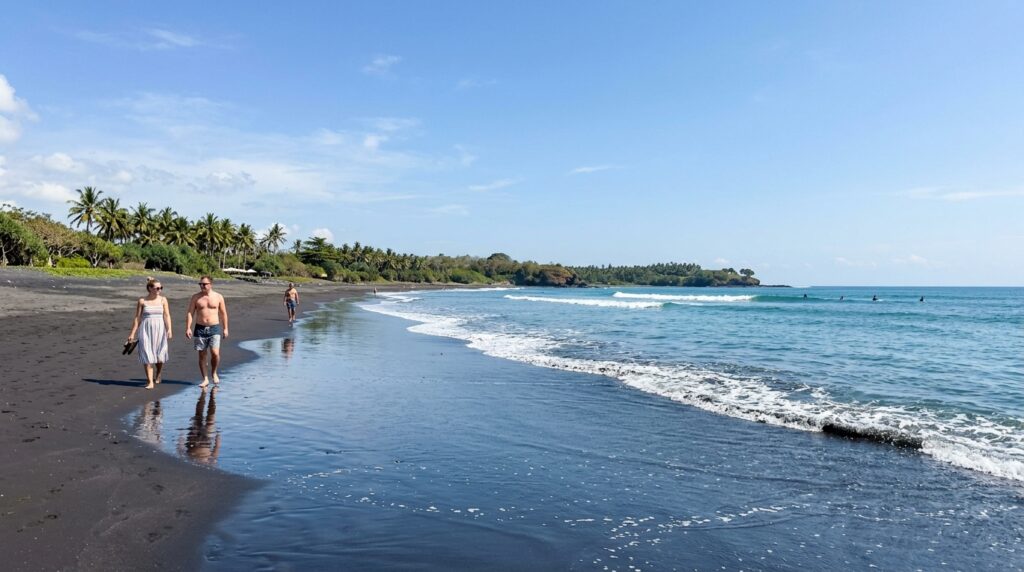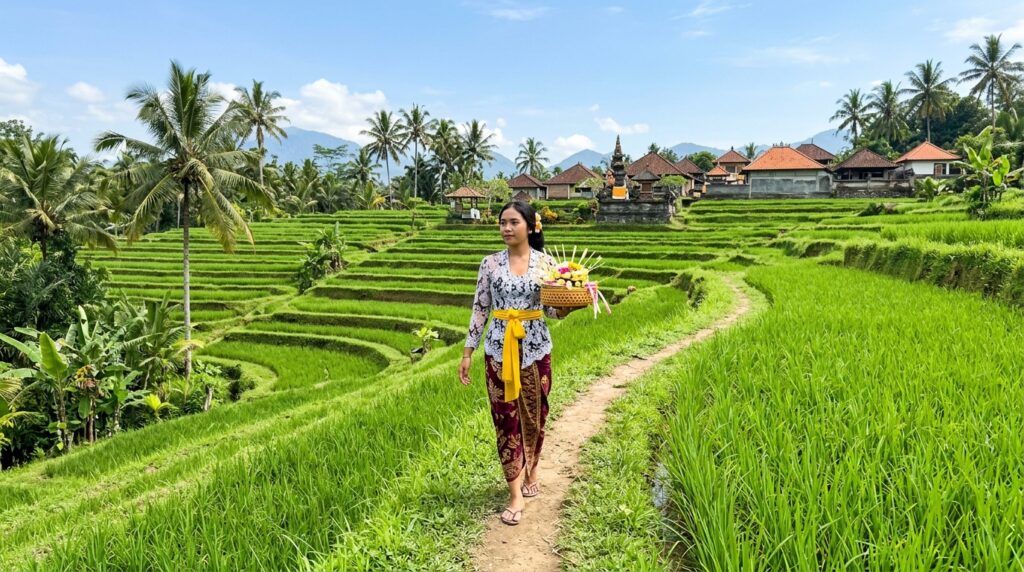
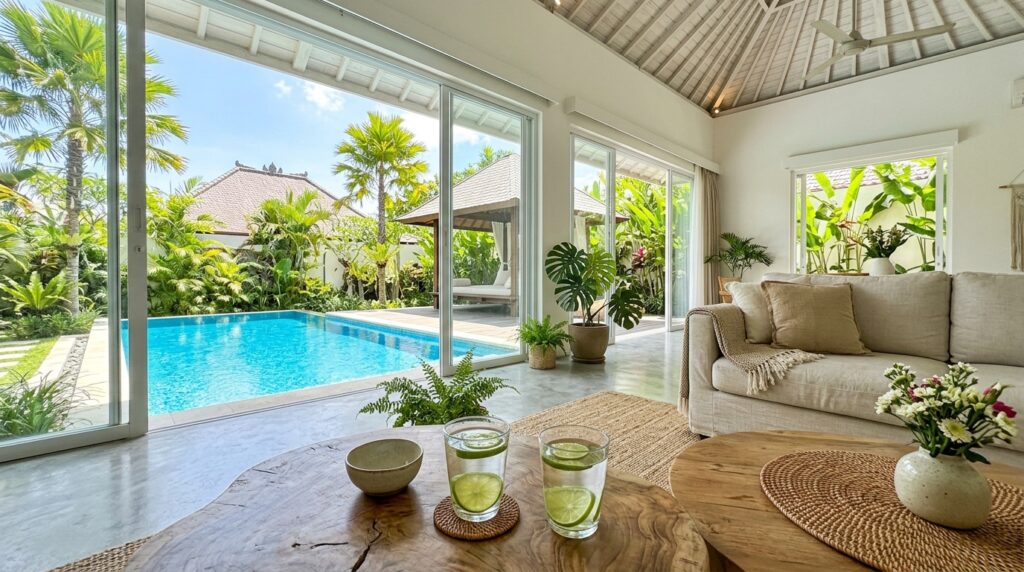
You’ve probably read a bunch of “villa vs hotel” advice, and it all sounds true. Then you look at Seseh and think, “Wait, is this still going to hold up in a quieter place?” That worry is valid. In Seseh, the usual trade-offs shift, so you need to choose based on fit, not hype.
Renting a villa is best understood as a way to match your accommodation to how you want to spend your day. If you care about privacy, extra space, and having control over your routine, a villa can feel like a calm base that actually supports your plans. Instead of living around hotel schedules, you’re living around your own pace, meals, and downtime.
Seseh makes the comparison extra specific. The area is calmer and more traditional, with fewer “just walk out and find something” options. That means logistics matter more. You can absolutely enjoy that peaceful rhythm, but you’ll want an arrangement where transport, dining choices, and daily requests don’t become a stress point. This article will use clear criteria to guide you: privacy and space, flexibility, the service model you’ll get, realistic meal options (including whether you need a private chef), cost-to-value beyond the nightly rate, and practical details like getting around.
Once you’re clear on those criteria, the next step is simple: understand what you’re actually booking. Let’s define what a Seseh villa and a hotel really mean in real life, so the decision stops feeling like guesswork.
“The difference isn’t just where you sleep. It’s how your day runs.” That’s the real takeaway when you compare a villa and a hotel in Seseh. Once you understand what each option is designed to provide, your decision becomes way less stressful.
What a villa means in Seseh
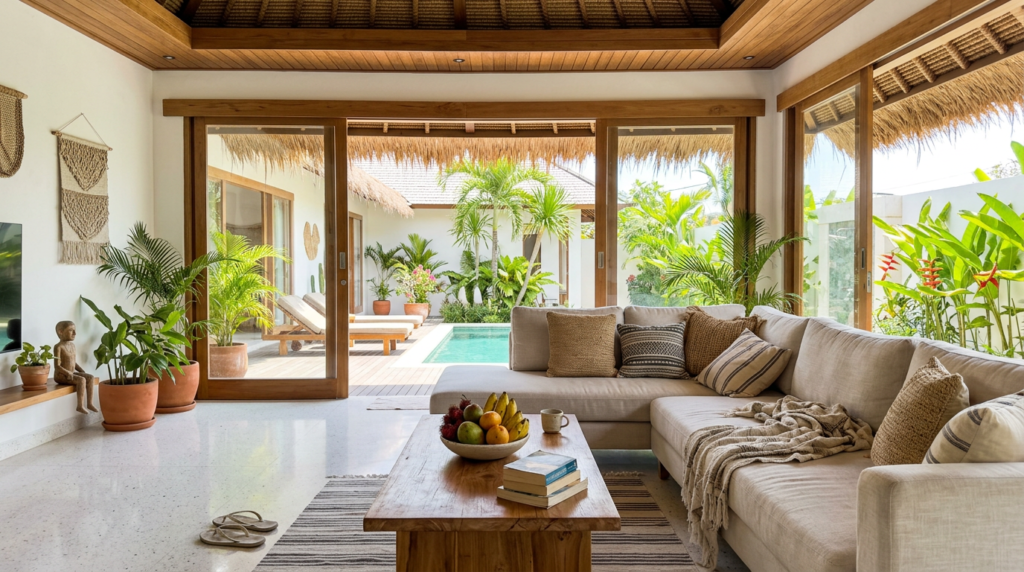
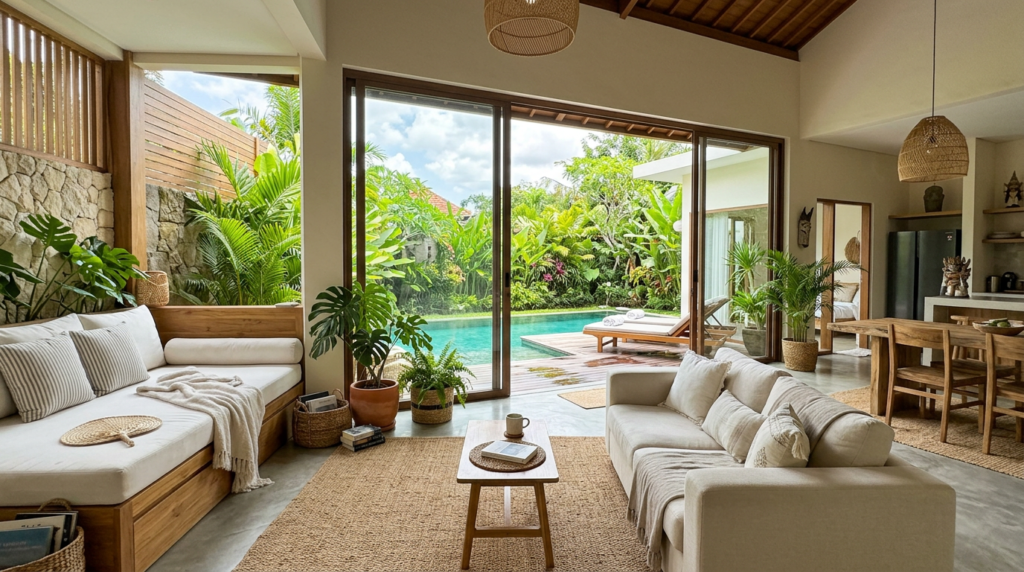
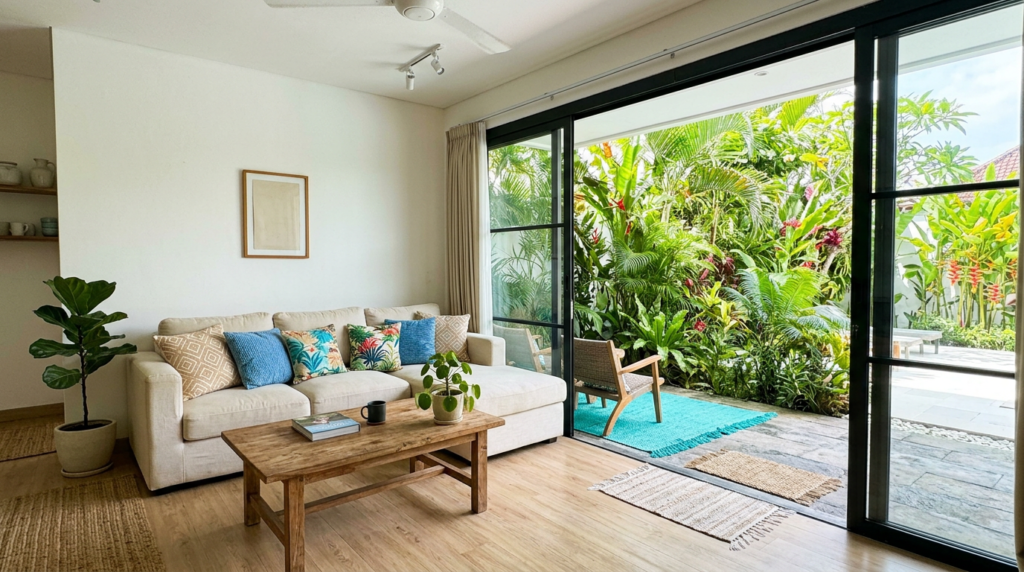
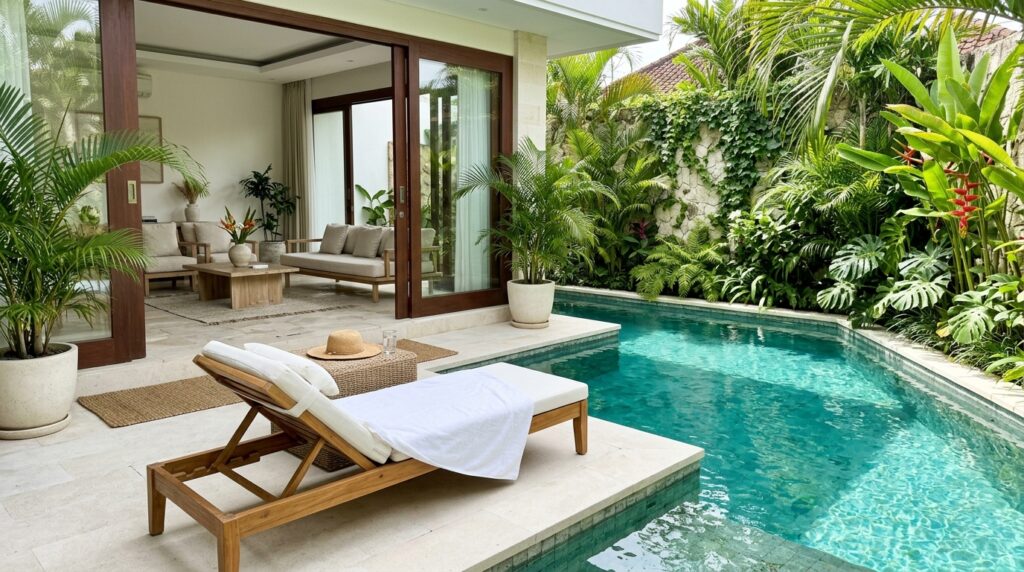
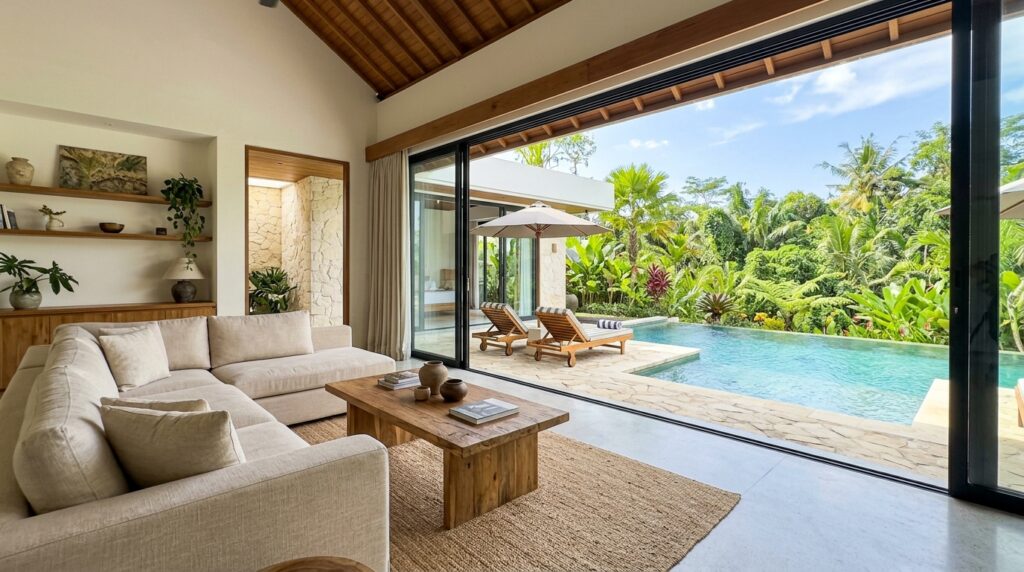
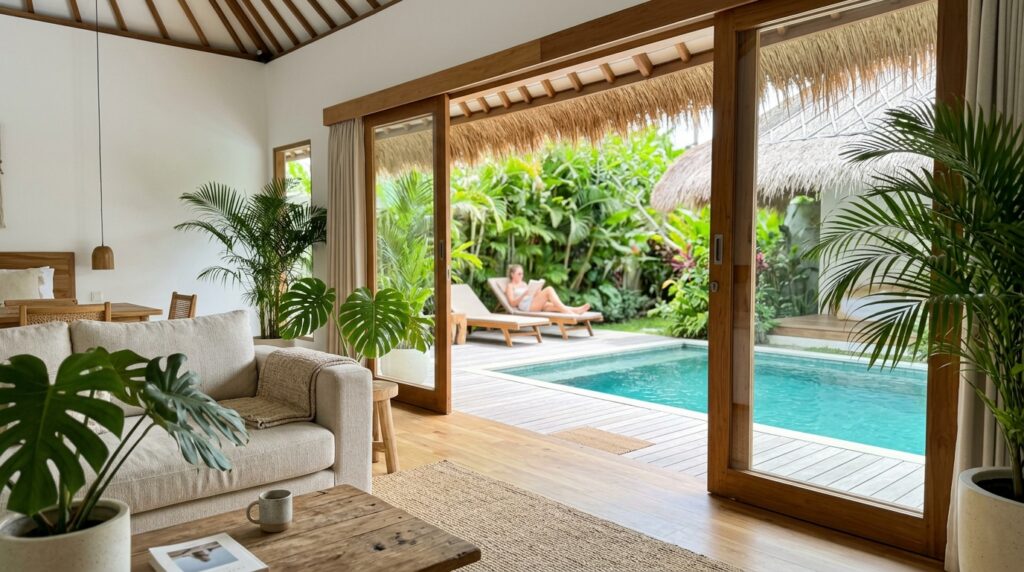
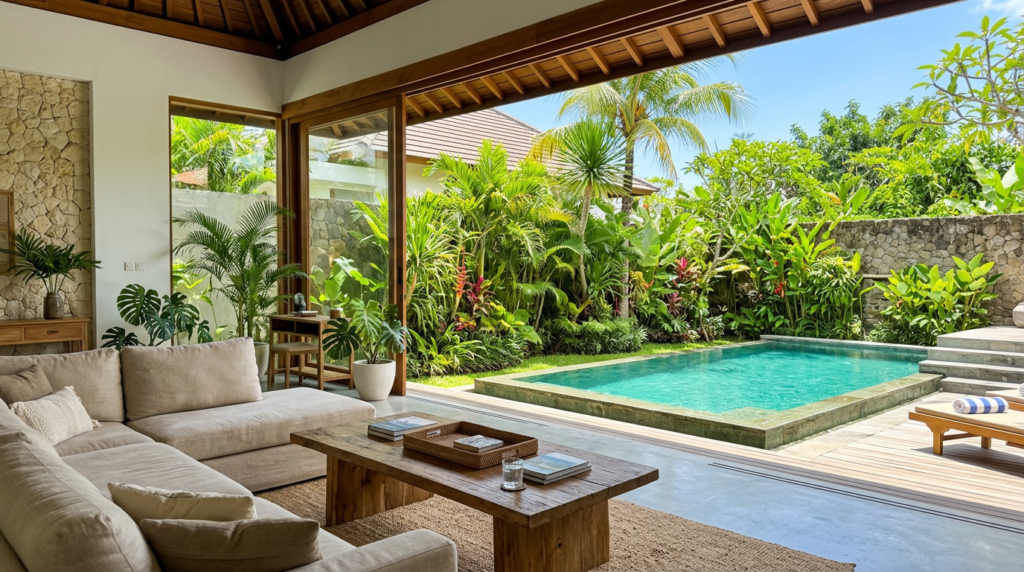
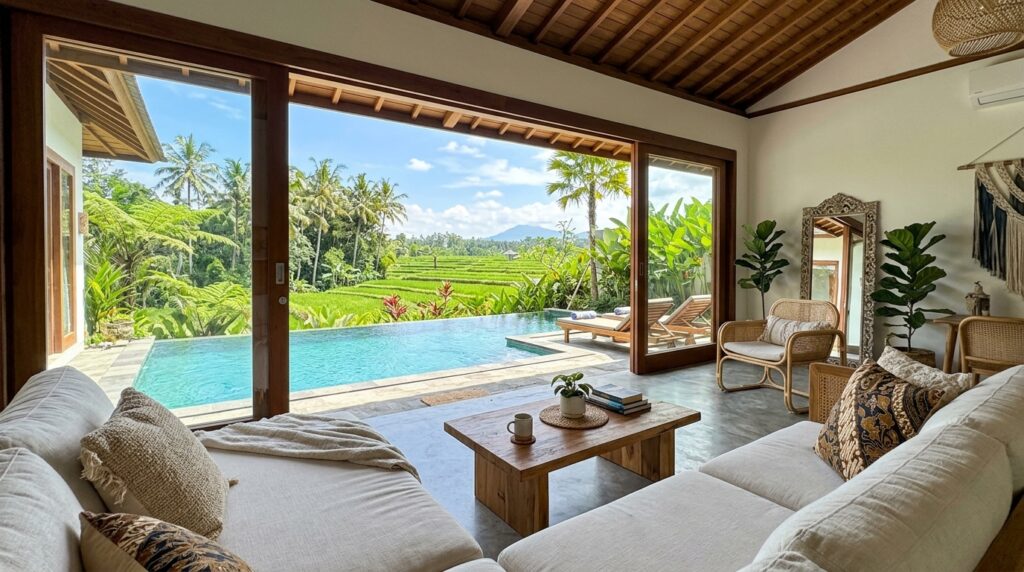
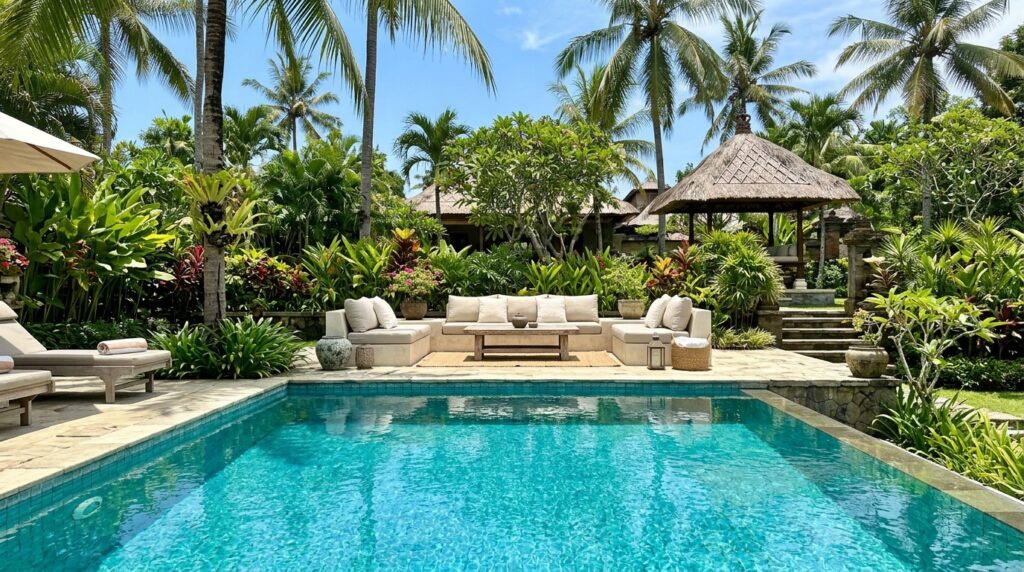
A villa is a private, self-contained place where the space is basically yours. You’re not sharing the pool, garden areas, or living areas with other guests, so privacy feels natural, not forced. Many villas also come with dedicated staff, so the experience works like a “home away from home,” with help in the background when you need it.
In practice, this also means flexibility. Meal times don’t have to follow restaurant schedules, and your evenings don’t revolve around fixed hotel entertainment or timing. A key part of the villa experience is the service model, often centered around a villa manager who coordinates daily requests, housekeeping, and other arrangements so you spend less time managing details.
What a hotel means in Seseh
A hotel is a commercial property built around shared facilities and standardized service. You get a room, and you share common areas like restaurants and pools with many other travelers. Because the setup is more communal, the experience tends to feel more structured, with predictable routines built into the property.
Hotel help usually comes through reception, concierge, and separate departments, so it can be straightforward and consistent. Still, schedules matter more. Breakfast times and on-site service hours can quietly shape your day, which can feel either convenient or limiting depending on how you like to travel in a quieter place like Seseh.
The real trade-off: personalization vs standardization
This is the core trade-off you’ll keep coming back to. Villas lean toward personalization, meaning your stay is shaped around your preferences and your logistics, often through a dedicated villa manager. Hotels lean toward standardization, meaning you benefit from ready-made amenities and predictable service for many guests at once. In Seseh, where fewer things are “right outside your door,” that difference in privacy, flexibility, and service model can make a bigger impact than you’d expect.
Next, let’s get practical and look at when villas typically feel better in real life, not just on paper.
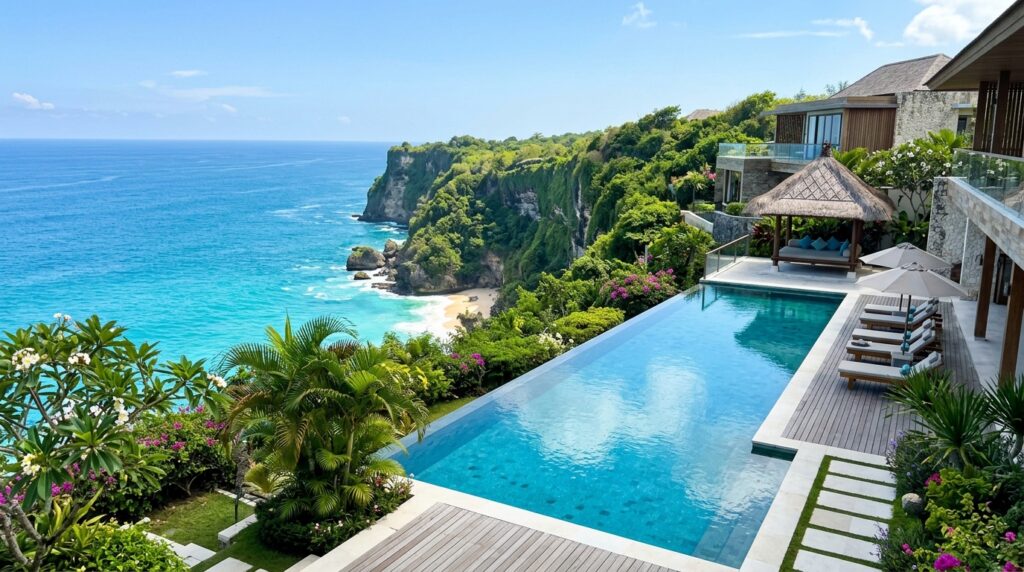
Imagine a family of four and a couple of friends in Seseh. Late morning sun hits the private pool, everyone drifts out when they’re ready, and nobody has to rush to a scheduled breakfast. Later, you decide dinner in the moment, then slide into the evening without worrying about noise rules or shared-space crowds.
Want a calmer Seseh stay with the right level of flexibility? Explore villa options with Baliexpertvillas.com villa stays and compare what fits your group
Privacy that actually changes your day
In a villa, privacy is not just a buzzword. You’re in a space that feels exclusive, so there’s no constant passing traffic from other guests. That means fewer interruptions while you’re relaxing, and it’s easier to keep the mood calm, especially in a quieter area like Seseh.
Even simple moments feel smoother. You don’t have that “someone’s using it first” feeling around common facilities, so your downtime stays yours. The overall vibe turns into what many people describe as quiet luxury: relaxed, private, and not constantly managed by other people’s schedules.
Flexibility for meals and pacing
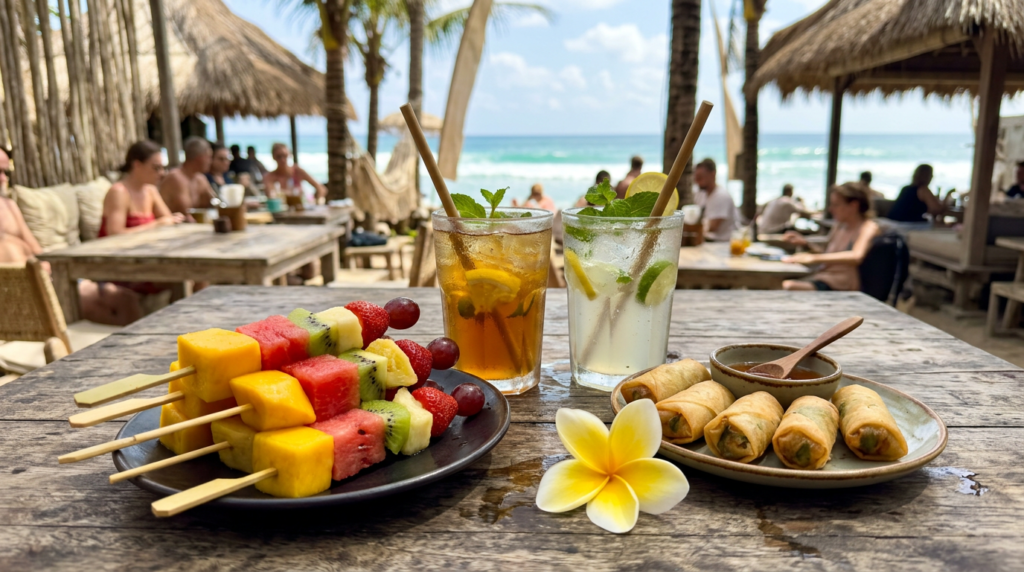
Meal timing is where villa flexibility becomes real. In a hotel, you often feel guided by breakfast hours, set meal schedules, and staff rhythms. In a villa, you can choose when to eat and where to enjoy it, whether that’s staying in, cooking together, or planning a day around a meal that fits your energy.
If you opt for an in-villa setup with a private chef, it can take the pressure off even more. Instead of coordinating meals outside, you get a tailored experience inside your rental, with timing that matches your plans for the day.
Space that reduces friction in groups
More rooms and bathrooms change how a group behaves. Morning routines stop turning into a small traffic jam, and people can get ready at different speeds without bumping into each other constantly. For families, separate sleeping areas also make it easier to manage different routines.
It also helps that villas usually have room to lounge, spread out, and entertain. When everyone has space, group life feels smoother, and you spend less time negotiating shared boundaries.
Service that handles the background work
A villa often comes with a coordinated service model, commonly with a villa manager who helps manage requests and day-to-day operations. The practical effect is that you’re not solving small problems while trying to enjoy your vacation.
In a quieter place like Seseh, that coordination can matter even more. When transport, housekeeping timing, and meal arrangements are handled with less friction, your day feels lighter. And if you want a slower, more intentional rhythm, villas tend to support that naturally.
When these advantages match your priorities, villas can feel like the obvious best fit. But if your focus is convenience and built-in variety, hotels may feel easier, especially as you plan your days around on-site amenities and set schedules.
Hotels win when you want less planning and more built-in convenience. In a quiet place like Seseh, that can be a bigger deal than you’d think.
On-site convenience without planning
With a hotel, you usually have shared amenities and on-site options right where you stay. That means less coordination for dining and leisure when the area around you is calmer and doesn’t offer as many quick “walk-out” choices.
Instead of thinking through every outing, your day can follow the property’s flow. It feels simpler, especially if you don’t want to manage transport and logistics as much.
Predictable service for short stays
Hotels tend to run on a standardized, departmentalized service model, with reception and other help channels working on clear routines. For short stays, that predictability reduces friction and saves time when you’re still getting oriented.
In Seseh, where you’re more likely to rely on intentional planning, that structure can make the whole trip feel smoother.
Often simpler for couples
For smaller groups, hotels can be easier to price and compare because you’re booking by room (not paying for an entire private space). Many hotel stays also include breakfast, which adds immediate value without you having to arrange meals separately.
If you’re not using a villa’s extra space and privacy to its full potential, a hotel can end up being the practical, low-effort choice.
The smartest move is to run a quick decision check, and then match your priorities to what each option does best.
Pricing comparisons feel messy because you’re usually comparing the wrong unit. Run these checks instead, and the choice between a Seseh villa and a hotel stops feeling like a gamble.
Calculate total landed value
Start with total landed value. For hotels, add the hotel service charge and government tax to the room rate. For villas, include the cleaning fee and any refundable security deposit.
Don’t forget this key idea: a villa can look “more expensive” if you only compare the nightly price, but the value changes once you factor in what you actually get.
Match your vacation pace
Be honest about how you want to spend mornings and evenings. If your days are flexible and you prefer choosing your own rhythm, a villa’s flexibility fits naturally.
If you want a tighter routine with less deciding, a hotel’s schedule-driven convenience can feel easier, especially in a calmer area where you’ll plan outings more deliberately.
Confirm the staffing and service
Check what the villa actually provides. Many villas include a villa manager and housekeeping, and some can arrange a private chef if you want it. That service model is a big part of the “effortless” feel.
For hotels, look at how help works on-site through reception and other departments. The goal is the same: you want to know where requests go and how quickly they’re handled.
Plan transport from Seseh
Seseh is quieter and more traditional, so spontaneous “just walk over there” planning is less common. Make sure you understand how you’ll get around for dinners, attractions, and anything that’s not near your stay.
In villas, this is often coordinated through the villa manager. In hotels, you’ll usually rely on their standard arrangements. Either way, plan transport early so it doesn’t become a daily hassle.
Compare meal options realistically
Decide how you’ll handle food. A villa can work well for in-villa meals because you may have access to a kitchen, and you can add a private chef for convenience if it’s offered in that setup.
Hotels offer on-site dining options with set hours, which can be convenient but also more restrictive. Match the meal style to your real habits, not the idea of what you “should” do.
Check for view and beach access
Don’t assume “coastal” means beachfront. Verify the villa or hotel’s actual view and how easy it is to reach the beach, because expectations around ocean access can differ a lot.
Doing this check protects you from disappointment later, especially if beach time is part of your main reason for choosing Seseh.
Once these basics are clear, you’re ready for the next reality check, because a few common beliefs can derail even the best plans.
Common traps in villa vs hotel thinking
A villa always costs more
Many people look at the nightly rate and assume a villa automatically beats hotels. That’s where the math gets misleading. Villas can be priced for the whole property, so the per-person cost often drops for groups and longer stays.
When you ignore extra hotel costs like service charge and government tax, or villa add-ons like cleaning fees and refundable security deposits, you can end up comparing the wrong totals. The result is overpaying and feeling disappointed when the “cheaper” option isn’t actually cheaper.
Is Seseh just like Canggu
Here’s where expectations get flipped. Seseh is quieter and more traditional, so you shouldn’t expect the same energy or spontaneous on-foot options you’d find elsewhere.
If you plan like you’re staying in a lively hub, you may feel like your stay is missing things to do. Instead, plan outings and use transport intentionally, so the calm becomes part of the appeal.
Coastal means beachfront
Reality check: “coastal” doesn’t guarantee beachfront access. Some stays sit in the coastal area but are set back, which can change your view and how easy beach time feels.
If you book without verifying view and beach access, you can get a “this isn’t what I pictured” regret fast. For many travelers, the location expectation is the dealbreaker.
A private chef is always overpriced
Not always. A private chef can be cost-effective because meals happen in-villa, and the experience can be tailored to your timing and preferences.
Skipping it because you assume it’s just expensive restaurant dining can make your meals more stressful. You lose convenience, especially in a quieter area where planning matters.
Villas are basically self-run
Some people treat a villa like a DIY apartment, but staffed villas often include a villa manager and housekeeping. That’s part of what makes villas feel effortless.
If you expect to manage everything yourself, you may underuse the support you actually paid for. The stay becomes harder than it needs to be.
Seseh is isolated
It’s calmer, not cut off. You can still access modern conveniences, and Seseh is connected enough to reach wider areas with proper transport planning.
If you assume isolation, you might overbook busy schedules or, worse, avoid Seseh entirely. The better approach is to embrace quiet and plan logistics with intention.
Once these traps are out of the way, the best results come from how experienced guests handle communication and logistics, not just what they book. Next, you’ll see the expert-level approach that makes the stay run smoothly.
“Luxury is logistics, not just aesthetics.” That’s how you make a villa or hotel work in Seseh without turning your trip into constant problem-solving.
1. Communicate preferences early
Before arrival, tell the team your non-negotiables. Share dietary needs, preferred meal timing, and how slow or packed you want your days to feel.
When you communicate early, a villa manager can align service from day one. It reduces last-minute friction, especially in a quieter, more planned area like Seseh.
2. Treat the manager as a concierge
Use the villa manager as your practical shortcut. Ask about driver options, daily logistics, and local experiences that match your pace.
In Seseh, transport planning matters because spontaneous, on-the-go options are fewer. A good manager helps you avoid that daily “what now?” feeling.
3. Plan transport intentionally
Don’t assume you can wing it every day. Plan how you’ll move for dinners, attractions, and anything beyond your immediate area.
Villas often make this easier through coordination, but the principle is the same for hotels too. The goal is simple: reduce surprise delays and keep your days relaxed.
4. Decide on meals (chef vs kitchen)
Choose how you’ll handle food. If you enjoy having full control, rely on the kitchen and self-catering setup.
If you want convenience, consider a private chef. In-villa dining can be a smart move for groups, and it fits villa flexibility far better than rigid schedules.
5. Aim for the right kind of relaxation
Lean into “quiet luxury.” Seseh rewards a calmer rhythm, not forced nightlife plans that fight the area’s natural vibe.
Even if you want social energy, you can still plan it on purpose. The difference is you’re choosing when to be social, rather than building your whole vacation around noise.
With these steps, you’ll see how experienced guests make villas and hotels work. Now let’s wrap it back to the decision logic for choosing between the two cleanly.
So, which should you pick in Seseh?
The right choice is the one that matches how you want your days to feel. In Seseh, that usually comes down to privacy and flexibility versus convenience and structure.
Choose a villa for privacy and flexibility
Villas shine when you want exclusive space, more room for families or groups, and a stay that follows your schedule. That’s also why flexible dining in-villa can feel effortless, and why longer stays often suit villa value well.
For many travelers, the quiet setting becomes a quiet luxury experience when you’re not sharing common areas or working around hotel timing.
Choose a hotel for convenience and structure
Hotels can win when you prefer on-site amenities, predictable routines, and simpler day-to-day logistics. For smaller parties or short trips, booking by room and getting immediate, built-in dining options can make the whole stay easier.
If you don’t want to think about daily transport and meal planning as much, a hotel’s standardized setup can be the lower-effort path.
Use value, not vibes, to decide
Run the comparison using total landed value, not just the headline nightly rate. Account for extra hotel charges like service charge and government tax, and villa add-ons like cleaning fees and refundable security deposits.
Also verify Seseh logistics like transport planning and the exact view or beach access before you decide, so your “Seseh plan” matches reality. When you do, you can enjoy the calm rhythm without overthinking every detail.
If you want help choosing the right fit for your group, the team at Baliexpertvillas.com can guide you through the villa details that matter most in Seseh
With the decision logic clear, you can enjoy Seseh for what it is: a calmer corner of Bali that rewards intentional planning and a relaxed pace.