
Picture this: you have only a handful of months to choose from, you are eyeing Sanur because it looks calm and beachy, and you want the trip to feel smooth from morning to sunset. The problem is that “best time” sounds simple, but in practice it depends on what you care about most.
In this article, “best time to visit Sanur” means one thing in plain terms, matching your priorities to the island’s seasonal pattern. If you want reliable beach time and comfortable outdoor days, your ideal window won’t be the same as someone who wants fewer crowds and greener scenery.
Sanur mainly comes down to two big weather seasons. The dry season runs from April to October, and this is when conditions are generally most favorable for classic beach holidays. The wet or green season runs from November to March, bringing higher humidity, more frequent rain, and that lush, vibrant look people chase when they want Bali to feel alive.
It also helps to know that the “best” months can shift based on crowds and costs. During the dry season, travel demand rises, especially in July and August, and festive periods around Christmas and New Year can push prices and bookings higher.
And then there’s the one date factor that can matter even when the weather looks great: Nyepi. Nyepi typically falls in the March to April window, and it involves an island-wide 24-hour shutdown, meaning normal travel and activity routines can be disrupted.
By the time you finish reading, you will have an easy way to narrow down which months fit your style, rather than picking blindly. Keep in mind, there is no universal “best month” for everyone. There is simply the best fit for your trip.
Once you see how that “best fit” works, the next step is straightforward: we will define exactly what makes a time period good for Sanur, based on the conditions you will actually feel on the ground.
If you want your travel plans to feel smooth before you even arrive, map your dates early and pair them with the right stay options from Baliexpertvillas.com.
What’s the best time to visit Sanur?
Dry season for reliable beach time
If you hate the idea of your plans getting pushed around by weather, the dry season (April to October) is usually the easiest choice. You can expect a more comfortable feel thanks to lower humidity, plus generally better conditions for being outside, lounging, and doing the usual beach routine without constantly watching the sky.
It’s also the time when you’re more likely to enjoy clearer water for snorkeling and dive-style plans. The trade-off is simple: this is when more people travel, so July and August tend to be busier and pricing can climb, especially during festive weeks.
Wet/green season for quiet and lush scenery
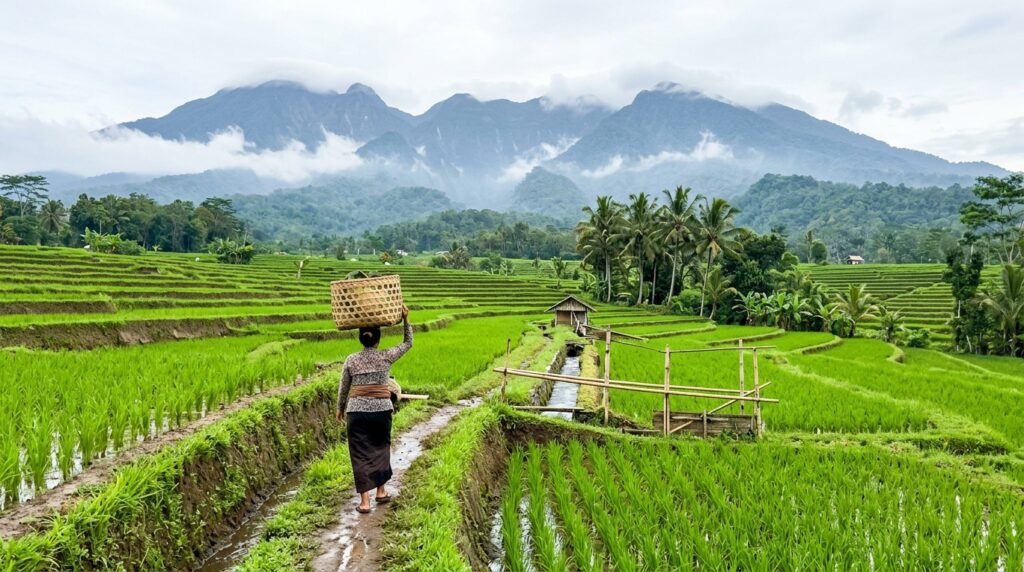
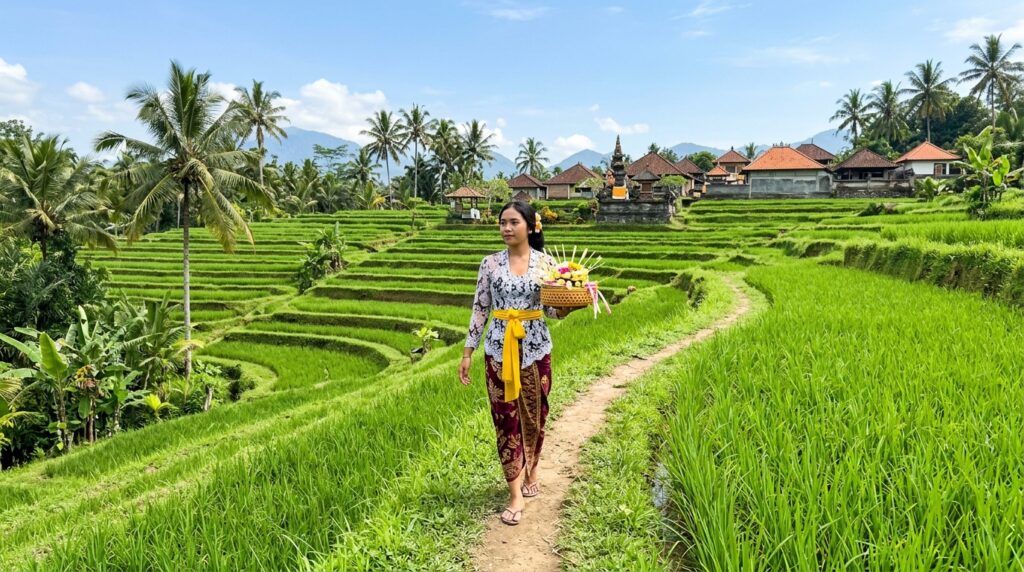
On the other hand, if “least stressful” to you means fewer crowds and a calmer vibe, the wet or green season (November to March) can feel like a hidden sweet spot. The humidity is higher, but rain often shows up as warm, short bursts rather than endless gray days, and the island turns noticeably greener.
You also tend to find better availability and lower rates in this window, because fewer travelers choose it. The downside is that sea visibility and outdoor comfort can be less predictable on any given day, so you plan more flexibly around afternoon showers and indoor-friendly breaks.
Shoulder months for balance
For many people, the sweet spot is the shoulder months, especially April, May, September, and October. These months sit between the two seasonal extremes, so you get a better balance of outdoor comfort and manageable crowd levels.
It’s not just about “nice weather.” Shoulder periods often mean shorter queues for popular spots and a better cost-to-crowd ratio. Just keep in mind that dates in the March to April window can be affected by Nyepi, which brings an island-wide 24-hour shutdown.
So the best time to visit Sanur is not one perfect month for everyone. It’s a match between your priorities and what the dry season, wet/green season, and shoulder months typically deliver. Next, we’ll unpack why this trade-off happens and how the seasons shape comfort, sea conditions, crowds, and costs day to day.
Why the season matters more than you think
Humidity is the real comfort switch
Even though Sanur stays warm year-round, comfort changes a lot because humidity changes. Temperatures hover around 26°C to 31°C, so it’s not the heat that surprises most first-timers, it’s how “sticky” it feels during the wet period.
So what is the planning takeaway? If you want your beach days to feel easy, you usually lean toward the dry season. If you do not mind the air being heavier, the wet/green months can be a very calm trade-off.
Rainy season does not mean constant downpours
The phrase “rainy season” can sound like all-day gloom, but that’s not how it typically plays out in Sanur. During November to March, you can expect more frequent rain, yet it often comes as short, intense bursts rather than nonstop wet weather.
Plan around that rhythm. You may still get usable mornings and breaks between showers, which makes it easier to balance outdoor exploring with indoor downtime.
Ocean visibility follows the weather
When rain and runoff increase, water conditions can shift, and that matters for activities like snorkeling and dive. In general, the dry season from April to October is favored because the water tends to be clearer and conditions are more predictable for being in the sea.
Bottom line for your itinerary: if underwater clarity is a priority, you schedule those days for the drier months and keep wet-season plans a little more flexible.
Peak timing changes crowds and prices
Seasonal demand also affects your trip, not just the weather. The dry season, especially July and August, is when you’ll see higher crowds, plus the festive period around Christmas and New Year can push prices and availability up.
Meanwhile, the wet/green season tends to be quieter, so you can often find better value and a more relaxed pace. Next up, we’ll translate these ideas into real day-to-day choices for your Sanur schedule.
How Sanur seasons affect weather and plans
1. Identify your season window
A common slip is assuming you can “pick any month” and get the same Sanur experience. The reality is simpler: start by choosing between dry season (April to October) and wet or green season (November to March).
Then consider the shoulder months that sit in between, especially April, May, September, and October. These often give you a better balance of outdoor comfort and crowd levels than the extremes.
2. Anticipate the daily weather pattern
During the wet/green season, rain tends to arrive as warm, short bursts rather than constant all-day drizzle. You can still find gaps for walking, photos, or a beach moment between showers, even though the humidity feels higher.
In the dry season, the air generally feels more comfortable for long outdoor stretches. Mornings and afternoons are easier to plan because you’re dealing with less frequent rain and a lower humidity feel.
3. Match activities to conditions
Dry season is the straightforward pick if your top priority is beach comfort and clearer water conditions for snorkeling and dive-style days. When the sea is clearer, you waste less time adjusting plans and more time enjoying what you came for.
For wind-related fun, the pattern is different. The windier dry-season months are a better bet for kitesurfing and other windy-water plans, while the wet season can be less predictable for water clarity.
4. Factor in major date disruptions
One date factor can override everything else: Nyepi. It usually falls in the March to April window and involves an island-wide 24-hour shutdown, so normal travel and activity routines can pause.
That changes logistics even if the weather looks promising. If your trip needs uninterrupted schedules, you account for Nyepi in your planning window; if you want a once-in-a-lifetime cultural experience, you plan to be there for it.
Next, we’ll translate these season realities into month choices by traveler type, so you can match the right window to your style of trip.
Which months fit your travel style?
Beach-and-sun travelers
Pick the dry season, and your trip gets easier. If your idea of Sanur is sunbathing, long beach walks, and outdoor comfort, aim for April, May, June, September, or October. You’re leaning into the April to October window where humidity feels more manageable and beach days are more reliable.
Trade-off matters though. This is usually better weather, but it can also mean more people, especially in July and August. Expect a breezier feel along the coast compared to the sticky wet months.
Quiet-and-green seekers
If crowds are your biggest headache, November to March often feels like a calm version of Bali. You’ll get the wet or green season value, which typically means fewer tourists, lush scenery, and a slower pace.
In exchange, plan for higher humidity and rain that often comes as warm bursts. Expect the island to look greener than your usual holiday photos, even if you adjust a few outdoor moments around showers.
Budget first-timers
For travelers who want better prices without feeling like they compromised on the essentials, the wet/green season is the classic budget move: November through March, especially outside festive weeks. With demand lower than peak months, accommodations and activities are often easier to book at friendlier rates.
Trade-off: you trade some “always-perfect” weather for a quieter experience. Expect rain bursts and humidity, so you’ll get more value by building your days around flexible plans.
Families and people who hate crowds
If your group gets cranky when it’s busy, shoulder and off-peak windows usually work better than peak holiday dates. For a balance, consider April, May, September, or October because you still get dry-season benefits without the strongest crowd pressure.
When you do choose the green season, you may enjoy even fewer crowds, but you’ll want a backup plan for rain windows. Expect the “less crowded” experience to be the real win here, even if a few afternoons are indoors.
Adventure planners
Adventure means you care about the right conditions, not just the calendar. For snorkeling and diving, the dry season from April to October is usually favored because water clarity and conditions tend to be better.
If your adventure is kitesurfing or other windy-water fun, aim for the windier stretch in the dry season, with June through August often bringing the energy you want. Expect clearer water or stronger wind, depending on your activity, with the trade-off that popular months can be busier.
Culture-first travelers
If culture is the main event, you’ll want to plan around Bali’s unique calendar, not just weather charts. The March to April window matters because Nyepi brings an island-wide 24-hour shutdown, which can affect everything from transport to normal daily routines.
Your trade-off is planning complexity for a once-in-a-lifetime experience. Expect the atmosphere to feel very different around that period, even if the surrounding weeks still look like good travel weather.
To choose confidently, use a simple rule: match your priority to the most compatible seasonal window, then fine-tune for crowd levels, cost, and any date disruptions like Nyepi. Next, we’ll give you a quick decision method to lock in your dates with less second-guessing.
If you want a calmer plan that fits the season you chose, explore stay options with flexible dates through Baliexpertvillas.com.
How to choose dates in 5 minutes
1. Pick your priority activity
What do you actually want to do in Sanur? Start there, because it decides which season window makes sense.
Beach and sun first: aim for April to October
For snorkeling or dive: prioritize the dry-season clarity
For kitesurfing: target the windier dry-season months
For quiet and wellness: consider November to March
2. Choose the season window
Then map your choice to the island’s two main patterns. This keeps you from overthinking every single day on the calendar.
Dry season: April to October
Wet or green season: November to March
Balance option: April, May, September, October
Use “shoulder” months when you want less crowd pressure
3. Decide your crowd tolerance
Crowds and costs rise and fall with demand, even when the weather is great. If you hate busy beaches and full restaurants, you adjust your timing here.
If you can handle peak season: plan around July and August
If you want value: look toward the quieter wet or shoulder periods
For festive travel: expect higher prices around Christmas and New Year
4. Check Nyepi timing
Before you lock anything in, check whether your dates overlap Nyepi. It usually falls in the March to April window.
Nyepi means an island-wide 24-hour shutdown, so normal logistics change
Plan for it intentionally, or choose dates that avoid the disruption
5. Pack for sun and humidity
Sanur is warm year-round, so sunscreen and breathable clothes matter no matter when you go. Humidity is the difference-maker you prepare for.
Bring lightweight outfits and sun protection for daily heat
If visiting the wet/green season, add a simple wet-weather backup for rain bursts
Great month choices can still go sideways, though, which is why the next section covers the most common mistakes people make when planning for Sanur.
Common mistakes to avoid
Rainy season means constant all-day rain
Most people assume the “rainy season” is like a nonstop monsoon movie. In Sanur, rain during November to March is often more like warm, short bursts than all-day constant downpours.
When you plan like it’s always going to be pouring, you lose good beach mornings and spend too much time indoors. A better approach is to keep mornings flexible and treat afternoon rain as part of the rhythm.
Is Bali weather the same everywhere
Here’s the twist, Sanur can feel different from other parts of Bali because it’s a coastal area with its own pattern of comfort and breezes. Even with the same island, assumptions about “how it feels” can be off.
If you copy-paste weather expectations from other towns, you can pack the wrong mindset. You might over-plan outdoor time or skip a simple rain backup when you actually need one.
Dry season guarantees zero rain
That idea sounds reasonable until you remember “dry” doesn’t mean “no rain at all.” During the April to October window, conditions are generally more favorable, but occasional showers can still happen.
Planning 100% open-air days with no flexibility leads to frustration when a quick rain burst hits. Keep a light backup plan so one shower doesn’t derail the whole schedule.
Peak season is always the best time
Don’t let the label fool you if you’re chasing comfort and value at the same time. July and August often bring strong demand, and festive periods around Christmas and New Year can raise prices and fill popular spots.
If you book peak simply because it “sounds best,” you may end up paying more and waiting longer. Sometimes shoulder months or the quieter wet/green season deliver a better overall experience.
All water activities work equally year-round
If you hate surprises, remember that the sea does not behave the same all year. Dry-season conditions are generally favored for clearer water, which matters for snorkeling and dive-style plans.
Meanwhile, wind-related activities like kitesurfing tend to align better with windier dry-season months. If you schedule the wrong activity for the wrong season, you can end up with less clarity or less consistent conditions.
Nyepi will not affect your trip
Most people assume Nyepi is “just a holiday,” but it can disrupt the usual flow of travel. Nyepi typically falls in the March to April window and involves an island-wide 24-hour shutdown.
If your plans ignore that reality, you can find normal services and movement constrained exactly when you need them most. Treat Nyepi as a date factor first, then let the weather and crowds work around it.
With these mistakes out of the way, the decision becomes much easier. Next, we’ll wrap everything up by reinforcing the core logic that helps you choose your best Sanur dates with confidence.
Your best time to visit Sanur is the one that fits
Imagine two travelers booking the same place with totally different goals. One wants beach days that feel easy, so they choose the dry season (April to October). The other wants a quieter trip with lush surroundings, so they aim for the wet or green season (November to March).
Both choices can be right, because the “best” month is really a best fit. If you want a middle path, consider the shoulder months, especially April, May, September, and October, when conditions are often balanced and crowd pressure tends to be lower.
One more date check matters: Nyepi usually falls in the March to April window and brings an island-wide 24-hour shutdown. Pack for warm, humid weather year-round, and you can walk into Sanur with confidence, no matter which season you choose.
If you want help turning your ideal dates into a smooth plan, Baliexpertvillas.com is ready to assist you with the right direction.