Imagine you are staring at your calendar, trying to book your Seminyak escape before the good hotels disappear, and every search result tells you a different “best” month. You want sunny beach time, but you also don’t want to pay peak-season prices or deal with the chaos that comes with crowds. So what are you supposed to trust?
The answer is that “best time to visit” in Seminyak is really a mix of four things: weather, crowd levels, price and value, and cultural timing. Yes, the forecast matters. But in real life, your trip experience also changes because the area gets busier at certain times, and prices rise when demand is high.
One comforting part is that Seminyak is warm year-round, so you do not need to plan around big temperature swings. What changes more is rainfall and humidity, which shape how comfortable outdoor plans feel day to day. Another big variable is visitor volume, since peak periods can mean longer queues, busier beaches, and harder reservation getting.
Once you understand those decision factors, the rest becomes much easier: you will see how different months map to different travel styles, then you can plan dates with a simple strategy instead of guesswork. Next, we will turn that into a clear Seminyak-specific definition of what changes on the ground across seasons, so you can choose your ideal timing with confidence.
Want to match the right best time to visit with the right stay? Consider exploring options with Baliexpertvillas.com to help you plan with confidence.
What “best time” means for Seminyak
Dry vs wet seasons in plain English
Most travelers don’t actually get stuck on “sun or no sun.” The real problem is that they’re planning around the wrong thing. In Seminyak, the big seasonal difference is rainfall and humidity, not temperature, because it stays warm year-round.
Dry season runs roughly April to October, with lower humidity and less rain. Wet season runs roughly November to March, with more frequent showers and higher humidity. When people say “dry” or “wet,” they mean a pattern of precipitation, so you should still expect variations like occasional showers in the drier months and clearer mornings during wetter stretches.
Why crowds change everything in Seminyak
Even if the weather looks perfect on paper, the feel of Seminyak can swing fast when crowds rise. Peak periods are the busiest and most expensive, and that visitor surge affects more than just beach photos. You’ll usually see heavier traffic, longer waits in popular spots, and less flexibility when plans get last-minute.
Shoulder seasons (the balanced in-between months) typically feel calmer, while off-peak periods have fewer people and more room to breathe. Because higher demand pushes up prices and reduces availability, crowds change the “best time” decision in a very practical way, including how easy it is to book dinners and popular activities. And because this area is also shaped by the cultural calendar, timing around major local observances can affect how your day-to-day logistics play out.
When Seminyak feels best: months by travel style
Best for sunny beach days
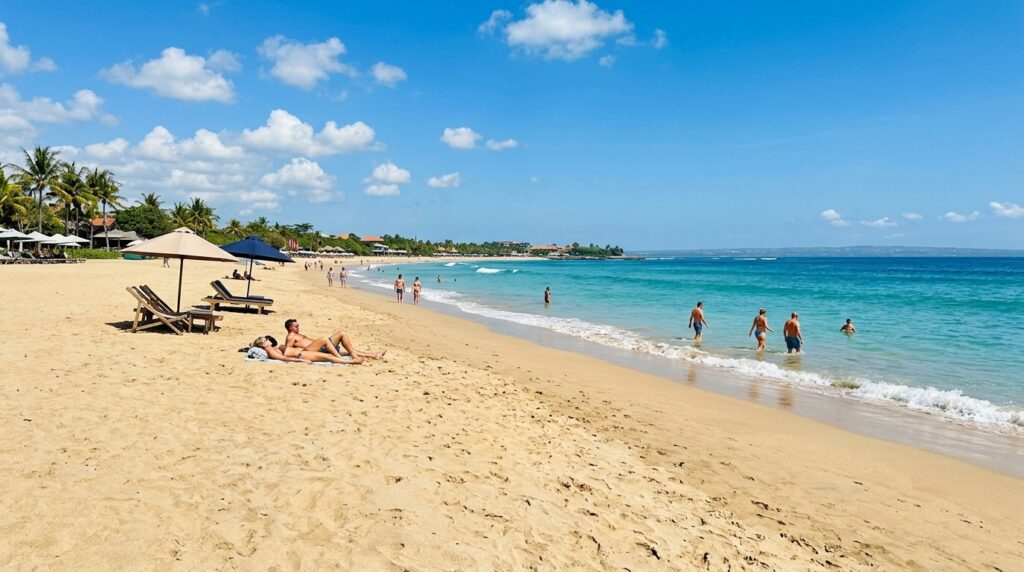
Dry season usually wins for beach happiness. If your main goal is long outdoor days, plan around the dry season, roughly April to October. Expect lower humidity and less rain, which makes it easier to enjoy Seminyak’s beaches, beach clubs, and casual exploring.
Within that window, July to August is the energetic peak of the dry period. The trade-off is that this is also when Seminyak is busiest and prices are usually higher. If you can handle crowds, it’s a great choice for maximum sun-and-vibe days.
Best for fewer crowds and good value
If you want the “best of both worlds,” shoulder season is the sweet spot. These are the months when you still get strong weather, but you avoid the heaviest crowd pressure, especially compared to peak demand. For Seminyak, the shoulder seasons are April to May and September to October.
This is also why many travelers find these months feel smoother. Hotels and popular venues tend to be quieter, and you’re more likely to find better-value offers than you would in the busiest weeks. You’ll still want to be realistic about occasional showers, but overall conditions tend to be favorable.
Best for budget travelers and quiet stays
For budget and calm, lean into the off-peak rainy period, which runs roughly October to March. This is when prices and demand are generally lower, so you often get the best bang for your buck. The main adjustment is that it’s the rainy season, with more frequent tropical showers.
There’s one important exception to keep in mind: prices spike again between Christmas and New Year. So if you’re traveling during those dates, expect the quieter/off-peak pattern to break. Outside that holiday window, you can still enjoy the trip by planning around short showers and focusing on flexible daytime plans.
How to plan your Seminyak dates step by step
Pick your priority first, not the calendar
Choosing dates without a clear priority is how you end up disappointed, even when the forecast looks great. Start with what you actually want most: beach-club energy, a calmer pace, or the best value for money. Then match that goal to the season patterns in the report.
If your priority is outdoor time, lean toward April to October. If you’re after a smoother mix of weather and fewer crowds, shoulder months like April to May and September to October usually fit. If budget and quiet are the priority, consider October to March and plan for short showers.
Small decision clarity now saves big frustration later.
Match booking timing to peak demand
Waiting too long around peak demand is one of the fastest ways to lose your first-choice places. Peak season is when crowds and demand are highest, especially July to August and the Christmas and New Year period, so booking earlier helps you get better room options.
For shoulder and off-peak periods, plan to book about 4 to 8 weeks ahead. For off-peak windows, you typically have more flexibility with a 2 to 4 week timeframe, though the Christmas and New Year spike can raise prices and reduce availability. In peak season, aim to book about 8 to 12 weeks ahead to improve your availability and room choices.
Booking earlier gives you fewer last-minute compromises.
Pack smarter for Seminyak’s reality
Packing like Seminyak will be perfectly dry is where trips get annoying. Seminyak is warm year-round, so you can keep most clothing light and breathable, then adjust for the weather pattern you’re traveling in.
For wet/off-peak months, be ready with rain protection like a compact umbrella or light rain jacket, plus quick-dry items. Even in better periods, brief showers can happen, so don’t pack as if the forecast is a guarantee.
Pack for flexibility, not perfection.
What to watch out for before you go
Wet season myths that derail plans
If “rainy season” sounds like nonstop downpours, that’s the misconception. In Seminyak, wet season usually means more frequent tropical showers, often short, with humidity higher, and mornings that can still start clearer.
Many days still start clear, and rain commonly shows up in shorter bursts, so plans don’t have to collapse. The key is adjusting your expectations and keeping some flexibility for outdoor time.
Peak season surprises you should plan for
Yes, peak season is usually pricier. What surprises travelers most is that crowds also impact logistics, not just beaches. Roads can get slower, and popular dinner spots can be harder to book on short notice.
If you go during July to August or the Christmas and New Year window, plan with a calmer schedule mindset and more time for getting around. Book dinner reservations well in advance and leave extra travel time so you don’t feel rushed.
Festivals can change your whole day
Nyepi is the festival timing risk you don’t want to ignore. On this Day of Silence, the island effectively shuts down for 24 hours, which can affect movement, activities, and even how you handle day-to-day travel logistics.
Respect local customs while you’re there. When you visit temples, dress appropriately and follow temple etiquette, including using a sarong and sash when required.
So when is the best time to visit Seminyak
Quick recommendations by your vibe
Pick shoulder season if you want the best balance. For Seminyak, that usually means April to May and September to October, where you get strong weather with less intense crowds. If your priorities lean more beach-first, aim for the dry peak window, July to August, but expect the busiest days and higher prices.
For savings and quiet stays, go off-peak during October to March and be ready for more frequent tropical showers. One exception matters: Christmas and New Year can spike prices again, even though the period is generally off-peak.
Your next step: lock dates, then details
Once you choose your vibe, lock in dates based on how busy you can handle and how flexible you want your plans to be. Then shift into practical planning: book with the right lead time for peak versus shoulder and off-peak periods, and pack with the seasonal reality in mind, including readiness for short showers in wetter months.
Keep cultural timing in the back of your mind too, especially Nyepi, so nothing surprises you. With that, you’ll feel prepared for whichever season you choose.
Ready to align your dates, crowd level, and comfort needs? The team at Baliexpertvillas.com is ready to help you match the right stay for the season you choose.