
Ever sit there at 11 p.m., scrolling Kuta villa listings, thinking, “What if this is a scam?” That exact fear is common, and it usually comes from the same few nightmares: a villa that does not exist, photos that do not match reality, hidden costs, or an unclear check-in plan that turns arrival into chaos.
So let’s make “safe booking” simple and practical. It means you’re not just choosing a pretty place, you’re choosing a legitimate listing and host, verifying the property details as best you can, and using secure payment methods with clear terms in writing. It also means keeping documentation so you have something concrete if problems happen.
In this guide, you’ll get a workflow you can actually follow: what to check before you pay, what questions to ask to spot weak spots, how to handle payment safely, and what to do if something feels off. Next, we’ll define what “safe” means specifically in the Kuta villa context and the main risks to watch for.
What “safe villa booking” really means
Villa rental scam
A villa rental scam is when a listing, host, or agent misleads you to get your money fast, then you arrive to find nothing exists, or the property is very different from what was advertised. In Kuta, this usually shows up as “ghost villas” and mismatched details like location, amenities, or condition. It can also look subtle, like a great photo set and a rushed handover.
Due diligence
Due diligence is the set of checks you do before you commit. You’re trying to confirm legitimacy, verify the property as much as possible, and understand what you’re agreeing to. This is where reviews and consistency matter, but also where direct questions do real work. The nuance is that due diligence is not about having perfect local knowledge. It’s about spotting uncertainty early, before you pay.
Secure payment
Secure payment means using methods that are traceable and come with clear recourse if a dispute happens. A big safety lesson here is that scammers often push for untraceable transfers, especially payments that are hard to reverse. The common confusion is thinking that a friendly conversation makes unsafe payment “feel safe.” Good trust doesn’t replace a safe payment path.
Documentation and booking agreement
Documentation and booking agreement is what turns a verbal promise into something concrete. You want booking confirmation, an invoice or receipt, and clear terms about what’s included, cancellation rules, and how check-in works. This is also where the “hidden costs” problem gets reduced, because unclear inclusions and vague charges tend to become obvious in writing. For licensing/accountability, reputable operators may refer to the idea of local legality and permits such as NIB and PBG, even if documents are not always shared in full.
When these pieces work together, safety becomes layered: legitimacy plus property verification plus secure payment plus clear terms. That’s what protects you from the big trip-stoppers, and it’s also what keeps simple issues from turning into stressful disputes. Next, you’ll see how this all translates into real trip outcomes and a safer workflow on the ground in Kuta.
If you want a simple way to start your search safely, explore Kuta villa options with clear booking details at Baliexpertvillas.com.
Why this safety approach matters for your trip
Pros of a layered safety mindset
“Safe booking” is what turns a stressful search into a stay that feels dependable. When you verify the listing and host, double-check the property details, and use secure payment, you cut down the odds of arriving at a ghost villa, dealing with photo mismatch, or getting hit by hidden costs you were not told about.
There’s also a money side to this. Paying with traceable, protected methods reduces the damage if something goes wrong, and having clear documentation makes disputes easier to handle instead of turning into a guessing game. The goal is fewer surprises, better reliability, and a lower chance of major disruptions.
Cons of doing it carefully
Of course, this approach takes more effort. You will spend extra time reading reviews carefully, asking specific questions, and confirming details like check-in and what’s included. Sometimes, it can even narrow your options, especially if you were hoping for an ultra-cheap deal that feels too good to be true.
Still, that tradeoff is usually worth it. A bit more patience upfront prevents bigger problems later, so the safety work feels less like “extra hassle” and more like protecting your limited vacation days. Next, let’s walk through how the safe booking process actually works, step by step.
Picture this: you have three villa options in mind, the chat is already active, and you’re one payment away from locking your Kuta stay. The only thing between you and a smooth arrival is a simple, repeatable safety routine.
1. Define your requirements before searching
Start by writing down what you actually need, not what sounds nice in the photos. Think about group size, essential amenities, and your non-negotiables like reliable Wi-Fi and working AC. If you’re traveling with kids or working remotely, you’ll also want clarity on utilities and comfort basics.
Then set a realistic budget that includes more than the nightly price. Hidden costs often come from unclear inclusions, daily services, or utilities, so you want a total-cost mindset from the beginning.
2. Shortlist listings the smart way
When you compare listings, don’t treat them as equal. Prioritize consistent reviews over time, clear descriptions, and host/agent responsiveness. If a listing looks active but details stay vague, that mismatch is information you should take seriously.
Also pay attention to how the villa is presented. If photos feel “too perfect” and the write-up avoids specifics about check-in, inclusions, or neighborhood context, you’re likely looking at a high-risk listing.
3. Verify location and real-world details
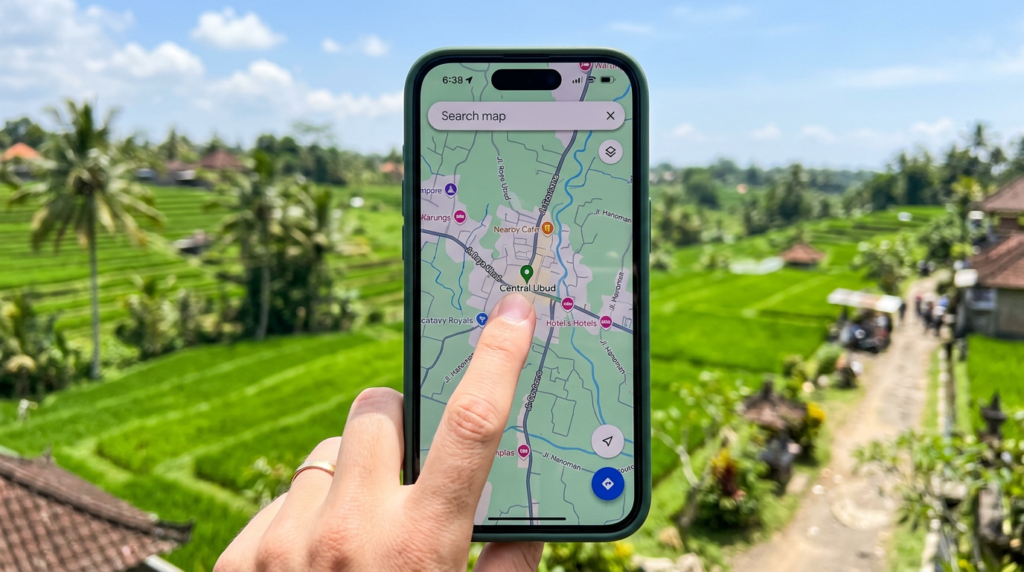
Use mapping tools to confirm the villa’s exact location and understand what’s around it. This is where “it’s close to everything” usually falls apart. You want to know whether the area has a calm setup or whether you might run into noise or nearby construction.
If possible, ask for a live video walk-through or a current view of key areas. The goal is to confirm that what you’re booking matches what you’ll actually get, especially for entrances, outdoor spaces, and the condition you can’t see in one staged photo.
4. Ask the right safety and legal questions
Your questions should be specific enough to test whether the operator can run a real stay. Ask what’s included and what’s not, including utilities and any daily services. If they’re legit, they’ll explain clearly instead of redirecting you.
Probe operational readiness with practical questions: “What’s the check-in process and exact arrival instructions?” “Who is the emergency contact on-site?” “Is there a lock on all doors, and is there an in-room safe?” “How reliable is Wi-Fi day and night?” If you see any construction risk in the area, ask directly about nearby work and timing.
On the accountability side, you can ask whether the villa operates legally and if they can reference licensing requirements like NIB and PBG. You may not always get full documents, but reputable operators will acknowledge the requirement and speak about compliance without getting evasive.
5. Book with secure payment and get documents
Once everything checks out, book using a secure payment path and request complete documentation. You want booking confirmation, an invoice or receipt, and a clear agreement that states the important terms. This is what protects you when you need to resolve disputes later.
A good operator won’t pressure you into untraceable payment methods. If payment instructions feel like a shortcut to “avoid delays,” treat that as a warning signal.
6. Confirm pre-arrival handover
In the final days before arrival, reconfirm key details: check-in time, where you’ll meet the person handing over keys, and any access instructions. Also confirm the inclusions you depend on, like cleaning arrangements, Wi-Fi access, and how security works on the property.
This final confirmation step reduces last-minute chaos, especially when travel schedules shift. Next, we’ll cover the mistakes and red flags to watch for so you can spot problems before money or time is lost.
What to watch out for when booking
Major platforms are always safe
Lots of people assume a big platform automatically means the villa is real, accurate, and problem-free. It helps, but it does not erase risk. Scammers can still publish misleading listings, and photo mismatch can still happen.
If you stop at “it’s on the platform,” you may miss vague addresses, old photos, or hosts who dodge key questions. The result is the same: a stressful arrival and less leverage when things go wrong.
Direct booking is automatically cheaper and safe
That “no platform fee” logic feels irresistible, and it can be true sometimes. The catch is that direct booking often shifts the burden of proof onto you. Without platform-level safeguards, mistakes and disputes can take longer to resolve.
If a host pushes you toward rushed decisions or avoids paperwork, you can pay less and still lose more time and money. Safety requires verification and clear terms, whether you book direct or not.
Photos are always accurate
A quick photo scroll can trick you. Even when images look polished, they can be outdated or selectively shot to hide issues like wear and tear, maintenance gaps, or a different layout than promised.
When you arrive to something worse than the listing, you lose options. You also end up spending vacation hours negotiating fixes instead of relaxing.
Asking about Wi-Fi and AC alone is enough
It makes sense to focus on comfort. You want working Wi-Fi and real AC. But amenities alone do not confirm legitimacy, location accuracy, or whether the booking terms match reality.
If you ignore security, check-in procedures, hidden costs, or operational readiness, you may get a “comfortable” villa that is still unreliable or disruptive. Good comfort does not replace a safe booking foundation.
All villas in Kuta operate legally
It feels reasonable to assume tourist areas run on solid rules. In practice, some properties may be operating without proper accountability. That matters because issues can escalate mid-stay and force urgent changes.
Even if everything looks fine on day one, you are taking a risk when a property cannot clearly acknowledge licensing/accountability expectations like NIB and PBG. You want an operator who treats legality as a real part of the deal.
Western Union or direct transfer is fine
People sometimes justify risky payment methods by saying the host “seems trustworthy.” That can be true, and it still does not solve the core problem: untraceable payments reduce your ability to recover money.
If someone insists on untraceable transfers, it is usually a move to lower accountability. Pay attention to the payment method first, not the friendliness.
Small discrepancies do not matter
Maybe the pool tiles look a bit different, or the Wi-Fi is “almost fine.” Small gaps seem manageable until they stack up, especially with hidden costs or unclear inclusions.
When you accept minor inconsistencies early, you may end up dealing with recurring problems daily. The safer approach is to verify details before you commit, so you do not turn a booking into a negotiation.
Even with good instincts, a few traps can slip through. So the next section matters: you’ll learn what to do if something feels off, before you lose money or time.
Want a quicker way to apply these checks without missing details? Review more guidance through Baliexpertvillas.com services to match your villa to your actual needs.
Next steps if something feels off
What should I do before paying if I’m suspicious?
Stop and slow down. If the host is vague about the villa, dodges direct answers, or pushes for untraceable payment, don’t send money to “hold the booking.” Instead, pause the process and ask the missing details in writing, then decide based on clarity, not pressure.
If you still feel unsure, walk away. The safest time to prevent a problem is before funds leave your account. That keeps the situation simple and reduces stress later.
What if I already sent money
Act quickly. Contact your bank or credit card provider right away to ask about possible dispute or chargeback options, and keep all messages and payment receipts together.
Then report the listing to the booking channel you used, if applicable. The faster you escalate, the better your chances of recovery and the easier it is to explain what happened.
How do I handle issues during the stay?
Don’t wait for the problem to “fix itself.” Contact the booking channel or the operator immediately, describe the issue clearly, and ask for a resolution with a concrete timeline.
While you communicate, document what’s wrong and when it started. Photos or videos of discrepancies, plus screenshots of the original listing and messages, are especially helpful.
What evidence should I save
Save everything that proves what you agreed to and what you received. This includes booking confirmations, invoices or receipts, chat logs, and clear photos or video showing mismatches between the listing and the real villa.
Keep a simple timeline too, like dates of payment, check-in attempts, and when specific problems happened. Next, we’ll wrap it all up with a clean mental checklist you can use before you book.
Imagine you just arrived in Kuta and everything feels calm. That kind of peace is not luck, it’s a routine you can repeat every time you book.
Verify the operator and listing details
Confirm the host or management is consistent and reachable. Cross-check what the listing claims against reviews and the practical facts you can see.
Make sure the villa feels like a real place you can reach, not a vague description wrapped in perfect photos.
Confirm location and avoid vague addresses
Use mapping tools to confirm the villa’s exact location and surroundings. If the address is unclear or they won’t help you pinpoint it, take that seriously.
Look for potential disruption risks like construction nearby or noisy conditions that could ruin your days.
Use secure payment methods only
Pay in ways that are traceable and safer for disputes. Avoid untraceable transfers that remove your leverage if something goes wrong.
Secure payment is a key layer of protection, not a detail you can ignore.
Get clear documentation and the booking agreement
Request booking confirmation, an invoice or receipt, and clear terms. This is what helps when you need clarity about inclusions, cancellation rules, and check-in.
If an operator can’t provide documentation, it’s harder to resolve issues later.
Ask the right questions before you commit
Get specifics on check-in procedures, emergency contacts, and security basics like locks and lighting. Confirm what’s included, including reliability of Wi-Fi and AC.
Ask directly about nearby construction and what services you should expect during your stay.
Have a plan if something feels off
If you suspect a scam before paying, stop and don’t send money to “hold the booking.” If you already paid, contact your bank or credit card provider quickly to ask about possible dispute options.
During the stay, document issues and escalate fast through the booking channel if one is involved.
If you want to reduce the guesswork even further, the team at Baliexpertvillas.com is ready to help you apply these safety checks to your exact Kuta villa plan.
If you follow this routine, you’ll spend more of your trip relaxing and less time worrying.