
Imagine you land in Nusa Dua with your family or group, the bags are heavy, and everyone’s already thinking about one thing: getting back to your own space. You can see why hotels are tempting. There are resort-style pools, familiar services, and an easy routine. But you also feel it. You want privacy, room to breathe, and the freedom to set your own pace.
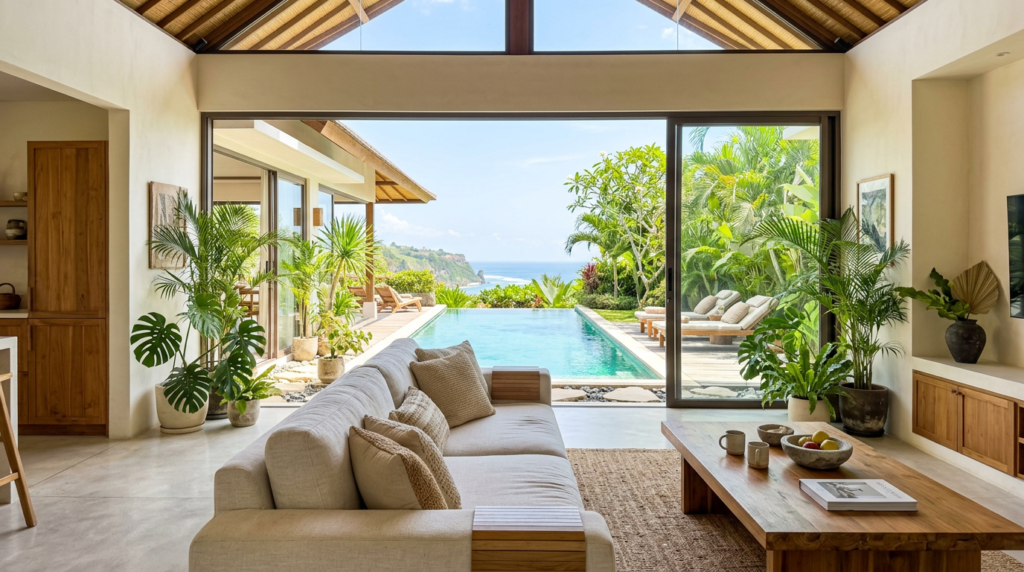
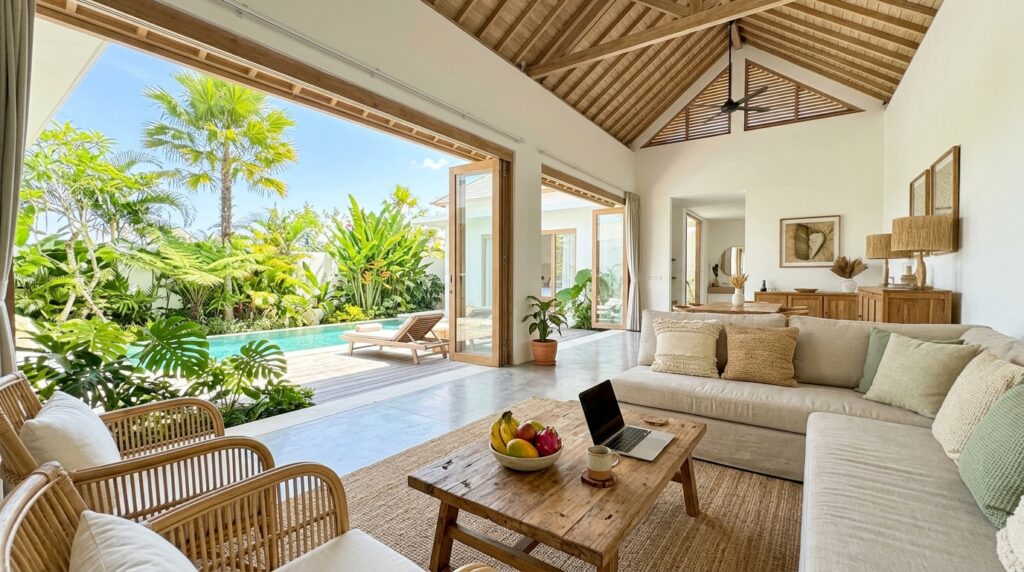
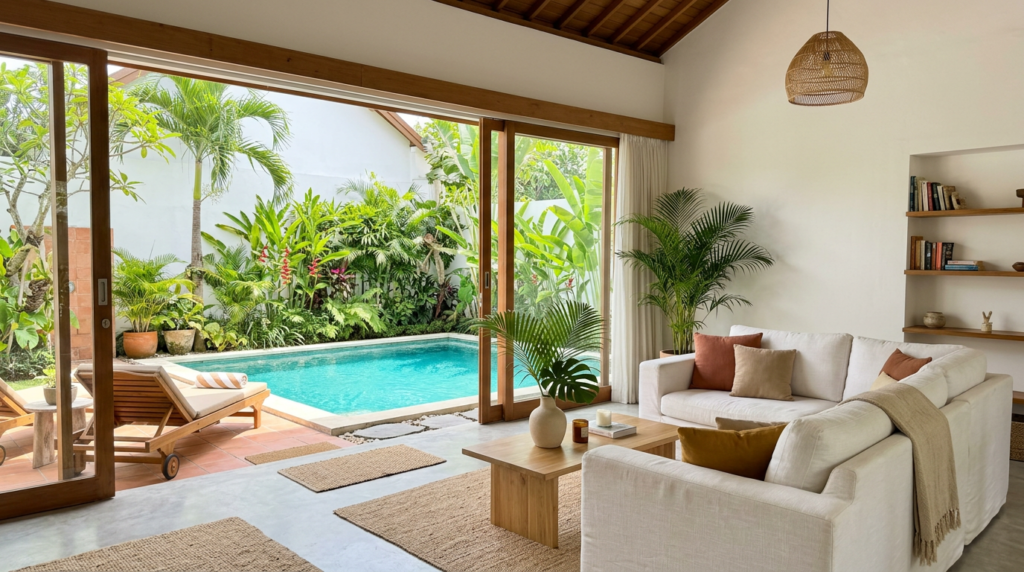
That’s the core tension behind this decision. Renting a villa usually trades some structured convenience for more privacy and space. It often comes with dedicated areas for hanging out, sometimes a private pool, and even kitchen facilities that let you manage daily life in your own way. A hotel, on the other hand, leans into convenience and shared amenities, with a more set schedule for dining and activities and plenty of on-site services all in one place.
In the sections ahead, you’ll see what this difference looks like day to day, not just in photos. We’ll map which stay fits best for different groups, including families and larger friend groups. You’ll also learn the booking pitfalls people commonly fall into, especially around location, “private” expectations, and practical details like how comfort changes in Nusa Dua’s real day-to-day conditions. Next, we’ll define villa vs hotel in plain language so the comparison feels fair.
If you want the fastest way to narrow down the right fit, explore Baliexpertvillas.com villa options and compare them to your group needs
What each stay type really means
Villa
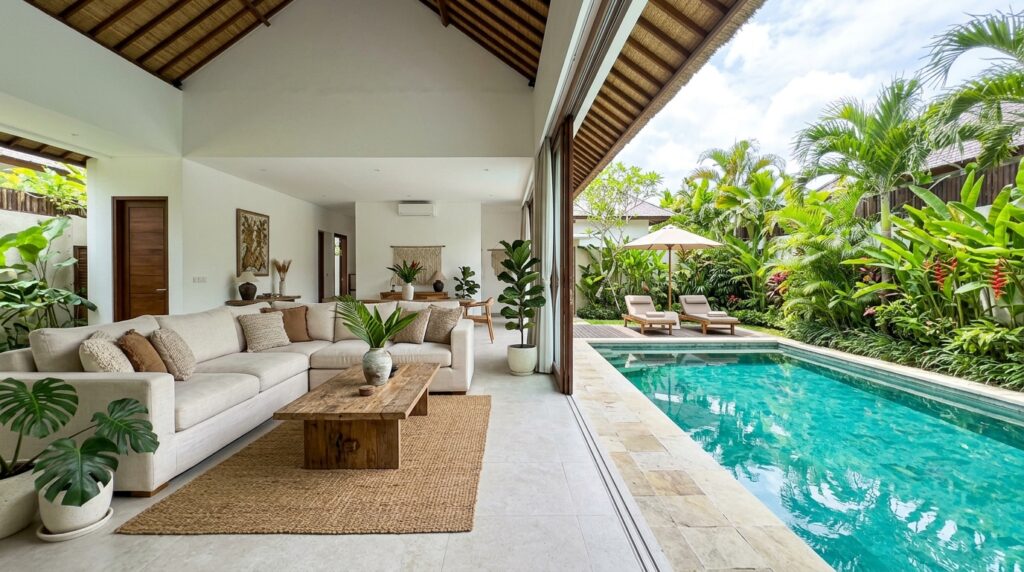
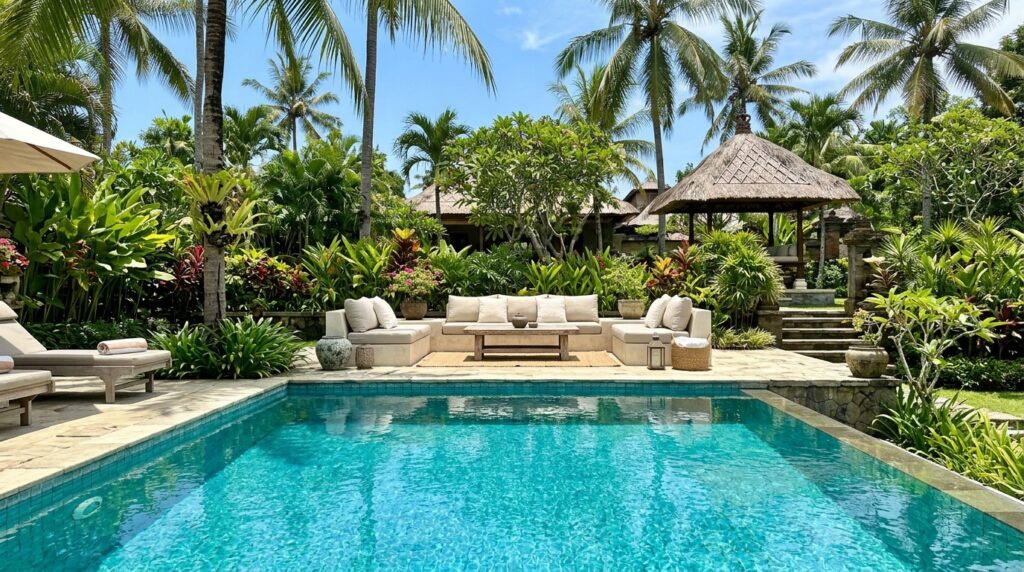
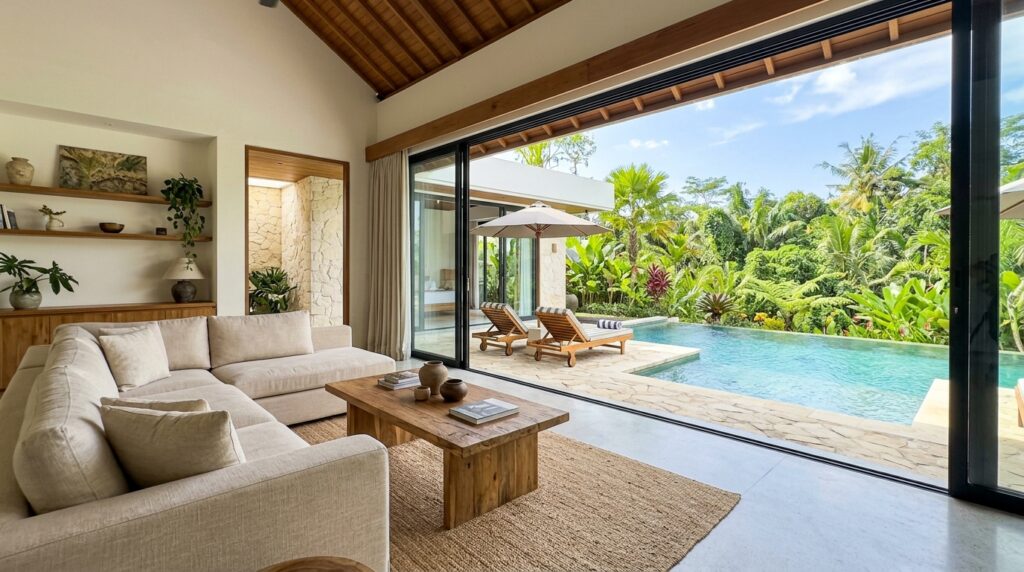
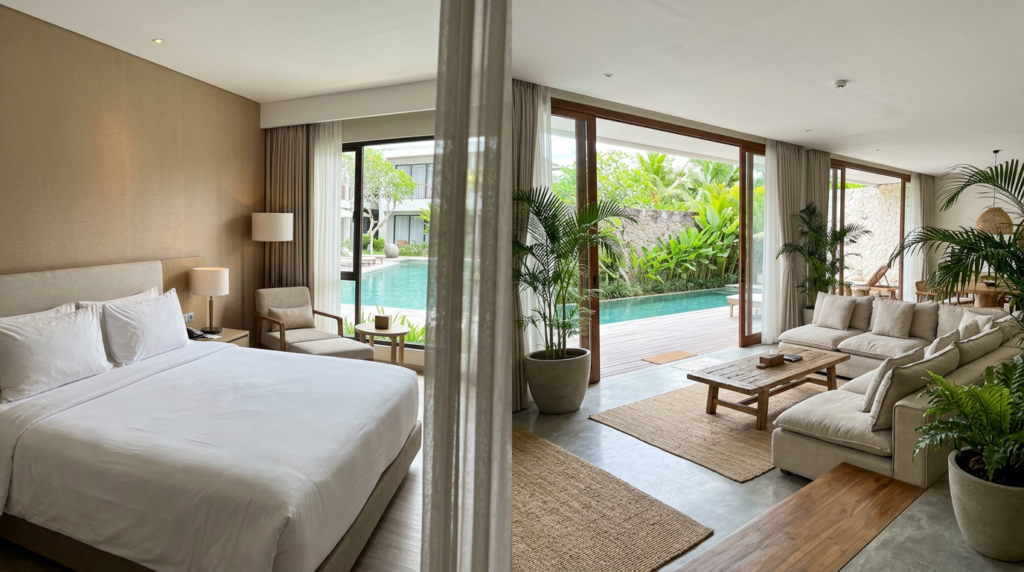
A villa is a private, self-contained place to stay, usually with your own pool and living space, and often with a kitchen. In Nusa Dua, this matters because it sets expectations for privacy and control over your day. One common confusion is assuming every villa is equally “managed” or equally equipped, even though many include dedicated staff and can support services during your stay.
Hotel
A hotel is a property where guests book rooms, and most facilities are shared across the building or resort. In Nusa Dua, this tends to mean you get a more standardized experience and lots of on-site options, but you’re also part of a larger guest flow. People often assume “hotel” always means the same level of privacy, when in reality communal areas like pools and restaurants can bring more interaction than you might want.
Nusa Dua
Nusa Dua is the resort-heavy part of Bali, so many visitors arrive expecting luxury amenities and an organized, guest-friendly environment. This matters because hotels there often come with extensive facilities, while villas are judged against that same resort standard. If you compare without adjusting your expectations, you may blame the accommodation type for something that’s really a location-driven trade-off.
Privacy
Privacy is the feeling that your space is yours and you are not constantly sharing it with strangers. Villas usually deliver this better because you are not relying on the same shared lobby, pool area, and restaurants for everyday comfort. The nuance is that “private” can still vary, so it’s smart to confirm how isolated the villa is in practice, not just in the listing name.
Space
Space is how much room you have to spread out, including living areas and outdoor areas for relaxing together. Villas often fit families and group travel better because more bedrooms and shared hangout space reduce the “one bathroom, one schedule” problem. A common mix-up is thinking hotels are automatically tight, when the real difference is how many separate rooms and communal zones your group needs to function comfortably.
Amenities
Amenities are the features that make the stay easy and enjoyable, like dining options, gyms, spas, and pools. Hotels typically offer more extensive shared amenities and often more structured schedules, while villas focus on private amenities like a pool and kitchen plus staff support. The confusion here is expecting the same breadth of on-site services from a villa as you would find inside a resort complex.
When you put these definitions together, the picture becomes clear: choosing between a villa and a hotel in Nusa Dua is about trading one set of strengths for another. Next, you’ll see exactly how those differences feel in real life, which is usually where satisfaction (or disappointment) is decided.
Why the choice matters on your trip
Privacy and exclusivity
Villas win the privacy game by default. Your pool, living space, and day-to-day comfort usually belong only to your group, so you are not sharing the same lobby, pool area, or restaurants with random guests. In a hotel, you still get service and comfort, but you may bump into other visitors more often, especially around shared facilities. So what: if you want your holiday to feel calm and contained, a villa setup is usually easier to love.
Space for groups and families
Villas tend to deliver the space that group travel actually needs. With multiple bedrooms, more room to hang out, and often kitchen access, families and extended groups can function without constantly coordinating around “one small room” life. Hotels can work, but standard room layouts often mean more friction for bigger parties, and you miss out on the extra living area that makes staying together feel natural. So what: if your group is bigger than a couple, space often becomes the real deciding factor.
Amenities and schedule control
Hotels usually feel like a well-run machine, and that can be a big advantage. They often offer extensive on-site amenities and more structured routines, like set breakfast times, plus easy access to things like gyms, spas, and dining. Villas shift the rhythm toward a private pace, where you can rely on private spaces and staff support rather than moving with a resort’s schedule. So what: if you prefer predictability and everything in one place, hotels shine; if you prefer freedom, villas feel smoother.
Social atmosphere vs quiet time
Choosing a villa often buys you quiet without having to “lock yourself away.” You are less exposed to crowds and more likely to spend time together on your own property, which many travelers find refreshing after busy days. Hotels naturally create a more social environment through shared spaces and more frequent guest interaction, which is great if you enjoy meeting people, but distracting if you do not. So what: decide what kind of vacation energy you want before you pick your property type.
None of this is about one option being objectively “better.” It is about matching the stay to your priorities, because the biggest differences show up in how your days feel.
The next section will turn those differences into a normal-day reality, so you can picture exactly what it will feel like to wake up in either option.
How the experiences play out day to day
“This is the part that makes or breaks the trip for me. I just want my mornings to feel easy.”
Picture a typical day in Nusa Dua. Your group wakes up, and you can already feel the difference between a villa pace and a hotel routine. In a villa, you might start the day by heading to the private pool, then choosing breakfast you prepare or arrange for the villa. In a hotel, you usually move through shared areas first, then fit yourself into the resort’s dining flow, like grabbing breakfast during set windows.
Food and kitchen: big difference in costs
With a villa, kitchen facilities change everything. Even if a staff member helps, you can still plan snacks, drinks, and some meals your way, which often makes dining feel more predictable and budget-friendly for longer stays. In a hotel, food usually means restaurant options and room service, and you give up the ability to cook for yourself, even when you have dietary needs or a group schedule to manage.
What this means in real life is simple: villas give you more control over when and what you eat, while hotels make you work within their on-site dining setup. Expect villa days to be more “self-managed,” and expect hotel days to feel more “scheduled around amenities.”
Staffing and service style
In a villa, service often feels more personal because dedicated staff are tied to your property or even your group. A villa manager or on-site team can handle requests directly, and you may have the option to arrange things like private cooking support. In a hotel, help is usually routed through the front desk or concierge, and you interact with a larger team spread across many guests and shared facilities.
So, the practical difference is how quickly requests turn into action and how customized the experience feels. Expect villas to respond in a more “your space, your rules” way, while hotels respond in a “the resort runs this way” style.
When you see how meals and service work day to day, it becomes easier to pick the right fit based on your group type, and that leads directly into choosing which option matches your travel style best.
Want to compare options with your exact group in mind? Use Baliexpertvillas.com to shortlist the right villa setup before you book
Which option fits you best in Nusa Dua
Families and kids
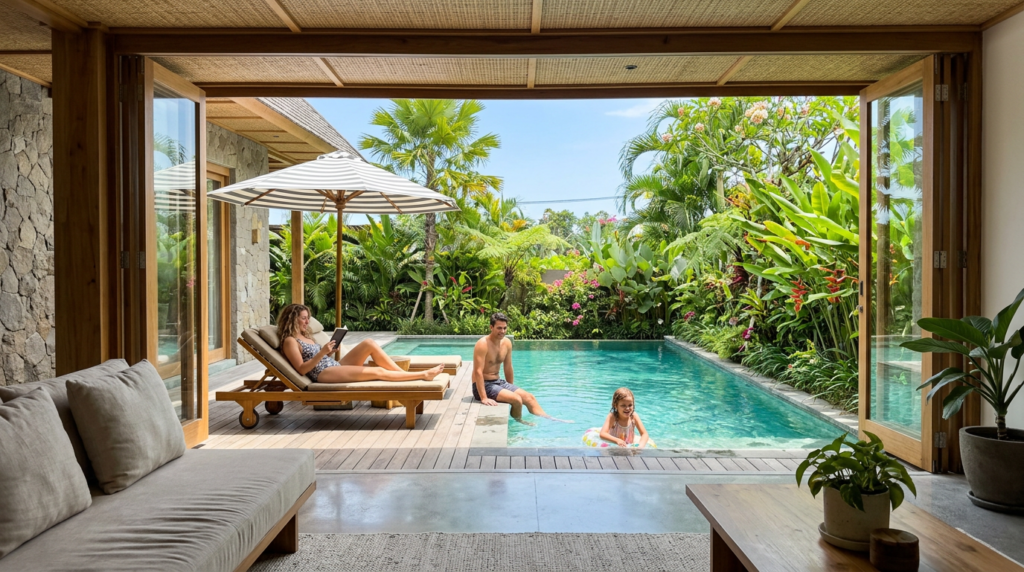
Want a calmer base for family time? Villas often fit well because kids can have more private space to move around, and you are not constantly sharing the same communal areas as other guests. Some villas even let you manage food more easily with kitchen facilities, which can be a big win when kids have specific routines.
The caveat is real: many villas use an open-air concept, which can be less comfortable during Bali’s wet season and may require extra attention with insects, rain, and safety. Also, villas generally offer fewer “kid-focused” amenities like a kids club, so check what entertainment is available inside and nearby.
Groups and extended families
If you are traveling with more than a couple, villas often feel more natural because they can provide multiple bedrooms, more shared living space, and a setup that helps everyone spend time together without feeling cramped. The privacy of having your own pool and outdoor areas also makes late afternoons and downtime less stressful for everyone.
Just don’t assume every villa is walkable to restaurants and shops. In Nusa Dua, some villas sit a bit away from daily conveniences, so you may need transport or delivery plans rather than expecting to step out and wander.
Travelers who want social buzz
Hotels usually work better when you want the resort atmosphere and the option to be around people. With more shared facilities like pools, dining spaces, and structured activities, it is easier to meet other guests and keep your days feeling “alive” without planning every moment.
The trade-off is that shared communal life can reduce privacy. If you want a quiet, contained experience, you might feel less satisfied when you keep crossing paths with other guests in hallways, restaurants, or shared pool areas.
Pick the profile that matches your group most, and the decision becomes much clearer. Next, you will want to avoid common booking mistakes so the stay you choose matches expectations from the start.
What to watch out for before booking
Villas always cost more than hotels
This myth exists because villas look “luxury,” and a private pool feels like it must come with a premium. The reality is that for families or groups, a villa can become cost-effective per person, especially when kitchen facilities let you handle more meals yourself.
Check the total value, not just the nightly rate. Compare what’s included for your group and how much you can realistically save on dining.
Here’s the twist about service in villas
A villa isn’t automatically a DIY stay with zero support. Many villas include dedicated staff and can help with day-to-day needs, and some arrangements like private cooking support or transfers can be handled.
The safe move is to confirm who’s actually on-site and what they do. If you assume “self-sufficient,” you may end up missing meals, maintenance support, or quick help.
Hotels always have better quality and service
It feels logical because hotels often run under standardized resort-style routines. Still, villa quality can be excellent, and hotel quality can vary widely depending on property management and what you’re paying for.
Verify details before booking. Don’t rely on the label alone; look for clear signs of consistent upkeep and responsive staff support.
All Nusa Dua stays are directly beachfront
Nusa Dua is known for luxury resorts and beautiful beaches, so it’s easy to assume everything has direct access. In practice, some properties are set back, and villas especially may not be walkable to restaurants and everyday spots.
Before you pick, confirm the actual beach access or whether you will need transport for meals and outings.
A villa isn’t automatically safe
The word “private” can make people assume security is handled perfectly, or the opposite fear. Safety depends on real practices like staffing, gated access, and how the property handles security needs.
Ask what security arrangements exist. If you do not validate it, “it feels private” can turn into avoidable stress.
The tricky part is open-air villa living
Open-air layouts can look charming in photos, so people expect the same comfort every day. During Bali’s wet season, open-air spaces can be less comfortable, and insects become a real consideration, especially with young children.
Check whether key areas are enclosed or can be comfortably used during your travel dates, and consider insect and child-safety realities.
Private doesn’t always mean fully standalone privacy
Many travelers interpret “private villa” as complete isolation. But some “private” properties may still be part of a compound or have shared access realities that affect how secluded it feels.
Validate what “private” means in practice. Confirm privacy boundaries and the management quality so your expectations match the actual setup.
The last step is turning all of this into a simple decision checklist you can use for any listing, before you book anything.
Making the decision with confidence
Your priorities (privacy, space, kitchen)
- Confirm how important privacy is for your group
- Check if you need space for multiple bedrooms
- Look for kitchen facilities if you want self-catering
- Decide if you want a private pace or resort-style convenience
Your budget/value check
- Compare total cost per person for your group size
- Estimate savings if you can eat more in-villa
- Factor in any likely add-ons like chef or transfers
- Don’t judge value by nightly rate alone
Your villa quality vetting
- Verify who provides staff support during the stay
- Ask what they can arrange, not just what exists
- Check how “private” feels in real boundaries
- Confirm security practices if safety worries you
Your comfort check for layout and location
- Confirm whether you have easy access to beach and dining
- If it’s open-air, assess insect and wet-season comfort
- Plan transport if the villa is not walkable
- Make sure the schedule matches how your group wants days to feel
You’re not looking for the “best” accommodation, you’re matching the stay to how you want your days to work. From here, it’s easier to remember there’s no universal winner, only the right fit.
So, is renting a villa better than a hotel?
“The real answer is that both can be amazing, but they shine for different reasons.”
Most of the time, villas win when you care about privacy, space, and making group or family life easier. Hotels win when you want convenience, social resort energy, and more structured on-site amenities. The best choice is the one that matches your priorities, not the one that sounds impressive on paper.
If you want help matching the details to your group, Baliexpertvillas.com can support you in choosing the right villa experience
Choose the stay that fits how you want your days to feel, and Nusa Dua will reward you for it.