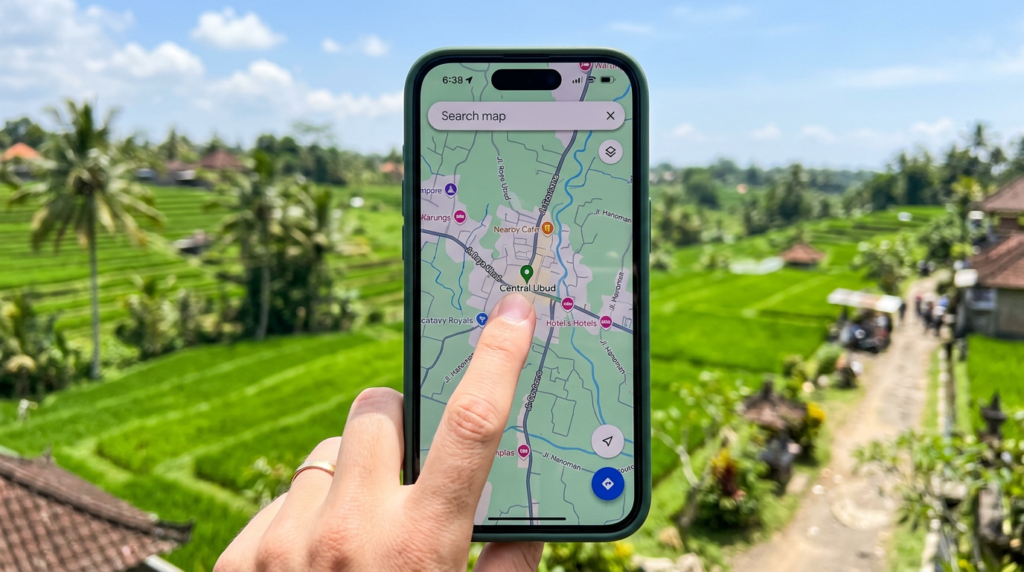
Imagine you just landed in Bali, jet-lagged but excited, and you open your map app expecting one simple answer. Then you realize Ubud is not one place you can “check off.” It is a whole vibe built from culture, nature, and wellness, and it stretches well beyond the main town streets.
That is why the question of how many days you should spend in Ubud does not have a single magic number. The right duration depends on what you want your trip to feel like. If you want a slow, immersive experience, you will naturally need more time than someone doing a quick highlights pass.
One detail that trips people up is what they mean by “Ubud.” Sometimes it refers to the walkable town area, where sights cluster closely. Other times it means the wider Ubud area, which includes surrounding villages and the nature spots that most people actually travel there for. Once you know which one you are planning, your day count becomes much easier to choose.
In practical terms, most travelers build their Ubud days around a few big themes: temples and art, rice terraces, waterfalls, and wellness activities like yoga and traditional massage. Your ideal number of days comes down to which of those themes you want to spend time with, and how much you want to slow down.
In the next section, we will pin down what “spending time in Ubud” really covers, because that definition is what makes the day-range advice (1–2, 3–5, and 5–7+) actually click.
“How many days in Ubud” is really a scope question, not a sightseeing checklist.
Your day count changes when you change what “Ubud time” includes and which parts of the area you want to feel, not just see. Once you understand the moving parts, the recommendation ranges start making sense quickly.
If you are still unsure which stay area fits your style, take a moment to plan your route and pace, then align your days so you can enjoy Ubud without rushing. For help matching your plan to real conditions, browse Baliexpertvillas.com to see how different locations can change the rhythm of your trip.
Ubud Town (walkable center)
Ubud Town is the compact, busier center where many attractions cluster close together, so walking can work for a surprising amount of your day. Because it is concentrated, more of your activities can fit into fewer days, especially if you prefer easy, low-planning exploring.
This area also comes with real crowd and traffic energy, so even if it feels “close,” you still want your schedule to breathe. The key is that town days are about proximity, not about squeezing in everything.
The Wider Ubud Area (villages and attractions)
The wider Ubud area includes surrounding villages and the nature spots people travel for, like rice terraces and waterfalls. Here, distance turns into drive time, so your itinerary needs more padding even when the map distance looks small.
That is why “Ubud” on accommodation listings or attraction pins can feel misleading. If you base your planning on the town center but stay farther out, your needed days go up to keep the trip enjoyable.
Ubud Experience Themes (culture, nature, wellness)
Ubud experience themes usually fall into four buckets: temples and art, rice terraces, waterfalls and scenic nature walks, plus wellness like yoga and traditional massage. If your focus is mainly culture and art, you can cover a lot in a shorter window. If you want nature and wellness to be part of your daily rhythm, you will want more days.
Think of it as a mix-and-match menu. Your “right number” is the number of days that lets those themes feel intentional instead of rushed.
Pacing and Travel Constraints (time is not the same as distance)
Ubud has traffic, and it can become unpredictable, especially around busy areas and popular stops. That means time planning matters as much as attraction picking, because travel and waiting can quietly steal momentum from your day.
This is also why timing (like starting early or planning later in the day) can dramatically change the experience quality. Once you respect those constraints, the day ranges stop feeling arbitrary.
When readers know what “Ubud time” actually covers, they can finally see why the number of days matters so much.
Most travelers feel disappointed because they pick a “Ubud” stay that sounds close, then discover their best days evaporate in crowds and drive time.
Staying in Central Ubud
Central Ubud is compact, so walking can cover a lot of the classic stops like the art market area and palace zone. The trade-off is that it is also busier, so popular moments feel crowded and traffic can still slow you down between nearby sights.
If you want your days to be simple and low-effort, central can compress your town activities into fewer days. You still cannot ignore that the real wow experiences, like rice terraces and waterfalls, sit outside the center.
Staying Outside Town
Staying in the outskirts or nearby villages usually feels quieter and more scenic, with rice-field and jungle views. The catch is that you are not walking to everything, so your schedule depends more on transport and realistic travel buffers.
That means your itinerary must include drive time, not just attraction time. If you plan waterfalls or terraces from an out-of-town location, you typically need extra breathing room so each day does not feel rushed.
To translate the difference into day count, start by asking where your “anchor” experiences live for you. If you are mostly doing town sights, central can work with fewer days, but if you want rice terraces and waterfalls to be frequent, plan more days and protect your time from traffic and distance.
Pros of Enough Days
You avoid the most common travel problem in Ubud: running out of time to enjoy what you came for. When you have enough days, your pacing improves because each day can include a morning nature or culture block, a midday activity that fits the day’s energy, and an evening that feels like a reset for dinner or wellness like a traditional massage.
This extra breathing room also helps your trip feel more meaningful. Instead of treating temples, rice terraces, waterfalls, and yoga as stops on a list, you can absorb the vibe, repeat what you love, and adjust when crowds or weather shift your plans.
Cons of Too Few Days
A short stay often turns Ubud into a “see it fast” mission. You may get the main highlights, but they come with rushed timing, tighter schedules, and stress from the reality that it looks close on a map, but it takes time in traffic.
That mismatch is where burnout starts. You end up spending more of your day moving and waiting than experiencing, so even great places start to feel exhausting instead of special.
Once you understand these trade-offs, you can choose a realistic day range, and the next section will give you a practical guide to match your travel style to the right number of days.
If You Have 1–2 Days
If you only have a short window, start thinking in snapshots, not full immersion. You can enjoy central Ubud sights on foot, then add one nearby nature highlight like a rice terrace walk or a scenic ridge stroll, but you will not have time to “slow travel” across the whole area.
This is the tier to prioritize anchors that are both iconic and efficient. Choose temples or art in town, then pair it with one signature outdoor stop so the day feels complete instead of scattered.
For a Balanced 3–5 Day Stay
For most people, 3–5 days is where Ubud finally starts to feel like a real place, not just a route through attractions. You can explore town calmly, then schedule 1–2 day excursions into the wider area for rice terraces and waterfalls, while still keeping a little downtime built in.
Use mornings for nature or culture, keep afternoons flexible for your second highlight, and protect your evenings for dining and wellness. A massage or yoga session is not “extra” here. It is part of making your days match Ubud’s rhythm.
For Deep Wellness in 5–7+ Days
With 5–7+ days, your trip shifts from checking items off to designing a steady, retreat-like flow. You can revisit the places you love, take multiple wellness sessions, and make space for slower mornings that do not depend on perfect timing.
Instead of stacking every attraction, pick a smaller set of anchors and let them unfold over several days. This is also where optional cultural depth, like classes or a deeper look into the art and temple side of Ubud, can slot in naturally without making you feel rushed.
Once you choose your tier, the next question becomes practical: how to structure those days so you do not lose time to crowds and traffic.
Picture this: Day 1 morning exploring Central Ubud’s Monkey Forest area, Day 1 afternoon wandering the Art Market and Palace zone, then Day 2 morning hitting the Tegalalang rice terraces for photos before lunch and an early night.
If You Have 1–2 Days
With just 1–2 days, you are doing a highlights reel, not a deep Ubud dive. Your best move is to keep everything town-focused, then add one signature nature or walk element to make the trip feel complete.
Choose things you can cluster together, like walking around Monkey Forest and the Art Market zone, then pairing it with one outdoors stop such as Tegalalang rice terraces or a calm ridge walk. Even then, popular places will still feel crowded, so timing matters more than you think.
What you will miss is slow wellness and long, spaced-out exploring. If you want Ubud to feel like a real place, not just stops between travel days, the balanced stay is your next step.
1. Start with Town Culture
Begin your day in central Ubud where it is easy to move around and everything feels close. Plan a morning that focuses on temples and art, then keep the rest of the day lighter so you are not fighting crowds all afternoon.
This step works because it builds your trip around what you can do with less travel time. It also sets a calm pace before you venture into the wider area.
2. Add One Rice Terrace Morning
Pick one morning for the Tegalalang rice terraces style experience. Go early if you can, because it is one of those places where crowds build fast, and the enjoyment drops when you spend time waiting rather than walking.
Keep the plan simple for that day. One main nature stop plus a nearby lunch is usually enough, especially when traffic can steal time on the way back.
3. Choose One Waterfall or Temple Day
For your second area day, choose either a waterfall (like the popular nearby options) or a deeper temple stop. This is where you balance variety without turning each day into a long drive marathon.
Because Ubud traffic can be unpredictable, grouping experiences by direction matters. A tight cluster reduces wasted time, and your schedule stays relaxed.
4. Slot in Wellness Time
Make wellness a real block, not an afterthought. A spa session, massage, or yoga can reset you after mornings of walking and afternoons of travel, so evenings feel enjoyable again.
This is the piece that turns “3–5 days” into a trip that feels like Ubud, not just a set of stops. When you get to the longer stay tier, the same structure becomes even better since you can revisit what you love.
You need to rush every famous spot
Thinking you must sprint through Monkey Forest, rice terraces, and waterfalls will backfire fast on a longer stay. You end up spending more time fitting everything in than enjoying it, especially when traffic and crowds can slow even short hops.
In 5–7+ days, the smarter move is slower pacing. Choose fewer anchors, revisit what you love, and let your schedule breathe so wellness and culture actually land, not just get photographed.
Wellness is just massages
Wellness in Ubud is more than one spa session on your calendar. If you treat it like a quick add-on, you miss the point of what makes the area special.
For deep stays, wellness can include multiple sessions across days, plus yoga and a calmer, more intentional way of moving through the day. That is what turns “I visited Ubud” into “I felt Ubud.”
More days only means more photos
More days do not automatically improve your experience. If you keep the same rushed mindset, you simply collect more stops with the same stress.
With 5–7+ days, you can trade quantity for quality: fewer checklists, more revisiting, and cultural depth like classes or traditional performances if you are interested. Once you build a calmer rhythm, the next challenge is creating an itinerary that stays stable even with crowds and traffic.
Your days in Ubud can feel like they evaporate when you guess wrong about crowds, travel time, and weather, so here is a checklist that keeps your schedule realistic.
Group sights by area
Plan your route by location, not by wish list. Keep town moments together, then set separate blocks for north Ubud and nature spots so you are not crisscrossing around traffic.
Plan mornings for popular nature
Put the highest-demand nature experiences earlier in the day. Start your walk or terrace time when crowds are lighter, so you get more enjoying and less waiting.
Leave a traffic buffer
Ubud traffic can slow you down even when distances look short. Add extra time between stops, and avoid stacking two far-apart locations back-to-back.
Keep one slow block each day
Choose at least one part of the day that is intentionally unplanned. This protects your energy for days that run late and helps your trip feel like Ubud, not a constant hop.
Use wellness as your reset
Schedule wellness like a massage, spa session, or yoga so it balances the intensity of walking and drives. It works best after a busy day, when you want your evenings to feel calm.
Don’t expect empty streets
Central Ubud and the most famous stops are popular. Instead of fighting the crowd, time your visits carefully and accept that the “busy” feeling is part of the experience.
Stay flexible with weather in wet season
During the wet season, rain often comes in bursts. Keep indoor-friendly options available and shift your outdoor plans when the weather changes.
Once you build your day plan this way, the next section covers what can still derail it, so you do not repeat the most common mistakes.
“Transport is the hidden line item that decides whether your day feels smooth or exhausting.”
Walking works mainly in central Ubud
Central areas are walkable, so you can cover town sights without constant car rides. The downside is that sidewalks can be uneven, and you are still dealing with crowds and nearby traffic, so you need to plan for slower movement even on foot.
This choice works best when your schedule is mostly “town” and you want shorter travel gaps between stops.
Scooters can be flexible but risky if you’re new
A scooter can feel like freedom, but Ubud traffic can get congested unpredictably. If you are not confident riding, one slow stretch can throw off your whole timeline, and stress tends to build quickly when you are trying to get to multiple places in one day.
For first-timers, this means you usually fit fewer activities because you need more realistic buffers.
Private drivers are the easiest for day trips
With a private car and driver, you avoid getting lost and reduce the mental load of navigating. This is especially helpful for day trips where the route is longer and the routing matters, because private transport helps you keep a steady pace from one highlight to the next.
If you use ride-hailing apps for short hops, treat it as supplemental, since availability can vary and convenience can change quickly.
Underestimate travel time and you will feel rushed, even if you booked “enough” days. That is exactly why the next section focuses on the assumptions that still derail good plans.
Ubud is always calm and easy
It feels logical to assume Ubud will match the “slow life” image, but central streets are busy and traffic can still interrupt your day. If you plan like it will be quiet everywhere, your schedule gets tight fast.
The result is simple: crowded sites feel like chores and your day feels less relaxing than expected.
You can see everything in 1–2 days
Short visits can hit major highlights, but they turn Ubud into a stop-by-stop experience rather than immersion. You will move quickly, but you will not really settle in.
That often leads to disappointment because the best parts, like wellness and relaxed pacing, need more time.
Scooter traffic won’t slow you down
Scooters are convenient, yet Ubud traffic can get congested unpredictably. Even if you choose nearby attractions, road conditions can still stretch travel time.
When you underestimate this, you end up late, stressed, and forced to cut the day short.
Ubud is only for spiritual travelers
Wellness and spiritual culture are a big part of Ubud, but that does not mean it is limited to one type of traveler. Art, food, rice terraces, and nature walks work just as well as part of the plan.
If you ignore the broader mix, you might miss whole categories of experiences that fit your style.
Monkey Forest monkeys are harmless
The macaques are wild animals that can steal and react if you get too close or feed them. When you treat the visit like a friendly photo moment, you increase the odds of a bad experience.
Plan with respect and timing in mind so this stop stays fun, not stressful.
Ubud pricing and guides are always fair
Sometimes you will run into overpriced “tourist trap” situations or random “instant guide” offers. If you assume every price quote is reasonable, you can overspend and still feel rushed.
That planning damage shows up as regret, especially when you are trying to stretch a short stay.
Once you correct these common assumptions, the next step becomes clear: choose a day count that actually fits your pace and your real logistics.
Picture this: you have 4 days in Ubud and you care about culture, rice terraces, and one real wellness day, but you worry about crowds and getting stuck in traffic.
Choose your Ubud scope
Decide whether you are planning a town-first trip or an area-first trip. If most of your anchors are in central Ubud, you can move faster with fewer days, but rice terraces and waterfalls usually live outside the center, so your schedule needs room.
Pick your anchor experiences
Lock in your key themes: culture in town, one main terrace moment, and a single “reset” wellness block. This keeps you from trying to do everything, and it makes your time feel intentional instead of scattered.
Match your day tier and pacing
With 4 days, you are basically in the 3–5 day balanced tier, so plan town exploration plus 1–2 area excursions. Add a traffic buffer and keep a calmer rhythm in the mornings and evenings, especially if you are traveling in busier times or dealing with wet-season bursts.
This is how you turn day-count advice into real decisions, and it sets up the final wrap-up about choosing days that fit your pace.
Choose Days That Match Your Pace
“The perfect number of days in Ubud is the one that lets your trip breathe.” That is the real takeaway, because there is no single universal answer that fits everyone.
In practice, the tier ranges work because they match how Ubud actually feels: 1–2 days for a snapshot, 3–5 days for balanced immersion, and 5–7+ days for deeper wellness and a slower rhythm. They also account for the things you cannot ignore, like Ubud’s scope beyond the town center, the way traffic and crowds affect pacing, and the seasonal reality of dry vs wet weather.
When you build in downtime and respect that rhythm, Ubud stops feeling like a rush of stops and starts feeling meaningful. With that mindset, you can plan with confidence and let the days shape your experience, not the other way around.
Want help making your Ubud plan feel effortless from day one? The team at Baliexpertvillas.com siap membantu Anda menyusun strategi yang tepat, and you can start by sharing your ideal pace and travel dates.
If you want your stay to match your day plan, it helps to choose the right base first. For flexible support and clear answers, explore Baliexpertvillas.com options that fit your timing and priorities.