
You’re excited to go to Canggu, but you’re also worried the weather, crowds, or ocean conditions will ruin your beach plans. That “should I book now or wait?” feeling is real, especially when you see different opinions about Bali every day.
Here’s the good news: the best time to visit Canggu is not one magic month that works for everyone. It’s a match between how Canggu behaves in different seasons and what you actually care about most, like comfortable walking days, surf or water time, calmer streets, or staying on budget.
Bali basically runs on two main seasons. The dry season brings clearer, brighter conditions and lower humidity, which usually makes outdoor plans feel easier. The wet season is hotter and more humid, with tropical showers that tend to come in bursts, while the landscape turns greener and more dramatic.
Between them are the shoulder months, often where the “sweet spot” lives. You typically get a lot of what people love about the dry season, without the same level of crowds and peak-season pressure. That balance matters because your comfort, your schedule, and even how smoothly you can plan day trips all shift with the weather rhythm.
In this article, we’ll start by defining what “best time” really means in practical terms. Then you’ll see how the choice changes comfort, crowds, and ocean days. After that, we’ll get into planning steps (especially morning timing), the mistakes that most travelers make, and a simple way to choose your dates that fits your style.
Next up, we’ll define what “best time to visit Canggu” actually means, so the season advice becomes clear and usable.
If you want a quick way to choose dates that match how you like to travel, plan your stay with Baliexpertvillas.com and align your itinerary with the season you’re targeting.
What it means to pick the best time
Best time is an optimization problem
Picking the best time is about trade-offs. You’re not hunting for a perfect month. You’re choosing the season that best balances comfort, ocean conditions, crowds, and costs for your specific style of trip to Canggu.
If you care about long beach hours and easy walking, you’ll value lower humidity and more reliable outdoor time. If you care about surf or water activities, you’ll focus more on seasonal ocean patterns and what mornings usually feel like.
Dry season vs wet season is the baseline
Bali runs on a two-season rhythm. The dry season brings brighter, more stable conditions and noticeably lower humidity. That usually makes Canggu feel easier day-to-day, especially for outdoor plans.
During the wet season, humidity rises and tropical showers show up more often. Even then, mornings can still work well, and the scenery gets greener. The key is knowing what those changes mean for timing your day in Canggu.
Shoulder months are the middle choice
Shoulder months sit between the main dry and wet seasons. They often deliver a strong balance: good conditions with fewer crowds than peak periods. For many travelers, that combination feels like the best overall experience.
Think of shoulder months as a practical compromise. You still get plenty of outdoor value, but you avoid some of the peak-season pressure that can make everything feel slower.
Microclimates mean Bali weather isn’t one thing
Even within Bali, conditions can feel different across areas. Canggu’s coastal location tends to feel influenced by sea breezes, while inland regions can feel cooler and more humid, especially at different times of the year.
This matters because your day-to-day plan is local. Understanding that Canggu can feel distinct from other parts of the island helps you choose your season with better confidence, not guesswork.
Bottom line: these seasonal differences are not just weather trivia. They directly shape your comfort, your crowd experience, and how smoothly your ocean days fit into the schedule.
Dry season brings brighter, lower-humidity days
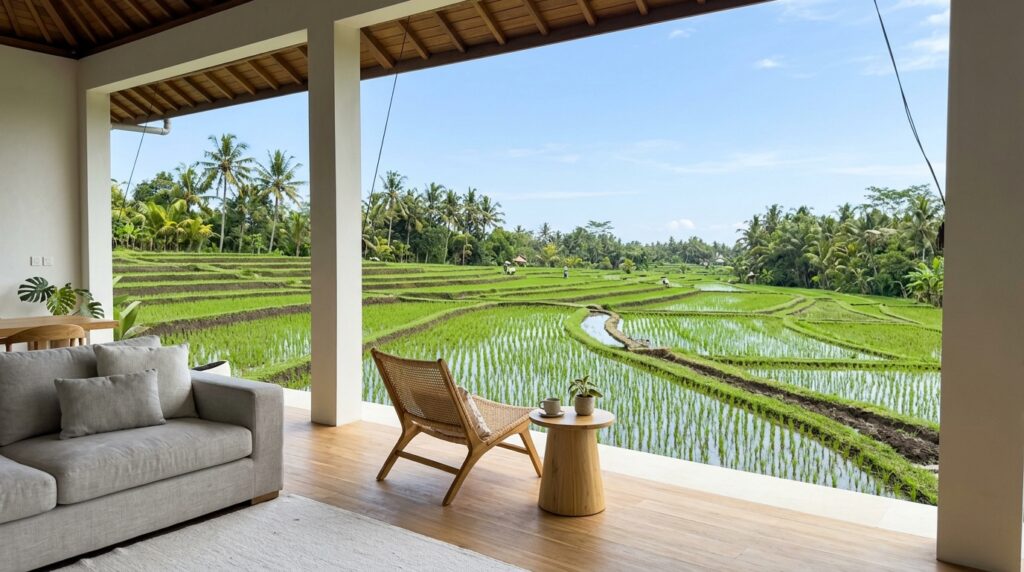
Most people assume tropical climates always mean constant sunshine, but Bali works in patterns instead. In the dry season (roughly May to September), humidity stays noticeably lower and the days tend to feel more comfortable for being outside.
With fewer rainy interruptions, outdoor time becomes easier to plan, which is why this season often feels best for walking around Canggu, enjoying beaches, and fitting surf or water plans into your schedule.
Wet season means more humidity and greener scenery
During the wet season (roughly November to March), humidity rises and tropical showers show up more often. The air feels warmer, and you should expect rain to play a bigger role in your day-to-day plans.
Here’s the key nuance, though. Mornings are often still usable, and the island looks greener and more vibrant. That means you can still enjoy Canggu by prioritizing earlier outdoor hours and adjusting later if showers build.
Next, we’ll zoom out to what changes most for your trip when you pick one season over the other.
Why the season choice changes your whole trip
Comfort changes first, especially for walking
Dry months usually feel easier because humidity is lower and outdoor time stays comfortable. Wet months bring more humidity and showers, so your energy level can drop faster if you plan long walks without a morning-first rhythm.
That’s why the same itinerary can feel effortless in one month and tiring in another, even when temperatures stay warm year-round.
Ocean days shift, so surf and beach plans react
Water conditions are not the same across seasons. During the drier period, ocean visibility tends to be clearer and water days feel more predictable, which helps when you’re planning surf or other sea activities.
When the wet season is underway, the atmosphere is greener and often beautiful, but sea conditions can feel more variable, so mornings tend to matter more than ever.
Crowds and traffic can steal your time
Peak dry months are typically busier. More people in Canggu often means more time spent waiting, slower movement between places, and a more crowded feel along popular coastal spots.
Shoulder and low-season months usually feel calmer, and that smoother flow matters because it affects how many things you can actually fit into your day.
Okay, so how does this show up for Canggu’s ocean time?
Comfort changes your daily pace
If you’ve ever planned a full day outside and felt your energy drop faster than expected, season is probably the reason. In the dry season, lower humidity usually makes mornings feel comfortable and outdoor time easier to sustain. As the day goes on, conditions can still warm up, but you’re less likely to feel “stuck” indoors just to escape the humidity.
During the wet season, humidity rises and showers become more common, so you’ll notice how much your schedule depends on early hours. The same walking route can feel very different depending on whether you started before or after the heat and moisture build.
Crowds and traffic change how long things take
Travel time can quietly kill the vibe. Peak dry months tend to be busier, so you’ll often spend more time navigating crowds and slower movement between places. Even if attractions are open and the weather is great, your day can feel stretched out because everything takes longer to reach and enjoy.
In shoulder and lower-demand periods, things usually feel calmer. Less crowd pressure means fewer delays, and that makes it easier to fit more meaningful moments into the same number of hours.
Ocean days feel more predictable in dry months
When your plans depend on the sea, season matters. In the drier period, ocean conditions tend to support clearer visibility and more reliable timing for water-based activities, so beach and surf days feel easier to plan around.
That doesn’t mean the wet season is “bad,” but variability becomes more noticeable. Since mornings are often the calmer window, your best ocean time usually comes when you start earlier and build your day around what the water feels like in the early hours.
How seasons shape surf and beach time
Surfing feels most reliable in dry months
Picture this: you wake up early, step out for a surf session, and the water finally feels like it matches the plan. For Canggu, that kind of consistency is usually easier during the dry season, roughly May to September.
During this period, surfing tends to be strongest along the west coast breaks, and Canggu fits right into that pattern. If you want cleaner, more dependable ocean sessions, aim your surf time around mornings and choose your month in that May to September window.
Beach days get smoother when the sea is clearer
Now switch to a slower plan: sitting on the sand, going for a swim, or doing a calm beach walk. In the drier months, sea clarity generally improves, so beach time feels more straightforward to enjoy.
When conditions are clearer, your day planning feels less stressful, because you’re not constantly guessing what the water will look like. In the wet season, humidity is higher and ocean conditions can feel more variable, so your best results often come from going out early.
Wet-season ocean time still works with morning-first plans
Don’t write off the wet season just because it’s not “dry.” Ocean plans can still be great, but you’ll want to be smarter about timing. Rain and humidity are more common, and that can change how the water feels day to day.
Because mornings are often calmer and clearer than later in the day, your safest strategy is to schedule outdoor ocean time first, then adjust the rest of your day if conditions shift.
Plan your outdoor time right after sunrise
Why does everyone keep saying to start early? Because the hours just after sunrise are usually cooler and clearer, which makes walking feel easier and visibility more reliable for sea-based plans. If you want the smoothest Canggu day, build your outdoor schedule around that window.
Next, treat afternoons like “flex time,” especially when humidity is higher or showers are more likely. Put indoor breaks, meals, or rest later in the day so you can recover without losing your whole itinerary.
Finally, for surf or any water activities, morning calm is the best friend. You’re more likely to get conditions that match your expectations, and you avoid the late-day comfort dip that can happen as heat and moisture build.
May to September is your dry-season sweet spot
Dry weather and lower humidity make outdoor plans feel smooth, and it shows in how Canggu day-to-day feels. May through September usually deliver the most reliable comfort for beaches, walks, and water time.
Within this range, June, July, August, and September are often especially stable, so it’s easier to structure your days around mornings. Surf and ocean activities also tend to feel more predictable during this period, which is why so many travelers aim here.
July to August brings the busiest peak energy
If you love a lively atmosphere, July and August can be great. The trade-off is that these months are typically the busiest, so you’ll notice more people around popular coastal areas and more slowdown in everyday movement.
Weather quality is usually strong, but you may spend more time dealing with crowds. If you’re sensitive to busy days, treat this period as “fun, but be ready.”
April and October balance value and good conditions
Want the best parts of the dry season without the most intense crowd pressure? April and October often land in that middle zone. Conditions stay pleasant, and the schedule feels less stressful than peak months.
These transitional months are also useful for planning because you’re still likely to get comfortable outdoor time, but with a calmer vibe. For many travelers, this is where “best time” stops being a debate and starts feeling obvious.
November to March is quieter, wetter, and greener
When the wet or low season arrives, the atmosphere changes quickly. Humidity is higher, showers happen more often, and the island looks noticeably greener and more lush.
Even so, mornings can still be usable, which is the big takeaway. If you want quieter travel and better availability, November through March can work well as long as you protect your outdoor plans for early hours. September can also feel calmer than July and August, and early December often stays before the busiest crowd wave.
Next, you’ll take the month you picked and turn it into an actual itinerary that fits how Canggu behaves that season.
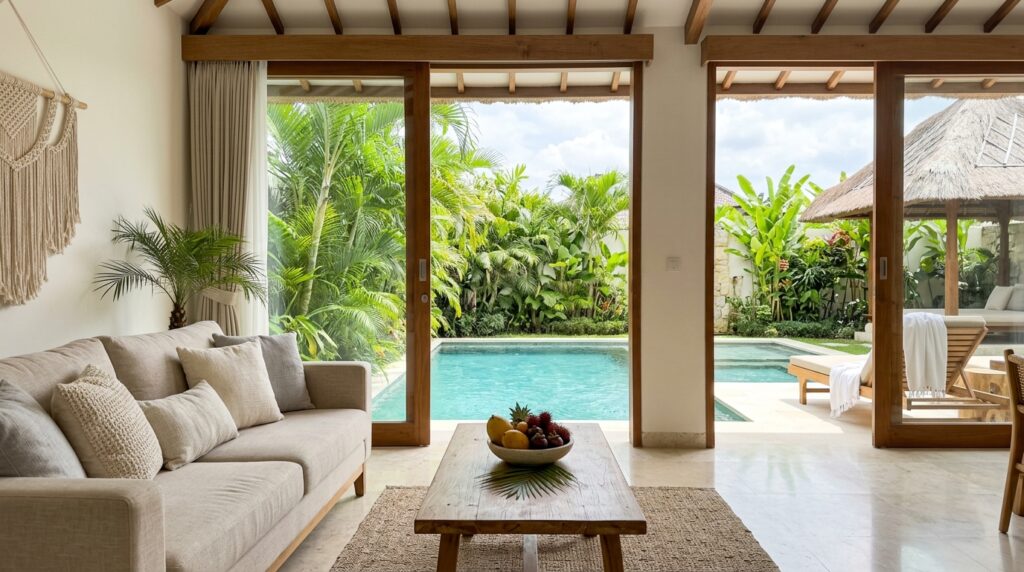
If you’re matching your schedule to a specific season, it helps to choose accommodation that fits your rhythm. Explore Baliexpertvillas.com stays with seasonal comfort in mind, then build your days around mornings.
How to plan your month in Canggu
Pick dates from your priorities
The easiest planning starts with one clear priority. Decide what matters most to you, like comfortable outdoor time, good ocean days, fewer crowds, or better value, then choose a season range that fits that goal.
After that, schedule your outdoor blocks for mornings first. Keep some flexibility in your plan, especially if you’re traveling in the wetter or shoulder periods, because conditions can shift during the day.
Pack and schedule based on season
Once your dates are set, match your packing and daily rhythm to the season. In the dry-season months, focus on sun protection and breathable comfort since you’ll likely spend more time outside. Earlier days usually feel nicest, and that makes morning-first scheduling even more effective.
In the wet season, switch your focus to quick-dry clothing and rain protection. You’ll still want to spend time outdoors, just do it earlier, then save your indoor or rest time for later when humidity and showers are more likely.
Choose dates with a simple season logic
Use this quick checklist to match your priorities to the right part of the year, then build your plan around morning time when it’s most forgiving. When you finish, you’ll know whether to aim for dry, shoulder, or low season based on what you care about most.
✅ Pick your main priority: weather comfort, surf and ocean days, crowd levels, or budget.
✅ Choose a season range that fits that priority (dry, shoulder, or low).
✅ Plan outdoor time for mornings first, since conditions tend to feel smoother then.
✅ Decide how much flexibility you need for your dates.
✅ Book earlier if you’re traveling during peak dry months when demand is higher.
✅ Keep indoor or slow-down options for wetter or shoulder times so your schedule doesn’t break if rain arrives.
Dry season packing and timing
Imagine you’re planning a full day that starts outdoors and ends outside too. In the dry season, think sun protection first and choose breathable, comfortable clothes that let you stay outside longer without feeling drained by humidity.
For scheduling, lean into longer outdoor blocks when you can, but keep the “start early” habit. The drier months tend to support clearer conditions, so outdoor plans feel more reliable, especially in the morning window.
Wet season packing and timing
Picture your plan staying exciting even if the sky changes its mind. In the wet season, pack for unpredictability with quick-dry clothing and rain protection like a light rain jacket or poncho. Also consider waterproof habits for electronics if you’re bringing anything that can’t handle sudden showers.
Then adjust your schedule: do your outdoor time earlier, and treat the afternoon like it’s more likely to bring humidity or showers. When you plan mornings first, you avoid losing the day if rain appears later.
Transitional months packing and timing
These months feel like a mix of both worlds, and your packing should reflect that. In transitional periods like April and October, bring lightweight flexibility, such as a light jacket for cooler early hours, plus sun protection for bright stretches.
Schedule with the same logic: start outdoor time early, then leave room to shift if the day feels wetter than expected. With this approach, transitional months often feel easy to manage, not chaotic.
What to watch out for before booking
Bali is always sunny and hot
Most people think a tropical trip means endless sunshine, so they book like every day will be perfect for beaches. The reality is that Bali has a dry season and a wet season, and conditions change how comfortable outdoor plans feel.
Do this instead: pick your season based on what you want to do most, and plan outdoor time around mornings for extra safety.
Wet season means all-day rain
It’s easy to assume rainy months are a constant downpour, so you hesitate to book. In practice, showers tend to be more frequent, and humidity is higher, but mornings can still be usable and the island looks greener.
Try this instead: keep your outdoor plans for mornings, and reserve indoor or rest time for later when rain is more likely.
Peak season guarantees the best experience
Higher demand often feels like a sign of quality, so travelers choose peak dry months and expect everything to feel effortless. What they miss is the trade-off: peak periods bring heavier crowds and traffic, so the day can feel slower even with good weather.
Do this instead: if you hate crowds, aim for shoulder or lower-demand periods and you’ll likely enjoy more of your time.
Canggu beaches are always pristine
People expect every beach day to look perfect, all year. During wetter periods, ocean conditions can be more variable, and that can change what you see on the shoreline.
Change the approach: don’t treat beach beauty as guaranteed. Plan flexible beach time and use clearer-condition windows when possible.
Surfing is good everywhere, all the time
Some travelers assume surf quality is the same month to month and coast to coast. In reality, surfing depends on seasonal ocean patterns and the way wind and water behave, so the “good” months are not identical for every break.
Better plan: match your surf expectations to the drier window that tends to support more reliable conditions for the west coast, and prioritize mornings.
Festivals are easy and static to plan
Many people treat cultural events like fixed dates, then arrive confused when celebrations fall on different days. Bali’s ceremonies follow a lunar-based rhythm, so timing can shift each year.
Do this instead: build flexibility into your plan if culture matters to you, and check your dates carefully before you lock in a schedule.
Booking the wrong month breaks your itinerary
Sometimes the biggest mistake is simple: choosing dates without matching them to comfort, crowds, and ocean realities. When that happens, you end up spending more time adapting and less time enjoying Canggu.
Next, we’ll flip this around with the expert trick that helps any month feel smoother, even when conditions change.
Choosing peak-dry without crowds in mind
It’s tempting to book during the driest months because the weather sounds “guaranteed.” The trap is that peak dry season usually comes with heavy demand, which means more crowds and more traffic, especially in busy months like July and August.
That month choice can quietly affect everything, from comfort to how long you spend moving between places. The result is wasted time, more stress, and fewer relaxed moments than you expected, even though the sky might be perfect.
Booking a rigid schedule in shoulder or wet months
Another common problem is planning like the schedule will be the same every day. In the shoulder and wet periods, humidity is higher and showers can be more frequent, so your “no changes” itinerary can get disrupted.
Once conditions shift, you feel it fast: you either rush, you rework plans at the last minute, or you lose outdoor time when the best window is already gone. If you build flexibility into your month choice, mornings usually give you the most forgiving conditions.
Expert tips that make any month feel better
“Choose a month that matches your style, then treat your itinerary like a living thing.”
Shoulder months feel like best overall in real life
Imagine two travelers who both want Canggu to feel easy. One picks a peak dry month because the weather sounds perfect, but ends up dealing with busy crowds and slower movement. The other chooses a shoulder month and finds the balance feels right, because conditions are still comfortable while the vibe stays calmer.
They both get outdoor time, but only one person feels like the day is “working for them.” That’s the shoulder-month advantage you’ll notice quickly.
Morning-first is the habit that keeps plans on track
Now picture a different scenario: someone wants surf or beach time, and they schedule it like a priority. They start early, when conditions are usually smoother and cooler, then save indoor breaks or slower meals for later. When the day gets warm or wetter, they’re not scrambling because the best parts already happened.
That morning-first habit is what turns uncertainty into a routine.
Dynamic pivoting beats rigid plans when conditions shift
Consider a traveler who planned outdoor activities tightly from morning to night. Later in the day, humidity builds and a shower shows up, and their schedule starts to crumble. Another traveler keeps a little breathing room, so when the sky changes, they shift outdoors earlier next time and move indoor plans into the afternoon instead.
The result is less wasted time and more control over how the day feels.
Pros of weather-smart planning
Smart travelers don’t panic when the sky changes. They adjust in real time by shifting outdoor time earlier when conditions feel calmer, and moving indoor activities later when humidity and showers are more likely. That keeps your day comfortable without forcing everything to happen on the first attempt.
You also make better choices about sea time and routes, which can reduce stress from heat and crowded timing. The big win is simple: less wasted time, more enjoyable moments in Canggu.
How to get the benefits yourself
You don’t need a guide to use the same logic. Start by watching how the day is unfolding, then keep a buffer so you can reorder plans if clouds build or a shower arrives later than expected.
Most importantly, protect your mornings. When you plan outdoor activities for earlier hours and leave later time flexible, you get the same weather-smart advantage even without local help.
Your best month is the one that matches your Canggu
“Dry, shoulder, or wet are not labels, they are choices that shape your trip.”
Choose the dry season for stable outdoor comfort, shoulder months for balance and value, and the wet or low season for quieter days and lush scenery with flexibility.
With your priorities set, build each day around mornings and keep later time adaptable. That mindset makes Canggu feel calm, even when the weather changes.
Ready to book your perfect Canggu timing? Baliexpertvillas.com helps you match the right stay and timing to your Canggu goals, so your itinerary feels effortless.
“`