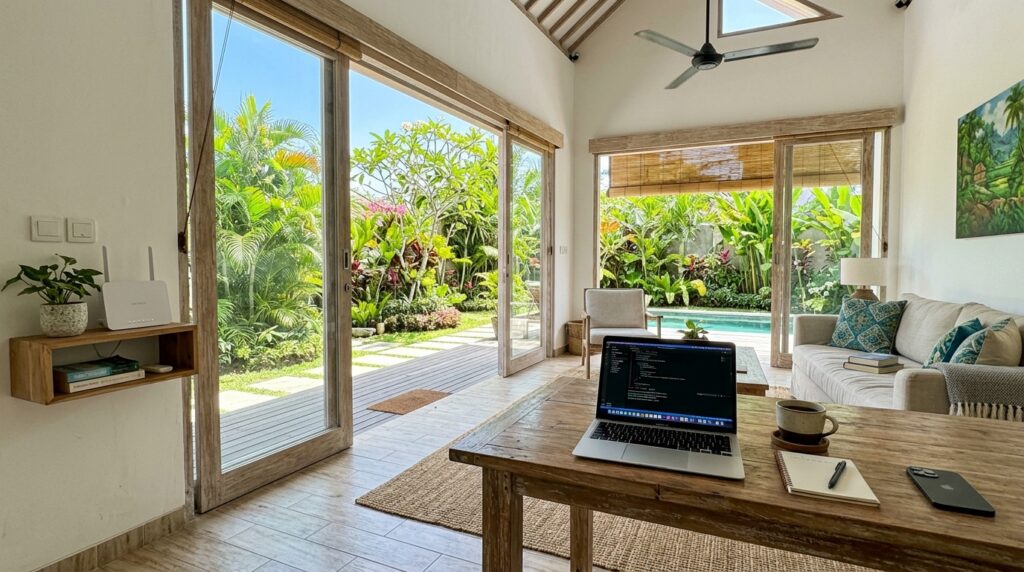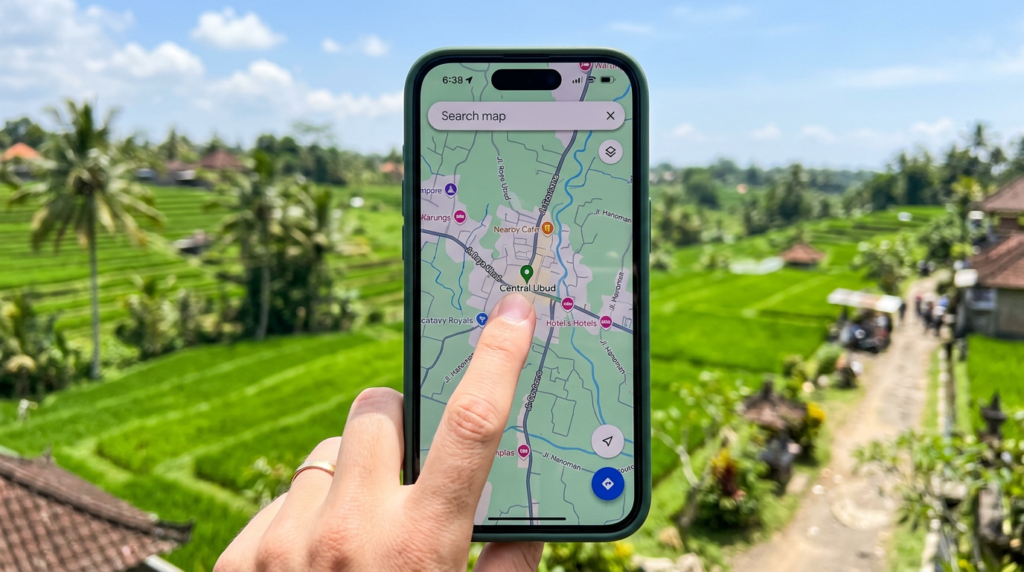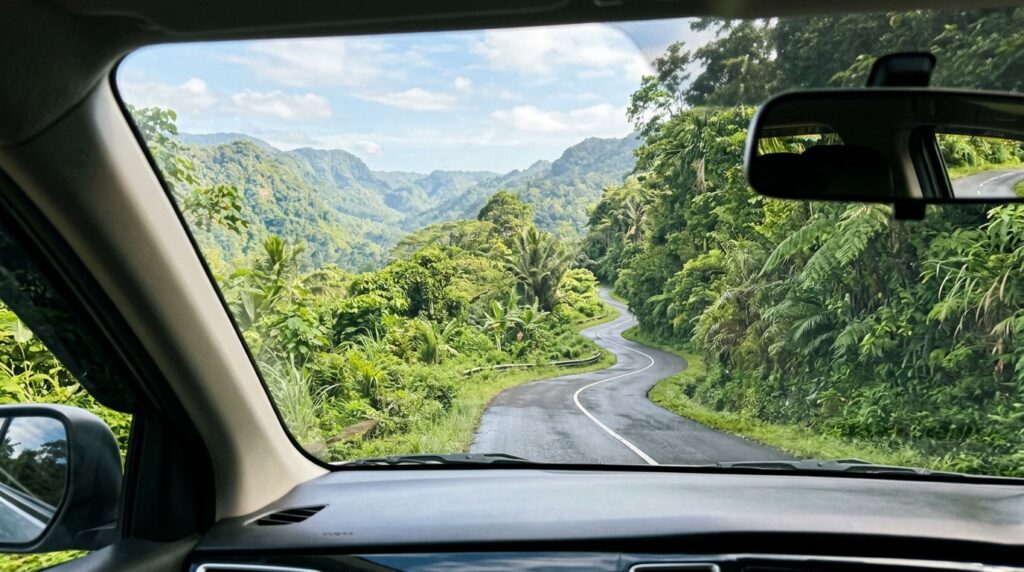
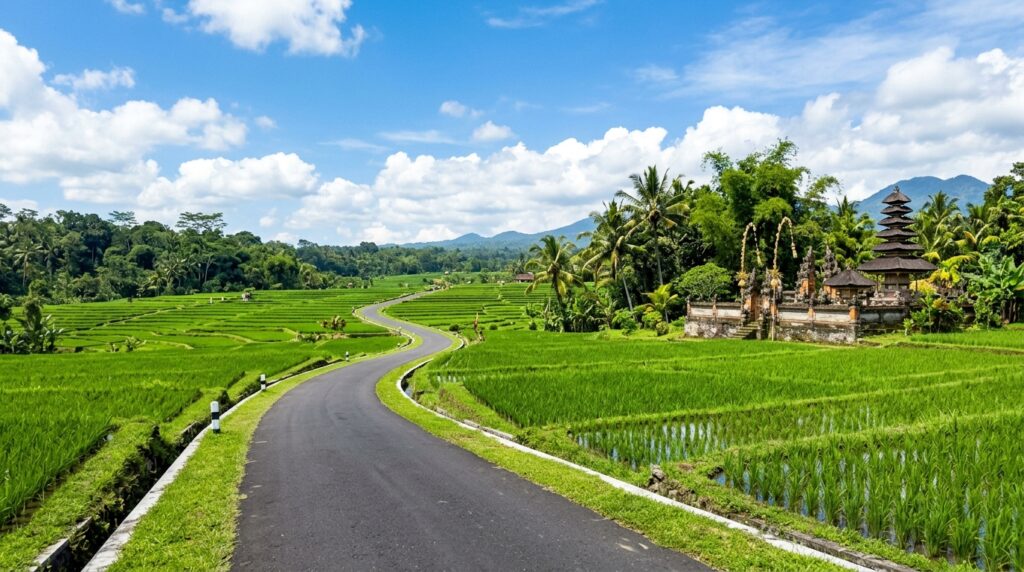
Imagine this: your first morning in Tabanan. The road feels quieter than the place you came from, and instead of dense buildings, you’re looking at greenery and rice fields. Even the air feels calmer. By the time you stop for coffee, you realize the trip is not “Bali as usual” anymore.
That’s the core reason people start talking about Tabanan as a different side of the island. Geographically, Tabanan sits in west Bali, extending from the west coast toward inland rice areas and the highlands. It’s a region with variety packed close together, but the overall vibe stays grounded in rural life.
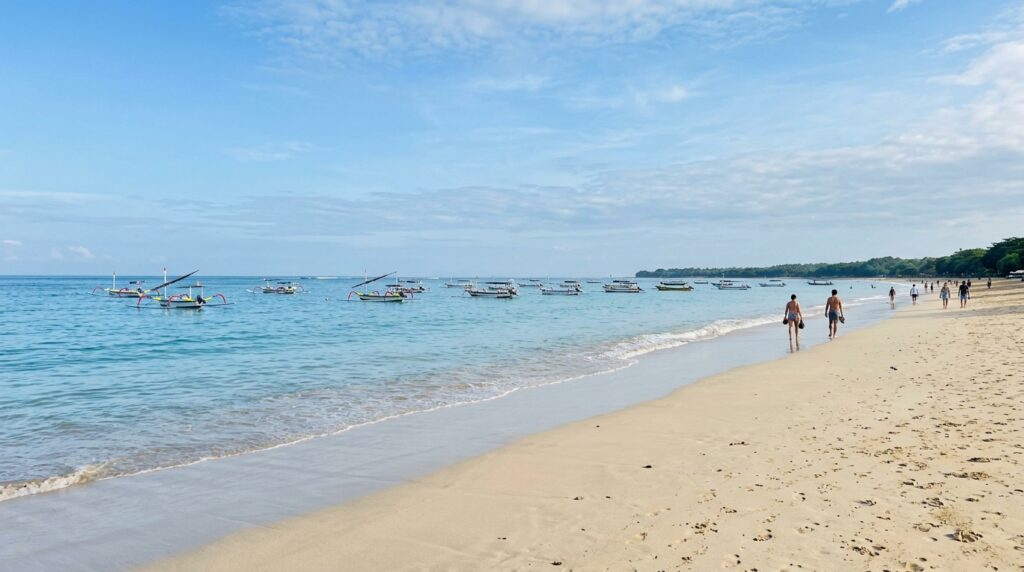
It’s also known for a few specific draws that shape the way your days feel. Rice terraces and temples are everywhere, and spiritual sites tend to blend into daily routines rather than feel like staged stops. On the coast, you get wild black-sand beaches and dramatic horizons. Put it together, and you get a calmer rhythm that people can feel quickly.
What makes staying in Tabanan meaningful is that it changes the experience, not just your itinerary. When your base is in Tabanan, you naturally slow down. You spend more time outdoors. You notice local life more. And because the region doesn’t run on nightlife, your evenings usually come with less noise and more space to breathe.
Still, it helps to be ready for the tradeoffs. Public transport is very limited, so getting around is mostly self-directed with a scooter or car. And while black-sand beaches are beautiful, swimming conditions can vary depending on the sea. Nightlife is quieter, too, especially if you’re used to busier coastal areas.
Once you understand that base-to-day-trip idea, the next step becomes simple: deciding what kind of stay fits you best, coast-side or inland, and planning your days around that logic instead of rushing everywhere.
If you’re trying to choose the right base, start by exploring accommodation options and getting a feel for coast versus inland. Learn more through Baliexpertvillas.com.
What “staying in Tabanan” really means
Staying in Tabanan is less about “where you sleep” and more about choosing the base you return to while you explore. Tabanan spans west Bali, from the west coast toward inland rice fields and the highlands. Because the region is wide and spread out, the idea of a “stay” usually means picking one location as your hub, then doing day trips to major sights from there.
Coast vs rice-and-highlands bases
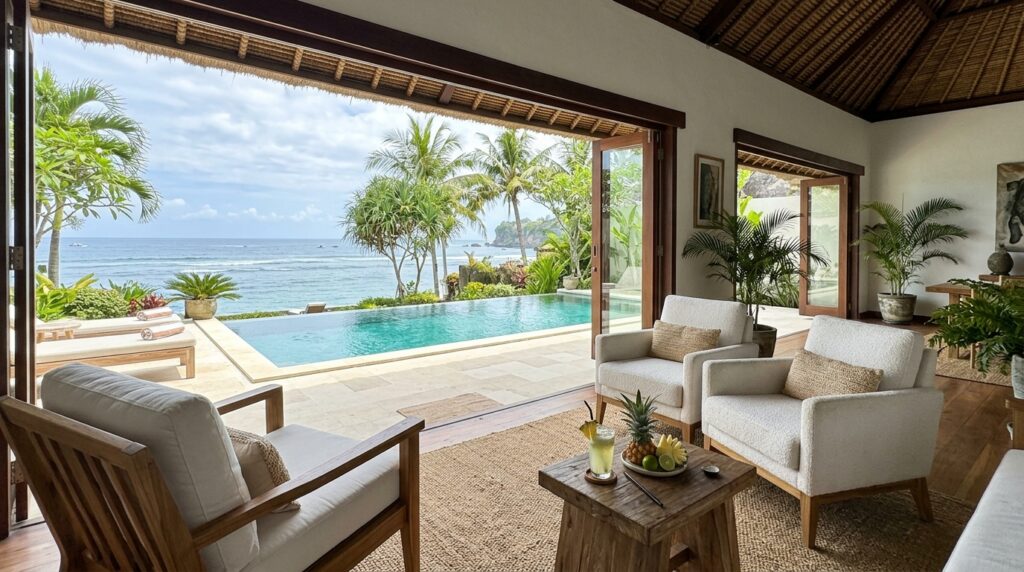
Choose the coast base if you want ocean energy every day. You’ll hear the sea, watch sunsets over dramatic black-sand scenery, and build your mornings around beach walks. Just know that swimming can be hit-or-miss on volcanic black-sand beaches, depending on sea conditions, currents, and waves.
Pick the rice-and-highlands base if you want a quieter, cooler rhythm. Mornings feel slower, with birds and farmers in the fields, and evenings tend to be more peaceful and comfortable. You’ll spend more time around terraces, village life, and inland temples, and the “home base” feeling becomes stronger the longer you stay.
Why it feels calmer than southern Bali
The calm isn’t magic. It happens because you’re farther west, where development and traffic fade compared to the busier south. As you spend more time in Tabanan, your day starts to follow the local pace instead of chasing crowds and late-night routines.
Daily life here also leans heavily on land, sea, and mountains. That natural rhythm shows up in the way you plan your mornings and evenings, and it shapes the overall atmosphere you experience after a day of sightseeing. Even though popular icons can still draw visitors, staying in Tabanan usually makes your “in-between time” quieter, which is often what people really want.
Once you understand this base-and-day-trip logic, the next question becomes easier to answer: how do those practical differences change the kind of trip you’ll have day by day?
Why it matters for your Bali experience
Want Bali to feel more relaxing and real, but you worry you’ll pick the wrong base and end up rushed again? Staying in Tabanan is where that worry starts to dissolve, because your days naturally shift in how they feel and what they highlight.
A slower pace you can actually feel
Instead of packing every hour, Tabanan encourages a calmer rhythm. Even simple mornings feel different when the region supports a slower local pace and your evenings are typically quieter.
It happens because Tabanan’s quieter atmosphere comes from less dense development and reduced traffic compared to the busier south. When you’re not constantly navigating chaos, you notice more of what’s around you, not just what’s on your must-see list.
Nature-first days with real variety
Tabanan is built for nature lovers who want more than one kind of scenery. You can combine rice fields, rural villages, wild black-sand coastlines, and even mountain-side landscapes without feeling like you’re jumping between completely different worlds all day.
Think of a day where you start with the expansive feeling of rice terraces, then move toward temples and cooler inland areas, and end with a sunset walk by the sea. It’s variety that still feels cohesive, not chaotic.
Culture that feels integrated, not staged
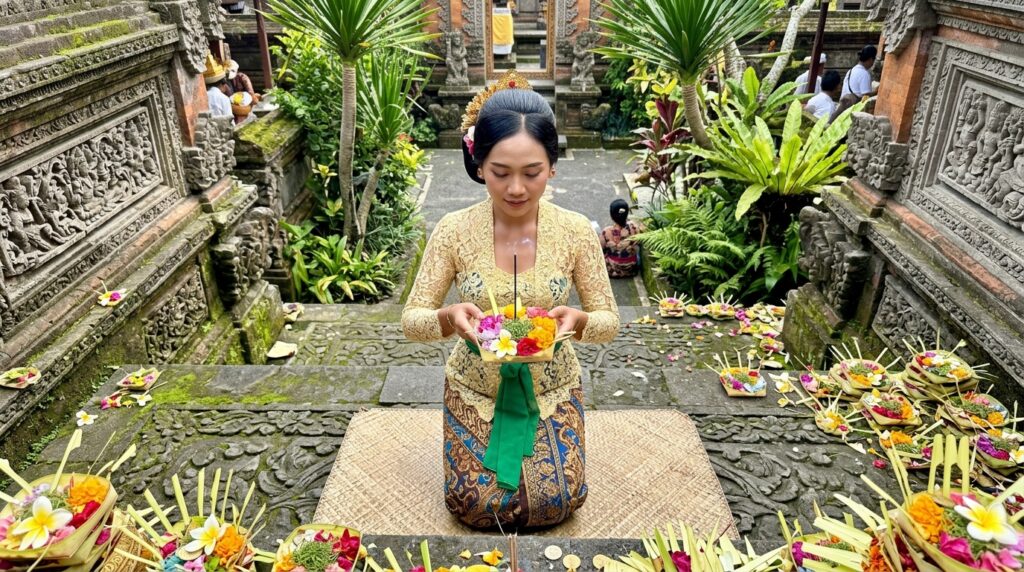
In Tabanan, temples and spiritual sites don’t feel like “tour stops” as much as part of everyday life. That changes your attention. You start watching how people move, where offerings appear, and how spirituality sits naturally in the landscape.
For example, you might visit a sacred site between rice fields and village roads, then notice that the experience feels quieter and more respectful when you’re not sprinting from one landmark to the next. Popular icons can still attract visitors, but the atmosphere around them tends to feel more grounded.
It fits different travel styles
Tabanan isn’t only for one type of tourist. Couples who want privacy, photographers who chase natural light and textures, wellness travelers who prefer calm surroundings, and slow travelers who want space to breathe can all find a good match.
That’s also why the same region can feel peaceful even while you’re doing “big” activities. You’re not relying on nightlife or constant entertainment, so the trip can still feel satisfying if your favorite moments are quieter ones.
Value can be better than you expect
Many travelers find that food and accommodation can feel less inflated than the busiest Bali hubs, especially because tourism is not as concentrated. At the practical level, that means your day-to-day comfort can feel easier to sustain.
But it’s not “cheap by default.” You’ll still want to account for transport needs because public transport is very limited, and you may want extra cash readiness since access to banking services can be sparse in smaller areas. Plan with that in mind, and the value tends to feel real.
Once you know the “why,” the next step is figuring out the right day rhythm for Tabanan’s spread-out geography, so the calm stays with you instead of slipping away.
How to stay in Tabanan day by day
What would your days look like if you stopped crisscrossing the region and actually started to feel the calm? In Tabanan, the best rhythm is simple: choose one base, group nearby sights, and pace yourself so driving does not steal the experience.
1. Choose your base and map the day trips
Start by picking one base type and sticking with it. A coastal base works well if your mornings and evenings revolve around black-sand views and slower beach walks. An inland rice-and-highlands base suits travelers who want cooler, quieter mornings and more time around rice terraces and village roads.
Then build day trips by direction and geography, not by a random list. Tabanan is wide, and public transport is very limited, so moving around can quickly add up. For example, you’ll feel better when you handle coast-side stops in one block and terrace-and-inland temples in another, instead of bouncing back and forth.
2. Plan pacing for mornings, exploration, and evenings
Once your routes make sense, the daily flow becomes easier. Expect slow mornings, focused exploration blocks, and quiet evenings. If you like an example, imagine this: you start early at a temple area, then head into rice terraces for a calm walk, and finish with a relaxed dinner when the light softens.
Also plan lightly around weather. The dry season runs from May to October, with sunnier, less humid days that make outdoor time feel comfortable. Rainy season usually lasts from November to April, and rain often falls in short afternoon showers, so mornings can still be productive while you keep flexibility for later. Across both seasons, leaving space for spontaneous stops helps you keep the trip feeling human, not mechanical.
If you group sights well and avoid changing bases too often, your stay will naturally feel calmer, because the logistics support the mood instead of fighting it.
Common mistakes when you choose Tabanan
Tabanan is just like Canggu, only quieter
You might expect a toned-down version of the same beach-cafe, late-evening vibe. Instead, Tabanan is more rural and nature-first, with fewer nightlife-style distractions. That difference is the whole point.
Fix: Choose a nature and culture rhythm, not a nightlife plan.
All beaches are great for swimming
Because you’re picturing Bali beaches, you might assume every coastline is “swim-ready.” In Tabanan, black-sand beaches can look inviting, but sea conditions can change fast and strong currents or waves may make swimming a bad idea.
Fix: Don’t plan swimming at every black-sand beach.
“Taxis and public transport will handle it”
Tabanan doesn’t run on easy public transport, and taxis can be scarce outside main attraction areas. If you rely on last-minute rides, you’ll feel the stress more than the calm.
Fix: Plan for scooter or car transport as your default.
Authentic always means cheap
“Local” does not automatically mean “budget.” Tabanan still offers luxury villas and nature-focused stays, and transport needs can add up. You might pay for space, privacy, and the experience you came for.
Fix: Set a realistic budget that includes transport and daily spending.
Tanah Lot and Jatiluwih are always crowd-free
Popular icons can still get busy, especially around sunrise or sunset and during peak hours. Staying in Tabanan usually helps the overall atmosphere, but it doesn’t guarantee solitude at every photo spot.
Fix: Time your visits early or late when possible.
Modern amenities work the same everywhere
In rural stretches, mobile signal can be patchy, ATMs may be sparse, and card acceptance may be less consistent. Those small gaps can turn a peaceful day into a frustrating one.
Fix: Carry enough cash and plan navigation with reliability in mind.
Avoiding these mistakes keeps the calm intact
When you correct these expectations, Tabanan feels exactly like it’s supposed to: quieter, more nature-first, and easier to enjoy without constant friction.
Next, the goal is to turn those corrected expectations into a better approach, so your days flow smoothly.
How to do it well and enjoy the quiet
Doing Tabanan well is not about doing more. It’s about making small choices that keep your stay calm, smooth, and worth remembering. Think of it like setting up the right tempo before the music starts.
Pick one base and stop hopping
Choose either a coast-forward base or a rice-and-highlands base, then commit. This is the fastest way to prevent wasted driving time and keep your days feeling connected.
When you move less, you also feel more of the local rhythm, not just the “arrive, see, leave” cycle. Tabanan rewards patience, especially when you group sights by direction.
Use local connections for deeper experiences
For the most meaningful moments, rely on concierge-style help or trusted local guides through your accommodation network. They can point you to experiences that feel personal rather than generic.
You’ll get more context around temples and the daily life happening around them, and that makes your visits quieter in a good way. Even when an area is popular, good guidance helps you experience it with respect.
Embrace no-plan days without feeling lost
Leave open space in your schedule. A no-plan day can mean a slow morning, a detour toward a scenic road, or simply more time around rice terraces before the light changes.
This is especially useful because Tabanan is spread out. If you try to fill every hour, you end up fighting logistics instead of enjoying the atmosphere.
Plan for signal, cash, and transport
Because mobile signal can be patchy in rural areas, don’t rely on navigation always working perfectly. Have mobile data ready for the days you’ll be out, and consider offline planning habits.
Also carry enough cash, since ATMs can be sparse and card acceptance may not be consistent. And since public transport is limited, scooter or car transport is usually the practical default.
Pack for insects and uneven ground
Bring insect repellent, especially for evenings and near rice fields. You want comfort so you can stay outdoors longer without constantly retreating.
Wear sturdy shoes too. Temple paths, village roads, and natural trails can be uneven, and good footing makes the experience safer and more relaxing.
Respect offerings and sacred spaces
Watch your step around temple areas and daily offerings, because canang sari and small rituals appear in many places. Stepping carelessly can be disrespectful, even unintentionally.
Dress appropriately when visiting sacred sites, keep your voice lower, and move calmly. When you do that, the culture doesn’t feel like a backdrop, it feels like part of the landscape.
Do it like this and the calm becomes a rhythm, not a lucky accident caused by having a “slow itinerary” on paper.
Want to match your pace with a stay setup that makes sense for Tabanan? Plan with Baliexpertvillas.com’s villa guidance so your days feel easier from the start.
A calmer Bali base is waiting in Tabanan
“When you stop racing, the day starts to feel like it belongs to you.” That was the moment for me after a quiet temple visit and a gentle walk through rice terraces, when I returned to my base and realized the whole trip felt more grounded than hectic.
Tabanan does that on purpose through the way it’s set up: calmer days come from slower development and traffic, and your mood follows the land, sea, and mountain rhythm. Add nature-first variety and culture that feels integrated into daily life, and you get a Bali experience that doesn’t rely on constant entertainment.
For your final prep, keep your choices simple: match your preferred pace by choosing a coast or inland base, plan fewer moves so you can stay put, prepare for private transport and cash readiness, and schedule time to slow down instead of stacking too many stops. Once you settle into that rhythm, Tabanan has a way of turning into the Bali you were hoping to find.
If you want a calmer, better-planned Tabanan stay, Baliexpertvillas.com is ready to help you align your base choice with the pace you’re looking for.